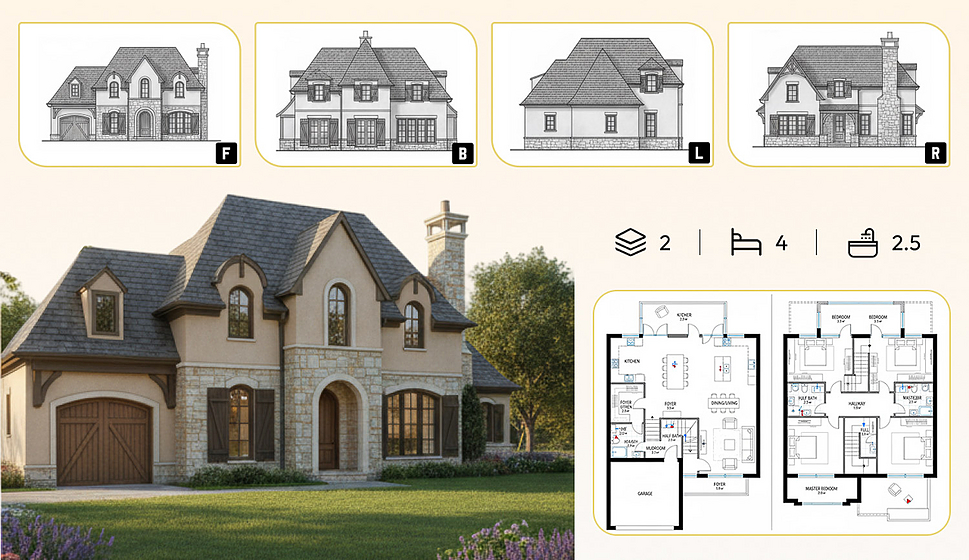
This guide covers a workflow that moves from project parameters to generated floor plans, 3D perspective views, exterior design exploration, and site context visualization, using AI tools in place of preliminary CAD and rendering work.
This guide covers a workflow that moves from project parameters to generated floor plans, 3D perspective views, exterior design exploration, and site context visualization, using AI tools in place of preliminary CAD and rendering work.

The study titled Prioritize Active Transportation by Bicycle!, published by the Center for Metropolitan Studies (CEM)—a research center at the Faculty of Philosophy, Languages and Literature, and Human Sciences (FFLCH) of the University of São Paulo—presents an analytical planning tool for São Paulo's cycling network, comparing the current scenario with future planning through the lens of inequality.
Journalist Flávio Soares, a master's student at USP's Polytechnic School (Poli), a member of the CEM research team, and one of the paper's authors, explains the key factors analyzed for the construction of bike lanes and cycle tracks in cities.

On the 6th, Rio de Janeiro Mayor Eduardo Paes requested CET-Rio, the municipal traffic management agency in the capital, to adjust the speed limits along the waterfront roads. This measure is of paramount importance given that, according to City Hall, more than 600 people lost their lives in traffic crashes in Rio last year, with over 60% resulting from pedestrians being struck by vehicles.

As the end of the year approaches, it brings the opportunity to reflect on the standout architectural moments of 2023. With this in mind, we looked at the most liked photos on ArchDaily Brasil's Instagram.

On December 2, the 26th National Congress of Architects concluded at the Bíobio Theatre with a moving ceremony that featured the presentation of the 2023 CA Awards, a keynote lecture by National Architecture Prize winner Fernando Pérez Oyarzún, and the submission of the congress's final resolutions, which will serve as a mandate for change for the National Board of the Chilean Association of Architects.

2023 broke temperature records worldwide. People across different regions of the planet are already facing historic heatwaves, wildfires, and droughts with just 1.1°C of warming above pre-industrial levels. Under current policies, which put the world on track for a warming scenario of 2.5°C to 2.9°C by 2100, the stifling heat felt this year is just a small taste of the future ahead.
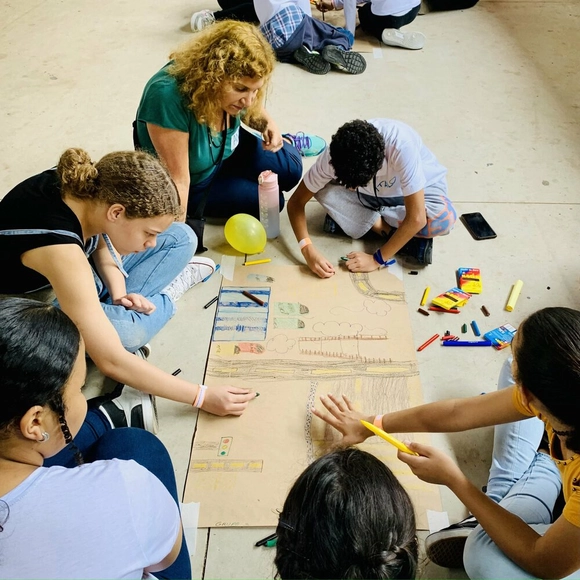
The Instituto Corrida Amiga works to bring people closer and connect them to the spaces they inhabit, aiming to transform citizens' daily lives through the perspective of active mobility, access, and the right to the city.
Part of the institute's initiatives consists of educational practices designed for diverse audiences, featuring playful-educational activities that encourage active participation and collaboration. This allows participants to express their opinions and desires, fostering decision-making, critical thinking, and empathy.
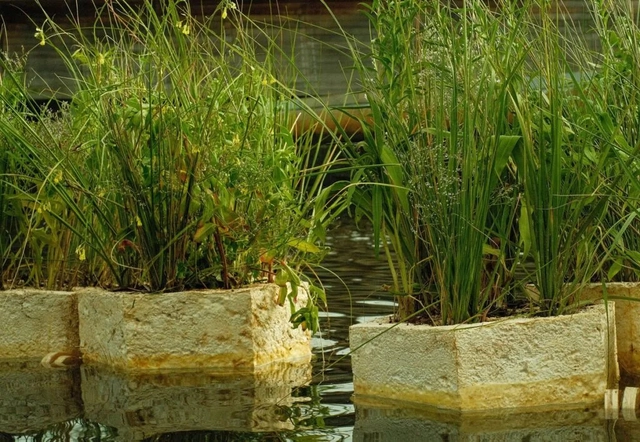
Using plants to filter impurities from lakes and rivers is already a common practice in sustainability. It is an alternative that avoids artificial chemicals in favor of maintaining a balanced ecosystem. Now, students at the Rhode Island School of Design (RISD) have gone a step further, creating floating planters made of mycelium to clean pollutants from waterways while restoring wetland habitats.
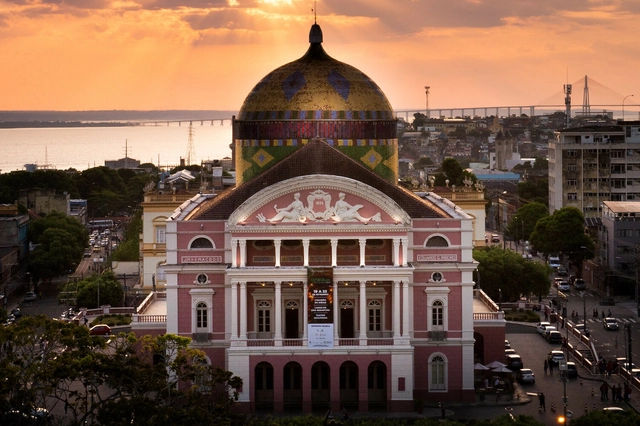
Teatro Amazonas in Manaus and Theatro da Paz in Belém could soon achieve recognition as UNESCO World Heritage Sites. The first step toward this distinction for the Amazon theaters will be taken between December 13 and 15, during the first mobilization workshop in Manaus. This event will gather representatives from the governments of Amazonas and Pará, the city halls of Manaus and Belém, civil society, researchers, and the National Institute of Historic and Artistic Heritage (IPHAN).
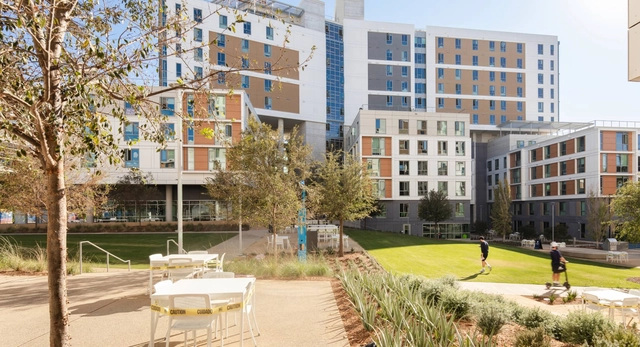
The interaction between architecture and human well-being is a field drawing increasing interest in the contemporary world. The role of architecture in daily life extends far beyond its aesthetic or practical functions; it directly shapes the experience and well-being of those who interact with built spaces. This fundamental link between architectural space and human well-being is being increasingly explored by researchers and practitioners seeking to understand and optimize the impact of the built environment on people's health and quality of life.
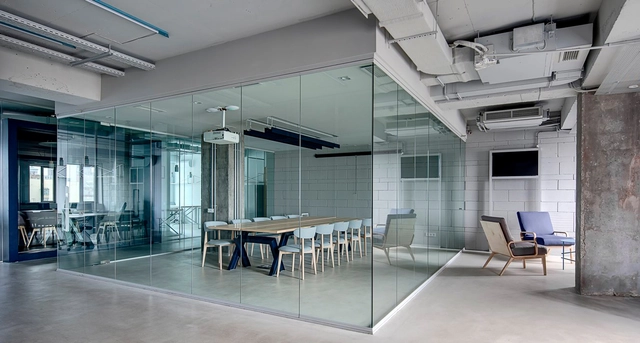
In the context of contemporary design, glass partitions have gained prominence in the world of interior design due to their versatility in harmoniously combining elegance, functionality, natural light, and spaciousness. One of their primary advantages is transparency, which allows for spatial division without obstructing natural light, offering a sense of openness and connectivity between areas. This is particularly beneficial in small spaces where light can make a significant difference in the interior atmosphere.
At the same time, construction methods are simplified by the clean and rapid installation of glass walls and doors, as well as their multiple mounting options, which adapt to structural conditions and construction sequencing. Moreover, while transparency is a key feature, glass partitions can also incorporate options to ensure privacy when necessary, utilizing various types of glass with digital printing, silkscreening, or satin finishes.
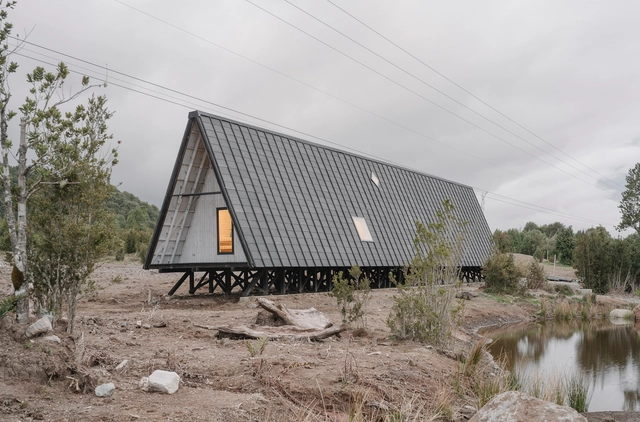
ArchDaily's curatorial team strives every day to present our readers with the most significant, inspiring, and innovative projects, while also ensuring a diverse representation of global architecture.
As part of our 2023 Year in Review retrospective on ArchDaily, we look back and reflect on what was published over the past year. Residential architecture remains one of our most visited categories of built projects, generating immense interest among our users worldwide. With this in mind, we have selected the 50 best houses published this year on ArchDaily en Español, offering a brief showcase of the form and character of residential architecture across the Spanish-speaking world.
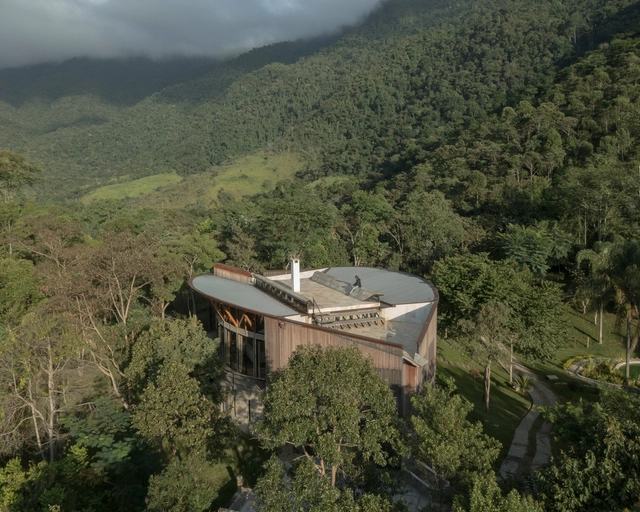
ArchDaily's curation team strives daily to present our readers with the most significant, inspiring, and innovative projects, expanding the knowledge and repertoire of students and architects worldwide. From small renovations to projects designed from scratch, residential architecture is a constant in the daily practice of most firms. Year after year, we see the deep interest this typology sparks: it remains the most popular category among our audience.

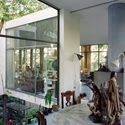
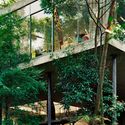
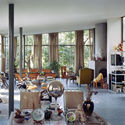
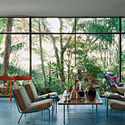
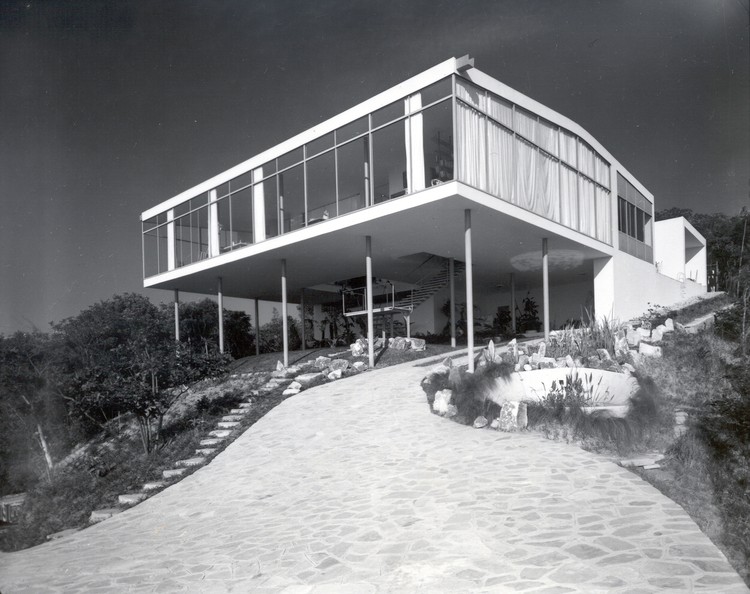
When we think of the residential designs of Italian architect Lina Bo Bardi, the immediate image that comes to mind is her private residence in São Paulo (1951)—more precisely, the image of its glazed social pavilion, captured from a low angle. This perspective further dramatizes the contrasting relationship between that light, suspended orthogonal volume and the steep natural slope of the terrain.
I would venture to say that no other work of Brazilian architecture is as well-known from a single photograph. This image, which has illustrated nearly every publication on the architect since the building's completion nearly 70 years ago, and which indeed justifies its famous moniker, the “Glass House,” exposes the unequivocal modern condition of this project—or, at least, the portion revealed by the angle of this celebrated photograph: a transparent, prismatic volume suspended on slender pillars set back from the edge of the floor slab and, consequently, free-standing within the elevated space.
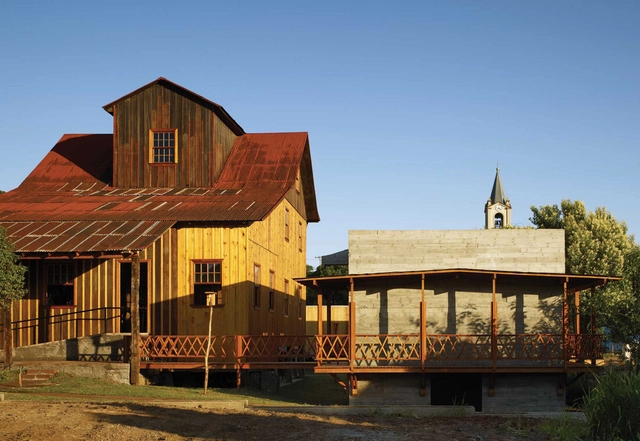
Marcelo Ferraz, founding partner—alongside Francisco Fanucci—of Brasil Arquitetura, an office that has garnered numerous national and international awards in recognition of projects that are deeply sensitive to their site, yet essentially contemporary, is this week's guest on Arquicast.

In 2019, to mark its founding anniversary, Belo Horizonte received a gift in the form of an architectural competition. The national contest sought preliminary technical studies for the requalification of the historic and landscape heritage of Bernardo Monteiro Avenue.
This heritage site, characterized by a dense grove of large, leafy Ficus trees, was affected by infestations of the so-called "ficus whitefly." This caused defoliation and dried branches, severely compromising many of the trees, damaging the area's historical-cultural identity and public character, and forcing the relocation of the craft, flower, food, and antique markets that once operated there.
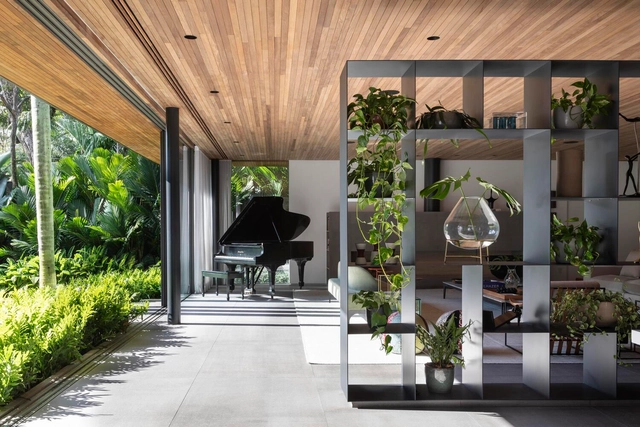
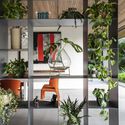
To create a cozier scale in large open-plan spaces or accommodate diverse uses under a single roof, defining areas through custom furniture design has become a highly effective solution. Serving as functional storage or even display units, shelving systems that double as room dividers can generate new perspectives, guide circulation, and foster greater permeability between different spaces.
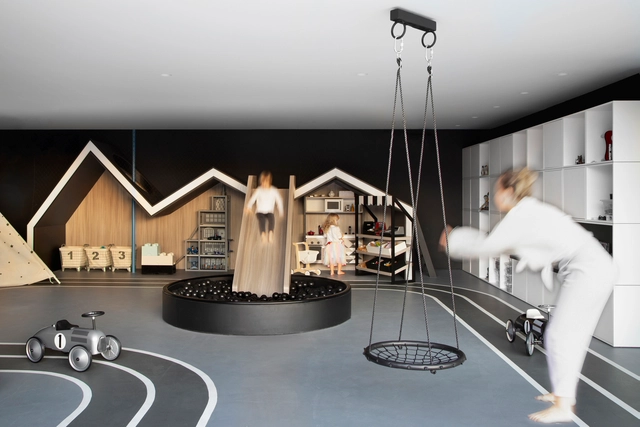
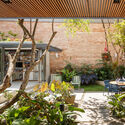
Beyond viewing the home as mere shelter and protection, there is now a much greater complexity of functions integrated into the elementary programs of dwelling. We no longer think only of spaces for sleeping, cooking, and bathing, but rather of a series of new programs that demand new spaces and configurations. Among these, leisure emerges as an activity integrated into living, in the form of backyards, swimming pools, and TV rooms.
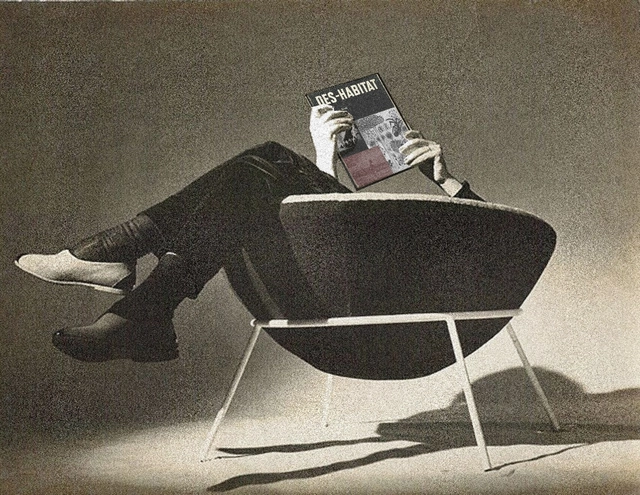
Between the 1950s and 1960s, Lina Bo Bardi was the editor of Habitat magazine, known for publishing articles and research on the cultural and artistic expressions of Indigenous peoples. The publication, which remained in circulation until 1965, was a pioneer of the synthesis between universal modernism and local primitivism—a central element in the mythology of Brazilian modernity. Nearly six decades later, architect and curator Paulo Tavares undertakes a sort of "un-editing" of the magazine, putting this notion of synthesis into perspective in light of contemporary debates exploring the intersection of modernity and colonialism. Recently published by n-1 edições, Des-Habitat utilizes graphic and editorial devices to create a near-facsimile of the original publication led by Bo Bardi, overlaying a new layer—critical, revisionist, and necessary—onto a discussion that continues to reveal new ramifications.
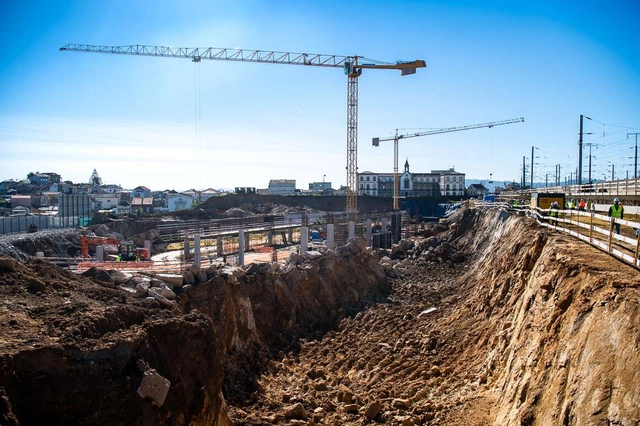
With the goal of introducing the architects, projects, and stories behind landmark Portuguese architecture, Sara Nunes, from the architectural film production company Building Pictures, launched the podcast No País dos Arquitectos, where she talks with leading figures of contemporary Portuguese architecture.
In this week's episode, Sara talks with Nuno Brandão Costa about the Campanhã Intermodal Terminal project in Porto. You can catch up on other interviews from the No País dos Arquitectos podcast and read the transcript of the interview with Costa below:
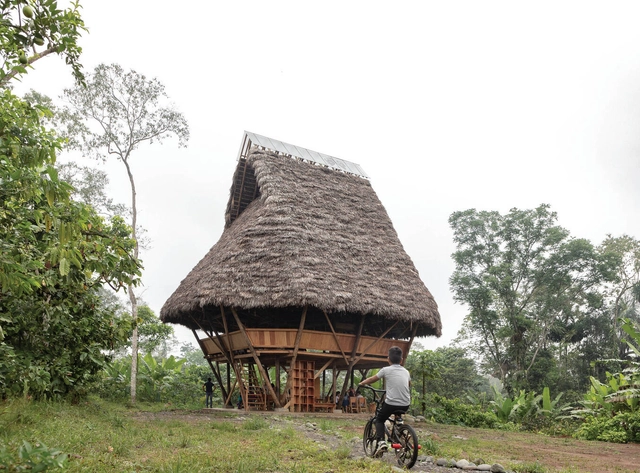
The Fondazione Teatro dell'architettura has announced the architecture firm Al Borde (Ecuador) as the winner of the 2024 BancaStato Swiss Architectural Award. Founded in Quito by Pascual Gangotena, David Barragán, Maríaluisa Borja, and Esteban Benavides, Al Borde conceives a collective approach to design and construction, paying special attention to climate variables, the involvement of local communities, traditional construction techniques, and innovation. As they state, Al Borde “inhabits the territory of questioning, where certainties about what architecture should or should not be are constantly under construction.”
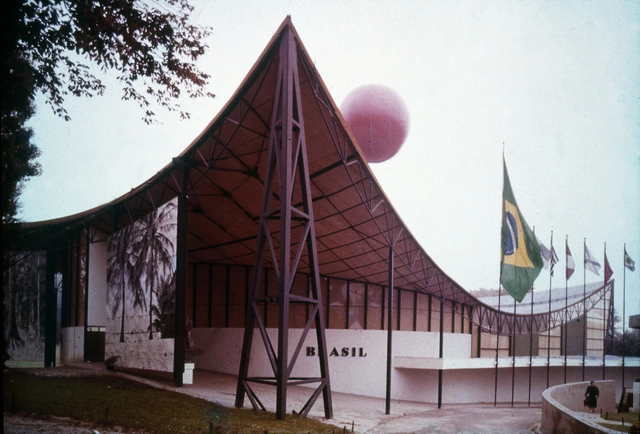
Architecture is a discipline that connects diverse fields and practices, manifesting in the physical and theoretical conceptualization of strategies for intervening in the human environment. This spatial intervention involves applying artistic, social, and technological knowledge which, when combined, inevitably reflect a given culture or dominant ideology. In this sense, architecture is also an image that conveys meaning.

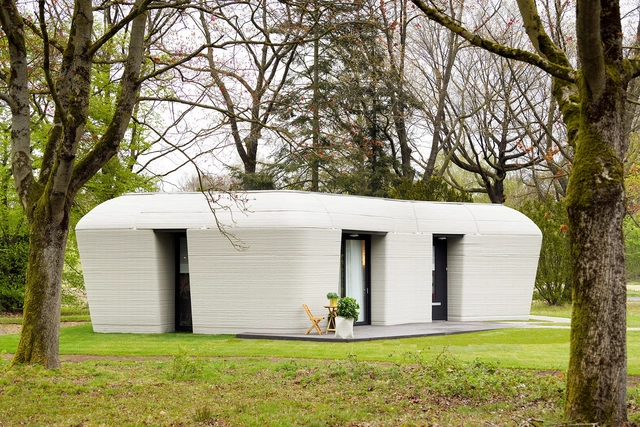
Years ago, the construction industry was among the most technologically lagging; today, however, we can confidently say that automation is here to stay.

A capsule-based transportation system that runs on magnetic propulsion, moving people and cargo at speeds of up to 1,200 km/h using renewable energy, could soon become a reality in Brazil. This futuristic concept is being brought to the country by Hyperloop Transportation Technologies (HyperloopTT), which develops and licenses the Hyperloop—the urban mobility technology originally conceived by Tesla entrepreneur Elon Musk.
Resembling a wingless aircraft without turbines, the Hyperloop has a capacity of up to 50 passengers and operates in a low-pressure environment, allowing it to travel at high speeds with virtually zero friction.
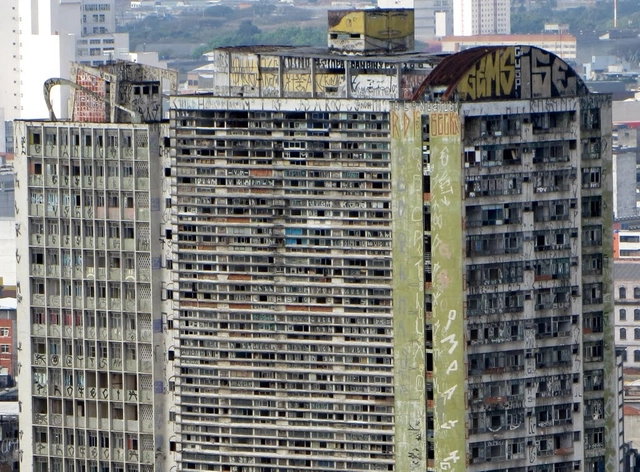
Are there more homes without people than people without homes? This recurring claim had already been described as a “myth” by urban planner Nabil Bonduki in 2018, but the persistent suggestion of a simplistic formula for solving the housing crisis deserves to be addressed once again. Recently, an article in Folha de São Paulo by urban planner Alexandre Benoit suggested that the approximately 300,000 vacant properties in São Paulo could be designated to “eradicate the city’s housing deficit.”