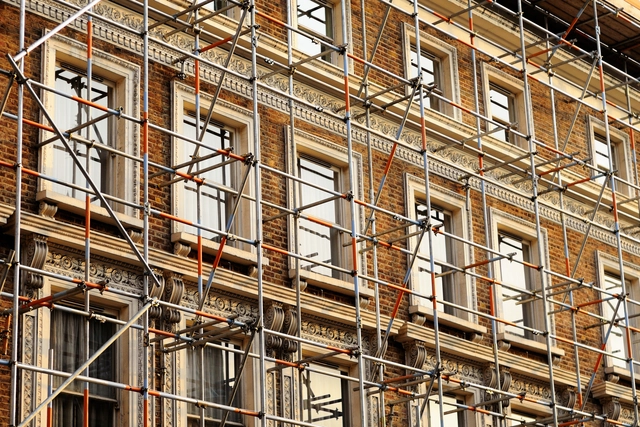
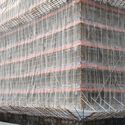
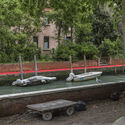
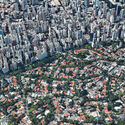
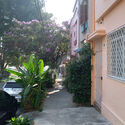
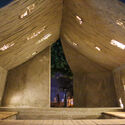
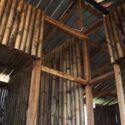
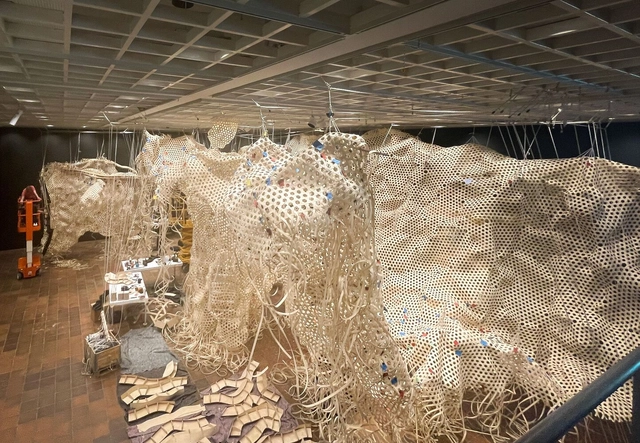
As one takes a visual tour through the city, one might spot structures that break the rhythm of finished architectural products. These are buildings encased in grids of metal or wooden sections, sometimes wrapped in colored nets, that communicate a moment of construction, repair, renovation, or demolition. They are called scaffolding systems, temporary structures built in the city to aid in the erection or maintenance of buildings. However, they have evolved to speak their own architectural language. As city-making is a continuous process, scaffolds serve as beacons, proposing silhouettes of the height, shape, or forms of new buildings. They step into the sidewalks, acting as shade or obstructions to the flow of human and vehicular traffic. In contrast to the permanence of architecture, they exhibit a sense of temporality that helps communicate time, the growth of neighborhoods, and the evolution of a city.
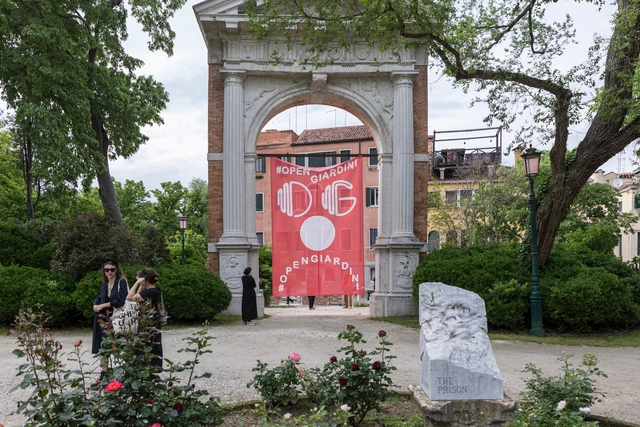
The Unfolding Pavilion is a recurring exhibition and editorial project by Daniel Tudor Munteanu and Davide Tommaso Ferrando that aims to highlight previously inaccessible but architecturally significant spaces. Now in its fourth edition, the exhibition is dedicated to the Giardini della Biennale, the Venetian garden that became the main location for one of the most important architecture exhibitions worldwide, the Venice Biennale. Through a series of site-specific interventions and photographs by Laurian Ghinițoiu, the Unfolding Pavilion #OPENGIARDINI set out to explore the paradoxical state of this public space that is not publicly accessible.
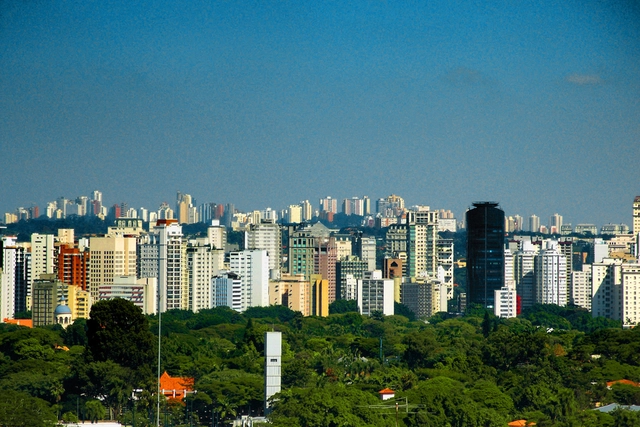
Jardim Paulistano neighborhood. Photo by Alexandre Giesbrechtm, via Flickr. License CC BY-SA 2.0
More People, Fewer Trees? In the face of the climate crisis, tree-lined streets—once merely desirable—have become an essential attribute for quality of life in São Paulo. Meanwhile, population density in the infrastructure-rich expanded center seems to be the most efficient path for the capital's growth. But are these two goals truly at odds? Does higher density inevitably mean more concrete and fewer trees? In a recent column for Jovem Pan, architect and urban planner Helena Degreas highlighted the ongoing loss of urban canopy in the city. In her view, this is a reflection of the "unbridled densification resulting from the guidelines of São Paulo's Strategic Master Plan, combined with regulations regarding tree removal along urban transformation development axes." In just four years, the Pinheiros Subprefecture alone reportedly lost over three thousand trees. Indeed, defending the city's "green lungs" is one of the central arguments supporting the historical resistance of residents in neighborhoods like Jardim América, Jardim Europa, Alto de Pinheiros, and Pacaembu to any changes in zoning laws that would encourage population density in these areas. On the other hand, according to research conducted by the Coalition for Urban Transitions, an initiative of the New Climate Economy, and the Urban Land Institute, evidence shows that increases in urban density are linked to declines in both local and per capita carbon emissions and energy consumption. This reduction in emissions is driven by factors such as decreased private vehicle use, greater energy efficiency in buildings, less built infrastructure, and fewer land-use changes on urban fringes. Consequently, dense cities are greener cities. These factors underpinned the argument made by architect and urban planner Anthony Ling in defense of proposed changes to the 2015 Zoning Law in his article "The Struggle of São Paulo's Elite to Exclude the City," published in Caos Planejado. To mark World Environment Week (June 5 to 9) and contribute to this controversial debate, I cross-referenced the number of street trees per square kilometer (vertical axis) with inhabitants per square kilometer (horizontal axis) across São Paulo's 96 districts, sharing the analysis in a LinkedIn post. If it were true that population density and green density in São Paulo necessarily move in opposite directions, we would see a clear negative correlation between the two variables. However, as the chart below shows, that is not the case. As the chart demonstrates, several districts have both green and population densities above the city average—such as Jardim Paulista, Vila Mariana, Consolação, and Perdizes. In Jardim Paulista, however, part of this high green density is due to the leafy neighborhood of Jardim América, where heritage preservation and zoning laws restrict construction and high-rises—consequently keeping population density low. The same occurs in the Perdizes district, which includes part of the Pacaembu neighborhood. In fact, focusing on the top of the chart, where districts with above-average green density are located, we do observe a slight negative correlation between green density and population density. Alto de Pinheiros has low population density but boasts the highest number of street trees per square kilometer in the city. As we move to the right on the chart toward districts with higher population densities, we see a drop in green density, as in Santa Cecília, República, and Bela Vista—though it is worth noting that even these districts remain above the city average. It is also true that higher population density, even in green areas, can mean fewer trees per capita. Bela Vista and República, for instance, despite their above-average green density, are among the districts with the lowest number of trees per inhabitant (highlighting the relevance of developments like Cidade Matarazzo in Bela Vista). Conversely, Butantã, despite having a green density close to the average, is one of the districts with the highest number of trees per inhabitant. However, it is when we factor price into the analysis (represented by circle size) that São Paulo reveals its segregated nature once again, as previously identified by Properati, the consultancy that compiled the green density and price data—while population density data was sourced from the City Hall website. Broadly speaking, the districts with the highest green density are also among the capital's most expensive. Furthermore, wealthy areas concentrate most of the city's parks, such as Ibirapuera Park (Vila Mariana), Parque do Povo (Itaim Bibi), Trianon Park (Jardim Paulista), and Augusta Park (Consolação). In other words, the benefits of green spaces in São Paulo also appear to be a privilege reserved for the few. The contrast between the two "Itaims" is particularly striking: on one hand, Itaim Bibi is green, wealthy, with below-average population density and nearly 150 street trees per thousand inhabitants; on the other, Itaim Paulista is low-income, densely populated, and has few street trees (just 25 per thousand inhabitants). To be clear, I am not suggesting that the construction of new buildings along the urban transformation axes is not leading to tree removal—I myself deeply regretted the removal of a massive, century-old tree on a plot on Avenida Pompeia, near my home, to make way for a new building. The issue, however, may not be high-rise development and population density in themselves, but rather a lack of oversight and strategic planning to preserve existing trees—or to promote urban reforestation. As Helena Degreas herself points out, "in the city of São Paulo, tree planting is carried out by subprefectures on a compensatory basis—meaning that for every tree removed within a subprefecture's territory, another must be planted anywhere else in the city. It is at this point that issues related to local microclimate, soil permeability, and biodiversity are bypassed solely by the logic of real estate density." Her proposal to plant trees in the exact location where they were removed makes perfect sense. "Removing a tree from my street and planting it elsewhere makes no sense when it comes to local microclimate and resident well-being," she rightly argues. Furthermore, urban greening or even creating small garden beds on sidewalks almost always falls on property owners, without proper planning or public sector incentives. Structured, coordinated initiatives could significantly improve the microclimate and quality of life for those who use these public spaces. When properly planned, population density tends to create more resilient, efficient, diverse, and prosperous areas, both socioeconomically and environmentally, as evidence suggests. Thus, what the resistance to density in certain areas seems to reveal, rather than a legitimate defense of the city's green spaces, is the old, disappointing defense of established privileges. Extremely well-located, close to high-paying jobs and major cultural and leisure facilities, areas with high green density and low population density are among the most expensive in the city. "What they want to maintain is the quality of life in their own neighborhood—the silence, the greenery [...] but to call that public interest? No," stated Flávio Villaça, one of Brazil's most prominent urban planners, quoted by Ling in his article. Via Caos Planejado.
Courtesy of Abeer Seikaly | Photo by Hussam Da’na.
A group of 31 architects, studios, and designers have been invited to participate in the Sharjah Architecture Triennial from 11 November to 10 March 2024. For its second edition, the Triennial aims to explore innovative design solutions emerging from conditions of scarcity in the Global South. The participants, representing 27 countries, offer a diverse and international response to the theme, addressing its implications for the future of architecture. The Triennial is curated by Tosin Oshinowo and revolves around the theme "The Beauty of Impermanence: An Architecture of Adaptability."
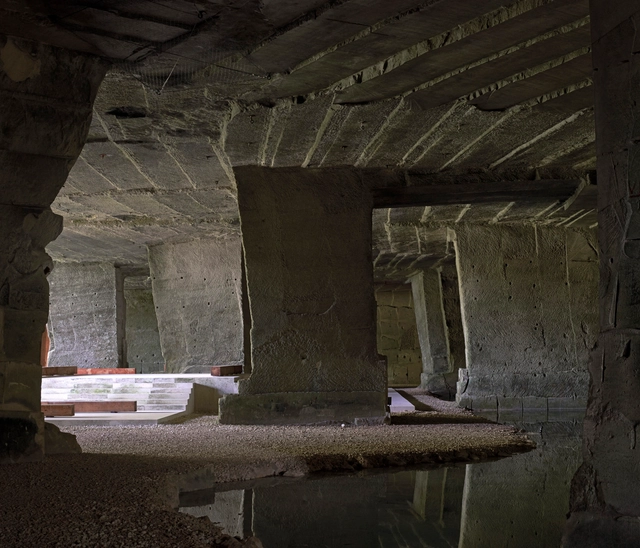
The final installment of The Architect's Studio series at the Louisiana Museum of Modern Art showcases the works of Cave_bureau, an architectural studio from Kenya. The exhibition explores the volcanic caves of Kenya, emphasizing the concept of "reversed futurism." Cave_bureau believes that by studying the past, they can develop sustainable solutions for the future.
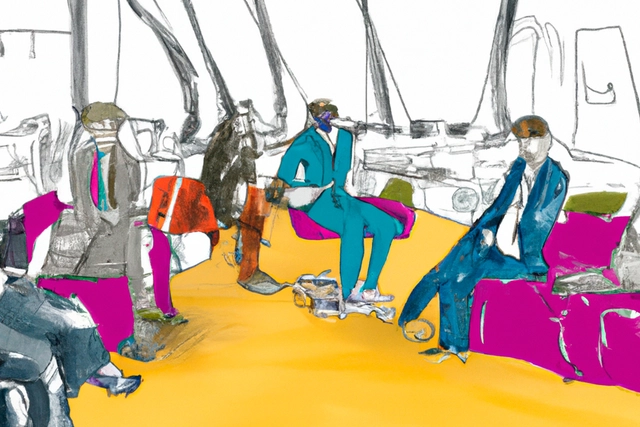
Image created in DALL-E by Lucas Reitz under the prompt: "an illustration of shopping mall sitting and waiting areas with couches and arm chair only occupied by white middle class men"
Space as a gender adjacency and sexuality's spatial dimension are recent themes in architecture. The case of the bathroom as a gender-regulating device is a constantly discussed topic at the intersections of queer theory in architecture. The discussion is even broader within LGBTQIA+ guidelines.
Recently, I resolved that I wasn’t going to be drawn into the silly posturing about how ChatGPT would take the jobs of every experienced architect on earth before 2030, but an intelligent post on this website by Geethanjali Raman and Mohik Acharya broke that resolve. What isn’t being stressed is that algorithms that sample internet-based information are only as good as the quality of that information. Architectural history suggests that all new things have a shelf life, quickly fading from view after being hyped. Only the best will persist after a lengthy period of evaluation and criticism. Any new architecture widely praised and available since the rise of the internet is likely to be untested by time and thus not worth using as a benchmark. And let’s face it: Some of the worst buildings ever designed by humans are out there in cyberspace, crowding out better ones that haven’t yet been digitized.
https://www.archdaily.com/1003243/architects-must-resist-the-ai-revolutionMark Alan Hewitt
In this fifth feature, we met with co-chairs of design for Inclusivity architect Magda Mostafa, Professor of Design, Department of Architecture, the American University in Cairo and architect Ruth Baumeister, Associate Professor of Theory and History, Aarhus School of Architecture.
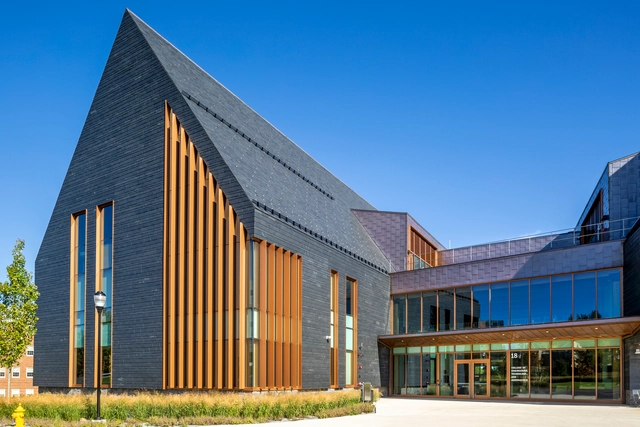
SNHU Innovation and Design Education Building / HGA. Image Courtesy of Cupa Pizarras
When designing architectural projects, protecting a building’s walls is key for ensuring its longevity, durability, and resistance to the elements, therefore preserving its aesthetic appeal. Among the protective measures available, cladding systems are exterior coverings that integrate varying textures, colors and finishes, allowing for customization and creative expression, while also providing weather resistance and thermal performance.
Exploring materials beyond traditional masonry cladding or commercial curtain wall systems, Cupa Pizarras has developed natural slate rainscreen facades. From linear to honeycomb patterns, these geometric facade layouts meet the requirements of current architectural trends, which demand more sustainable and energy-efficient buildings. The combination of high-durability tectonic slate with innovative fastening techniques, as well as the efficiency of rainscreen cladding, makes CUPACLAD a sustainable and aesthetically pleasing alternative for enhancing the LEED certification of projects.
Courtesy of Aranya Theater Festival, MAD Architects Qi Ziying
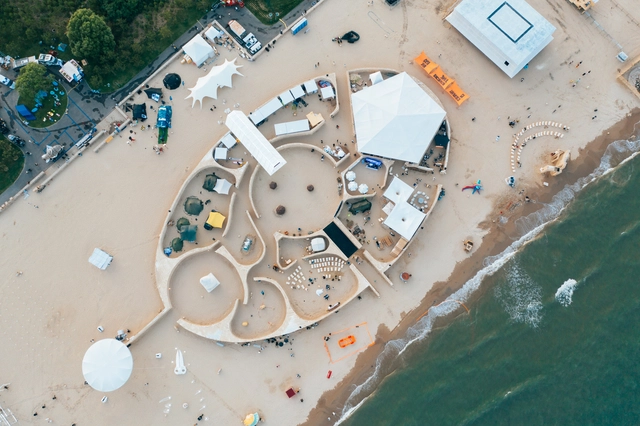
Ma Yansong revealed The City of Time, a performance space and the location of a 300-hour artist residency created for the Aranya Theater Festival in China. Following the metaphor of avian migration, the Migratory Birds 300 is an artist residency program that brings together 300 creators from diverse fields and backgrounds. From June 12 to June 25, Ma Yansong’s architectural intervention will host a wide array of artistic expressions, including shows, installations, sculptures, performance art, paintings, and videos, including 131 group works and 194 individual projects.
The 35th Bienal de São Paulo – choreographies of the impossible, organized by the Fundação Bienal de São Paulo and curated by Diane Lima, Grada Kilomba, Hélio Menezes, and Manuel Borja-Villel, presents the complete list of participating artists and collectives. The exhibition design for this edition is by the São Paulo-based office Vão.
The announced list consolidates the extensive research carried out by the curators into urgent issues of the contemporary world, revealing a diversity of forms, movements, and interpretations under the theme "choreographies of the impossible." Featuring 120 confirmed names, the list embraces voices from the diasporas and indigenous peoples, fostering a broader local and international dialogue.
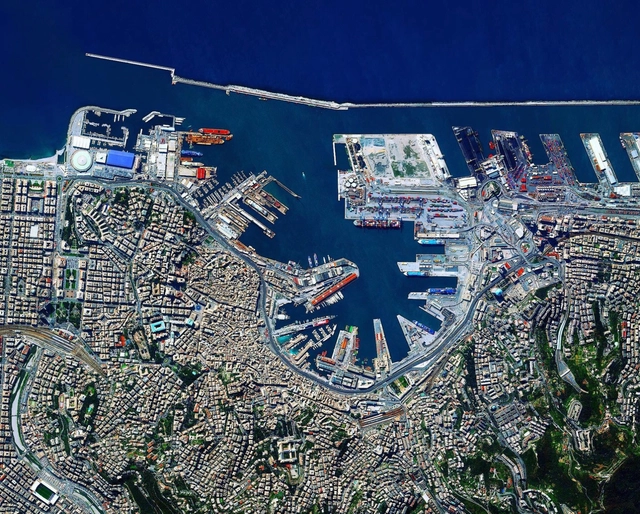
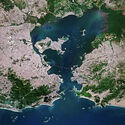
Genoa, Italy. Created by @dailyoverview. Image source: @maxartechnologies
The installation of commercial ports in various locations around the world, especially at the beginning of what we now call globalization, was a preponderant and structuring factor for the foundation of numerous cities. Thus, discussing the relationship between certain cities and their ports is also discussing their history, formation, and development over time, as these areas played a fundamental role in the growth of trade, the economy, and inevitably urban life, making these cities vital and strategic centers of cultural, commercial, and social exchange.
In architecture, drawing is a technical and artistic expression that involves creating visual representations using various analog instruments. While drawing remains relevant and current in practice today, efforts have been made to carry out architectural tasks and studies more efficiently. The drafting machine, a significant development in this regard, enabled precise strokes using fewer instruments. However, the emergence of computational tools, such as computer-aided drafting (CAD), has revolutionized the workflow by leveraging the advantages offered by computers. Architects can now play a more direct and creative role in the design process, reducing their reliance on time-consuming drawing and repetitive tasks. Moreover, workflow enhancements have fostered more effective collaboration among different stakeholders in the architectural process.
https://www.archdaily.com/1001757/generative-space-design-exploring-8-transformative-tools-in-architectureEnrique Tovar
The latest report from the UN’s climate panel states that the building industry accounts for 34% of global energy consumption and 37% of global CO2 emissions. As noted in the report: "The buildings and construction sector is not on track to achieve decarbonization by 2050." Dramatic numbers and rather depressing news. With this reality in mind, Danish window manufacturer VELUX recently set out to initiate a project to demonstrate that if the industry is willing to change, here and now, it’s possible. Together with their partners, Danish architect studio EFFEKT and engineer consultants Artelia, VELUX has built an experimental housing program called Living Places which exemplifies and proves that with current building technology and materials, a transition towards healthier and more sustainable living is already within reach.
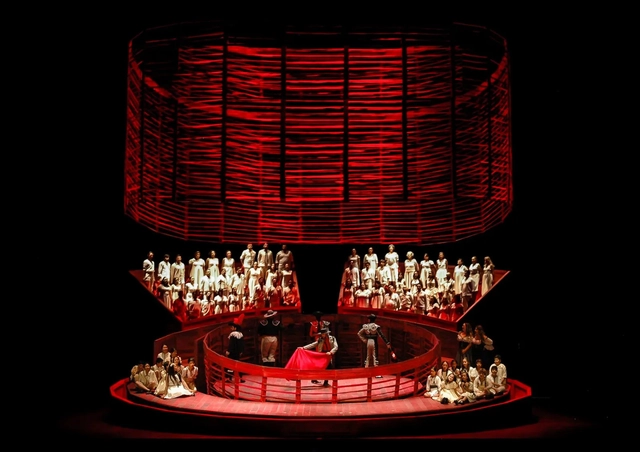
Theater is composed of multiple elements that help convey a desired concept. One of these is set design, which integrates various objects and techniques to build an atmosphere aligned with the narrative universe. In an interview with Erika Malo, Mexican set designer Jorge Ballina notes that the setting is not just a visual resource for the audience, but also helps actors step into their characters' shoes to effectively convey the intended message.
With an academic background in biological sciences, psychology, environmental engineering, and energy management, Salvador Rueda speaks with ArchDaily in Costa Rica about sustainable mobility, urban planning, and the implementation of superblocks in Barcelona.
https://www.archdaily.com/1136533/salvador-rueda-in-the-city-the-public-and-the-private-must-work-togetherArchDaily Team
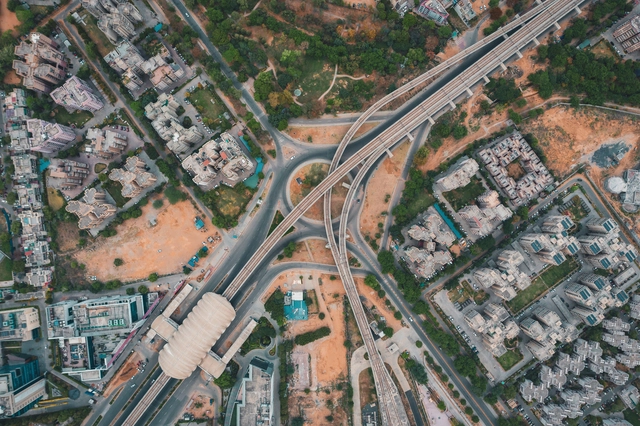
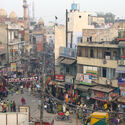
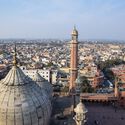
India has witnessed a surge in urbanization and population growth. As a result of natural population growth and migration, the megacities of India have experienced a continual increase in their residents. Standing as the most populous country in the world, India is at a critical junction, grappling with opportunities and challenges in molding its built environment. Population boom, however, is not a recent predicament but a persistent one that has spanned over a century. How have Indian cities dealt with population growth and the complexities it brings?
The selection of windows and doors plays a key role in the development of any architectural project, as it can significantly influence the final appearance of a building. A well-informed choice can convey values of modernity, craftsmanship, and elegance. On the other hand, inadequate specification can lead to problems such as air leakage, energy loss, and a less visually appealing aesthetic. It is also worth mentioning that windows and doors constitute a substantial part of a project's budget, which requires meticulous consideration. In this article, we examine four different residential projects, highlighting how their floor-to-ceiling glass sliding system effectively meets the needs of the residents and enhances their quality of life.
This year, the UIA World Congress of Architects gathers professionals from the construction industry to the Danish Capital to discuss and promote more sustainable ways of practicing architecture. This edition of the congress, happening between July 2nd and 6th, is centered around the UN 17 Sustainable Development Goals, highlighted by the overarching theme “Sustainable Futures – Leave no one Behind.” The world’s largest architecture congress offers a vast program of keynote dialogues, new findings presented on the science track, Next Gen sessions, workshops, exhibitions of new materials, and political talks. The packed schedule also includes the Obel Award Talks on the theme “Wellbeing Through Architecture”, Velux Daylight Talks, and Realdania Talks.
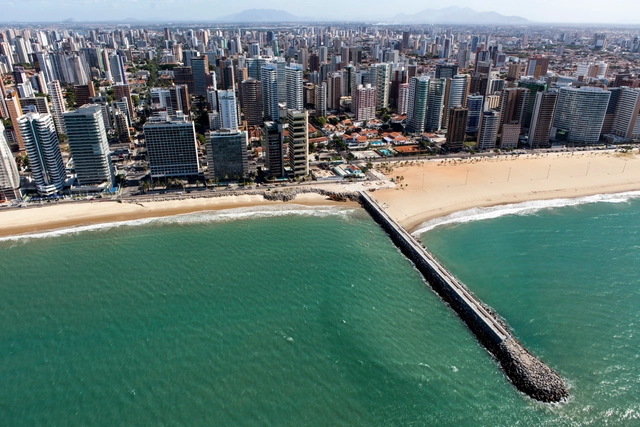
Fortaleza, Ceará. Photo: Arthur Fonseca, CC BY 3.0 BR, via Wikimedia Commons
To help celebrate World Bicycle Day on June 3, ten cities worldwide received a major boost: they were selected to receive key support for building innovative cycling infrastructure and sustainable mobility options for their residents. The Bloomberg Philanthropies initiative is called BICI, short for the Bloomberg Initiative for Cycling Infrastructure.
Fortaleza, Brazil, will receive a special prize of US$1 million. Addis Ababa, Ethiopia; Bogotá, Colombia; Lisbon, Portugal; Milan, Italy; Mombasa, Kenya; Pimpri-Chinchwad, India; Quelimane, Mozambique; Tirana, Albania; and Wellington, New Zealand, will each receive US$400,000 in funding.
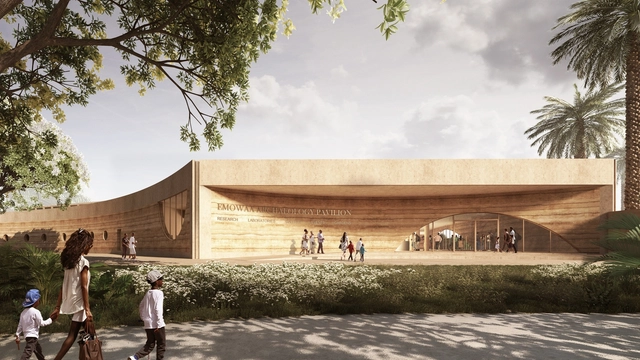
The Museum of West African Art (MOWAA) has just unveiled a 20-acre project for a Creative District in the historic center of Benin City in Edo State, Nigeria. MOWAA, in collaboration with Adjaye Associates, is planning to establish a comprehensive environment dedicated to the artistic and cultural realms of the past, present, and future. The space provides support and collaboration opportunities for young professionals in the creative and cultural fields while also fostering partnerships with institutions throughout West Africa. At the heart of the project is the Creative District’s role in contributing to economic growth and development.
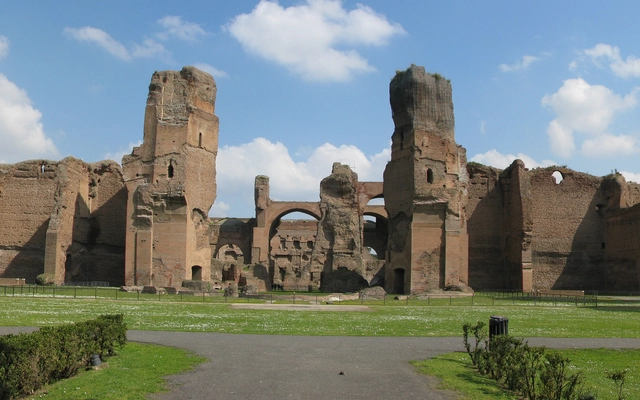
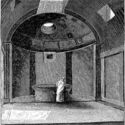
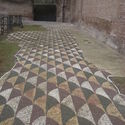
Within the canonical architecture, Vitruvius' treatises are the first treatises known. In addition to discussing the intellectual and cultural formation, interests, and sensitivity of the architect, or the "sacred" triad of architecture - venustas, firmitas, and utilitas (beauty, solidity, and functionality) - the treatise describes a design method, a kind of manual for Roman construction at the time. Complex and sophisticated, Roman architecture presented a variety of buildings with several functions. Among them were thermal baths, which did not escape Vitruvian prescriptions.
Under the titles of Optimism and Instability, this year’s global index score has returned to pre-Covid-19 days, highlighting that the world has fully recovered from the pandemic. Ranking living conditions in 173 cities based on stability, health care, culture and environment, education, and infrastructure, the survey suggests that nowadays, “life in cities is a bit better than at any time in the past 15 years”, although Stability scores dropped on average in 2023, due to worldwide clashes, political disruptions, social protests, inflation, and wars.