ArchDaily
Built Projects
Built Projects
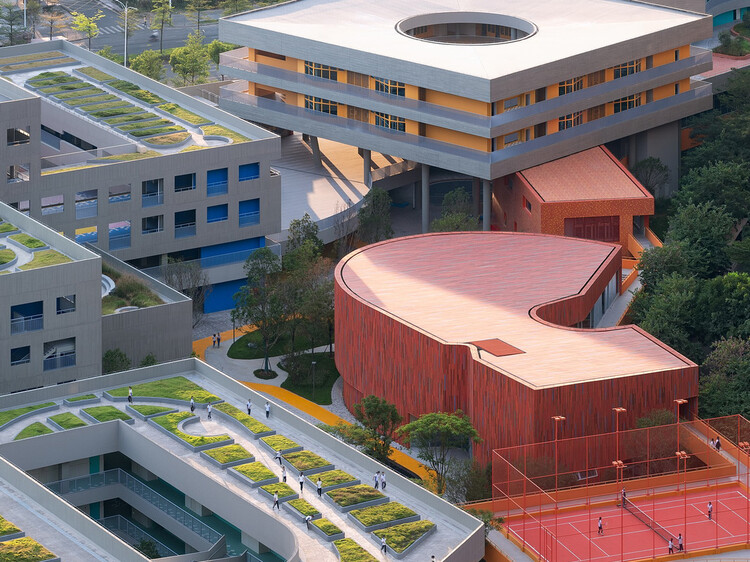
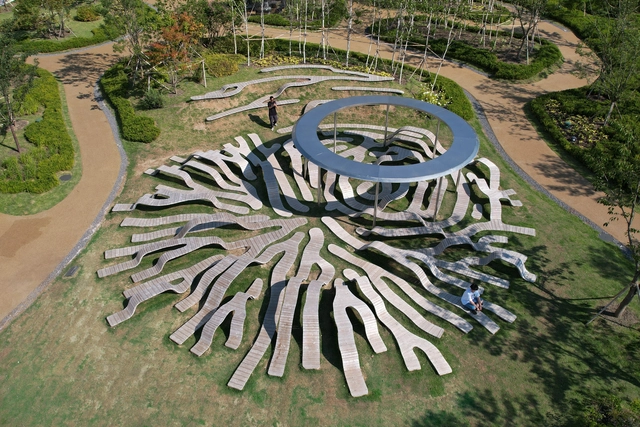
© TAL + 27
Area
Area of this architecture project
Area:
73511 m²
Year
Completion year of this architecture project
Year:
2024
Professionals:
H&J International Co., Ltd. , Shenzhen KEDE Co., Ltd. , Shenzhen Qianhai Future City Technology Co., Ltd. , Anda Kitchen Design Co., Ltd , Shenzhen Zhong Ji Green Building Co., Ltd. , +3
https://www.archdaily.com/1035821/weilong-school-meng-yan-urbanus Valeria Silva
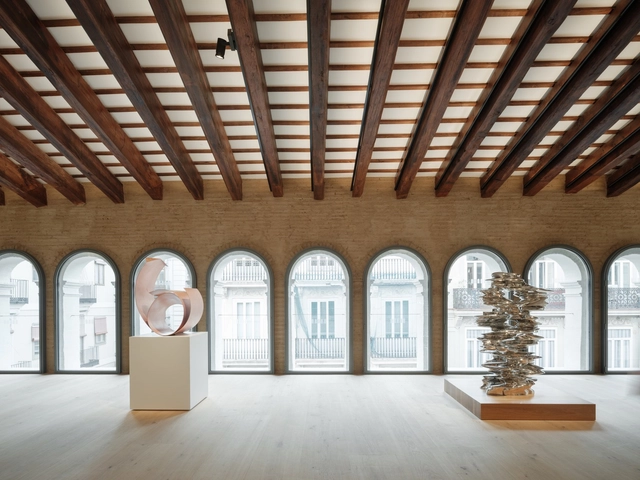
https://www.archdaily.com/1013611/hortensia-herrero-art-center-erre-arquitectura Pilar Caballero
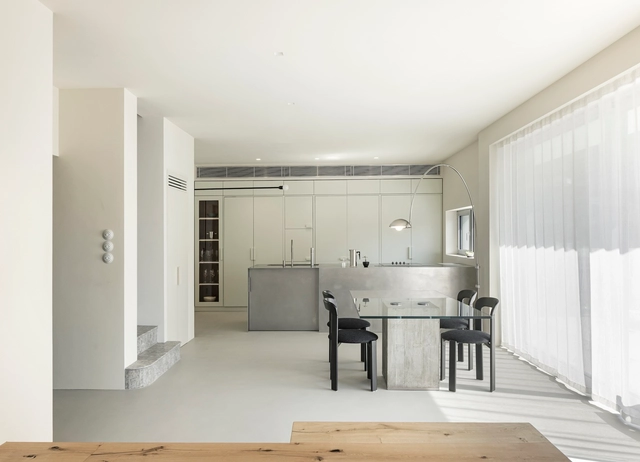
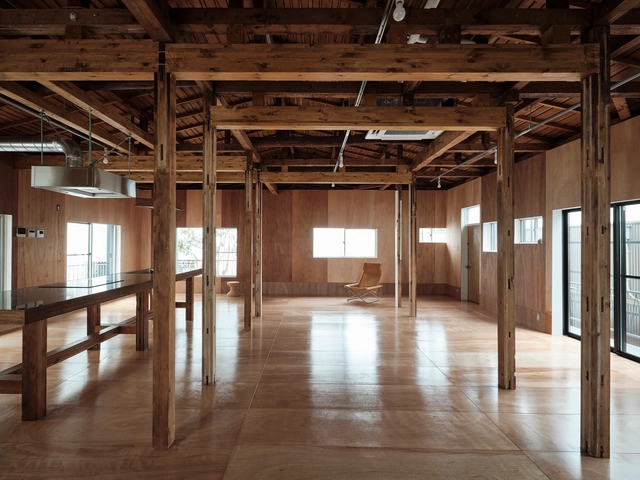
https://www.archdaily.com/1036076/atelier-jeumeu-cov-studio Miwa Negoro
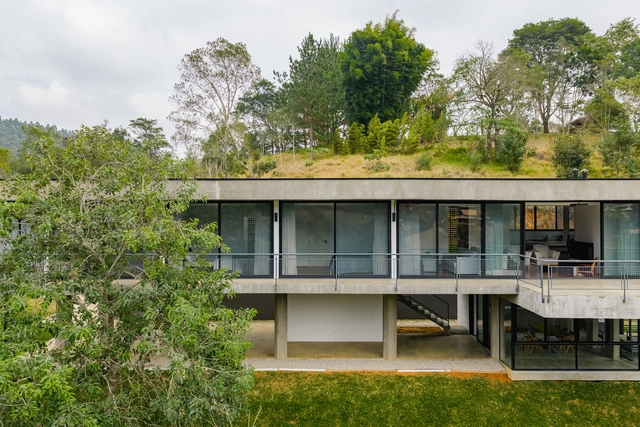
https://www.archdaily.com/1035929/forest-house-rawi-arquitetura-plus-design Susanna Moreira
https://www.archdaily.com/1034571/attic-ant-pineda-monedero Valentina Díaz
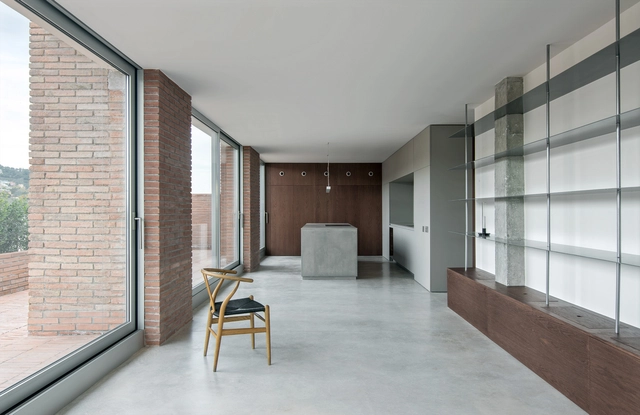
https://www.archdaily.com/1036053/house-in-the-woods-tom-lontine-architect Hadir Al Koshta
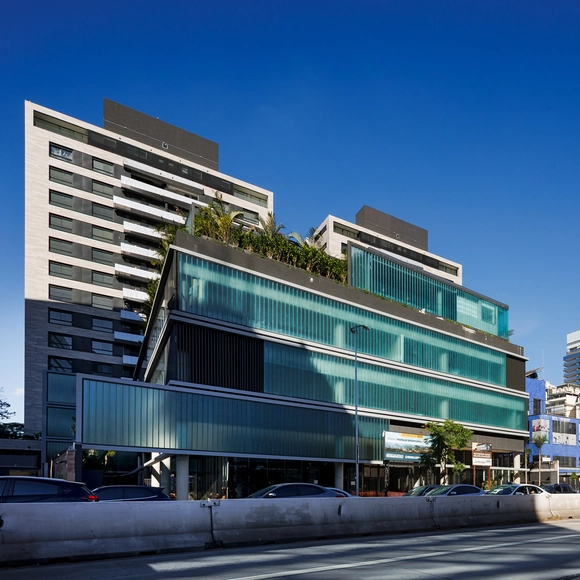
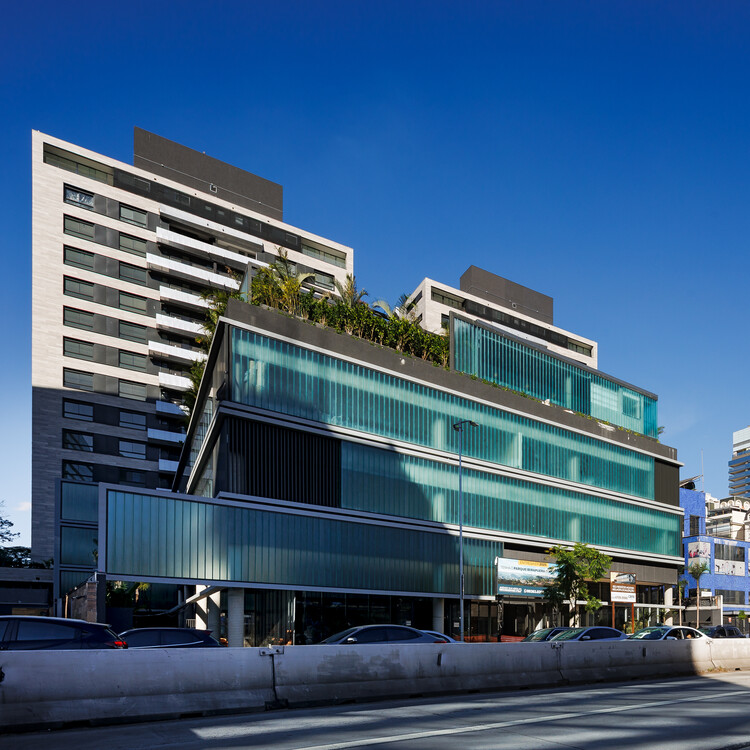
https://www.archdaily.com/1151986/parkview-building-aflalo-gasperini-arquitetos Susanna Moreira
https://www.archdaily.com/1154501/rehabilitation-of-the-bairro-do-cerco-buildings-in-porto-virginio-moutinho-arquitectos-plus-jose-gigante-arquitecto Pilar Caballero
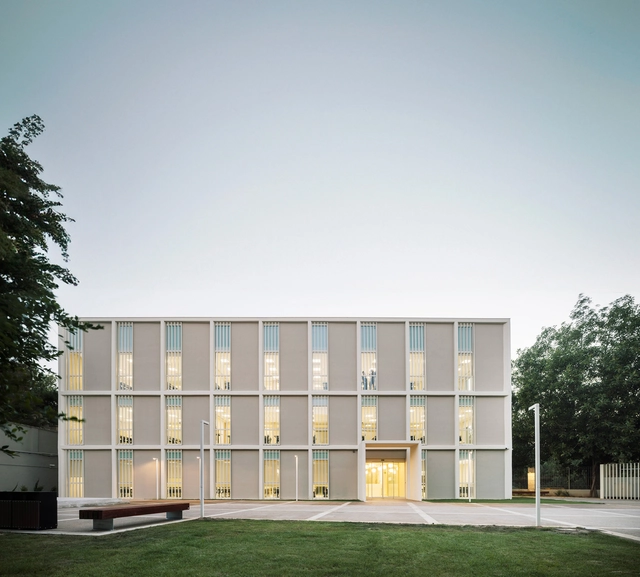
https://www.archdaily.com/1030763/european-university-turia-campus-ramon-esteve-estudio Pilar Caballero
https://www.archdaily.com/1068437/cachagua-ii-housing-par-arquitectos Valentina Díaz
https://www.archdaily.com/1036020/pencil-house-architecture-studio-yein Miwa Negoro
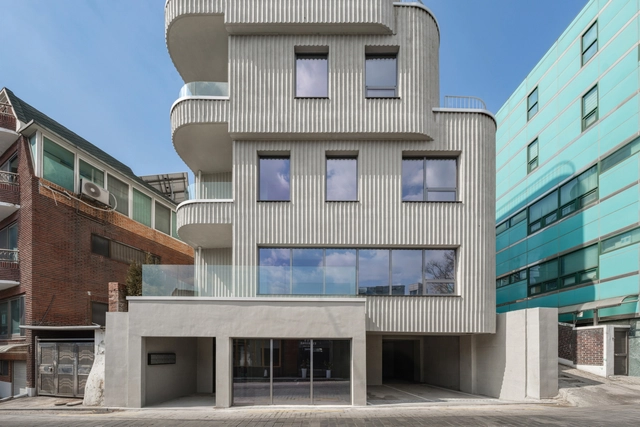
https://www.archdaily.com/1035971/stack-johanjun-architects Miwa Negoro
https://www.archdaily.com/1021355/commercial-space-in-minato-roovice Hana Abdel
https://www.archdaily.com/1035835/sap-house-estudio-brasileiro-de-arquitetura-plus-atelie-au Susanna Moreira
https://www.archdaily.com/1035456/island-retreat-the-ranch-mine Hadir Al Koshta
© Jonas Bjerre-Poulsen + 34
Area
Area of this architecture project
Area:
360 m²
Year
Completion year of this architecture project
Year:
2024
Manufacturers
Brands with products used in this architecture project
Manufacturers: Dinesen LEMA St. Leo Interiors , Ancher Studio , Audo , +11 Brdr. Kruger , DUX , Karimoku , Kolon , Kronos , Linie Design , Massimo , Noba , One Mario Sirtori , Vena Copenhagen , Vola -11 https://www.archdaily.com/1035782/guest-house-no-16-norm-architects Pilar Caballero
https://www.archdaily.com/1068580/house-in-besteiros-rasura-arquitetos Susanna Moreira
https://www.archdaily.com/1036018/villa-sipat-and-sauh-arkana-architects Miwa Negoro
https://www.archdaily.com/1035722/hotel-plus-social-meii-estudio Valentina Díaz
https://www.archdaily.com/1065837/binome-house-gon-architects Valentina Díaz
https://www.archdaily.com/1036024/tide-bound-house-peter-braithwaite-studio Hadir Al Koshta
https://www.archdaily.com/1035959/reaction-field-yong-ju-lee-architecture Miwa Negoro
https://www.archdaily.com/1035816/shanghai-business-school-caobao-road-campus-simply-converted-gmp-architects Pilar Caballero
https://www.archdaily.com/1035946/fluted-volume-studio-uf-plus-o Pilar Caballero
Did you know? You'll now receive updates based on what you follow! Personalize your stream and start following your favorite authors, offices and users.