Daniela Andino

Daniela Andino is an Ecuadorian architect and designer, graduated from Syracuse University. Her work explores the intersections between architecture, technology, and culture through writing, research, and creative practice. IG: @daniandinoo

BROWSE ALL FROM THIS AUTHOR HERE

Community-Centered Architecture: Redefining the Role of Architects in South America

Subscriber Access | 

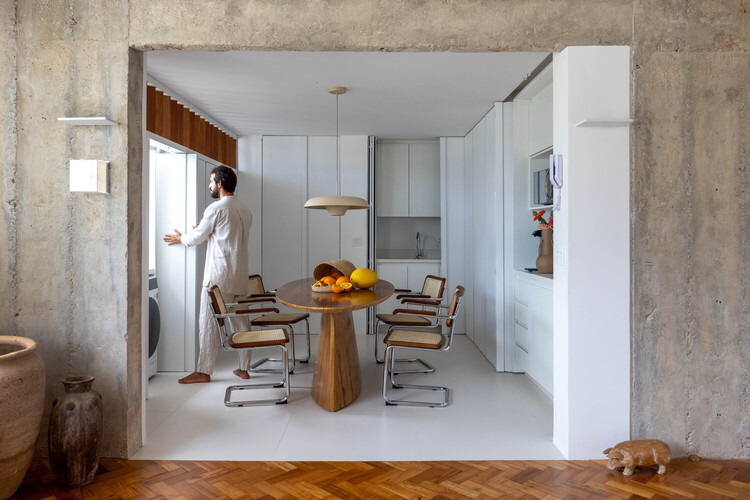
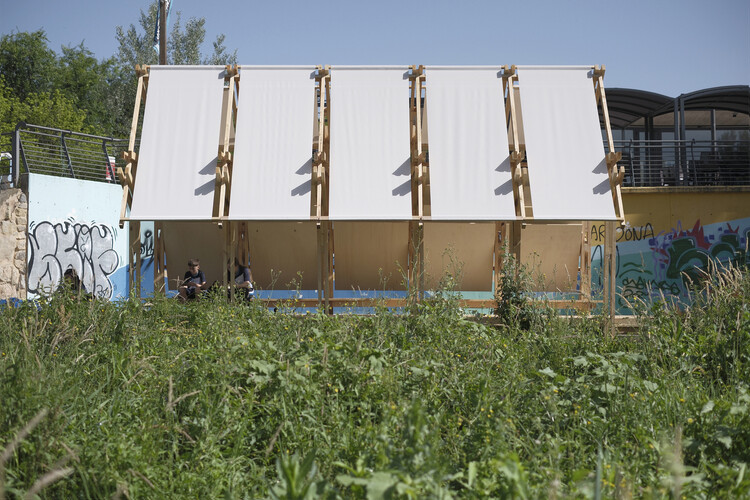
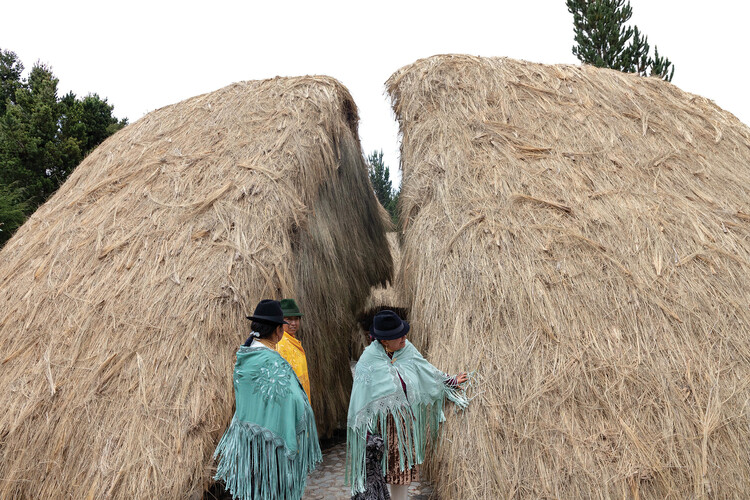
Across South America, architecture is increasingly being understood as a collective act. Rather than imposing external views, many studios and designers are building with and for communities, learning from their local practices, materials, and ways of inhabiting. These projects are repositioning the architect's role from an author to a facilitator, transforming design into a participatory process that centers collaboration, care, and mutual respect.

What unites these efforts is not style or scale, but a shared belief: architecture emerges from collective dialogue, not imposition. From rural Ecuador to the urban peripheries of Brazil, Colombia, and Paraguay, these projects reveal how social engagement and local making produce spaces that are sustainable not only environmentally but also socially. They respond to inequality not through top-down solutions, but through co-authorship, offering spaces that reflect the needs, knowledge, and agency of the people who use them.

Community-Centered Architecture: Redefining the Role of Architects in South America - More Images+ 15

From Concrete to Cultivation: How AI and Robotics Are Rewriting Architecture’s Material Logic

Subscriber Access | 

Architecture has entered a pivotal moment. As cities continue to grow under the weight of climatic and social pressures, the materials and systems that shape them are being redefined. Artificial intelligence and robotics, once used to accelerate construction processes, are now being rethought as tools for cultivation. Printed structures that grow, breathe, and decay. Cultivation, in this context, refers to designing with biological materials, where growth and decay are active parameters, merging digital precision with ecological intelligence. This evolution shows the shift from efficiency to empathy, where architecture becomes an agent of active repair. The introduction of mycelium and other natural materials into 3D printing presents a new paradigm in architecture: the logic of the living. A place where computation and fabrication meet biological adaptability.

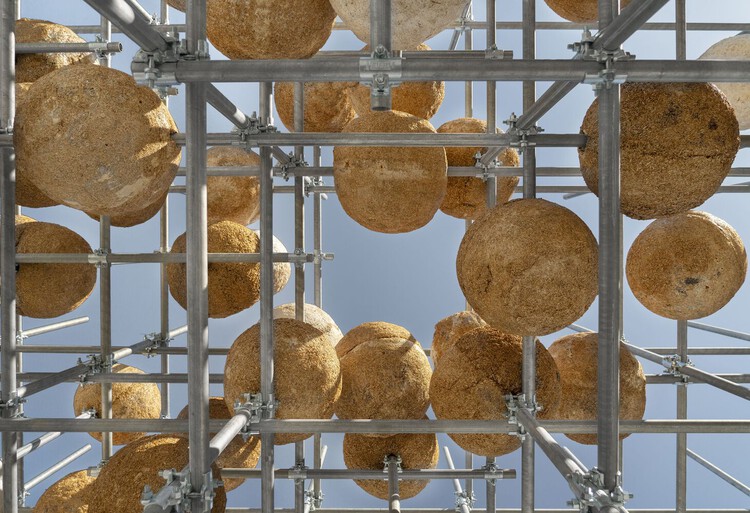
AI and robotics, once associated with industrial efficiency, are now opening new ways of designing. Early examples, such as ICON's 3D-printed housing prototypes, focused on speed and automation but offered little response to their surroundings. Newer projects, such as the MycoMuseum at the 2025 Venice Architecture Biennale, reinterpret these tools through a biological lens. Instead of shaping concrete, they cultivate living materials, marking a shift from pure optimization toward regeneration.

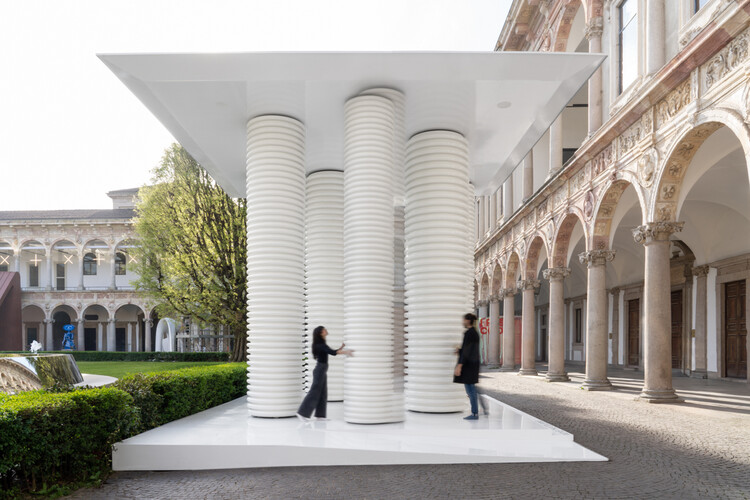
From Concrete to Cultivation: How AI and Robotics Are Rewriting Architecture’s Material Logic - Imagen 1 de 4From Concrete to Cultivation: How AI and Robotics Are Rewriting Architecture’s Material Logic - Imagen 2 de 4From Concrete to Cultivation: How AI and Robotics Are Rewriting Architecture’s Material Logic - Imagen 3 de 4From Concrete to Cultivation: How AI and Robotics Are Rewriting Architecture’s Material Logic - Imagen 4 de 4From Concrete to Cultivation: How AI and Robotics Are Rewriting Architecture’s Material Logic - More Images+ 9