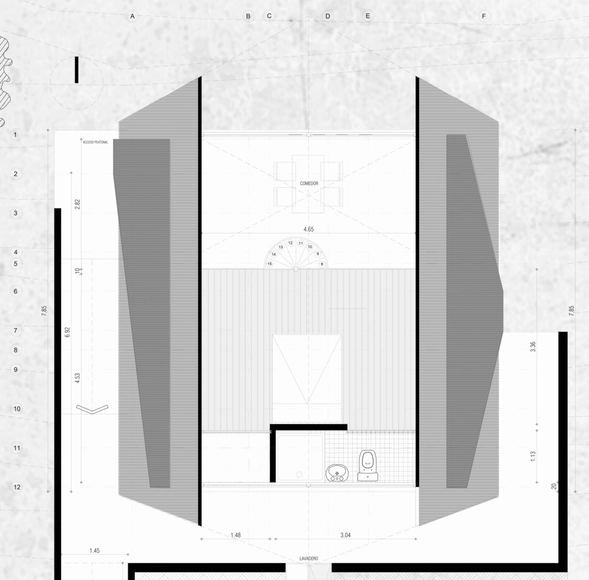
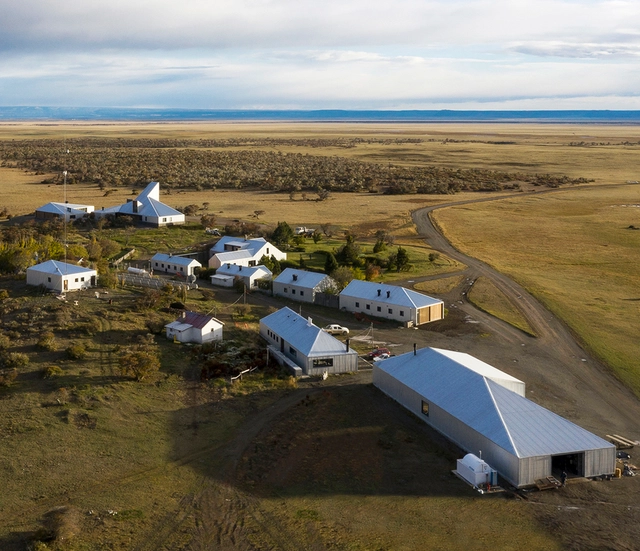
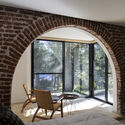
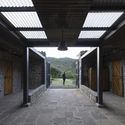
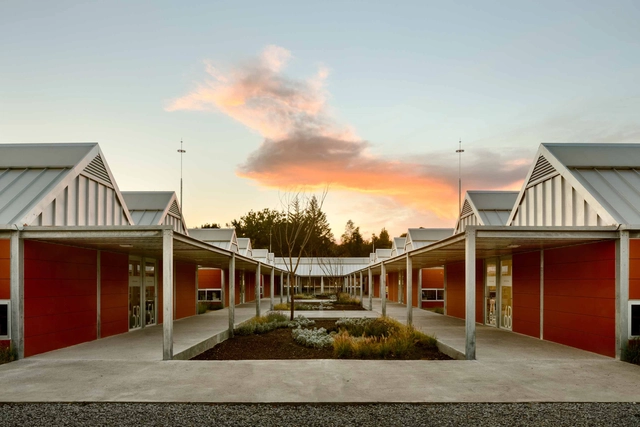
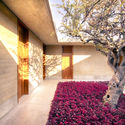
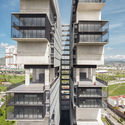
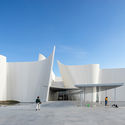
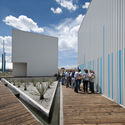
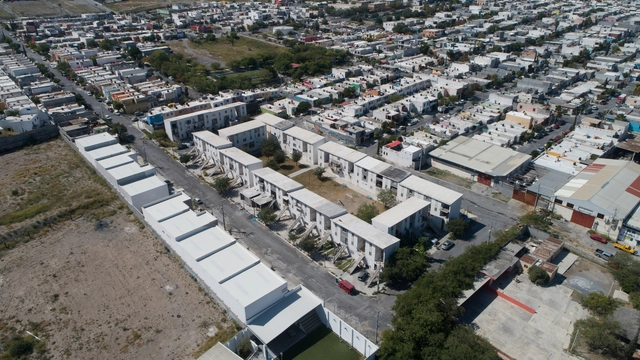
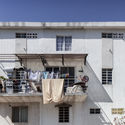
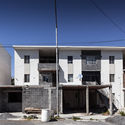
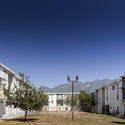
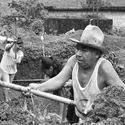
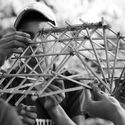
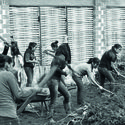
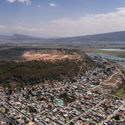
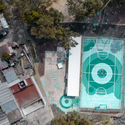
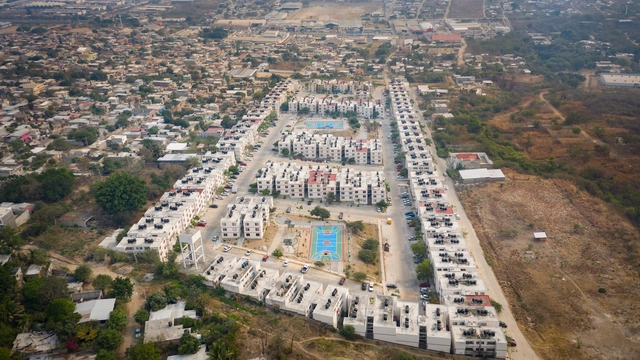
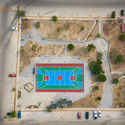
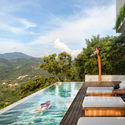
Rural Social Housing Plan / Estación Espacial Arquitectos
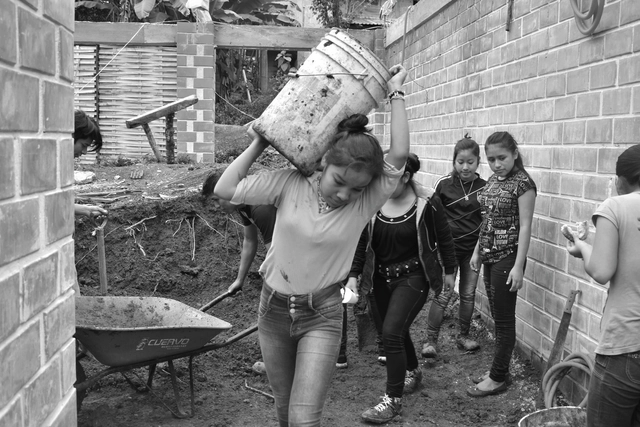
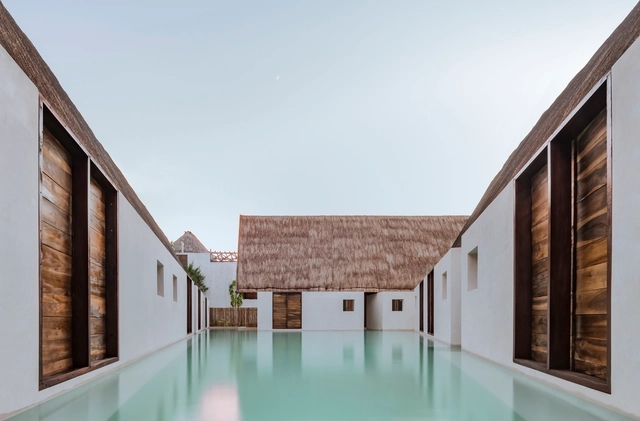
Cultural customs may vary infinitely across countries, but family life always brings celebrations and conflicts, regardless of origin. The pandemic has magnified these dynamics, particularly the challenges of sharing the same spaces for extended periods. What is the minimum square footage allowed in Latin American countries? Is this area truly sufficient?
In Latin American countries, the most common method for distinguishing rural areas from urban spaces is based on analyzing the number of residents in a given zone, classifying as "rural" any locality with a population under 2,000. In these contexts, low density and scattered development typically allow the natural landscape to predominate over the built environment.
The state of Puebla is located in the central highlands of Mexico, bordering the states of Tlaxcala, Hidalgo, Veracruz, Oaxaca, Guerrero, Morelos, and the State of Mexico. Covering an area of 34,251 km², it is one of the country's most densely populated states. Its capital is Puebla de Zaragoza, and it is one of the leading landlocked states for tourism, featuring 9 "Pueblos Mágicos" (Magical Towns) and 3 UNESCO World Heritage Sites.
Roma 212 is a multidisciplinary studio dedicated to architectural design, ephemeral installations, interiors, and urban planning. Its philosophy centers on experimenting with new materials, forms, and processes, aiming to renew and rethink architecture as a cultural catalyst.
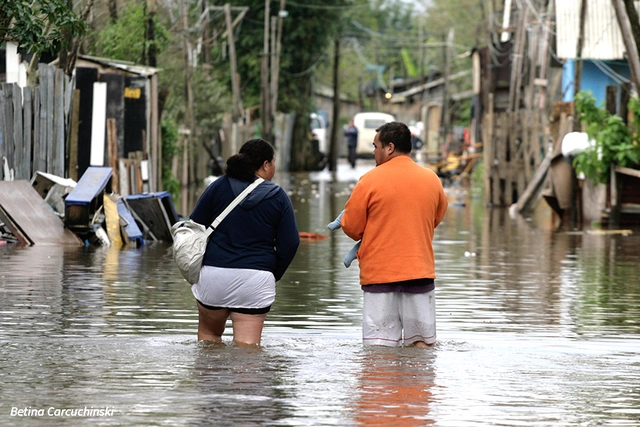
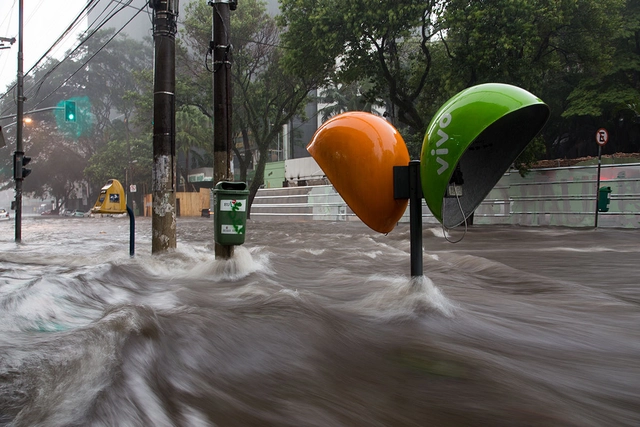
In recent days, a series of reports and articles correctly diagnosed the cause of the recent floods in the state capitals of Belo Horizonte, São Paulo and Porto Alegre, as well as in smaller cities such as Iconha, in Espírito Santo. The primary cause of these disasters was the urbanization of our cities—both planned and unplanned—which amplified the potential damage.
“Where the city ends should not be the question,” Alejandro Aravena has repeatedly stated in various lectures, “where it begins is the question we should try to understand.” In many Latin American countries, the concentration of wealth in urban environments has led to the explosion of cities and “metropolitan areas,” giving rise to complex challenges.
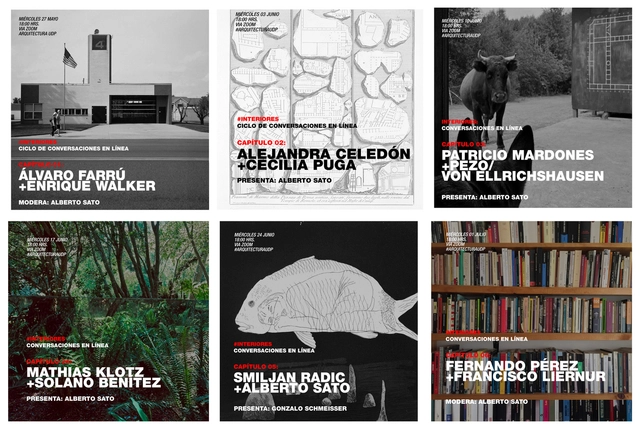
“Interiores: Conversaciones en línea” is the title of the series of virtual encounters organized by the Faculty of Architecture, Art, and Design at Universidad Diego Portales (UDP). In this first season, Professor Alberto Sato hosts meetings between renowned architects, including Álvaro Farrú and Enrique Walker, Alejandra Celedón with Cecilia Puga; Mardones with Pezo von Ellrichshausen; Solano Benítez with Mathias Klotz; Smiljan Radic with Alberto Sato; and Fernando Perez with Francisco Liernur.
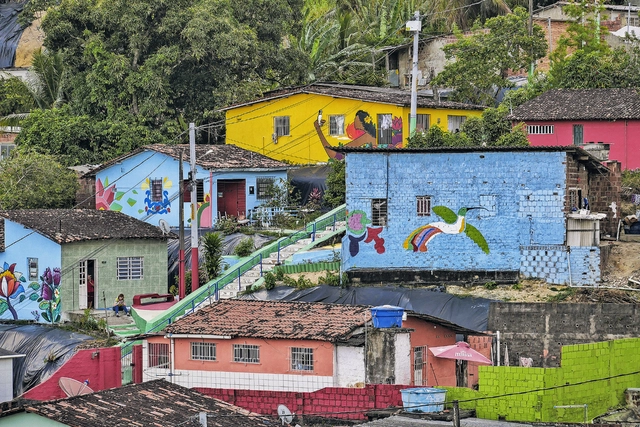
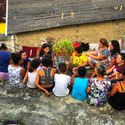
Mais Vida nos Morros is a public policy for citizenship and sustainable development in Recife's communities, conceived by the Executive Secretariat for Urban Innovation of the City of Recife. In partnership with the private sector, the program already serves residents across 49 areas in 27 communities in Recife, directly benefiting 25,000 people. Lagoa Encantada is one of the chapters in this story, shaped by a model of social cooperation.
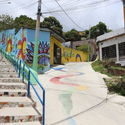
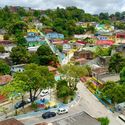
Located in the Ibura neighborhood of Recife, Pernambuco, Lagoa Encantada developed across both flatlands and hillsides. The area's topography directly impacted its urban conditions: while the flatlands enjoyed leisure spaces and infrastructure, the hillside lacked these amenities. This contrast directly influenced how residents interacted with one another and with their territory, serving as the starting point for the intervention process.
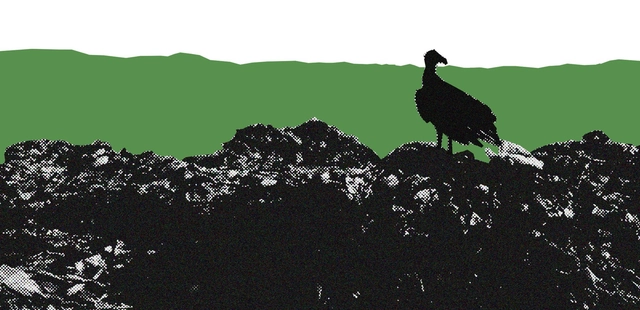
On World Environment Day, we ask you: Do you know where your household "trash" goes? How do cities deal with the tons of materials discarded daily? Should everything you throw "away" be wasted by being sent to landfills?
The coronavirus crisis has shown us that certain attitudes, policies, and practices must be abandoned if we want a different future—both socially and environmentally. However, this responsibility is not solely individual. To discuss the future of waste in cities, we must shed light on the thread of recent history: the formulation of the National Solid Waste Policy (PNRS), approved in 2010, and the challenges of its implementation.
Eric Coufal Impartiendo Dibujo. Aparecen de izq. a der. Alejandro Zohn, Alfonso Jaubert, Carlos Guillermo Orozco, André Bellón, Humberto Macías y Job Henández Dávila. Fotografía: Libro. La fundación de un sueño. Image Cortesía de coolhuntermx
This article is part of a collaboration with the website coolhuntermx, and was originally published under the title "La Bauhaus Tapatía."
"A sort of Bauhaus" is how Mathias Goeritz, in short, tried to convince Italian architect and theorist Alberto Sartoris to come to Mexico. In 1950, through letters, he invited him to teach at the very project that had drawn Goeritz in and excited him so much: the first School of Architecture of Guadalajara, founded in 1948 by Ignacio Díaz Morales.
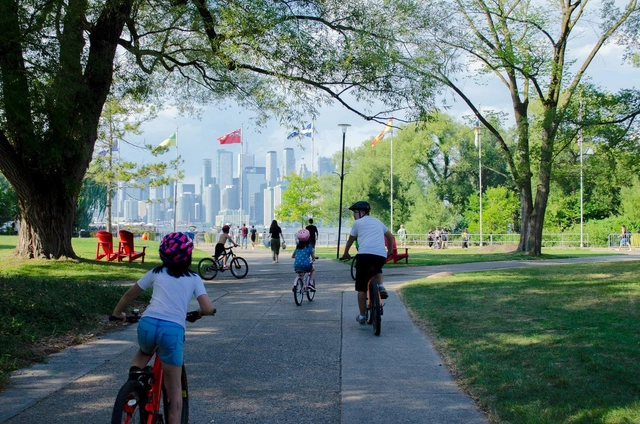
Children are often overlooked or entirely deprioritized in urban planning. Globally, it is estimated that up to 500 children die every day in traffic accidents. Thousands of others are injured in collisions or develop psychological trauma that can last for years. Whether on the streets or in public spaces, feelings of insecurity or discomfort discourage children from physical activity outdoors—at a time when 80% of children between the ages of 11 and 17 are not physically active, and another 38 million under the age of five are overweight or obese.
https://www.archdaily.com/1123822/how-to-design-safer-and-healthier-urban-spaces-for-childrenNikita Luke, Rohit Tak, Ariadne Samios e Claudia Adriazola-Steil
Rarely do we encounter an open-air fine arts museum like the Garden of Fine Arts, designed by Tadao Ando in 1994 for the city of Kyoto, Japan. Reproductions at various scales of renowned masterpieces appear among concrete columns, beams, and walls, along with ramps and glass bridges, interacting with cascading waterfalls and the background vegetation from the adjacent Botanical Gardens.
Pancho Gallardo, the Chilean architectural photographer now based in Madrid, has long admired the Japanese architect's work, particularly for, as he explains, "the use of concrete as an element that creates spaces, textures, angles, and shadows which, above all, in spaces like this open-air museum, establish a direct relationship with sunlight, where every corner becomes a dramatic composition of visual angles."
Below, he shares a series of photographs taken on-site, accompanied by more of his thoughts.
In light of recent statements by the Federal Government and the new programs announced by institutions involved in housing production in Mexico, we believe it is essential to open a dialogue and exchange ideas to better understand the concepts of self-construction, self-production, and the “Social Production and Management of Habitat” [SPMH], as well as the role of architecture in these social processes.
https://www.archdaily.com/1123823/the-role-of-architecture-in-self-construction-self-production-and-assisted-social-housing-productionMariana Ordoñez y Jesica Amescua
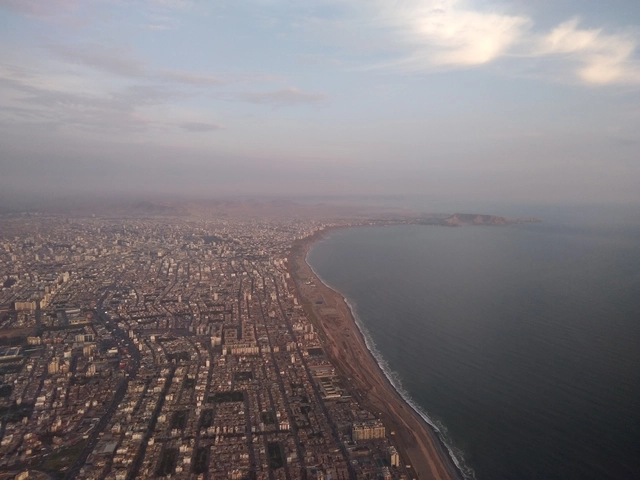
. ¿Cuándo será un gran espacio público? Costa Verde. Lima. . Image Cortesía de Humberto Viccina
After the state of emergency, nothing will return to the way it was. At that point, public and private spaces will routinely be occupied in ways that prevent transmission of a still-active virus. However, just as this situation has forced us to recognize our deficient healthcare system, it has also revealed how inadequate the spaces we inhabit often are.
In 2018, sociologist and cycling activist Marina Harkot defended her master's thesis Bicycles and Women at the University of São Paulo (USP). To develop a qualitative methodology examining the challenges faced by female cyclists in the city, she interviewed various women: those who bike to work, those who explore the city on two wheels, and those who love tackling the capital's rolling topography.
Her methodology succeeded in revealing a common thread among these diverse cyclists: “It is the network surrounding these women that seems to prompt them to start cycling and keep them riding — as well as female role models, the women (whether known to them or not) who ride and inspired them,” wrote the researcher.
Urban infrastructure. Photo by Denys Nevozhai, via Unsplash
When reality demands complex and unprecedented answers from us, one of the most interesting methods to find them is biomimicry, which consists of asking nature questions in search of inspiration. In this light, it is worth asking: how does nature deal with emergency situations where an organism's behavior must be quickly modified?
https://www.archdaily.com/1123556/the-intubated-city-also-needs-healingBarão Di Sarno
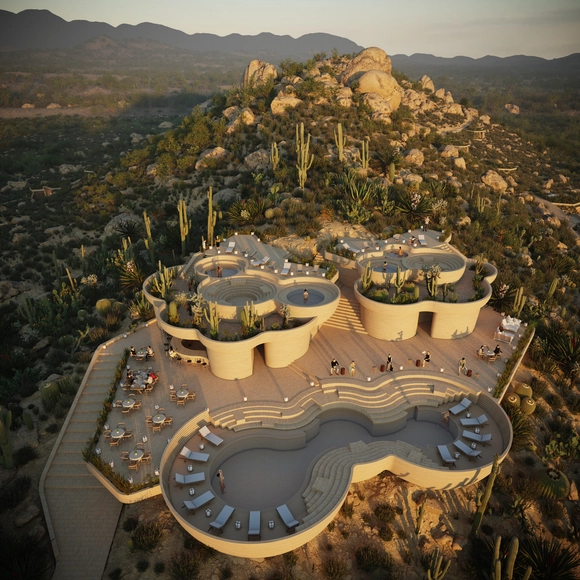
Rojkind Arquitectos + AmasA Estudio present a new project on a site named "Tres Cerritos" in Valle de Guadalupe, part of the wine route in the Francisco Zarco district of Ensenada, Baja California. The project arises from an understanding of nature's value and its historical use as a sanctuary and refuge, creating a hospitality concept that reconnects the visitor with the environment.
https://www.archdaily.com/1123562/rojkind-arquitectos-plus-amasa-estudio-present-the-ummara-project-located-in-valle-de-guadalupeArchDaily Team
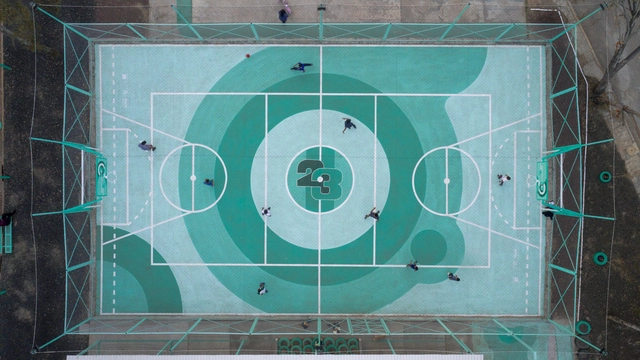
The “Xico-Parque Sur 23” project by the Mexican firm All Arquitectura grew out of the success of “Cancha La Doce,” which was developed in collaboration with love.fútbol and sponsored by the Pincus Family Foundation. Drawing on insights gained from previous projects on-site, the design and research process built upon an existing understanding of local needs and opportunities.
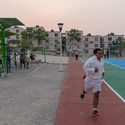
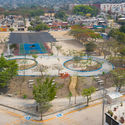
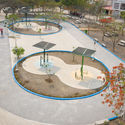
As part of an initiative by Infonavit to drive the recovery of three neighborhood parks in the city of Tuxtla Gutiérrez, Chiapas—“San Juan,” “Las Torres,” and “Canteras”—these housing developments lacked efficient infrastructure, resulting in a deteriorated urban image, high crime rates, and a complete lack of community ownership over public spaces. In response, T+E Arquitectos and Fracciona Arquitectura joined forces to transform these spaces, addressing the distinct requirements of each site.
One of the most important factors in design is the site's specific climate. This can pose a challenge in extreme weather, where insulating materials are required to adapt to changing conditions. However, in the case of Mexico and its privileged climate, this factor works to the architects' advantage, allowing them to create microclimates and spaces that blur the transition between indoors and outdoors.
In the daily routine of our conventional workday, we are influenced by many distractions that affect productivity, which have already become routine. However, now that we no longer lose time commuting and are restricted to activities we can do at home, we manage our time with more holistic priorities.
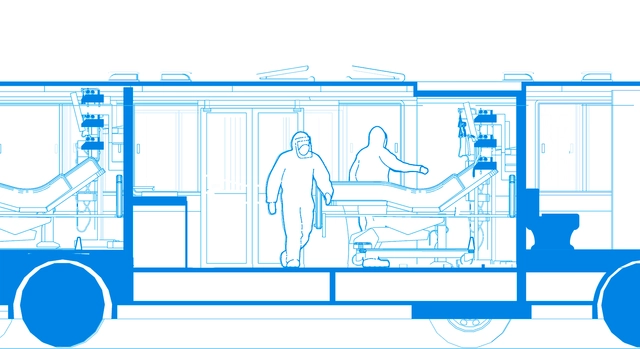
The Bogotá-based firm 57Uno focuses its practice on sustainability and has now channeled its creativity toward resilience and adaptability through Arquitectura en Tránsito (Architecture in Transit). This proposal aims to address the health emergency caused by COVID-19 by repurposing decommissioned buses from one of the primary contributors to poor air quality in the Colombian capital.
This article is part of a collaboration with the website coolhuntermx. It was originally published on February 2, 2020, under the title "Un parque moderno para Guadalajara" and written by David Lozano Díaz.
In 1971, architect Fernando González Gortázar, at 29 years of age, was commissioned to build González Gallo Park. This commission served a dual purpose: to commemorate the late former governor José de Jesús González Gallo and to provide a substantial new public space for the developing neighborhoods in eastern Guadalajara.
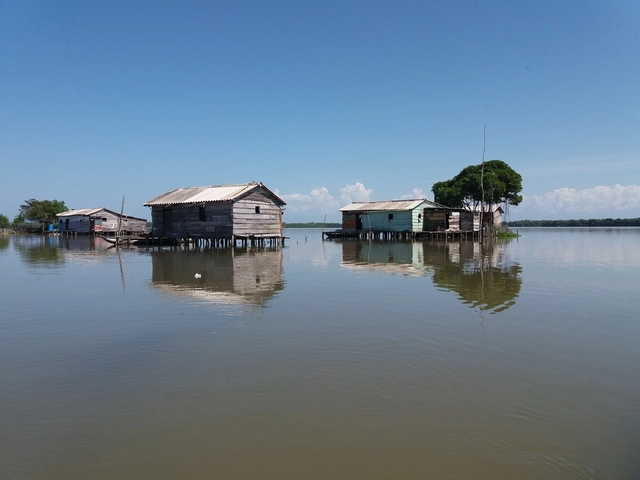
Stilt settlements have existed throughout the world wherever populations sustain their lives through constant interaction with water. In Colombia, the settlements of the Ciénaga Grande de Santa Marta, in the department of Magdalena, are a local benchmark that has endured since pre-Hispanic times. Today, these are informal dwellings, unrecognized in the official land registry. The Pontificia Universidad Javeriana and AGRA have shared their research, compiled in a book that supports the documented formalization of these dwellings using architectural representation standards, specifically by identifying the typologies of Nueva Venecia.
Photo by Fernando Stankuns on Visualhunt / CC BY-NC-SA
Recent floods in Belo Horizonte and other cities in Minas Gerais have alarmed residents. Videos showing the force of the torrents dragging cars and toppling structures shocked the entire country. This state of emergency was not confined to Minas Gerais. Much of the Southeast faced heavy rains, causing widespread disruption. In Espírito Santo, for instance, more than 5,000 people were forced to leave their homes, while São Paulo was placed on high alert for flooding. Meanwhile, in Rio de Janeiro, an algae bloom in water sources led to the opposite extreme: a water crisis triggered by the poor quality of the water reaching people's taps.
https://www.archdaily.com/1123688/natural-infrastructure-can-prevent-disasters-like-the-floods-in-minas-gerais-and-sao-pauloWRI Brasil