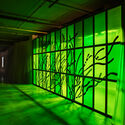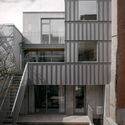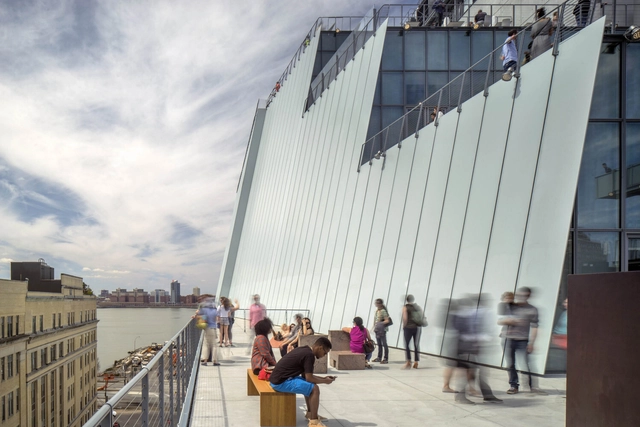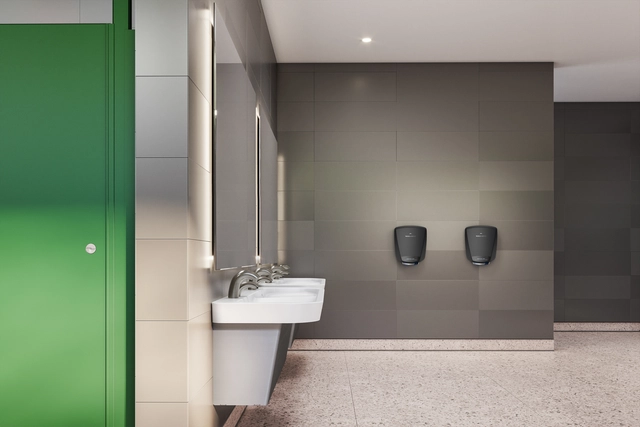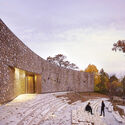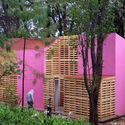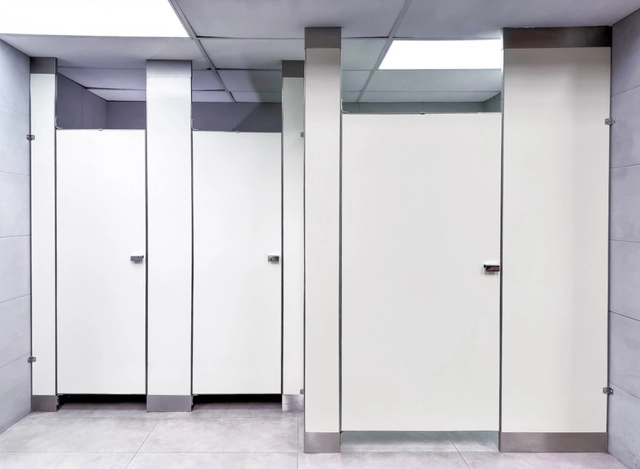
The design of public restrooms has historically been linked to satisfying a common need for hygiene, health, and well-being in communities. By condensing different spaces, materials, and sanitation elements within their typologies, the architecture of public restrooms has adapted to contemporary demands for hygiene, care, and aesthetics. From sinks, toilets, and drinking fountains to partition systems, showers, changing tables, or lactation rooms, these features shape the dynamics of these spaces. Whether in airports, parks, clinics, hotels, or other sites, these elements aim to provide privacy and comfort, deliver efficient cleaning solutions, and integrate accessibility criteria across all components, supported by contemporary tools and technologies.