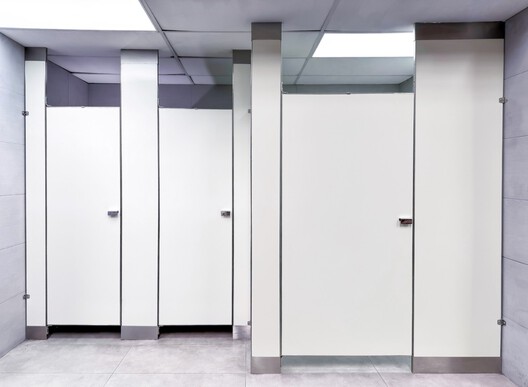
The design of public restrooms has historically been linked to satisfying a common need for hygiene, health, and well-being in communities. By condensing different spaces, materials, and sanitation elements within their typologies, the architecture of public restrooms has adapted to contemporary demands for hygiene, care, and aesthetics. From sinks, toilets, and drinking fountains to partition systems, showers, changing tables, or lactation rooms, these features shape the dynamics of these spaces. Whether in airports, parks, clinics, hotels, or other sites, these elements aim to provide privacy and comfort, deliver efficient cleaning solutions, and integrate accessibility criteria across all components, supported by contemporary tools and technologies.
Within the framework of urban design, public restrooms have been closely tied to the evolution of cities. Considering that indoor plumbing and water management were once luxuries in many parts of the world, shared public restrooms became vital components of urban life. For instance, the film Perfect Days, directed by Wim Wenders, focuses on capturing the essence of Tokyo through its public restrooms, which are a significant part of the city's daily culture. By harmonizing with their surroundings, promoting universal accessibility, exploring different materials and technologies, and contributing to the landscape as architectural objects, modern public restrooms address more than just essential needs—they reflect how architecture and design can elevate the experience and quality of these spaces.


