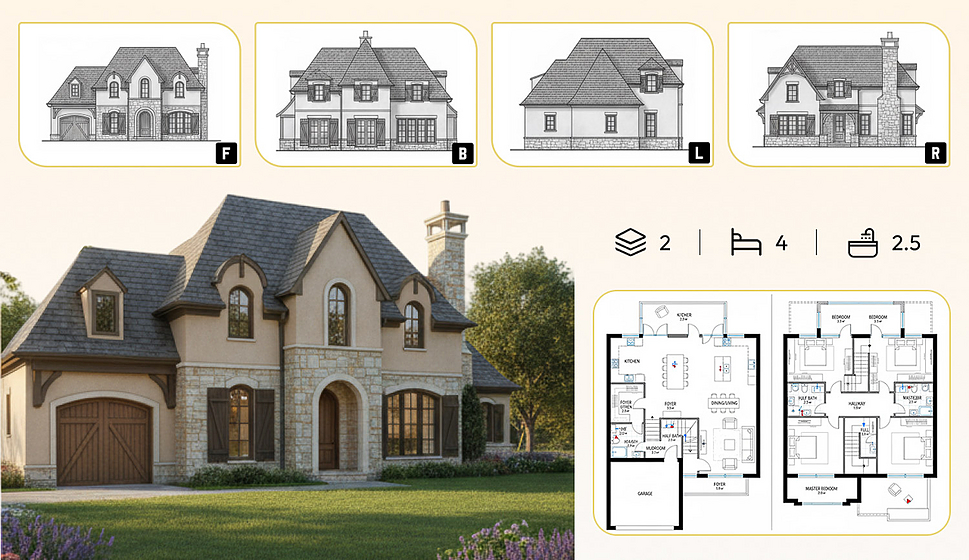
This guide covers a workflow that moves from project parameters to generated floor plans, 3D perspective views, exterior design exploration, and site context visualization, using AI tools in place of preliminary CAD and rendering work.
This guide covers a workflow that moves from project parameters to generated floor plans, 3D perspective views, exterior design exploration, and site context visualization, using AI tools in place of preliminary CAD and rendering work.
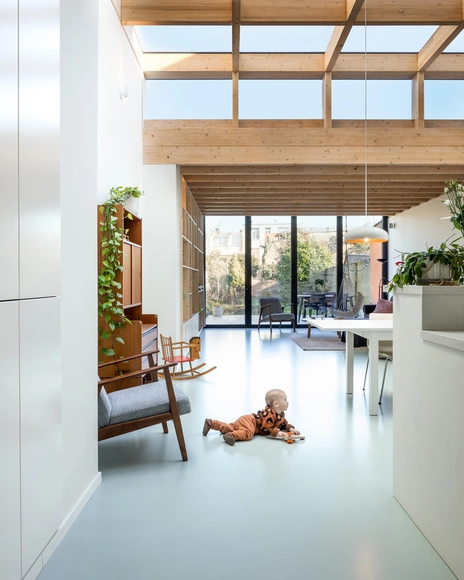
Cooking shows have never been more popular around the world than they are now. Whether from recipes, reality shows, or documentaries, writer Michael Pollan points out that it is not uncommon to spend more time watching than preparing our own food. This is a very curious phenomenon, as we can only imagine the tastes and smells on the other side of the screen, which the presenters often like to remind us. At the same time, when we watch something about the Middle Ages, polluted rivers, or nuclear disasters, we are relieved that there is no technology to transmit smells across the screen. In fact, when dealing with odors (more specifically the bad ones), we know how unpleasant it is to be in a space that doesn't smell good. When dealing with buildings, what are the main sources of bad smells and how can this affect our health and well-being?
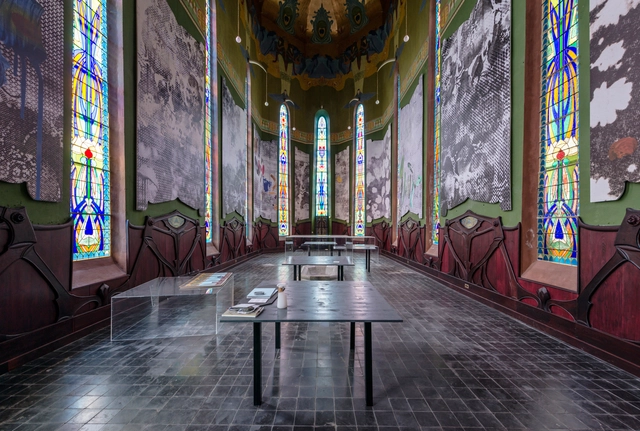
Situated on the Mediterranean port of Agde, France, the eclectic Laurens castle holds a history as rich as its architecture. Emmanuel Laurens, owner and architect of the villa, gathered inspiration from countries all over the world to create his masterpiece. Photographer Romain Veillon visited the castle ahead of its renovation and captured the architectural collages present inside it.
This article was originally published on Common Edge.
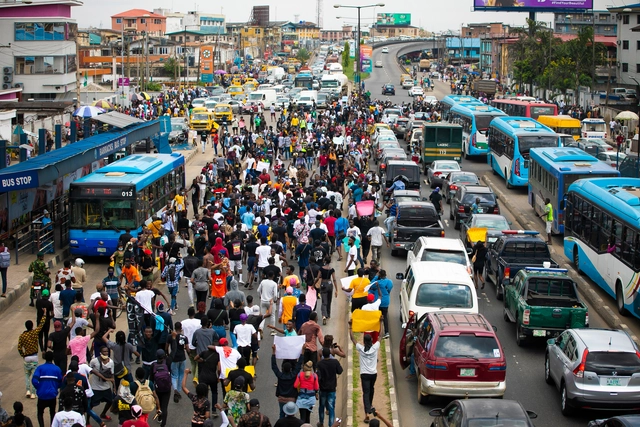
For the past two weeks, cities across Nigeria were hit by protests against the notorious Special Anti-Robbery Squad (SARS), a police unit setup in 1992 to fight armed robberies. The anti-SARS protesters are calling for the unit’s disbandment, due to its high-handedness, extra-judicial killings, extortion, and numerous human rights abuses.
Tragically, the protests came to a brutal climax on October 20, with the shooting of protesters at the Lekki Tollgate by gunmen believed to be agents of the Nigerian state. This led to casualties, which are currently a subject of controversy: the Lagos State government concedes that two persons lost their lives; groups like Amnesty International insist the figures are much higher.


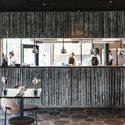
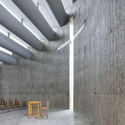
Although concrete is one of the most widely used building materials in the world, thanks to its durability, versatility, and weather resistance, we must not forget that the concrete industry is one of the largest CO2 emitters in the construction sector. Consequently, over the past few years, many architects have begun to experiment with new possibilities to optimize its performance, leveraging its technical advantages while seeking to address some of its environmental drawbacks. As a result, some designers have begun exploring the possibility of replacing traditional wooden formwork with more sustainable materials like bamboo—a plant that grows abundantly across most of the world and offers high-quality textured finishes with a low environmental impact.

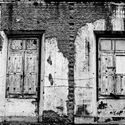
The abandoned city is a classic suspense setting, a place of terror and degeneration, a stimulating blend of danger and freedom. An ambience that ambiguously incites both repulsion and curiosity. A dark, hidden, and marginal space that seems to mourn, in its haunting silence, the void left by those who once lived there. Among its fragments scattered across the floor, fear, discovery, and the inevitable nostalgia for a past that is not necessarily one's own recreate stories of abandonment. Spaces that once had names, dates, and functions, now slowly decomposing in the solitude of the present.
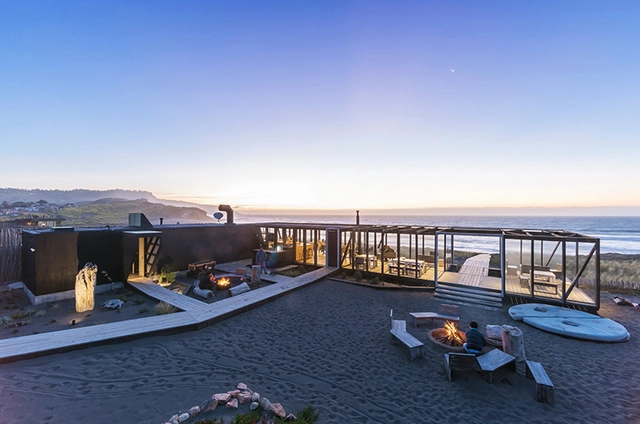
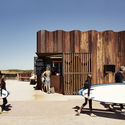
Surfing is both a sport and a way of life. As the art of he'e nalu, it mirrors design as a play between spatial experience and environment. Today, the commercial and cultural architecture of surfing has become increasingly common, designs that break away from iconic seaside homes and waterfront retreats to create new connections between the public, surfers and the ocean.

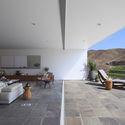
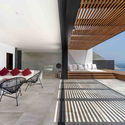
Peru, with its varied geography and vast array of natural resources, renders an architectural style that makes itself one with the landscape. In the country's three principal terrains —coast, mountain, and rainforest— there is little variation in temperature and the climate can be defined as either tropical or subtropical.
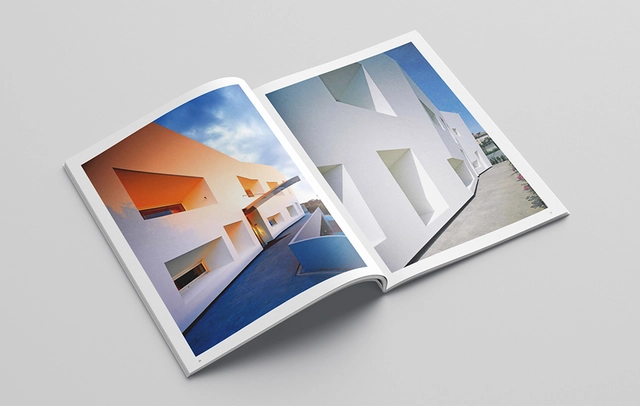
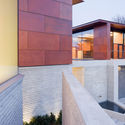
The new lookbook for architects by WIENERBERGER impressively presents the architectural quality of contemporary brick architecture: an award-winning and forward-looking source of material inspiration.

Parpend, a design studio from Lagos, Nigeria, interviews every year a group of architects to discuss their favorite projects and how they created them. Believing firmly that design should be a fusion of function and expression, statements are compiled in a publication in order to highlight the designers’ creative process to achieving good design.
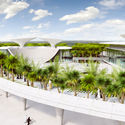
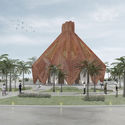
Entitled “PERSPECTIVE”, this edition of the report, destined for designers and non-designers alike, examines 4 projects with 3 designers: Seun Oduwole, Principal designer at SI.SA talks about the JK Randle Centre for Yoruba History and Culture, on Lagos Island; Tosin Oshinowo, Director at cmDesign Atelier discusses a Bahá’í temple competition and an art space for Victor Ehikhamenor, a prominent Nigerian artist. Moreover, James Inedu-George, Head of Design at HTL Africa explores a mosque contest.
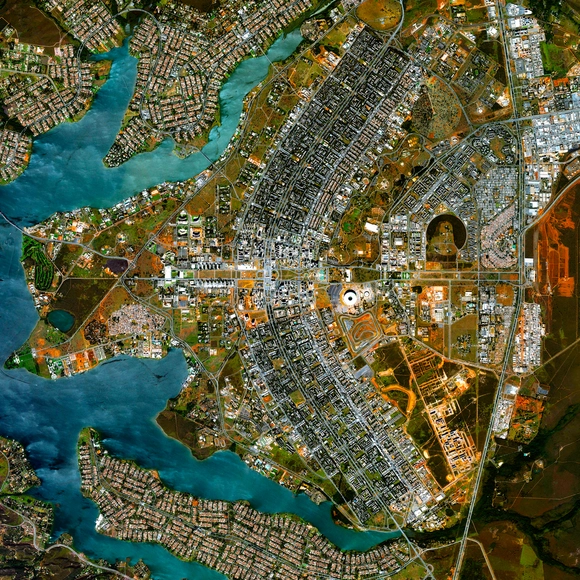
In 1972 Unesco created the World Heritage Convention linking together the concepts of nature conservation and the preservation of cultural heritage. Based on the understanding that sites and monuments are threatened with deterioration or disappearance over time, the organization determines that those of outstanding universal value deserve special protection from the dangers they are facing. Therefore, the efforts to identify, protect, preserve, and value the sites included on this list are meant to safeguard and pass the world's cultural and natural heritage on to future generations.

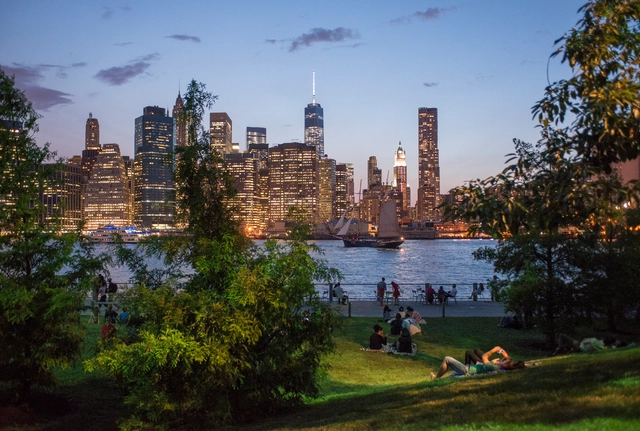
If you are in a place impacted by the COVID-19 pandemic, spending 20 minutes experiencing nature in a park, street, or even your backyard can significantly reduce your stress levels. Just be sure to follow federal, state, and local guidelines and maintain social distancing of 6 feet or 2 meters. But even if you cannot or are unable to go outside, taking a break by opening a window and looking at a tree or plant can also help de-stress.

Dauphin’s Fiore and Stilo ES chairs provide smart, colourful solutions for modern workspaces that, more and more, look to promote sharing and flexibility. Watch to find out more…
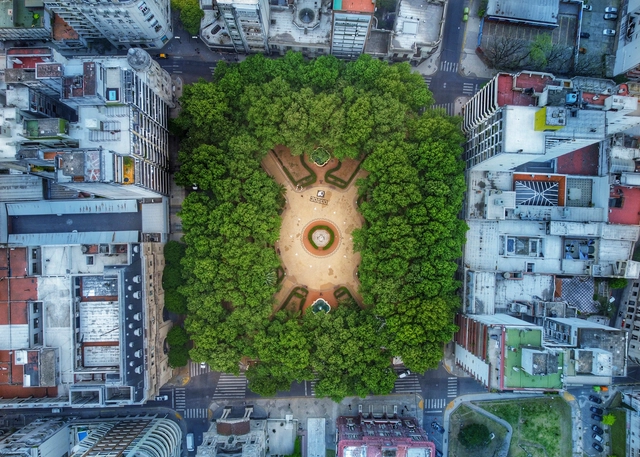
With an average of 12 square meters of green space per inhabitant, the city of Rosario was declared Argentina's "greenest" urban enclave in a recent report published by the Inter-American Development Bank's (IDB) Emerging and Sustainable Cities Initiative. This figure aligns with the standards set by the WHO, which recommends between 10 and 15 square meters of green space per person to ensure a decent quality of life for all citizens. The creation of new parks in recent years, combined with the upgrading of over 70 existing ones through the addition of amenities and technology, highlights the significance of green spaces for the people of Rosario.

The latest episode of Arquicast discusses the award-winning and groundbreaking South Korean film Parasite (2019). Director Bong Joon-ho invites us to reflect on the realities and stigmas of a social climate that, despite focusing on a specific culture, is representative of diverse urban contexts, such as those found in South America. Class struggle, after all, is a defining characteristic of modern societies, directly reflected in the spaces they inhabit. In this sense, *Parasite* offers a masterclass on how structural inequalities shape the quality of our built environment.

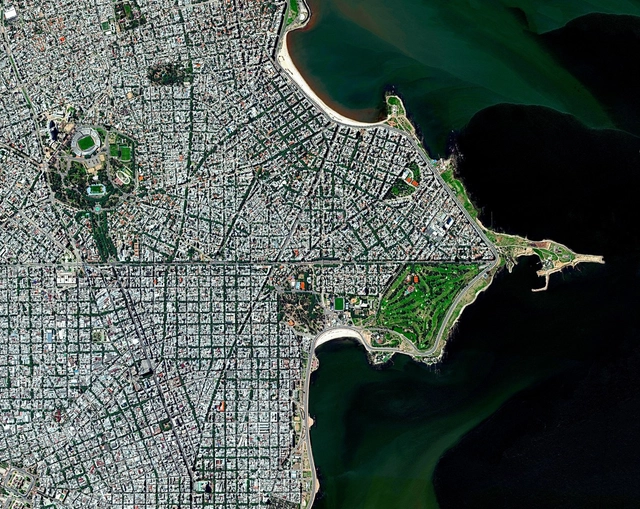
Resilience seems to be the topic of much discussion within circles of urbanism today. Though, there is a slight problem. We can’t quite agree on what the term means.
Two definitions seem to be floating about. The first rooted in material science. The second, in ecology.
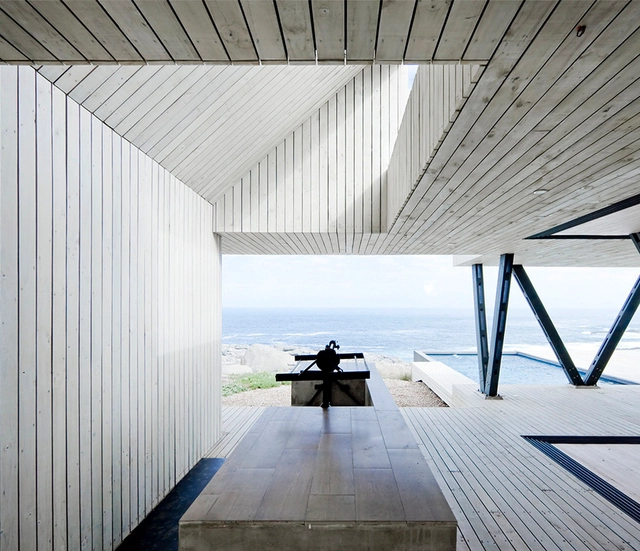
Whether by traditional windows, linear openings in the wall, or skylights, the manipulation and incorporation of natural lighting in architectural projects can render a radical change in interior spaces.
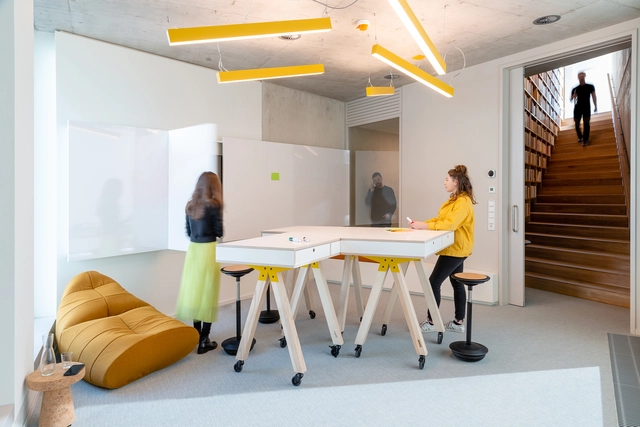
In a time where space grows more and more limited and people increasingly spend time at home, flexibility presents itself as an underutilized strategy of interior design. With flexible furniture, residents can optimize square footage and easily reshape configurations according to specific requirements and shifting needs. Below, we discuss the benefits and variations of furniture on wheels, closing with 7 example projects illustrating their creative and practical application.
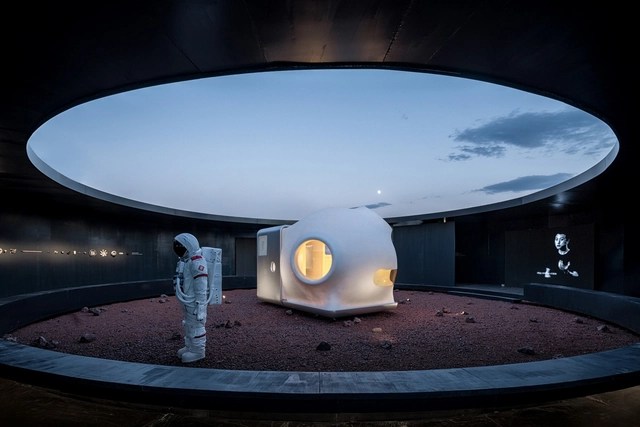
Space has long captured our imaginations. Looking to the ocean above us, writers, scientists and designers alike have continuously dreamed up new visions for a future on distant planets. Mars is at the center of this discourse, the most habitable planet in our solar system after Earth. Proposals for the red planet explore how we can create new realms of humanity in outer space.
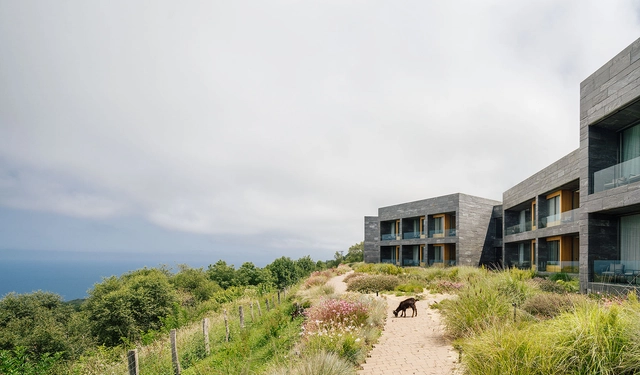
Four emerging architecture studio profiles from Belgium, Spain, Netherlands, Switzerland, Denmark, and Poland were chosen by New Generations, a platform that analyses the most innovative emerging practices at the European level, providing a new space for the exchange of knowledge and confrontation, theory, and production. Since 2013, New Generations has involved more than 300 practices in a diverse program of cultural activities, such as festivals, exhibitions, open calls, video-interviews, workshops, and experimental formats.

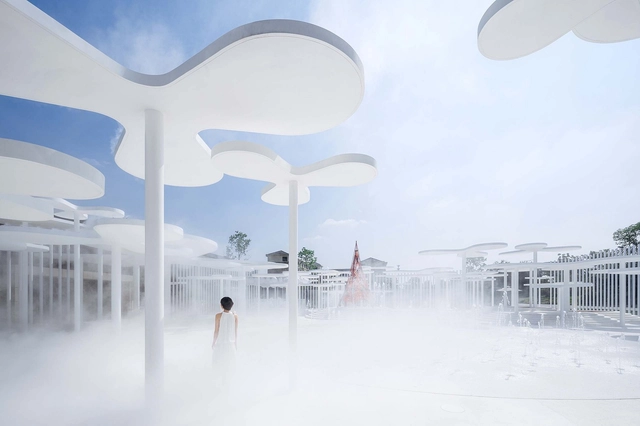
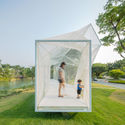
The incorporation of the human figure is one of the most effective tools used in architectural photography: it helps the viewer decipher the scale of work and assess its amplitude. While it successfully communicates a rough idea of the measurements of the elements in the picture, it also helps architecture become more relatable and accessible. People engage better with the built environment when it is populated, mainly because the human sense of society and community is the cornerstone of our civilization. With this in mind, we are showcasing a selection of our favorite photographs where the human figure takes center stage, enhancing our reading of architecture.
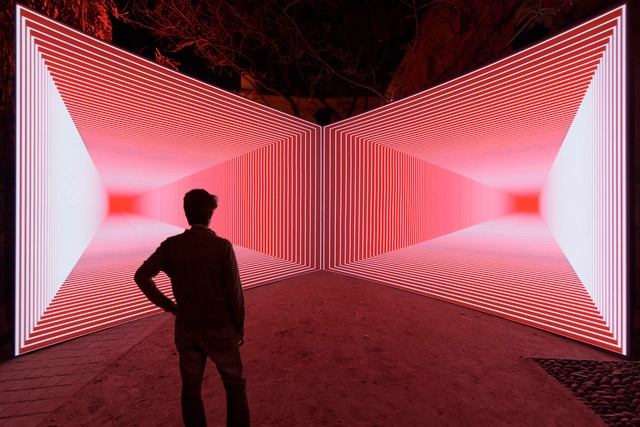
Using and controlling light can change the perception of a place; users perceive and feel the space differently depending on factors such as the type of light switch, color variations, and combinations. When used in temporary installations, light can break the boundaries between art and architecture, and also between tangible and intangible, transforming the elements of the project and creating new shapes and patterns.

Spurred by disasters like Hurricane Katrina and Superstorm Sandy, cities across the United States have, over the past 15 years, learned to “live with water.” After more than a century of filling wetlands, damming rivers, and diverting streams and stormwater flows into concrete channels, public officials, influenced by a coterie of landscape architects and planners, have embraced the opposite strategy, investing in open space networks that use dynamic natural systems to slow, store, and absorb floodwaters.


This article by Juan Domingo Santos and Carmen Moreno Álvarez was originally published in the 8th issue of rita magazine under the title "Identidades del territorio Alhambra. Instrumentos de registro y procesos de reconocimiento de un paisaje cultural" (Identities of the Alhambra Territory: Instruments of Registry and Processes of Recognition of a Cultural Landscape) and is part of a joint dissemination collaboration. The following text presents research that proposes a series of measures to record, analyze, and disseminate the cultural values of the Dehesa del Generalife—a territory continuous with the monumental complex of the Alhambra, rich in archaeological, architectural, landscape, environmental, and ethnological resources.

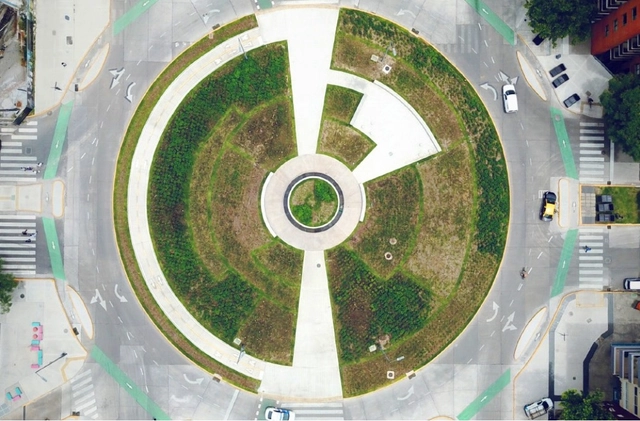
More than 55% of the world’s population lives in cities, with that number only expected to increase in the coming decades. Despite the rising population in urban areas, local governments continue to raise flags about inadequate infrastructure and the declining quality of life that cities are facing. Perhaps the large scale problems that we typically categorize as urban innovation, inclusion, and infrastructure, can be solved if we get to the root of the smaller troubles, that we may not even know existed. It’s time to take urban issues off the back burner and improve cities not just for today, but for the long term future.