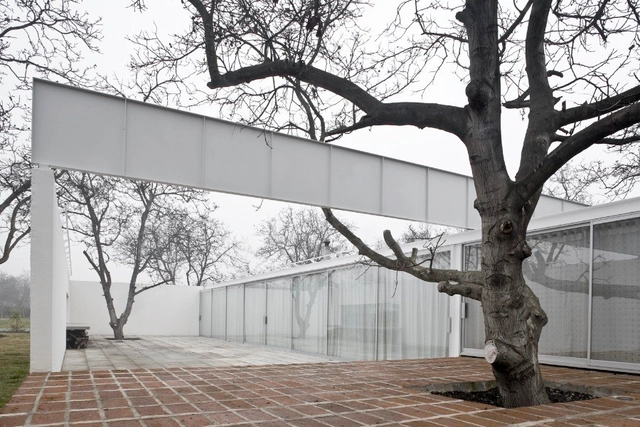
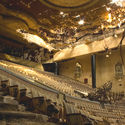
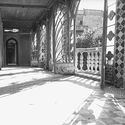
On this occasion, architect Jaime Nadal, representing the ARKRIT Collective, brings us an article that delves into the controversial demolition of the famed Casa Guzmán by architect Alejandro de la Sota—a highly praised, widely published, and iconic building of the architectural renaissance in Spain.
https://www.archdaily.com/1113722/the-demolished-guzman-house-by-alejandro-de-la-sotaJaime Nadal Irigüén
When discussing cities like Amsterdam, we inevitably recall its network of canals and streets interwoven with water. Yet water is also one of the most pressing challenges the city faces. With 60% of its territory below sea level, climate change—and the rising sea and river levels that come with it—is a matter of survival not only for Amsterdam, but for the entire country.
Throughout 2018, we selected thousands of projects for publication on our site, occasionally highlighting a few for their innovative techniques and materials, their integration with their context, or their community engagement. Working daily with editors in Brazil, the United States, Mexico, Chile, China, and Northern Ireland, and thanks to the extensive network we have forged with institutions worldwide, we have the tools to gain a much broader perspective on current architectural production—not only in Mexico, but globally.
Music is a vital connection to culture. While it serves as a source of entertainment, it is also a medium for communicating ideas and expressing artistic creativity. Through romantic, social, political, or historical themes, every song evokes memories and emotions.
Although there is an endless array of genres today compared to decades past, music still allows us to travel the world without leaving home through its lyrics and music videos. With this in mind, we have compiled a list of 10 songs that not only feature the names of cities in their titles, but also, through their lyrics and visual storytelling, capture the essence of each place—whether capitals or not—bringing to life the magic of their architecture and streets.
“It was that one over there, look. That one. See?” Dona Ana pointed to the seventh-floor apartment where, a week earlier, the fire had broken out. Further down, on the fourth floor, Anastasia, Aécio, and Itamar offered strained smiles from a campaign banner .
No one knows how the fire started in one of the subdivided apartments in Tower 100, occupied by a waste picker. But the spectacle that followed played out comme il faut. Panic, screams, flames, flashing lights, a helicopter hovering overhead, journalists accosting the supposedly injured and devoring improbable accounts, sirens, smoke, commotion, action.
The Sustainable Cities Climate Finance Leadership Alliance's new platform brings together tools to help urban managers build more sustainable cities. Photo: Taís Policanti/Flickr
By 2050, more than two-thirds of the world's population will live in cities – hubs that catalyze economic, cultural, and political progress, but also consume vast resources and account for 70% of global greenhouse gas emissions. To avoid catastrophic climate change while ensuring a prosperous and sustainable future, we must act quickly.
https://www.archdaily.com/1113777/new-digital-tools-help-urban-leaders-turn-ideas-into-actionMark Watts e Ani Dasgupta
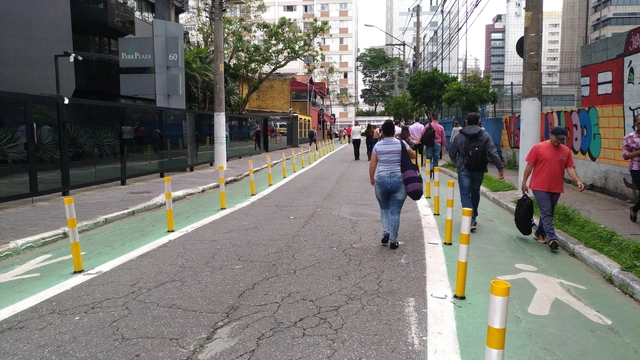
The concept of Complete Streets has gained prominence in recent years and has arrived in Brazil bringing the vision that streets must be planned, designed, operated, and maintained to allow safe, convenient, and comfortable travel for all users, regardless of age, ability, or mode of transportation.
Starting in May, Argentina reaffirms its presence at the Venice Biennale with an invitation to critically rethink the territory.
The "Imagined Lines" exhibition in the Argentine Pavilion, Horizontal Vertigo, curated by architects Javier Mendiondo, Pablo Anzilutti, Francisco Garrido, and Federico Cairoli, is a proposal to rediscover the territory as a collective construction—based on the potential of the relationship we perceive between territory and society—understanding architecture through its capacity to spark unexpected possibilities in each project.
Explore the selected projects and a statement from the curators below.
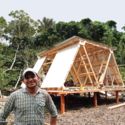
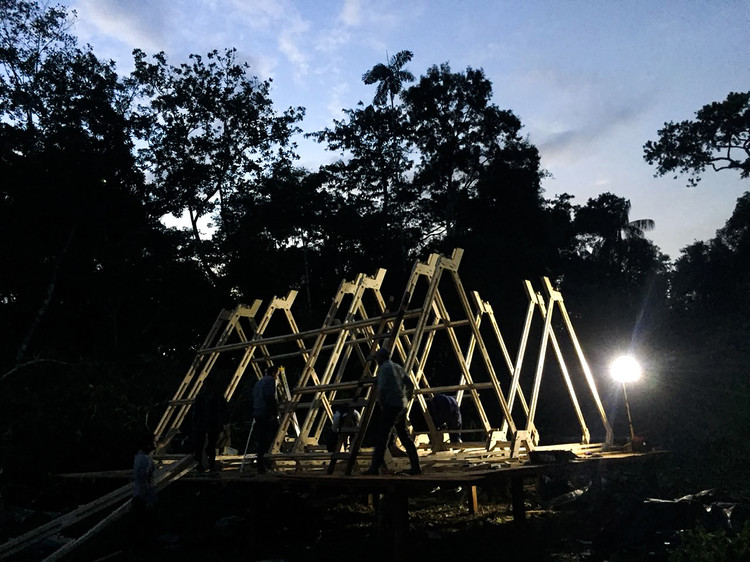
Placing five low-income families from a settlement in southern Lima, Peru, at the center of local and global design. That is the vision behind CIUDADES [en] VISIBLE.
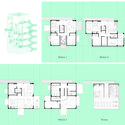
The competition focuses on designing homes for five low-income families within the 3 de Diciembre settlement in Lurín. The Acarraz, Huamán, López, Salazar, and Teccse families will be the protagonists of this architectural challenge.
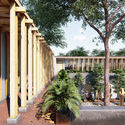
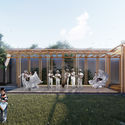
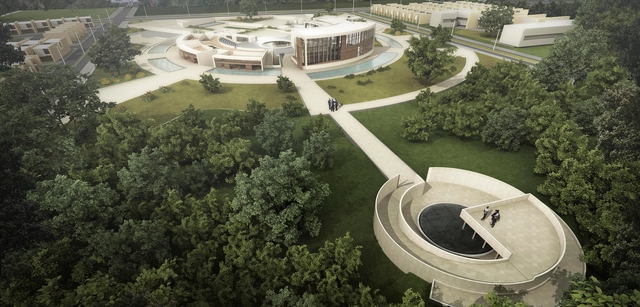
The Mirador La Cocha Botanical Garden proposal by students Germán López, María Echeverry, and Julián Villescas was awarded second place in the ninth edition of the steel design competition for architecture students in Colombia (Alacero Colombia), which focused this year on a greenhouse pavilion for a botanical park.
Under a unified structural concept, the project is divided into three blocks—an entrance building, a circulation ring, and greenhouse pavilions—and aims to establish itself as "a space of high educational and research value that seeks to promote the preservation and conservation of representative and threatened botanical species" in the Colombian department of Nariño.
Media and technology have been revolutionizing content creation across diverse niches, and architecture is no exception. YouTube channels, television shows, and specialized playlists on architecture and urbanism are just a few examples. Over the last few years, however, podcasts have emerged as a powerful alternative. Unlike other media, podcasts are an audio-only format shared across a wide range of platforms—from specialized websites to blogs. Today, there are countless listening options available, both Brazilian (as listed below) and international, as previously published by ArchDaily.
Finding specialized podcasts can be a daunting task. To help, we have gathered a list of nine Brazilian podcast channels for you to listen to. Put on your headphones and check them out:
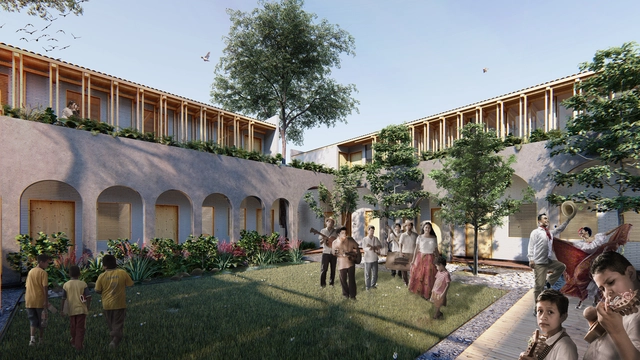
The Son Jarocho Documentation Center is a cultural venue in the city of Jáltipan de Morelos. Dating back to 1998, its former headquarters suffered severe structural damage during the 2017 earthquakes in Mexico, which affected several regions. As a result, municipal authorities determined that it was necessary to rebuild the facility.
Bringing this project to fruition required the involvement of various institutions and fundraising events. Among these was a campaign led by Mexican singer Natalia Lafourcade titled 'Un Canto por México' in Anaheim, California.
Listed as a World Heritage Site, the Historic Center of Salvador, Bahia, in the heart of the Pelourinho neighborhood, is home to the city's Cathedral Basilica, which dates back to the 17th century. One of Brazil's most significant sacred buildings, the basilica underwent a three-year-and-eight-month restoration process. Beyond returning its celebrated features to public view, the intervention revealed spaces and artifacts previously unknown or long thought lost.
Mark Wigley asserts that architects, rather than builders, are talkers. "Architects do not make solid objects. They make discourses about objects," Wigley argues in “Typographic Intelligence” (2002). This becomes particularly relevant when linked to philosopher Michel Foucault's concept of discourse. In *The Order of Discourse*, Foucault argues that discourses consist of a series of statements or propositions that communicate a certain idea, defining everything that can be said about a topic by shaping a specific way of understanding reality.
Discourses, then, are not merely a specific glossary of words; rather, they encompass the meanings or ideologies conveyed through them. With this in mind, I want to suggest that architecture can be understood as a discipline in which a set of discourses operates, managed by a regulatory body that constantly validates which of them generate architecture and which do not. When examining the discourses that operate within architecture, we find that several can coexist and justify one another, while others ignore and exclude each other—shaping different statements of truth. There may even be discursive strategies that appear extinct due to disuse or deliberate concealment.
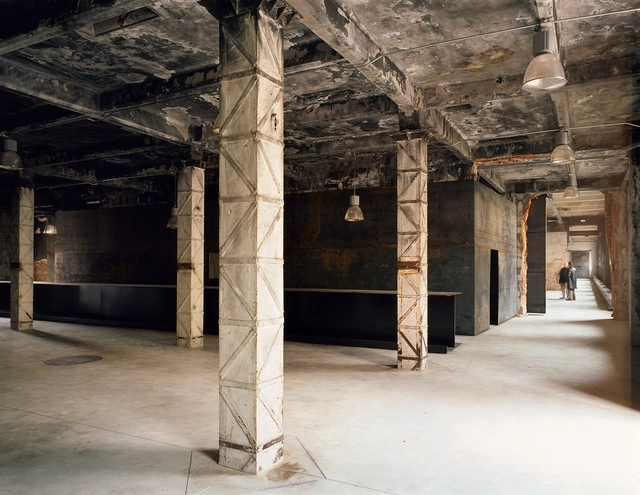
On this occasion, architect Rodrigo Rieiro Díaz, from the ARKRIT Collective, presents an article that explores how certain contemporary architects have refused to hide building scars resulting from material processes in rehabilitation projects, in a bid to emphasize the pre-existing structure as an aesthetic asset.
While it is true that not painting—or covering with joint covers—the marks of material processes during building adaptive reuse projects represents a financial saving, there seems to be a desire among certain contemporary architects that goes far beyond simply cutting a line item from the budget.
Indeed, there is a contemporary tradition—the reuse of industrial buildings as art spaces—where this practice is common. This model of an exhibition space, halfway between a gallery and an artist's studio and geared toward a young, urban audience, already has a history of at least forty years. Yet there is a certain consecration of the method in its adoption by the city councils of major European cities for their cultural institutions, and in the highly favorable reception of these interventions in academic and professional circles.
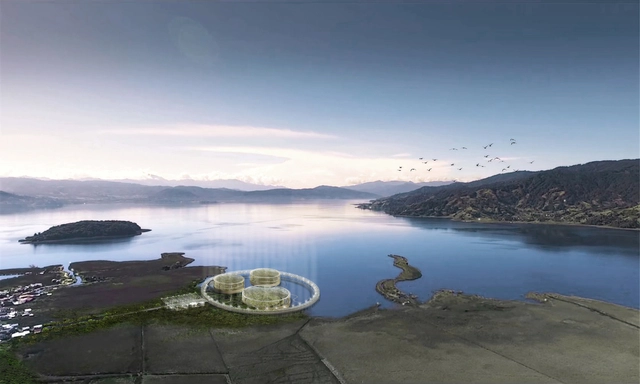
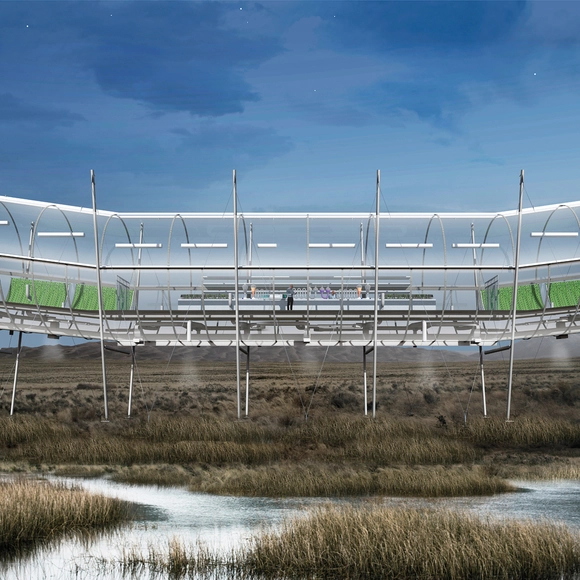
The team comprising Francesca Fuentes, Juan Andrés Hoffmann, and Kevin Gómez has been awarded an honorable mention in the XXXII CAP Chile Competition. Designed for the Tres Puentes Wetland in Punta Arenas, the project, known as "Flores del Humedal" (Wetland Flowers), seeks to generate "a physical link between the isolated territory and society, in order to facilitate interaction, knowledge, research, and conservation," according to the authors.
The competition jury explained that it is a "project that took steel structure to a highly creative level and challenged the program, proposing a new way of observing nature. At the same time, it generates a profound relationship with the territory for wetland observation."
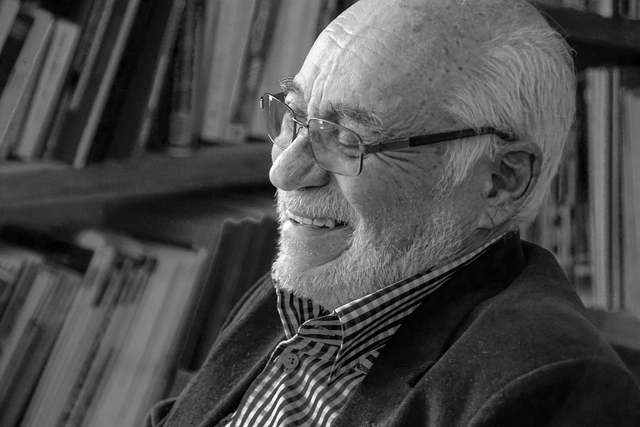
Following the passing of the prolific Ecuadorian architect Rubén Moreira (1939-2018) last Friday, July 13, in Quito, the team at Revista Trama—composed of Evelia Peralta, Rolando Moya Tasquer, and Rómulo Moya Peralta—shared the following words in tribute to the historic architect, academic, and professional association president.
We bid farewell to Rubén Moreira with deep sorrow, profoundly saddened by his passing at a time when he still had so much to ponder, develop, give, and live.
We will not forget the human being and the architect who left an indelible mark on Ecuadorian architecture. We can attest to his profound humanity; he was supportive, a loyal friend, and consistent with his ideals and convictions. We crossed paths with him on various occasions over more than 42 years, as he always sought to contribute to a more just and beautiful construction of society, cities, architecture, institutions, education, and humanity.
https://www.archdaily.com/1113815/posthumous-tribute-to-ruben-moreira-a-historic-figure-in-ecuadorian-architectureRevista Trama
Today, it is estimated that in Brazil alone, 30 million tons of waste are deposited annually in landfills, with São Paulo alone sending 14,000 tons of solid waste to these sites every day. [1] Unsurprisingly, landfills occupy vast tracts of land that continue to expand, posing a critical challenge for nearly every city. But what can be done once landfills reach capacity and close? Is it possible to breathe new life into these mountains of waste? What are the possibilities and necessary precautions?
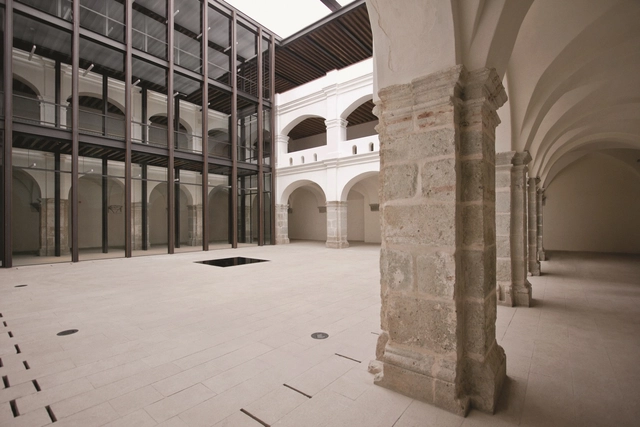
The 16th-century Monastery of Santo Domingo “San Pablo”—located in downtown Oaxaca between Independencia and Hidalgo streets—was recently transformed into the San Pablo Academic and Cultural Center (2012) through a series of interventions by the architecture firm led by Mauricio Rocha + Gabriela Carrillo.
Late last November, we published the winners of the second call for graduation projects in Colombia—also known as undergraduate theses—for which we received 70 submissions from 14 cities and 29 universities. Ultimately, nine projects passed the three evaluation stages, standing out for addressing current pressing issues, developing in-depth research analyses, and posing challenges for both urban and rural contexts, just as in 2016.
In this feature, we take an in-depth look at Boundary and Architecture: Relationship Between Interior and Exterior Space, a proposal developed by John Pineda Torres, Juan Salamanca Carrillo, Javier Pachón Romero, and Nathalia Sánchez Rojas, all graduates of the Universidad Piloto de Colombia.
After evaluating 94 submissions from across Colombia, ArchDaily announced the six winning projects of the third ArchDaily Thesis Competition in Colombia. The selection, chosen by our editorial jury, includes built works, historical research, and master plans: ranging from a rural residential prototype to an in-depth study of the *Edificio de Renta*, a popular residential format in Bogotá between the 1940s and 1970s.
For this edition, we introduced a new evaluation stage: a second jury made up of prominent Colombian architects was tasked with choosing the Grand Winner2018. The members were Lina Toro, Carlos Cano (OPUS, Medellín), and Jorge Noreña (Ruta 4, Pereira).
"While architecture requires rigor, dedication, and communication skills, it also demands strengthening connections with urbanism and landscape, as well as with other disciplines that make transformative ideas viable," comments Carlos Cano in the jury's evaluation, which we invite you to read below.
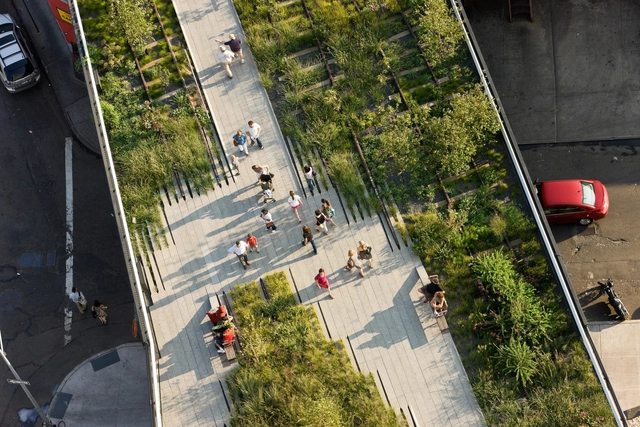
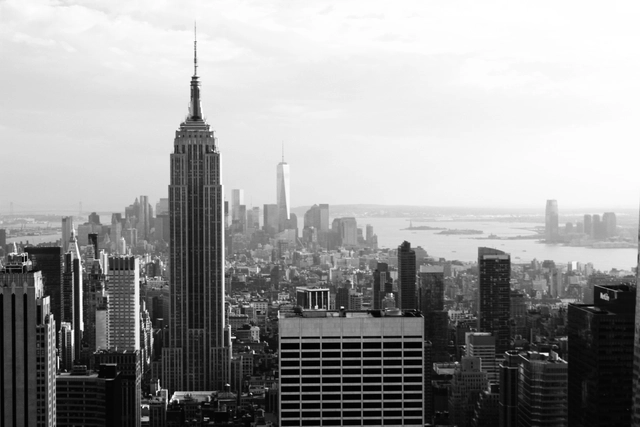
In this second installment on the ongoing transformations in New York City, Kosme de Barañano focuses on the project that, at the turn of the 21st century, triggered one of the city's most profound transformations: the High Line park.
https://www.archdaily.com/1113737/reflections-on-changes-in-new-york-city-the-high-lineKosme de Barañano
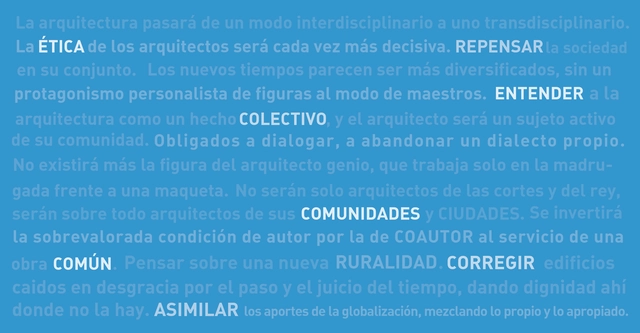
Every now and then, it is inevitable to pause, set everything aside, and simply think about the future. This necessary imaginative exercise—performed countless times throughout the history of fiction—allows us, among other things, to recognize where we stand and understand where we are going. As such, it becomes a relevant and compelling practice to apply to our own transformative and visionary discipline. We proposed this challenge to several Chilean architects, inviting them to speculate not just on the near future—already difficult to navigate in today's liquid modernity—but on a more distant horizon, framed by the question: what will be the role of architects in Chile over the next 25 years?
Their opinions and commentary, emphasizing different facets of architectural practice, share several common threads by connecting current issues and questions relevant to the 21st-century city: the human dimension—the ethical, the collective, the common—and the urban realm, in their relationships and forms of organization.
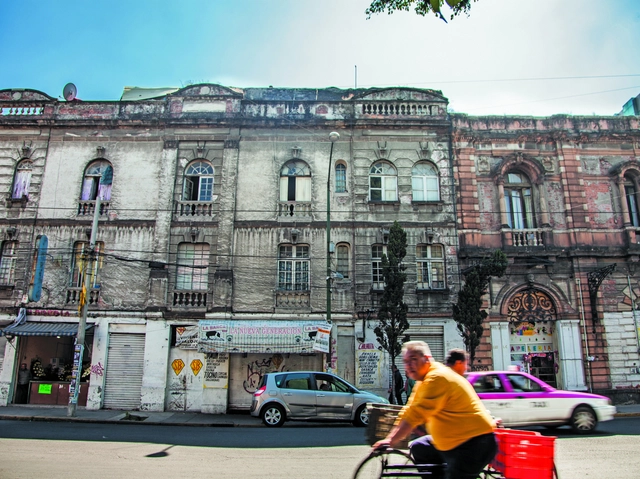
In 2011, an improvement plan for the Historic Center of Mexico City for the years 2011–2016 was presented to UNESCO. Conceived as a joint initiative between civil society, private investment, and the government, the project led to the revitalization of a large part of the historic center and the social and physical recovery of many of the neighborhood's properties.
Mexico City's architectural legacy extends far beyond its Historic Center, and while the initial plan greatly benefited this area, many buildings both inside and outside Colonia Centro remain untouched. Following the 2017 earthquake, damaged buildings joined the growing list of properties already abandoned, vacant, or severely deteriorated throughout the city.
Among these, we highlight those whose rehabilitation and subsequent adaptive reuse would have the greatest impact on their surroundings, given their symbolic, architectural, and physical value.








![Architects and Families Unite to Build Social Housing in Peru: CITIES [in] VISIBLE - Featured Image](https://snoopy.archdaily.com/images/archdaily/media/images/5a84/5052/f197/ccdd/ce00/0001/slideshow/526x500_sin_call.jpg?1518620752&format=webp&width=640&height=580)