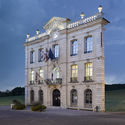
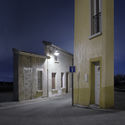
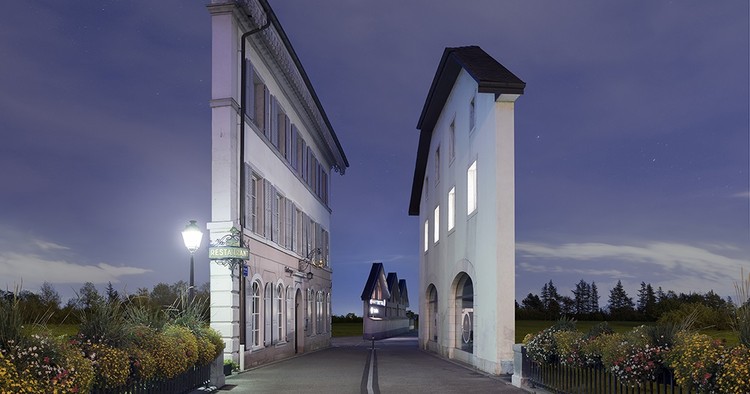
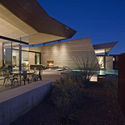
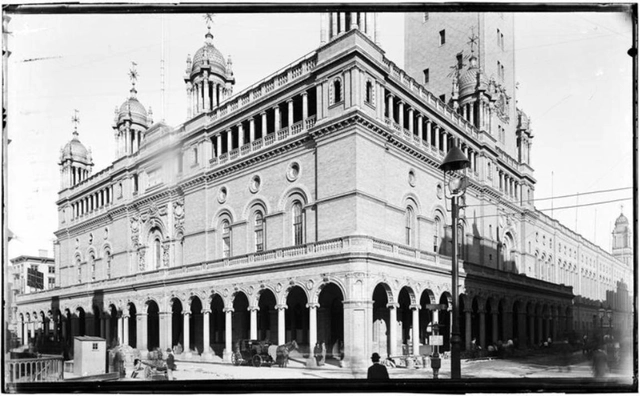
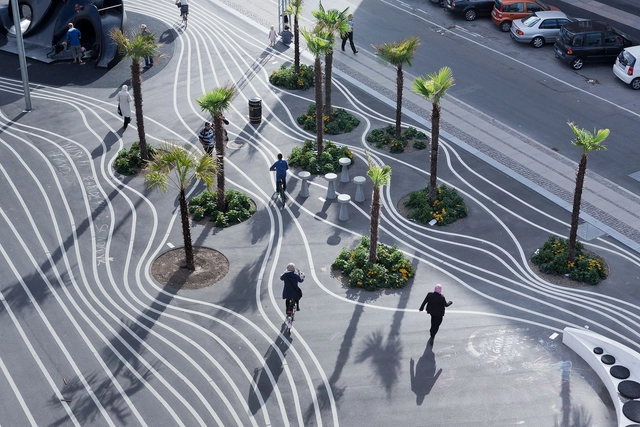
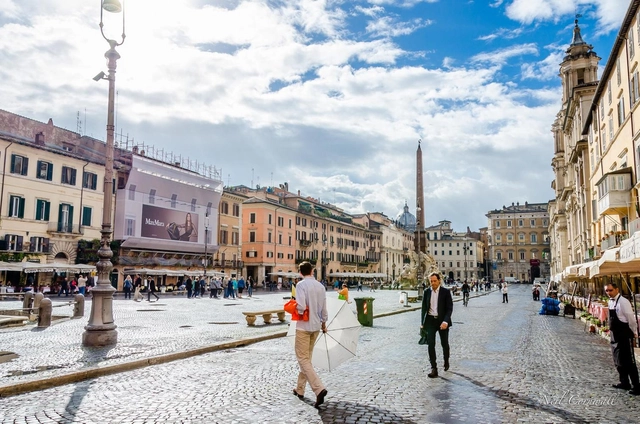
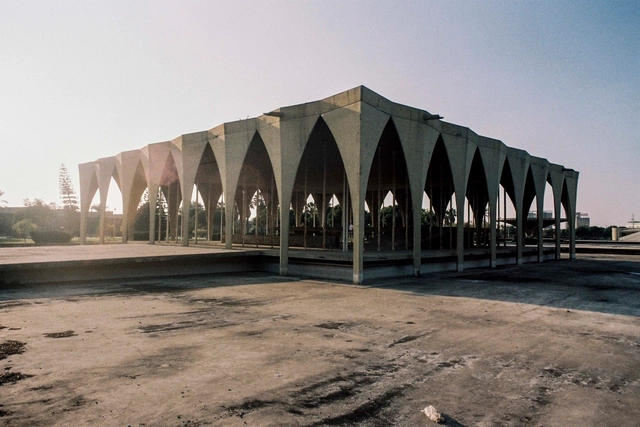
In his ongoing photo-series "Façades," French photographer Zacharie Gaudrillot-Roy a series of images in which he removes the mass and depth of buildings, and leaves behind the mere fragments of exterior skin. The photos, which resemble deserted Hollywood sets, illustrate roadways, towns, apartment complexes, and other environments without giving away the ideas of anything beyond the superficial image of the facade—leaving much to the imagination.
Videos
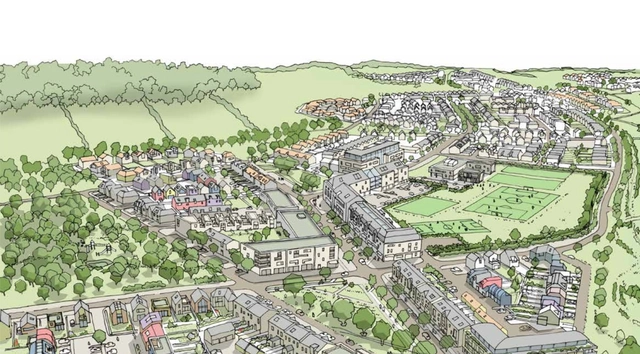
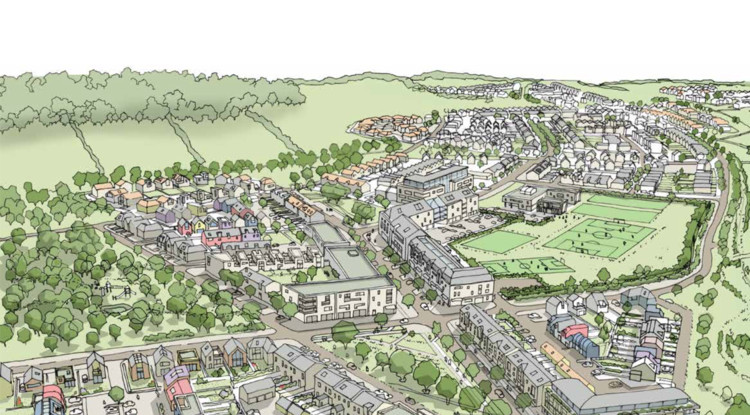
via Graven Hill Village Development Company
“Self-build”: no mention of an architect, or anyone else for that matter. Maybe it’s a prehistoric urge that makes this idea so enticing; our earliest ancestors constructed their primitive huts to suit their unique needs and reflect their status or style. “Self-build” promises to physically re-connect people to the homes they live in.
However, the romantic notion of "self-build" housing is rarely compatible with the modern reality we live in. Building has become increasingly clouded by the difficulty of procuring land, excessive governmental red-tape, and an increase in building complexity. While self-build remains the purest form of this dream, there are now a series of nuanced processes that can help us achieve similar results. As a new generation of communities that encourage this dream emerges, we must look at the role the architect plays within them.
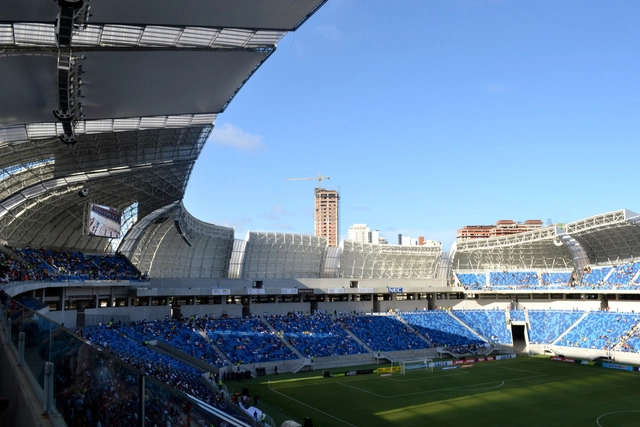
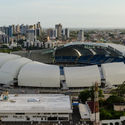
Arena das Dunas, Brazil by Populous. Image Courtesy of Populous
As an industry populated by creators, the business of design is continually reconsidered and reshaped by processes of reinvention and experimentation. Rarely content with yesterday’s innovations in anything from modeling software to building materials, architects naturally look for strategic ways to gain maximum advantage in both building and business. Taking just such a creative approach to the challenge of improving athletic venues within the stringent time frame of a team’s offseason, the dominant Kansas City-based sports architecture firm Populous recently launched a standalone service that employs the efficiency advantages of a design-build firm to simplify and expand the process of implementing stadium upgrades without any disruption to the fan experience.
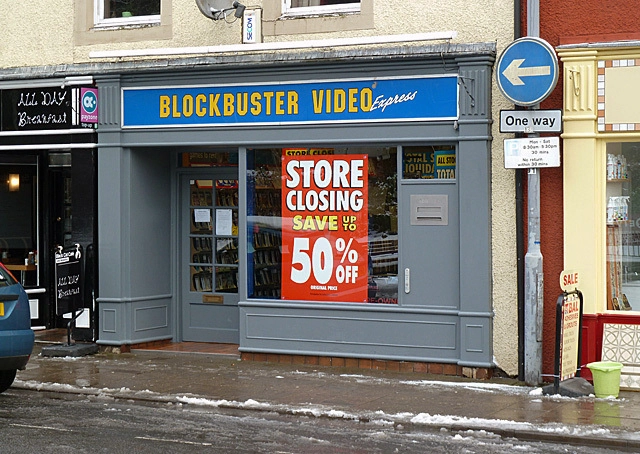
Architecture is often seen as something which provides a place-marker in history, reflecting the zeitgeist of an era. But how do we design architecture in a world that is changing faster than ever before, where entire types of buildings disappear seemingly in a flash? Here, we round up six types of buildings that came into existence in modern times and are fading as fast as they appeared. Mostly banal and previously ubiquitous, the nostalgia associated with the disappearance of these buildings taps into something emotional, rather than intellectual admiration.
Memory and architecture are closely linked, with Juhani Pallasmaa in his book The Eyes of the Skin describing how “the body knows and remembers. Architectural meaning derives from archaic responses and reactions remembered by the body and the senses.” Some of the structures below have become obsolete within half a lifespan—an interesting point to consider in a discipline that has historically valued permanence above all. If structures no longer serve a social function, will they be remembered?
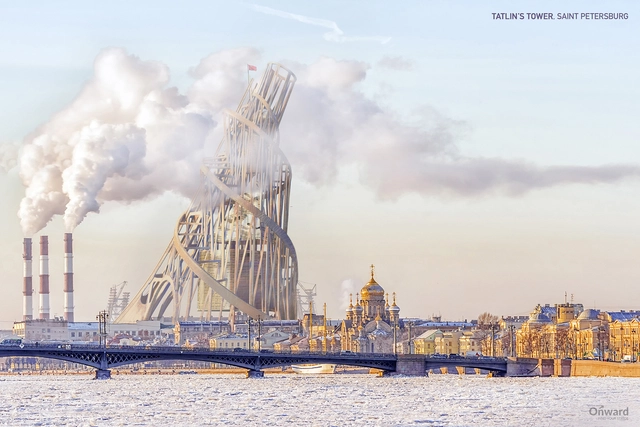
It only takes a pen, paper, and an innovative mind to create remarkable structures. Bringing these architectures to life, however, is where challenges arise. While some architects have shown their creativity and ambition by designing and constructing some of the craziest structures the world has ever seen, other architects were only left with an ambitious drawing. Whether due to financial limitations or designs that are way ahead of their time, some projects never saw the light of day.
Although you won’t be visiting these structures anytime soon—or ever, as far as we know—take a virtual tour of what could have been 7 of the world’s most iconic, innovative structures, courtesy of renders produced by Onward, the blog from Onstride Financial.
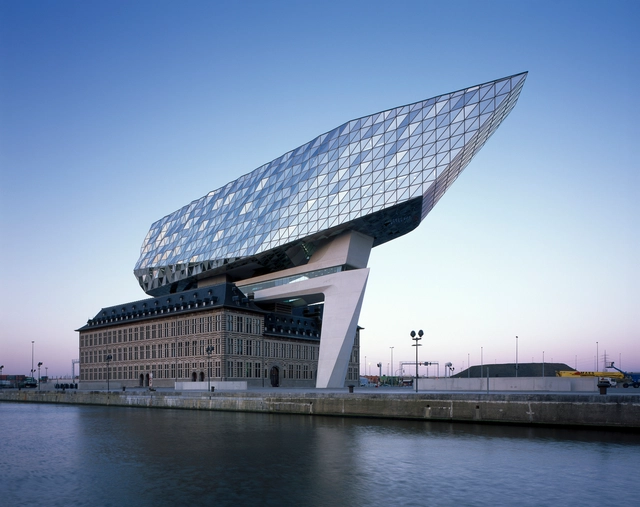
From the Fundación Arquia Blog, architect José Ramón Hernandez brings us an article that reflects on projects that can only be appreciated because of who they were created by. If it weren't for the fact that they bear the signature of their illustrious creator, they most likely would have gone completely unnoticed or even despised.
In spite of their apparent simplicity, small cabins have always been a welcome design challenge in which scale, materiality and habitability must be resolved in order to take maximum advantage of minimal spaces. Perhaps the most famous exercise in cabin design, the Le Corbusier-designed 16m2 cabanon was a container of ideas in which the Swiss architect explored the "modulor"-- an understanding of the fundamentality of human scale. In the ensuing half-century, many prominent architects have ventured into cabin design both experimentally and at a primitive level, especially as a small refuge in harmony within a natural context.
We have selected 40 small cabin designs from around the world that explore different types of solutions according to context and programmatic needs.
In 1906, American architect Stanford White was murdered on the roof of a building he had designed sixteen years earlier. The now well-known story goes like this:
White, a founding partner at the celebrated firm of McKim, Mead & White, met the beloved model and actress Evelyn Nesbit when he was forty-seven and she sixteen. The first time Nesbit visited White’s now-demolished apartment building on Twenty-fourth street in Manhattan, he fed her lunch from Delmonico’s before guiding her up to a room housing what Nesbit described as a “gorgeous swing with red velvet ropes around which trailed green similax, set high in the ceiling.” From there, he took Nesbit to his bedroom, the walls of which were covered in mirrors, where he drugged her. Nesbit recalled, "When I woke up, all my clothes were pulled off me." Years later, Nesbit’s husband, Harry Kendall Thaw, shot White at a rooftop performance at Madison Square Garden. As the New York Timesreported the next morning, witnesses overheard Thaw saying of White, “he ruined my wife.”
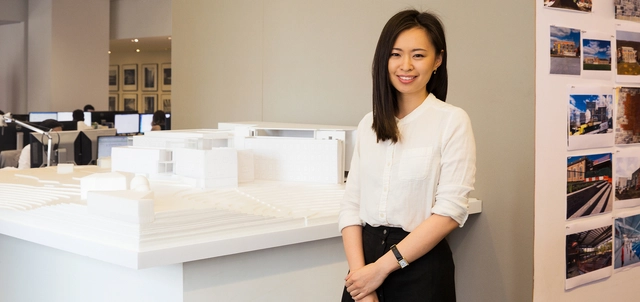
Not so long ago, Lulu Li was in a classroom in graduate school, inspired by her education, the buildings around her, and a childhood dream. Since joining SOM as an entry-level architect a little more than three years ago, Lulu has grown in her role. She’s now a leader of the design team for a new science center at Wellesley College. We spoke with Lulu to learn more about her experience: the opportunities she’s found, the challenges she’s faced, and her advice for new graduates ready to begin their careers.
As architects, we often use a niche set of words that are sometimes unnecessarily complex and confusing to our non-architect friends. In 2015 we compiled a list of these, ranging from “typology” to “Blobitecture.” Here we’ve rounded up 50 urban planning terms that might be a bit less familiar but just as important to know.
From weird portmanteaus such as “Boomburb” to cute-sounding acronyms such as "YIMBY", here is a fun A to Z in urban planning language that will make future collaboration easier.
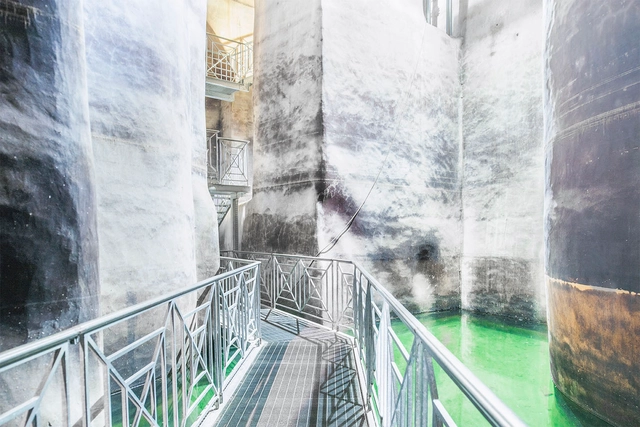
Above a steep canyon cut by the fast flowing water of the River Gravina lies one of the oldest communities in the world, whose architecture is defined by the rocks among which it sits. Matera, found in the southern Italian region of Basilicata, is a picture-perfect, white-stone city that originates from a prehistoric troglodyte settlement. The area’s special caves were used as a natural shelter from the harsh climate as early as 10,000 BC and, while the city has developed a unique, more modern personality alongside its cave-dwelling past, its success and perception has always be tied to its historic core—giving Matera a long and storied history that will culminate in a stint next year as a European Capital of Culture. Through the photos Federico Scarchillii, we can see the uncommon beauty and opportunity in this settlement.
Shusaku Arakawa and Madeline Gins—visual artists, conceptual writers, self-taught architects—believed that, through a radical recalibration of the built environment, humans could solve the ultimate design flaw: death. (Your move, Norman Foster.)
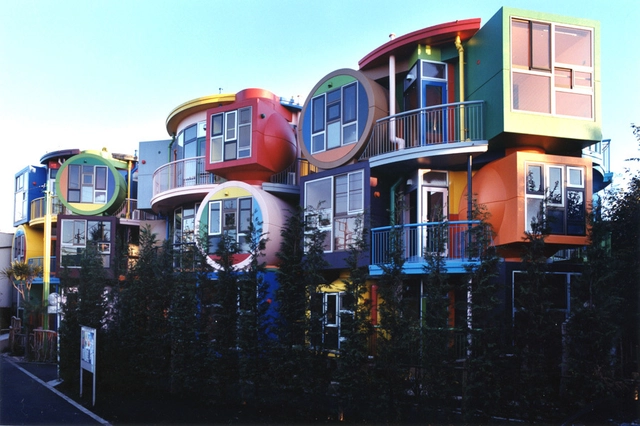
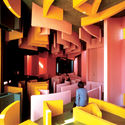
Arakawa and Gins completed five projects in their lifetimes—three in Japan, two in America—and to call them unconventional is a gross understatement. There’s an acid trip of a park; an eye-poppingly colorful, plucked-from-Pixar apartment building; and doorless lofts with bumpy, uneven flooring. Rather than whimsy or quirkiness, their ethos—dubbed Reversible Destiny—aimed to seriously promote longevity by activating and stimulating the body and mind.
This summer a brand new class of eager architectural hopefuls are preparing to start their lives in design at architecture schools around the world. Entering a studio environment for the first time brings an exciting set of new creative challenges, but this thrilling new world of architecture can often be tough to anticipate for those who have yet to begin their journey — leaving newcomers feeling unprepared and nervous on their first day.
Summer. Vacation. Two magic words that will certainly ease all the pain and exhaustion of working/studying full-time. Now that it is that time of year, most people are busy planning their travel itineraries. Whether it’s a city trip to Paris to see the Eiffel Tower and the Louvre, or a journey to walk on China’s Great Wall, the majority of travelers will choose to cross iconic landmarks off their bucket lists. However, there is a lot more to London than the London Bridge and Buckingham Palace, and there is a lot more to Barcelona than Gaudí. There are, in fact, hundreds of underrated, exquisite structures that go unnoticed.
If you are planning a getaway soon, here is a list of hidden architectural gems that are worth the visit.
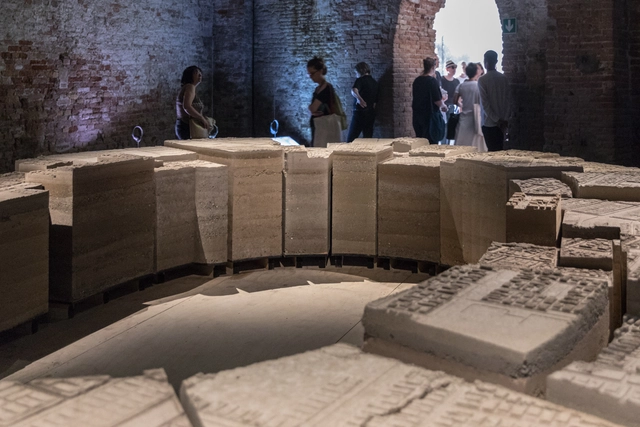
The opening of the Venice Biennale has about it a general sense of raucousness and aesthetic cacophony. The entire scene is lush, almost overwhelmingly rich. There are thousands of places for eyes to land. There are outfits: the salty, wet Venice air manages to get at least a few architects to ditch the all-black outfit for its all-white summer counterpart, often cut through with brightly colored, geometric jewelry. There are events: at any given moment, at any point throughout the weekend, there’s a dozen or so architects gathered on a panel to talk about a topic relevant to a pavilion theme, or the edition theme, or to architecture generally. There are parties, picnics along canals, Aperol spritzes that glow bright orange, and designed-to-death tote bags that run out so quickly just carrying them is a sign that you were there, part of the early crowd, in the mix.
It’s all swirling and chaotic and bright and somehow you have to manage to pay attention to serious ideas about architecture while attempting to figure out how it’s possible that you’re still sweating even though it’s 4PM.
When Louis Sullivan rang in the era of the skyscraper at the turn of the 20th century, the vertically soaring building—with its views and elevators—was unthinkably cutting edge. By the fifties, the dense downtown had experienced its moment in the sun and endless suburban sprawl began to surround the city. As early as the eighties, both the suburbs and the skyscraper felt oppressive in their own ways.
Enter “New Urbanism.” Propagated vigorously by architect Léon Krier, the ideology entailed a return to the traditional European city, in turn conjuring images of romantically dense, small-scale architecture and walkable streets. The fruits of the New Urbanists’ efforts are visible at a number of neo-traditionalist planned communities around the world, most notably, Truman Show-esque Seaside, Florida in the U.S. and Poundbury, Dorset in England, designed with the help of Prince Charles.
Arts & Architecture’s Case Study House program was supposed to be about creating replicable, affordable designs for post-war living—stylish but modest homes for young families on a budget. And then came house #17(2).
To be fair, this house was designed for real clients, with specific and ambitious requirements. The Hoffmans had four children, a household staff, and an art collection. So this was never going to be just another suburban three-bedroom.