This article was originally published on August 27, 2017. To read the stories behind other celebrated architecture projects, visit our AD Classics section.
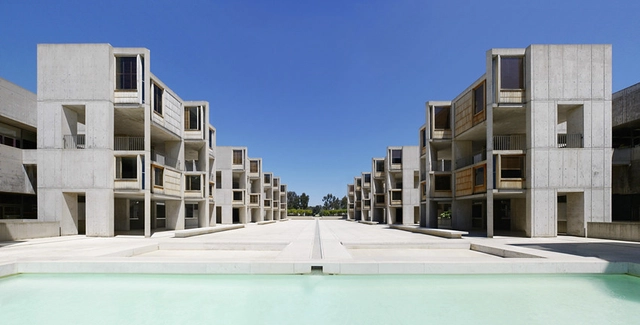
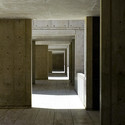
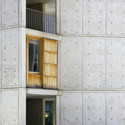
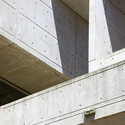
In 1959, Jonas Salk, the man who had discovered the vaccine for polio, approached Louis I. Kahn with a project. The city of San Diego, California had gifted him with a picturesque site in La Jolla along the Pacific coast, where Salk intended to found and build a biological research center. Salk, whose vaccine had already had a profound impact on the prevention of the disease, was adamant that the design for this new facility should explore the implications of the sciences for humanity. He also had a broader, if no less profound, directive for his chosen architect: to “create a facility worthy of a visit by Picasso.” The result was the Salk Institute, a facility lauded for both its functionality and its striking aesthetics – and the manner in which each supports the other.[1,2]
This article was originally published on October 19, 2015. To read the stories behind other celebrated architecture projects, visit our AD Classics section.
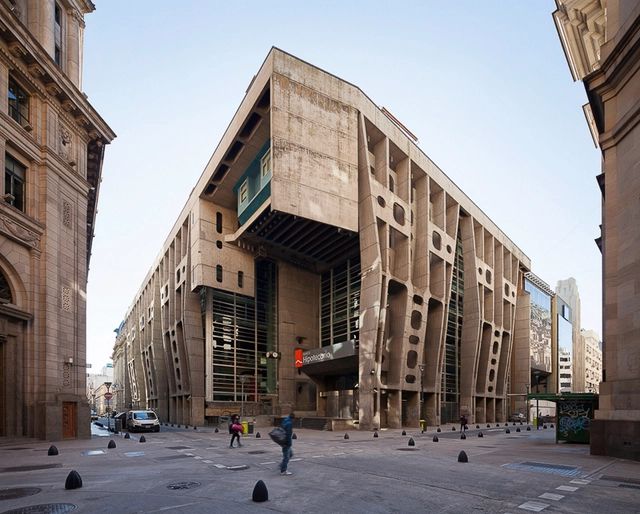
The Bank of London and South America (Banco de Londres y América del Sud, or BLAS) in Buenos Aires defies convention and categorization, much like the architect primarily credited with its design, Clorindo Testa. A unique client relationship, guided by the bank’s staff architect Gerald Wakeham, and a supportive collaboration with the firm Sánchez Elía, Peralta Ramos and Agostini (SEPRA) resulted in a building that continues to evoke surprise and fascination.
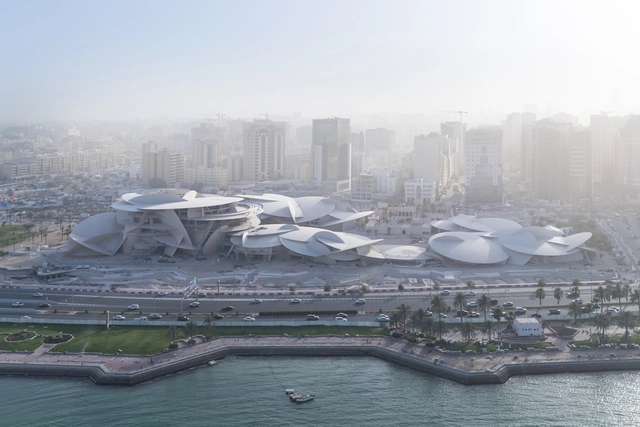
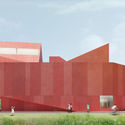
As 2018 winds to a close, we've started to look ahead to the projects we're most looking forward to in 2019. Many of the projects listed here have been in the works for years, having experienced the frustrating false starts and lulls that come in a profession dependent on long-term and significant capital investment, not to mention changing politics.
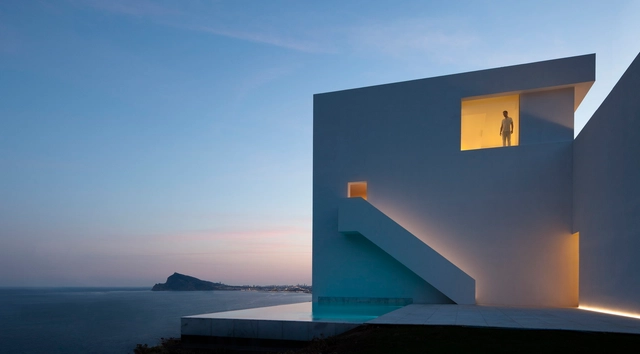
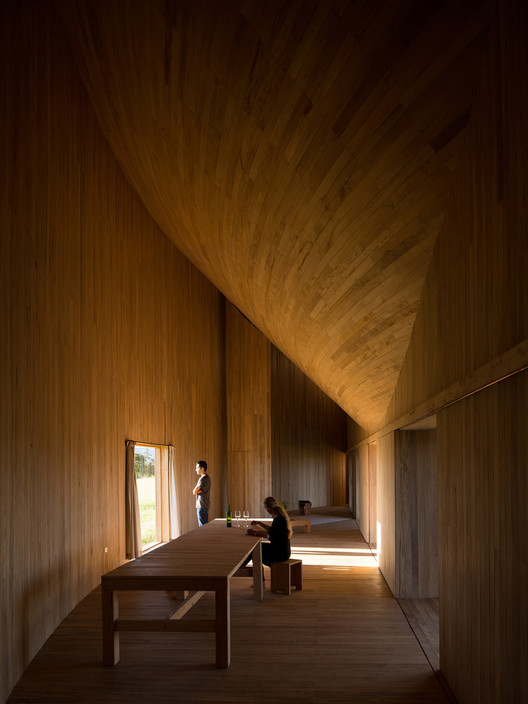
Spanish architect Fran Silvestre is well known for his portfolio of nuanced, clean, and decidedly modern works. Each project is as stunning as the next, the type of home that shows up in Bond films and populates the Pinterest boards of aspiring homeowners.
Why do we build? How do we build? Who do we ultimately build for? These have been questions that have dominated the worlds of both practice and pedagogy since the early ages of architecture. On a basic level, those questions can be answered almost reflexively, with a formulaic response. But is it time to look beyond just the simple why, how, and who?
In a world where the physical processes of architecture are becoming increasingly less important and digital processes proliferate through all phases of architectural ideas and documentation, we should perhaps be looking to understand the ways in which architects work, and examine how we can claim the processes—not just the products—of our labors.
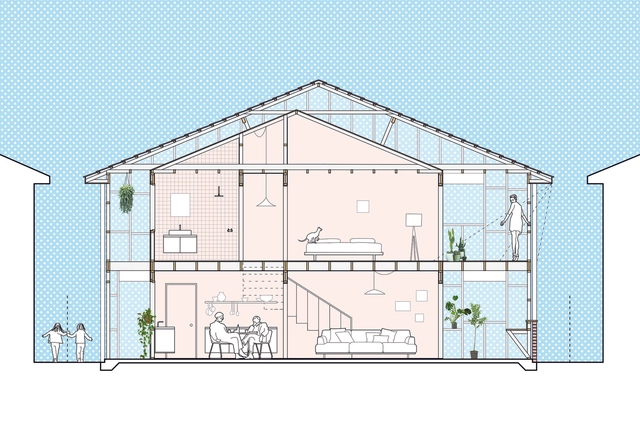
With the mission of providing tools and inspiration to architects all around the world, ArchDaily’s curators are constantly searching for new projects, ideas and forms of expression. For the past three years, ArchDaily has showcased the best discoveries of each year, and in keeping with tradition, we would like to share the best architecture drawings published throughout 2018.
What is the role of contemporary drawing in architecture? We approach the definition of drawing as design itself. Drawings are used to explain principles, to deliver ideas, to construct new architecture, and to document creative processes. Below you will see the selection of drawings arranged under six categories: Context, Architectural Drawings, Sketches & Hand-drawn, Digital Collages, Conceptual Drawings & Diagrams and Animated Gifs. Each chosen drawing strengthens the proposed construction or enhances the built work.
We also invite you to review collections from previous years here or other drawing-related posts selected by our editors in the following link.
With more than 4000 different projects published during the year, our editors want to close an exciting year for architecture with a selection in a typology near and dear to us all: houses.
From remote landscapes to urban infills; vernacular design to high-tech automation, this selection of 80 houses highlights 2018's most exciting moments for architectural design, material and construction innovation, challenging topography, and client desires - all in the home. See the best houses from around the world here.
Emporis has announced the results of its annual Emporis Skyscraper Award, recognizing the best new supertall buildings completed in the previous year. This year, the top prize was given to the Lotte World Tower in Seoul, South Korea, designed by Kohn Pedersen Fox Associates and Baum Architects. The tapered tower, South Korea’s tallest, also houses the world’s highest glass-bottomed observation deck, for architects who can handle the 1820-foot (555-meter) drop.
https://www.archdaily.com/908226/the-top-10-new-skyscrapers-of-2018Niall Patrick Walsh
'Tis the season of holiday cheer, and with that comes the creative greetings from offices, museums, photographers and collaborators around the world! See our favorites below (or check out our best reader-submitted cards).
In a recent article in the New York Times, writer Allison Arieff poses the echoed question that the architectural community keeps asking itself, "Where are all the female architects?" No longer an issue of uneven gender ratios in architectural schooling, the persistence of dwindling numbers of women principals at the top of firms simply does not resonate. She postulates, that perhaps more significant than the statistics, the real problem lies in the definition of success.
Courtesy of Otherothers. ImageOtherothers' installation at the 2015 Chicago Biennial looked at the impact of the standard suburban Australian home. Their installation proposed a shrinkage of the typology's spatial impact
ArchDaily is happy to announce our Media Partnership with @Oslo Architecture Triennale 2019! Throughout 2019 we will be sharing stories, interviews, and content related to the Triennale, which this year revolves around the theme of Degrowth. The interview below introduces Degrowth in the context of practice today - and hints at how this radical idea could irreversibly change how we value architectural production.
The world faces some significant challenges. The UN climate change report, which explained that we may have just 12 years and need “unprecedented changes” to avoid devastating effects from climate change, was released into a world that seemed to be plenty busy processing other things, such as rising economic inequality, increasingly partisan politics, escalating conflicts, and refugee crises, to name a few.
While the holidays bring with them a well-earned break for most architects, the creativity doesn't stop when the studio doors close. From gifts to greetings, designers bring their talents to the full range of holiday trappings - and we're here to share. This annual challenge, now in its fourth year, is our way of celebrating the inventiveness, originality, and artistry of ArchDaily readers from around the world. Below, our 50+ favorites from our readers:
https://www.archdaily.com/907907/best-submissions-to-the-2018-architecture-holiday-card-challengeAD Editorial Team
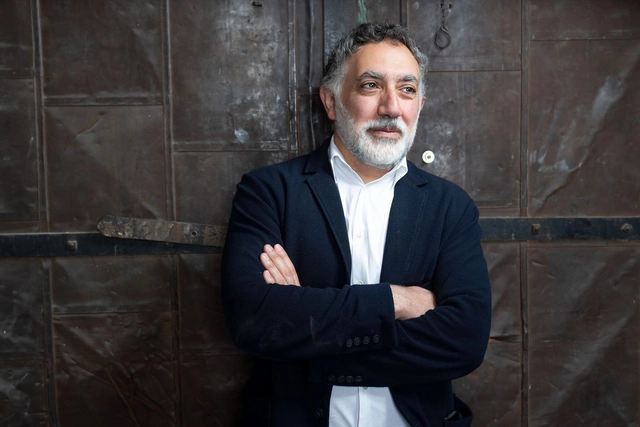
Today the Board of la Biennale di Venezia named appointed Hashim Sarkis as the Curator of the 17th International Architecture Exhibition. Held bi-annually in the capital city of Italy's Veneto region, the 2020 edition of the Biennale will take place from May 23rd to November 29th.
Sarkis is the director of his practice Hashim Sarkis Studios (HSS), with offices in Boston and Beirut, and currently the Dean of the School of Architecture and Planning at the MIT. Sarkis was a member of the international jury of the Biennale Architettura 2016 curated by Alejandro Aravena, and participated with his firm in the Pavilion of the United States (Biennale Architettura 2014) and Albania (Biennale Architettura 2010).
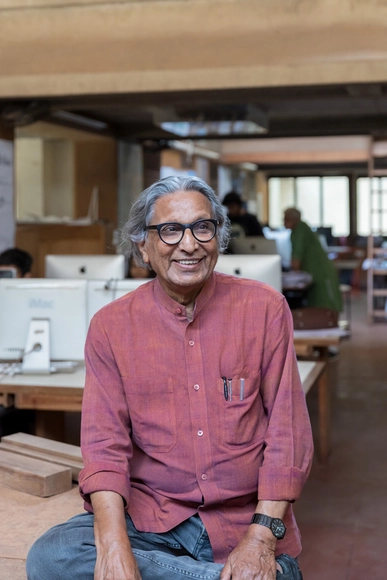
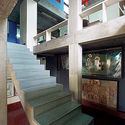
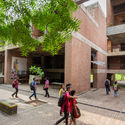
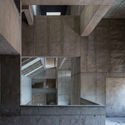
With the exhibition »Balkrishna Doshi: Architecture for the People« (30 March to 8 September 2019), Vitra Design Museum presents the first international retrospective about the 2018 Pritzker Prize laureate Balkrishna Doshi outside of Asia.
The renowned architect and urban planner is one of the few pioneers of modern architecture in his home country and the first Indian architect to receive the prestigious award. During over 60 years of practice, Doshi has realized a wide range of projects, adopting principles of modern architecture and adapting them to local culture, traditions, resources, and nature. The exhibition will present numerous significant projects
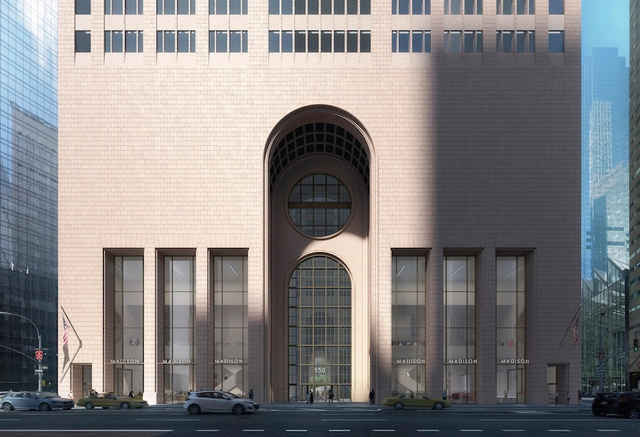
A rejection of the bland and cold functionality of Midtown's crystal skyscrapers, the AT&T building was intended to encourage a more playful approach architecture in the corporate world; the crazy socks beneath a three-piece suit. It was not without controversy. Upon its completion, the building was derided for its decorative and outsized pediment and occasionally dark interior spaces. Indeed, the building's arched entry spaces were among the only architectural elements to be met with praise from both critics and the public.
The holiday season may be one of joy, but there's always a little panic involved as well. You want to treat your loved ones to a gift they'll treasure and appreciate, but where to start?
Readers, ArchDaily has you covered. This year we've separated our choices in sections to help you find that perfect gift for the picky (budding) architect in your life. Our choices - and links to where you can find them - after the break:























.jpg?1544343835 "Courtesy of LMNB & Snøhetta")
.jpg?1544343847 "Courtesy of LMNB & Snøhetta")