Local communities are more than just a collection of buildings and infrastructure. They possess a distinctive architectural character that mirrors their history, culture, and values. As part of our year in review, we take a deep dive into the top narratives that examine the architectural identity of different local communities.
These stories explore a wide range of topics, including unique geographic territories, cultural tribes, iconic landmarks, communal collaboration, and socio-ecological urban planning. Through these narratives, we uncover the captivating tales behind the buildings and public spaces that shape certain cities and towns.
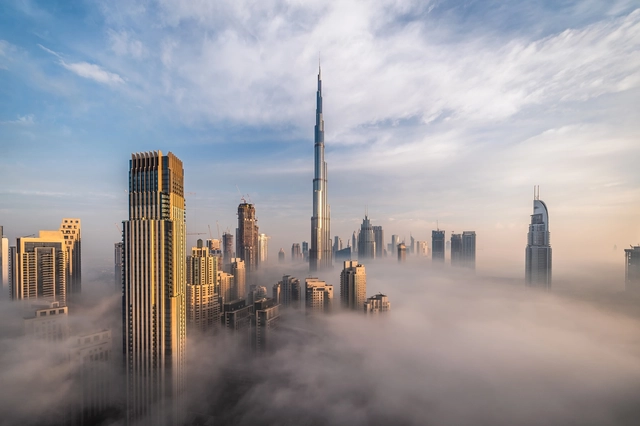
On November 30, 2023, the UN COP28 climate summit begins in Dubai, the United Arab Emirates. The name stands for the Conference of the Parties under the UNFCCC, and symbolizes the annual meeting of world governments for the purpose of establishing strategies to limit the extent of climate change and its adverse effects. Last year’s summit concluded with several important measures, including the promise of a global fund aimed at providing financial aid to developing countries affected by climate disasters.
The main purpose of COP is to reinforce the commitments of the Paris Agreement, signed in 2015, which strives to keep the global temperature rise under 1.5C degrees. As the construction industry accounts for 39% of global emissions, architecture plays an important role in helping to lower our carbon footprint, making COP28 a crucial event for architects.
How is it possible to reduce the energy consumption of our homes? What design, material, and/or technological strategies can be developed to achieve interior comfort while also addressing the climate crisis? While achieving energy efficiency depends, among other factors, on the state of the homes, there are various strategies related to the implementation of renewable energies, air conditioning technologies, and more that can be applied, taking into account government policies, laws, regulations, and standards specific to each region.
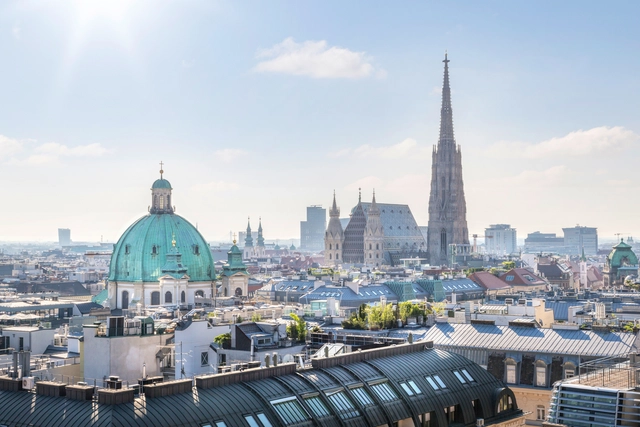
Often referred to as the “City of Music,” Vienna stands as a living testament to architectural evolution across centuries. Bring together an array of styles, ranging from the grandeur of Baroque palaces to the innovative Art Nouveau designs and the Vienna Secession movement, visitors are drawn to the city for its architectural marvels. Vienna's eventful past is reflected in its architectural landscape, which has withstood wars, imperial expansions, and the changes of numerous artistic trends while managing to maintain its unique identity as a symbol of resilience and reinvention.
From Adolf Loos, whose radical ideas challenged the trends of his time, to Otto Wagner, a pioneer of Viennese Modernism, Vienna's architectural legacy continued to evolve. Fast-forwarding to contemporary times, Vienna's skyline bears the mark of internationally renowned architects like Zaha Hadid, whose fluid and futuristic designs push the boundaries of architecture. Hadid's work, including the Library and Learning Center at the University of Economics and Business, offers a dynamic contrast to the city's historic landscape. Moreover, firms like CRAB Studio, founded by Sir Peter Cook and Gavin Robotham, bring experimentalism to Vienna's architecture, infusing contemporary concepts into the urban fabric. These architects and firms contribute to Vienna's architectural richness, adding new chapters to its storied history while honoring its innovation and artistic legacy.
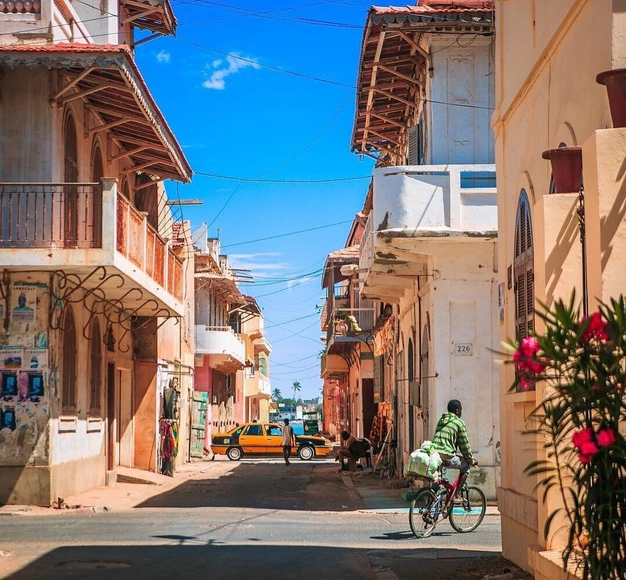
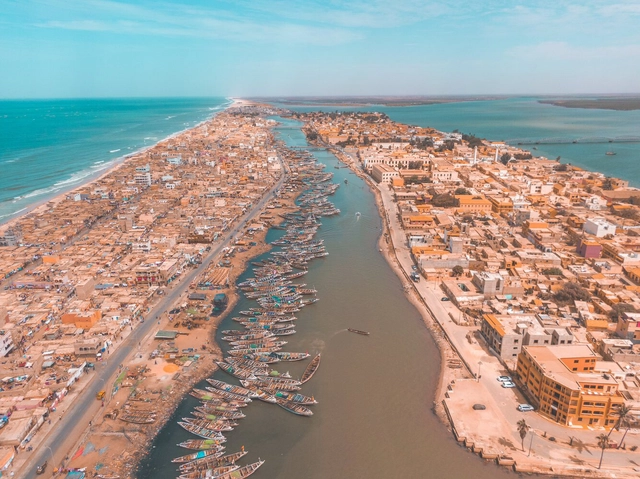
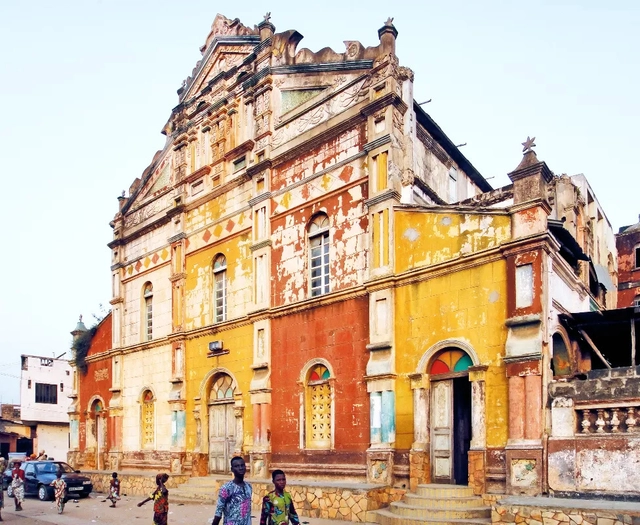
Located 270km north of Dakar, the capital of Senegal, and near the border with Mauritania, is the Island of Saint-Louis. It is a prominent colonial city in West Africa, known for its blend of Mediterranean architecture with a tropical climate. Saint-Louis was founded by the French Colony in 1659 as its first trading post on the Atlantic coast of Africa. It later became the capital of French West Africa (AOF) and Senegal. However, it lost this status in 1902, which led to its economic decline.
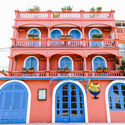
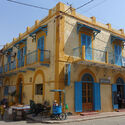
This complex history has made Saint-Louis a melting point for different layers of architecture and urbanism. The island showcases a grid urban form with double-storey villas, which is typical of 19th-century French colonial urbanism. Additionally, it features tropical courtyards, shaded balconies, 1920s art déco houses, and early '30s modern civic buildings. However, due to its economic and infrastructural isolation, this architecture and urban heritage have continuously degraded. Therefore, it seeks new interventions for the conservation, restoration, and re-adaptation of the city.
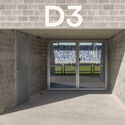
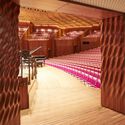
The vomitorium and its purpose is one of historical architecture’s most common misconceptions. It’s said that the vomitorium was a room that neighbored Roman feasts, where guests could socially eject the contents of their stomach before returning to the feast with renewed capacity. Although this theory was not entirely based on fiction – as Romans are known to have indeed taken up habitual regurgitation, possibly as a sign of excess wealth – there’s no reason to believe there was a specific room dedicated to the practice.
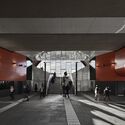
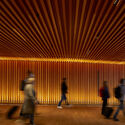
The original usage of the term ‘vomitorium’ – taken from the same Latin root ‘vomere’ – in fact refers to a room that allows a large building to disgorge itself of its contents. A vomitorium, therefore, is nothing more than a corridor. Specifically, a wide, arterial corridor leading to or from a high-capacity public space such as a theatre, arena, or stadium, designed with the intention to get as many people in or out of the venue as quickly as possible. A well-designed vomitorium, for example, is essential for efficient emergency evacuation procedures, but even during day-to-day activity, the ability to move large numbers of people quickly helps with a venue’s turnover and creates a more pleasant crowd experience.
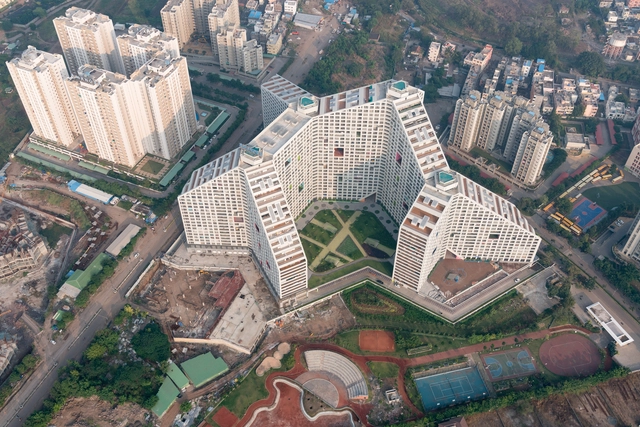
Like most countries, India faces a perpetual housing crisis. As the world’s most populous nation, with an urban population expected to grow from 410 million in 2014 to 814 million by 2050, this becomes a pressing concern. The Indian built landscape brings further complexities in the form of a pervasive market-driven approach and the need for socially relevant housing. Looking into the future, how will India address the needs of its growing population to house the next million urbanites?
Buildings that are designed to layer stories and memories, evoke a sense of aspiration, define cultural narratives, and build a national identity will always be important in all societies. When buildings have this power to shape communities, make an impact on a city’s image, and change the course of socio-economic growth, then they can be identified as iconic. Though the term “iconic” is subjective, it is one that pushes the boundaries of architecture in any context. It calls for spatial originality, proposes innovative material technology, and necessitates a radical socio-economic investment to be realized.
However, since the economies of developing countries in the global south cannot meet the requirements of these architectural structures, is there a more suitable socio-economic model for monumental structures in this context? Can the incremental principles of small adaptable changes and growth be applied to the finite iconic aspiration of this architecture?
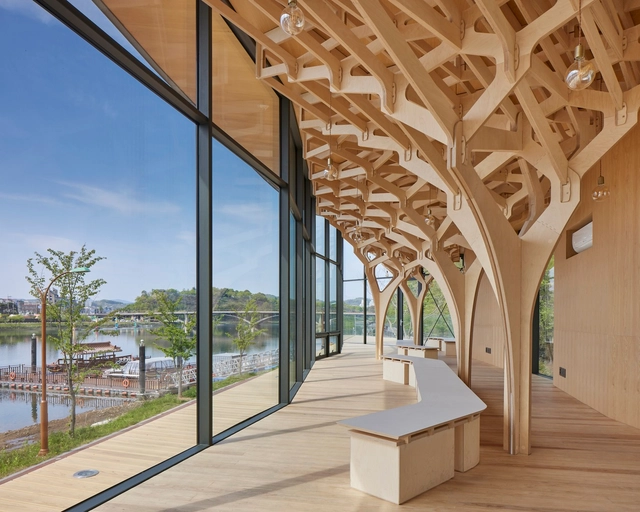
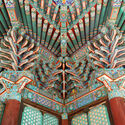
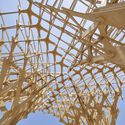
By imagining an alternative reality and rediscovering his cultural background, architect Jae Kyung Kim of JK-AR established his identity as an architect when creating his practice, selected as one of ArchDaily’s New Practices 2023. After studying and working in South Korea and the US, he’d noticed an absence of traditional Asian architecture, which had peaked his interest. He began to thoroughly look at a possibility where the traditional timber buildings of East Asia had still been relevant and continued to evolve.
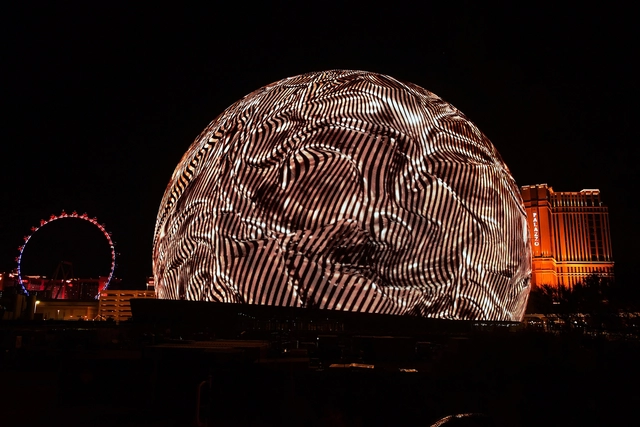
In July, Las Vegas unveiled an extravagant spectacle - a colossal LED-wrapped spherical structure, standing 366 feet tall and 516 feet wide. This entertainment event venue instantly captured the public's gaze, becoming a local landmark and attracting global attention through extensive news coverage. Similar spherical concepts have been proposed in London and at a smaller scale in Los Angeles. These massive display structures open up questions about facades as digital canvases. What role can architecture take as an urban canvas other than as a billboard? And what are different ways for architecture to engage the public through digital art besides gigantic LED spheres?
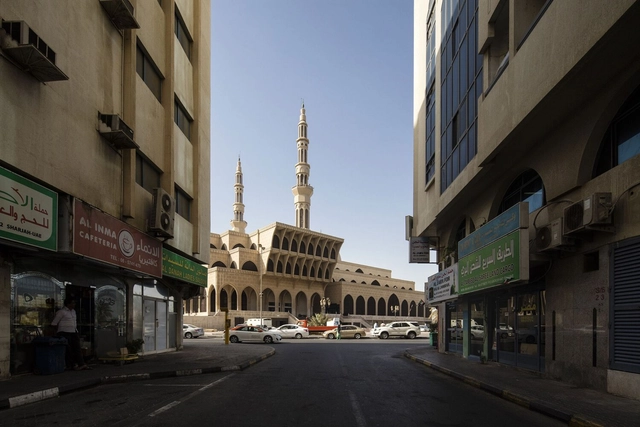
Sharjah, the captivating territory in the United Arab Emirates, is a cultural hub that blends tradition with contemporary modernity. Situated on the Arabian coastline, the city is known for its commitment to preserving its rich history, promoting the arts and culture, and providing a platform for creative and intellectual pursuits. In fact, the 2023 Sharjah Architecture Triennial (SAT) will take place from November 11, 2023, to March 10, 2024, under the theme "The Beauty of Impermanence: An Architecture of Adaptability." The Triennial is curated by Tosin Oshinowo, exploring innovative design solutions emerging from conditions of scarcity in the Global South.
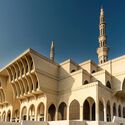
With a deep-rooted connection to its cultural heritage, the emirate is home to an array of museums that showcase a journey through multiple timelines, from Islamic civilization to traditional lifestyles. Now a hotspot for emerging designers, the city has taken a leading role as a patron of fine arts. In the contemporary city, attractions are designed by many architects, from Foster + Partners, Zaha Hadid Architects, 51-1 Arquitectos, to Hopkins Architects. In addition to this emerging cultural scene, old Sharjah is a valuable embodiment of historical tradition, having been transformed into useable attractions and art facilities. The old Sharjah also flaunts landmarks such as the modernist King Faisal Mosque, the Museum of Islamic Civilization, and the Sharjah Art Museum.
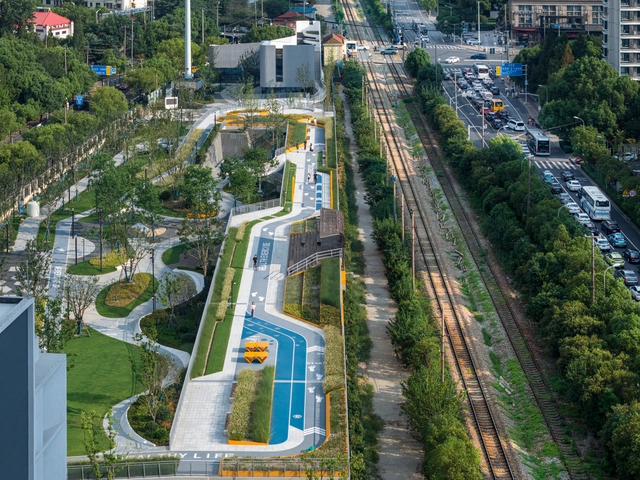
In the dynamic landscape of contemporary urban development, public architecture is an essential force in reshaping cities. In fact, this element of urban regeneration can revitalize economies and reactivate surrounding commercial schemes. In this transformative era, cities across China have evolved into financial hubs, attracting world-renowned firms and architects who are redefining these skylines. In turn, these metropolises become embodiments of future innovation and lifestyle.
China's cities have become centers of modernity as a result of its explosive prominence in the world economy. These cities have become magnets for architectural marvels that go beyond simple functionality, from Shanghai's ceaseless reinvention to Beijing's cultural renaissance and Shenzhen's undeniable emergence as a global center in technology, research, manufacturing, business, economics, finance, tourism, and transportation, complete with the Port of Shenzhen, the world's fourth busiest container port. Overall, these cities are a crucial gateway in understanding the developing dynamics in metropolitan environments.
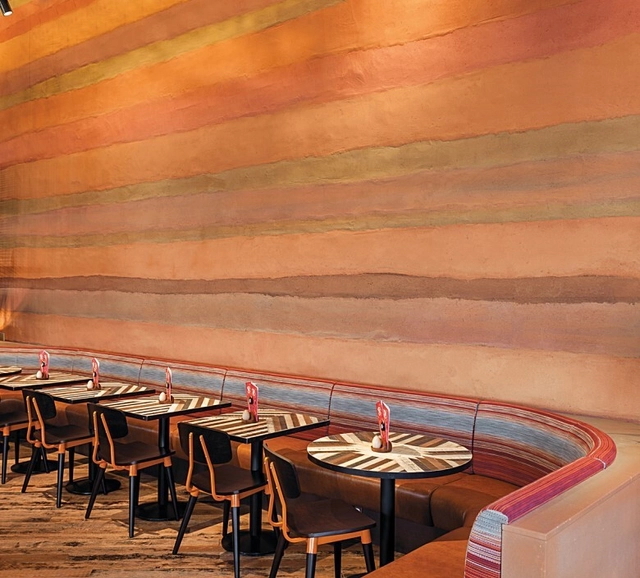
Rammed earth is one of the oldest methods of constructing walls and still holds great potential for modern earth construction. One aspect of this potential is the gift of its colors and layers, which become visible as the formworks are removed, revealing a layered character. As a process that involves the layer-by-layer compression of gravel, sand, silt, and clay, its resulting appearance is a horizontal stratification of earth tones, material content, and curing procedures. This colorful appearance of rammed earth walls can be controlled and explored through patterns, texture, pigmentation, and natural clay colors, offering an opportunity to push its boundaries within architecture.
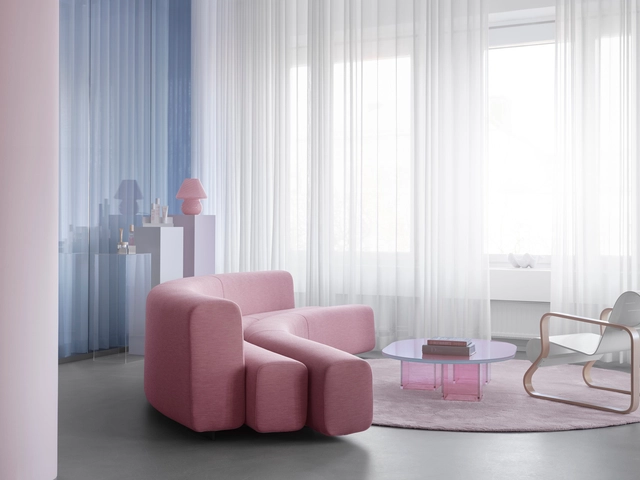
The year 2024 brings forth an intriguing array of Color of the Year selections from renowned paint manufacturers, each offering a unique perspective on the hues that will influence our living spaces. Striving to capture the moods and aspirations of the coming year, color experts have veered towards soft and calming shades, hoping to bring a sense of serenity to counter the hectic and tumulus passing year. Countering the bold color chosen by Pantone in 2023 as their previous Color of the Year, Benjamin Moore embraces a softly saturated and nuanced shade, AkzoNobel emphasizes calmness and stability, Sherwin Williams aims to inspire mindfulness, Graham & Brown fosters warmth and tranquility, and C2 Paint focuses on freshness and sustainability.
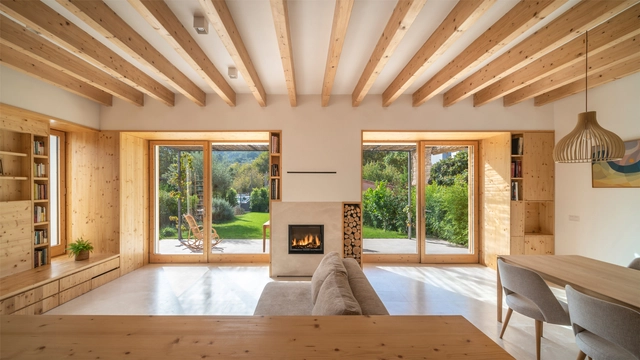
For over half a century, the open floor plan has remained at the cutting edge of interior architecture, with both new-build and renovation clients choosing to splice together rooms and their functions to bring more harmonious connectivity to their homes. Families, despite busier schedules, were able to cook, talk, study, and relax together, all at the same time.
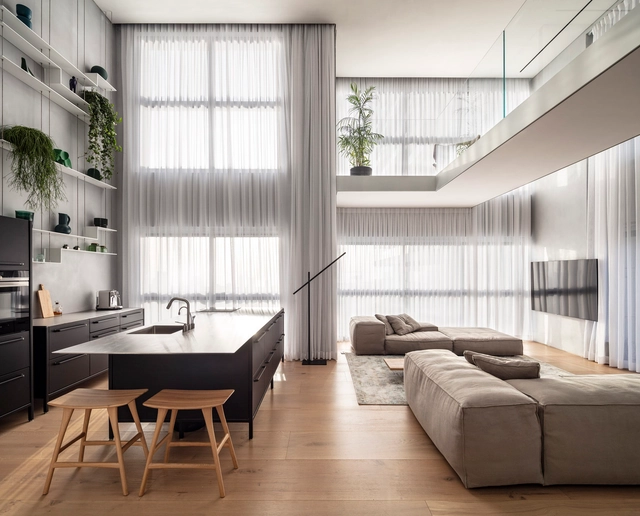
As it can force users to share their space with competing sounds, smells, and ambiances, however, many are turning away from the open plan with new concepts such as the broken plan gaining ground. Another evolutionary route for the open-plan, meanwhile, is to move upwards. In combination with double-, triple-, or even higher-story living spaces, the open-plan is given the space it needs to breathe while staying connected to the rest of the home.
The layout of interior spaces has been in constant evolution since the very first residential project. For many years, functionality dictated how they're are organized, but soon after, cultural, social, and economical changes influenced the way people design their living space, bringing about the spacious and versatile open floor plan. A lot has been written - and critiqued - about the open floor plan: who introduced it, how it was developed, its benefits, and/or lack thereof. During the past couple of decades, open floor plans were perhaps among the most requested interior design concepts, but today, architects are leaning towards the opposite.