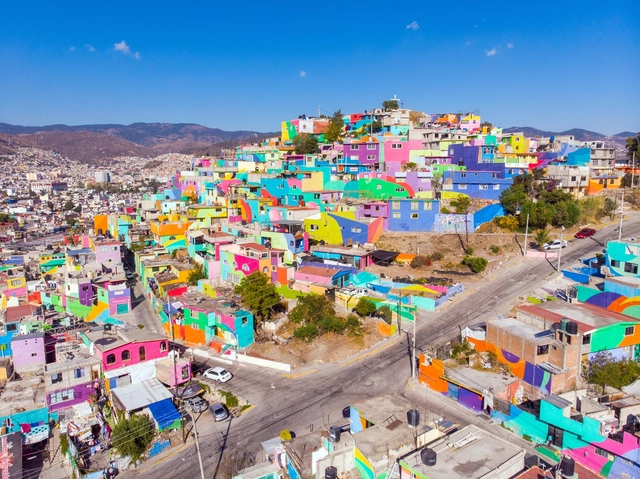
In the perception of many, the favela embodies contradictory and opposed representations. For those outside its boundaries, the favela is frequently associated with crime, poverty, or illness. Yet, it is also regarded as the aesthetic embodiment of a nation, serving as the birthplace of culturally renowned elements worldwide, such as samba in the case of Brazil.
Rehabilitation involves repairing, renovating, altering, or reconstructing any building or structure. It addresses the need to significantly improve a building's failing features, primarily through strengthening or replacing elements to restore the structure's optimal performance. The impact of building rehabilitation on the physical environment is significant. It is a sustainable strategy for preserving the built environment and mitigating the construction industry's impact on climate change.
However, its social impact is also considerable when viewed as a fundamental framework for sustainable outcomes. Rehabilitation can serve as a model that brings community members together for inclusive repair and restoration of structures. This positively affects communal life quality, social integration, environmental sustainability, and community perception of local architecture.
Architecture is about giving form to the places where people live. It is no easier, and no more complicated, than that. There are three key words here: "form," "place," and "life." As soon as one reflects on these terms, one immediately comprehends that these things are not all that easy. - Alejandro Aravena
With this phrase in the foreword to ArchDaily's Guide to Architecture, Alejandro Aravena reflects on the underlying complexity of architecture. Something that is essential to our life, but that with the ever growing complexities of our world, becomes a challenging task.
That is why for the 4th consecutive year we embark on a global survey, evaluating the work, ethos and mission behind innovative practices from all over the world. They represent the diversity that is reshaping our field, working across the spectrum between the essence of architecture and its blurry boundaries, ranging from studios to activists, startups and other forms of production, research, and thinking.
These 20 practices, half led by women or as a mix, coming from Europe, South America, North America, Asia and the Middle East, represent the diversity among those who are setting an example of the direction architecture should be heading. At the center of their mission there is a clear forward looking agenda that shapes their work, that reveal a practical consciousness towards the challenges of our world.
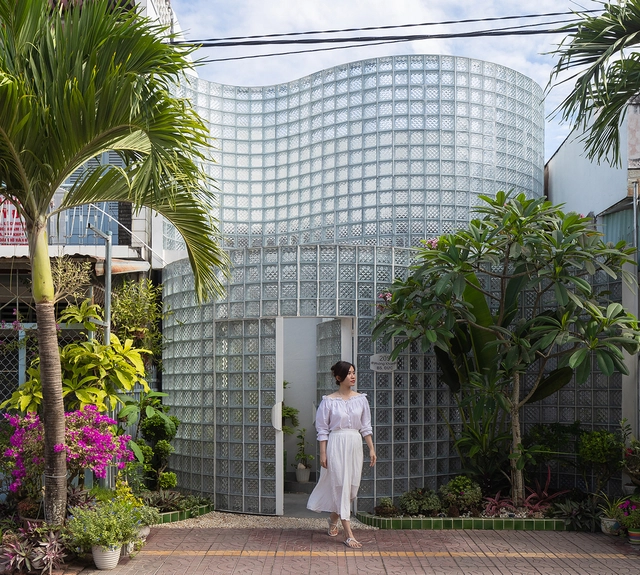
Glass brick facades have emerged as a captivating architectural trend, blending the enduring elegance of glass with the robust strength of bricks. Glass bricks can as well be more thermally resistant than conventional glazing.
These facades add a pixelated effect that plays with light and shadow, perfectly transmitting light, while maintaining privacy. The way glass bricks facades soften and blend the views of the outside can increase calmness and focus. From sleek commercial buildings to avant-garde residential projects, glass brick facades continue to push the boundaries of architectural innovation, captivating both designers and observers alike.
The concept of "eyes on the street" is perhaps the most famous within architectural and urban literature when it comes to urban security. Jane Jacobs uses this expression to refer to people who - consciously or unconsciously - use public spaces or observe them from their homes, generating natural surveillance. A movement that, within our discipline, is encouraged both through quality public spaces and through the powerful relationship between the public and private created through building facades. Advocating for this daily control, Jacobs believes in a way of making architecture and cities that condemns excessive verticalization, reinforced by isolated buildings and single-use ones that deny contact with the street
Rising demands for energy efficiency, technical functionality, and interior comfort in buildings necessitate the development of more efficient building envelope constructions. The building envelope serves as a mediator between a building's exterior and interior. In today's architectural landscape, it performs a multitude of functions to enhance the building's performance. These functions include building control systems, energy supply (such as gas and electricity), and heating, ventilation, and air conditioning (HVAC), among others. These elements primarily determine the functionality, efficiency, and safety of building spaces. Given that the nature of building envelopes heavily depends on these services, how can they serve as primary frameworks for building design development?
The facade of a building often serves as a reflection of both the urban fabric it is set in, as well as what lies behind it. Beyond aesthetics, facades hold important functional, cultural, and sustainable significance, especially in relation to the interior design. Although natural light, views, and spatial organization are influenced by the facade, architects have been prioritizing the relationship between the building's envelope and the quality of the interior, keeping in mind current cultural, economical, and environmental changes influencing the way people design their living space. So responding to these ever-changing needs and habits, along with the focus on overall wellbeing, architects offset the facade and ceiling - and in some particular cases, floors - to create interiors within interiors; secondary envelopes that protect the interior space from the outside environment.
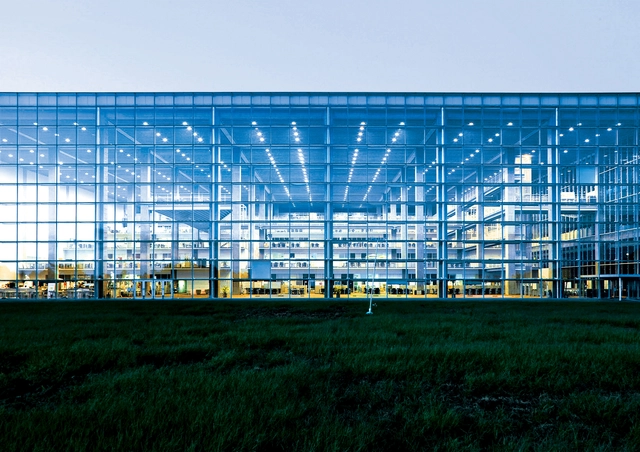
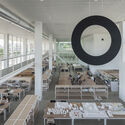
Future University of Hakodate (2005). Image Courtesy of Isao Aihara
Transparency, integration and boundaries are key words for understanding the work of Riken Yamamoto. Winner of the Pritzker Prize in 2024, the Japanese architect's work can be recognized for its ability to establish and challenge conventional spatial concepts of materiality, creating spaces that promote interactions and connections between people and their surroundings. Transparency, whether in the physical configuration of the buildings, the choice of materials used or the underlying philosophy applied to all his works, emerges as a central element throughout his career.
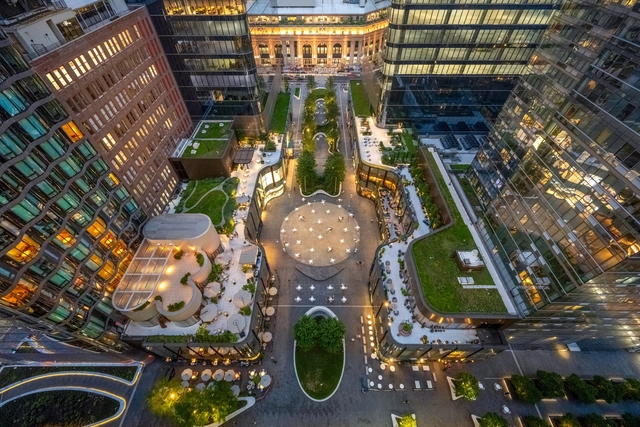
Four years after the onset of the COVID-19 pandemic, its effects are still felt in the construction and real estate sectors in the United States. Accelerated remote work and hybrid schedules are leading to a sharp decline in demand for traditional office space in cities across America. In major metros like New York and San Francisco, occupancy rates have dropped, property values have diminished and rents have fallen significantly. As architects design for the future of work, the real estate market faces divided perspectives on whether to invest in the country's growing inventory of vacant office buildings.
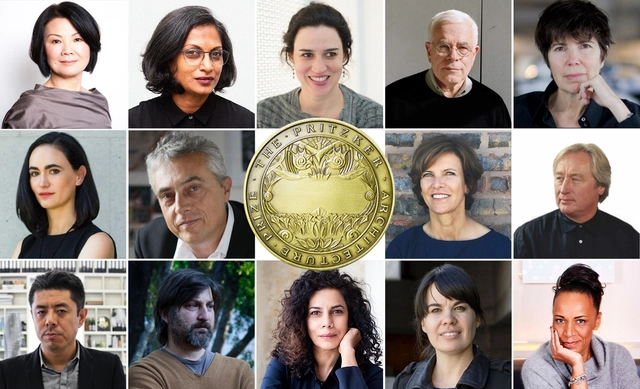
As part of our yearly tradition, we have asked our readers who should win the 2024 Pritzker Prize, the most esteemed accolade in the realm of architecture.
Established by Jay Pritzker and administered by the Hyatt Foundation in the United States, the Pritzker Prize honors living architects, irrespective of nationality, whose architectural contributions "have produced consistent and significant contributions to humanity through the art of architecture."
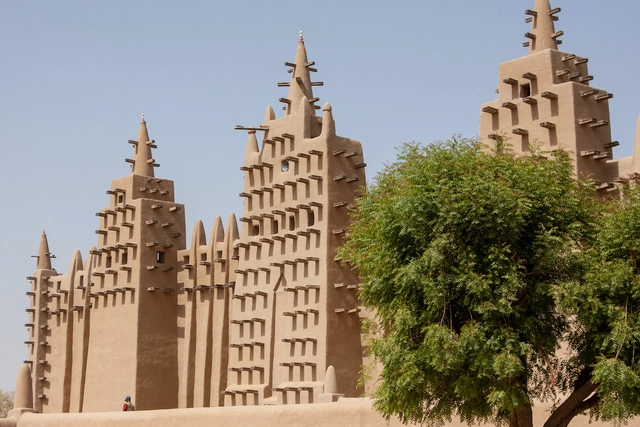
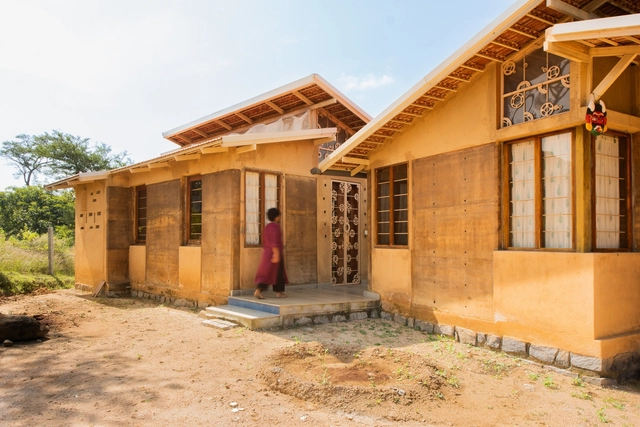
In recent years, India has seen a resurgence of interest in natural building materials, a movement driven by escalating environmental concerns and a growing desire to revive traditional lifestyles. From the busy streets of Mumbai to the serene villages of Kerala, architects, builders, and communities are coming together to experiment with the potential of earth, bamboo, lime, and other organic materials in shaping contextually relevant structures that also embody India's contemporary ideals. The shift towards using natural materials and other vernacular resources reflects a movement towards sustainability and a deeper connection with nature.
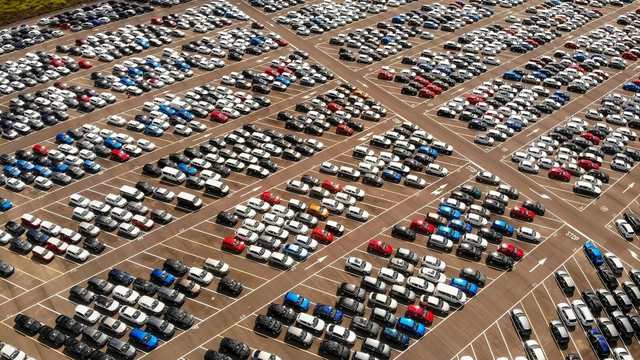
The urban heat island effect occurs when pavements, roads, and buildings absorb the sun's heat and radiate it back, causing the temperature to increase and preventing the city from cooling down. With the growing reliance on cars in cities, the number of urban car park spaces is also increasing to accommodate buildings. This has resulted in the conversion of large areas of pervious land covered with vegetation into impervious hard surfaces for more car parks. The use of materials like asphalt, combined with the lack of shade, reflective steel surfaces of parked cars, and loss of greenery in these extensive car parks, contributes to the amplification of high-temperature effects and extreme heat events, making urban spaces uncomfortable. This transformation is impacting the climate of car-dependent regions and calls for collaborative ideas and efforts to mitigate the negative effects of rising heat.
As cities grow and evolve, the question of preserving, rehabilitating, or adapting historic sites arises. The intervention in such buildings requires a delicate balance between honoring their heritage and meeting contemporary demands. Often, the most innovative and radical solutions emerge when architects attempt to renew a building while maintaining its original footprint and as many features as possible. They then create modern extensions that either harmonize or contrast with the original structure. This approach not only revitalizes the building but also celebrates the synergy between the past and present, including materials, construction technology, architectural movements, stories, and overall building quality. The layering of both old and new elements through harmony or contrast requires an intelligent and sensitive approach that gives the building a unique aesthetic and a new meaning.
As the architecture industry shifts its focus towards greater sustainability and energy efficiency, many modern projects in the world’s hottest (and getting hotter) environments are unearthing more traditional ways to control temperature, light, and ventilation by learning from the past to save us from the future.
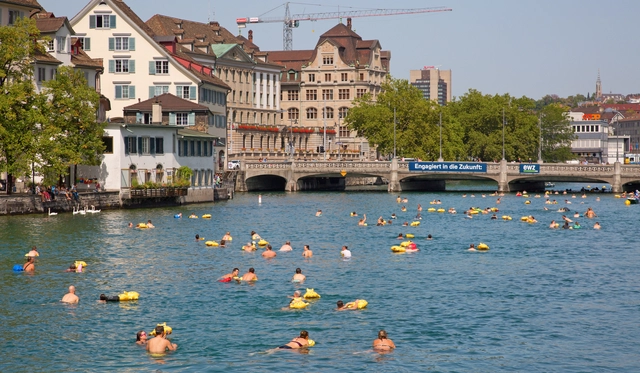
Throughout history, rivers played a crucial role in the social structures of cities. Along riverbanks, communities often congregated for socializing, swimming, and fishing. Swimming in rivers was a popular summertime activity enjoyed by people of all ages. Whether it was the Thames in London or the Seine in Paris, rivers were bustling with swimmers; integrated into urban lifestyles.
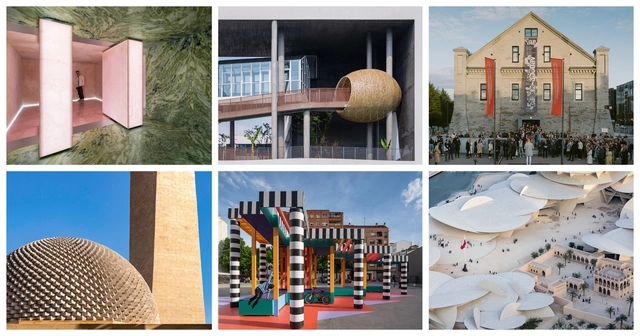
Spanning continents and cultures, architecture-focused events serve as platforms for the gathering of diverse groups of professionals to share innovations and embark on dialogues regarding some of the most pressing matters faced by our profession. Embodying the spirit of collaboration, highlighting local cultures and practices, and fostering open debates, this year’s list of events covers a diverse range of biennales, forums, city-wide celebrations, international fairs, and awards.
Is it possible to assert the existence of a timeless material in architecture from an aesthetic standpoint? Undoubtedly, wood and concrete emerge as strong contenders, not only due to their representation of the solidity, volume, and mass of buildings but also because they provide a broad range of aesthetic possibilities in projects. Concrete, in particular, exhibits greater malleability in comparison to wood. While wood already offers flexible solutions, such as through CLT systems, concrete is derived from a blend of liquid, powder, and an aggregate—a paste that can be poured into a mold, spread over a surface and shaped into various forms.