-
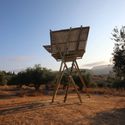
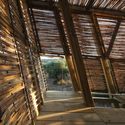
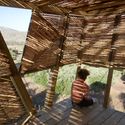
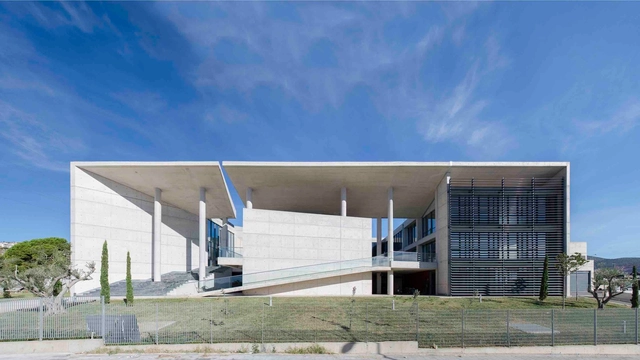
Architects: Hiboux ARCHITECTURE, Studio Genua
- Area: 9 m²
- Year: 2017
-
Manufacturers: Caneplexus





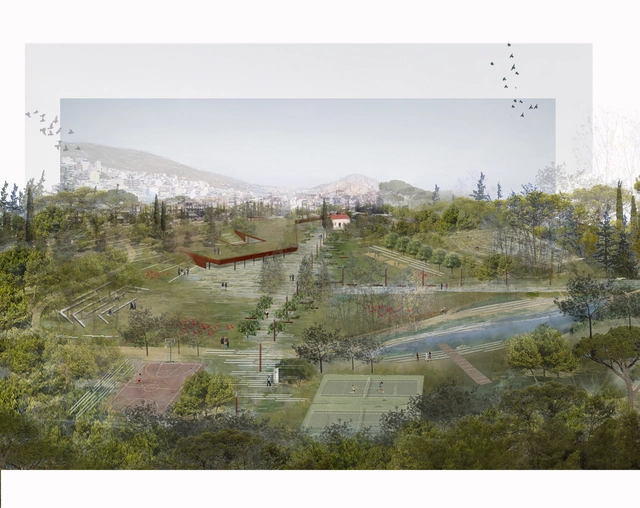
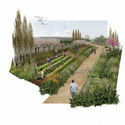
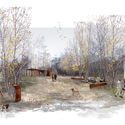
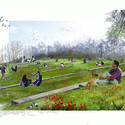
A competition for the transformation of a former cemetery in Nikea, just west of central Athens, has been won by Greek firm Topio7, with a proposal that creates a revitalized public park as a result of “a mutual osmosis between the park and the city”. A number of green buffer zones – “the elastic limit” – are utilized to frame a procession-like journey from the bustle of the city to the calm of the park’s landscape.
Highlighting the importance of the site’s previous use, the architects explain that the “main objective of the project is the creation of an open, accessible public space, a contemporary urban park with ecological-bioclimatic character, with special emphasis on the social dimension and the site’s memory.”
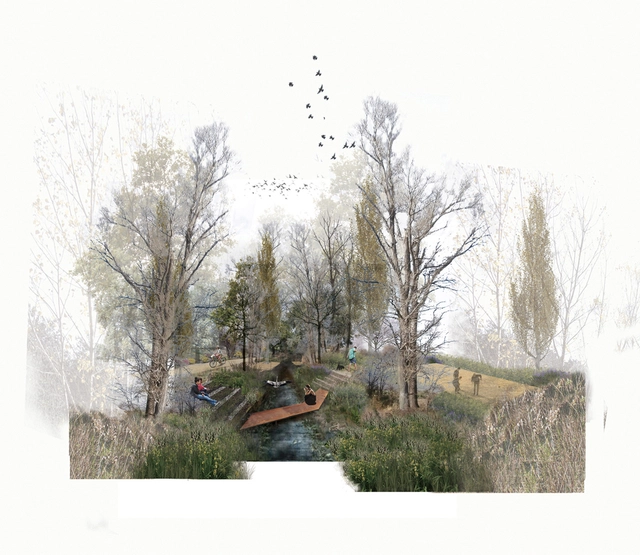
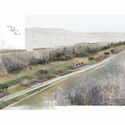
Greek architecture firm topio7 has released image of their competition-winning proposal to create an eco-corridor across former lignite mines in the Western Macedonia region of Greece. Despite its past coal mining activity, the 180,000 Ha region has retained its natural beauty, partly due to the site's inaccessibility and fragmentation. Topio7’s winning proposal, through a measured, sensitive approach, seeks to enhance the area’s natural beauty whilst creating a variety of nodes and eco-corridors to enable public interaction.
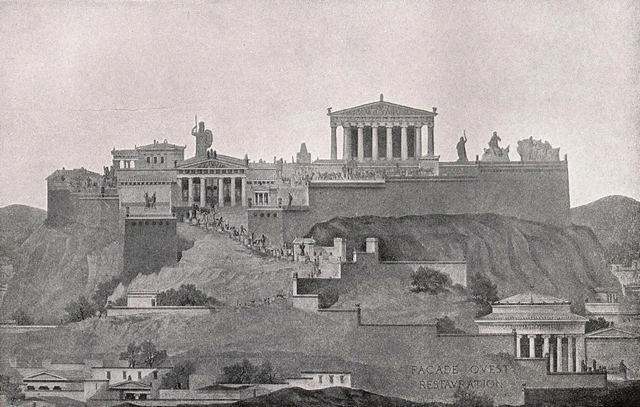
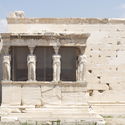
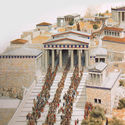
The Parthenon, perhaps the most celebrated example of Classical Greek architecture, was only the first of a series of remarkable buildings to be constructed atop the Athenian Acropolis in the wake of the Persian Wars. Led by the renowned statesman Pericles, the city-state embarked on an ambitious rebuilding program which replaced all that had been razed by the Persians. The new complex, while dedicated to the gods and the legends that surrounded the Acropolis, were as much a declaration of Athens’ glory as they were places of worship – monuments to a people who had risen from the ashes of a war to become the most powerful and prosperous state in the ancient world.