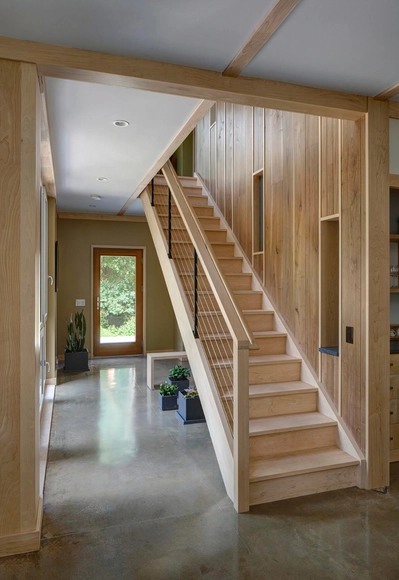
Acorn Glade Passive House. Image Courtesy of Tom Bassett-Dilley Architects
When addressing the world's broader problems—such as the climate emergency, energy crisis, and housing shortage—, we often seek sweeping, grand solutions that could tackle them all at once. As alluring as these ideas may be, they eventually run into the thousands of complexities and interconnections our world presents. But what if we sought more decentralized and domestic solutions? Chicago-based firm Tom Bassett-Dilley Architects has been pursuing just this, focusing on sustainable design, carbon-free and energy-efficient projects for residences, historical buildings, institutions, and commercial projects. In their Manifesto: The New American Dwelling, they argue that the single-family home, once the great American dream, needs to be redefined to emphasize minimalism, efficiency, health, connection with nature, durability, and personal kindness, moving away from wasteful, artificial, and toxic practices. We spoke with Tom Bassett-Dilley, FAIA, CPHC, LFA, and founder of the firm, about some aspects of their work.
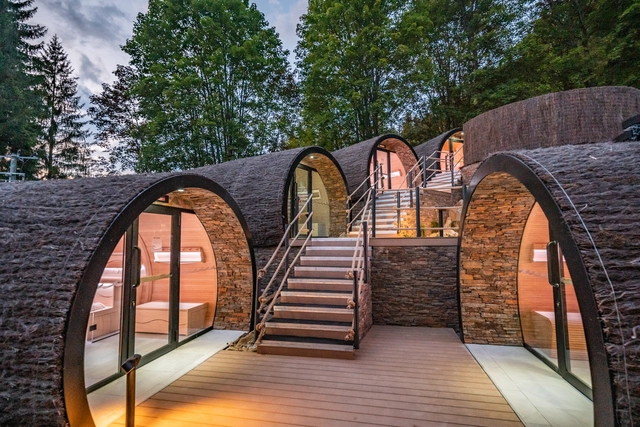
The notion of well-being goes far beyond the absence of disease. It encompasses physical, emotional, mental, and social aspects, reflecting a state of harmony and balance in all these areas. Pursuing well-being is a continuous process that requires comprehensive attention and care for the body and mind, and contact with nature or self-care rituals can also contribute. Indeed, in today’s fast-paced world, dominated by digital devices and urban life, in which truly disconnecting is very difficult, finding moments of peace and connection with oneself and nature has become increasingly important. Integrating well-being practices into outdoor environments offers an attractive solution, combining the therapeutic benefits of natural settings with cutting-edge wellness technology, providing a holistic refuge that nurtures the body and soul, and inviting individuals to relax and reconnect with the world around them.
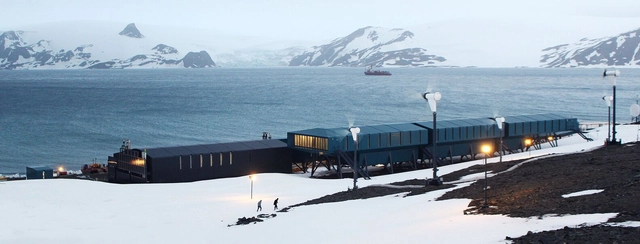
"In various regions of the planet, nature imposes adverse conditions on the human body. In these places, designing a building is almost like creating a garment: an artifact that protects and offers comfort. This challenge requires technological performance that must be combined with aesthetics. Making human beings feel good involves more than just meeting notions of comfort and safety; it's also a question of working with spaces in their symbolic and perceptual dimensions." This is the beginning of the description for the design of the Brazilian Antarctic Station in Antarctica, by Estúdio 41, located on the Keller Peninsula, where the surrounding sea freezes for around six to seven months of the year, where everything and everyone arrives by plane or ship and the nearest hardware store is days away. If designing a building in normal circumstances already presents numerous complexities, it's not hard to imagine the additional challenges when developing something in an extreme environment, such as locations with very high or low temperatures, or in places susceptible to corrosion, radiation, and more. In this article, we will explore the difficulties, the main solutions and the materials used in these contexts.
In the hustle and bustle of modern life, with deadlines, goals, and performance, finding moments of tranquility is essential for maintaining overall well-being and peace of mind. These moments provide a necessary break from daily stresses, allowing the mind and body to reset and thoughts to reorganize. Rituals of relaxation can create a sanctuary of calm amidst the chaos, promoting a sense of balance and peace, providing a healthier and more harmonious lifestyle, and contributing to better physical and emotional health. However, these rituals need not be expensive or complex.
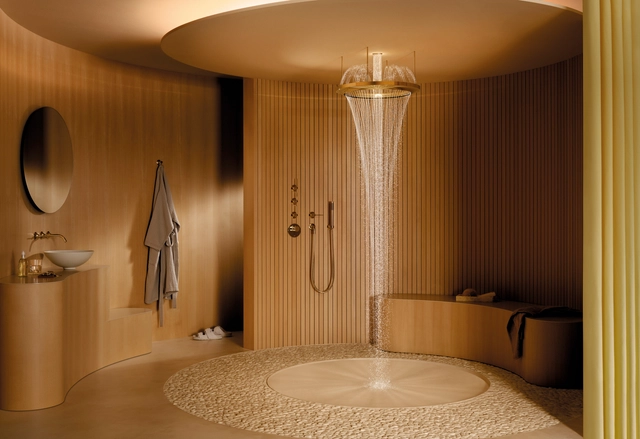
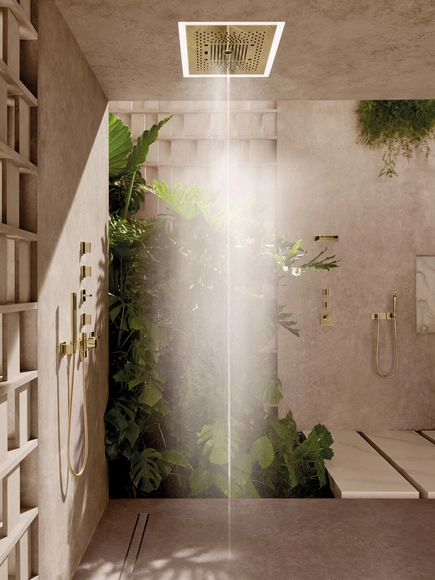
Simple activities, such as breathing exercises, taking a walk in nature, or a relaxing bath, can be extremely effective. In fact, taking time to experience the calming and energizing effects of water can significantly enhance mental clarity, bring new ideas, provide comfort, and improve mood.
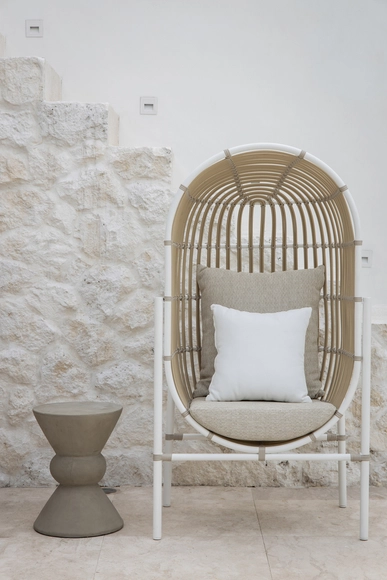
Furniture made from natural materials is widely valued for its beauty and texture, especially when it comes to wood, bamboo, reed, and rattan. However, they often face challenges such as weather damage, pest infestations, and high maintenance requirements like regular cleaning and treatments to prevent fading and structural weakening. Additionally, their lack of uniformity and strength can compromise consistent quality, while harvesting the raw materials can have negative environmental impacts. These issues, combined with inconsistent availability and higher costs, have driven innovations in synthetic materials that aim to replicate the aesthetics of natural products, often using recycled materials to promote sustainability.
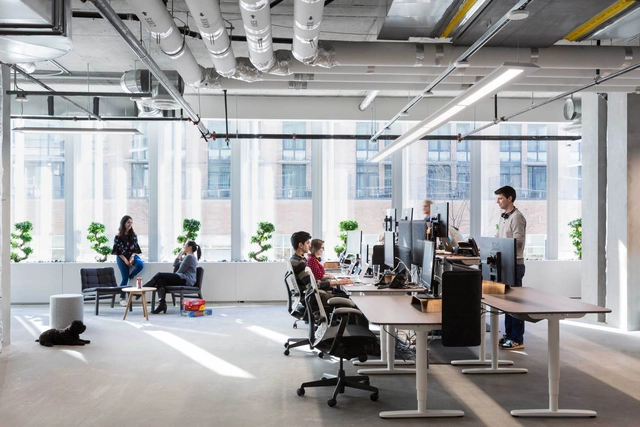
Vibrant colors, ping-pong tables, video games, free food and extravagant decorations. Photographs of the Silicon Valley offices of the early 2000s became the model for ideal, disruptive work environments, meticulously designed to attract and retain new talent in a highly competitive job market. Most importantly, they were the extreme opposite of the famous cubicles of previous decades. Over time, these same companies have invested in creating healthier and more dynamic working environments, giving special consideration to providing contact with nature and better ergonomics for employees. Among the innovations of the past years, the so-called “standing desks” have been gaining popularity, as they offer flexibility and promote a culture of health and well-being. Having the flexibility to work either standing up or sitting down encourages more movement throughout the day and has been proven to improve health and stretching, burn more calories and even increase concentration.
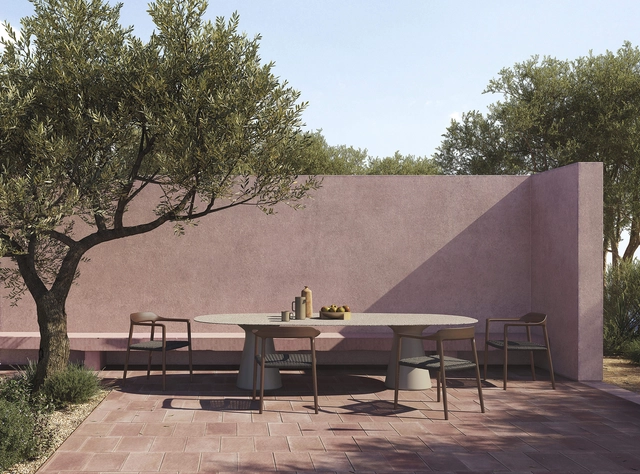
In contemporary architecture, the boundary between indoor and outdoor spaces has increasingly been dissolved. This dissolution establishes a smooth transition between spaces, promoting a sense of harmony and connectivity with the surrounding environment. This trend reflects a fundamental change in contemporary lifestyles, where seamless integration between humans and their environment is increasingly valued and sought after. One of the ways this can be achieved is through fluid spatial arrangements or distinctive architectural elements, such as large windows, open plans and integrated outdoor areas.
Other elements that promote integration and connection are multifunctional furniture. These can play a fundamental role in blurring the boundaries between indoor comfort and outdoor freedom. Andreu World, a Spanish company, offers furniture that transitions easily between indoor and outdoor environments. Three of their furniture lines—Dado, Nuez and Liceo—work especially well in both indoor and outdoor setting.
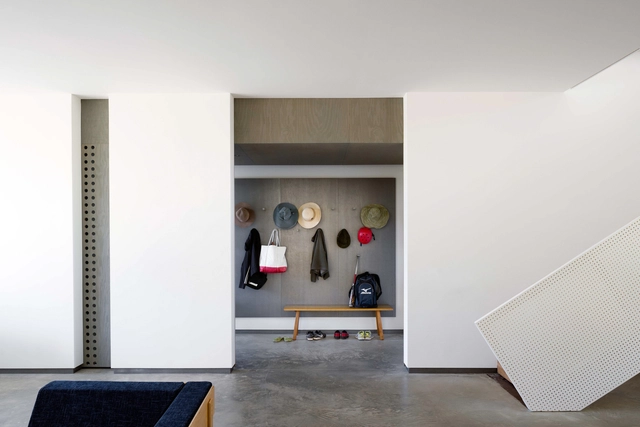
Architects are known for returning from travel with more photos of buildings than people and for having an esoteric vocabulary of their own. Of course, these are clichés that are not always true. But something that unites most designers is the tendency to pay attention to each detail that makes up a project, be it the material that covers the facade, the junction between different floors, how the doors open, the type of window frame, how the forms were put together for concreting, and more. But a detail that often goes unnoticed – and that makes a huge difference in interior design – is baseboards.
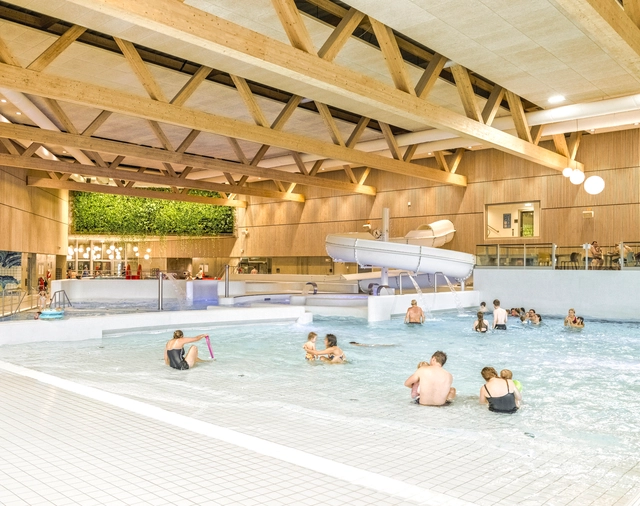
Chroma Pool. Image Courtesy of Courtesy of Agrob Buchtal/photo: Rasmus Hjortshøj
Tinnerbäcksbadet, a leisure center established in 1965 on the shores of a lake in Linköping, Sweden, was showing signs of aging. To revitalize the area and meet the ever-changing demands, the city launched an international architectural competition for a new facility. The winning design, conceived by the Danish firm 3XN, blends modernity and functionality. This integration into the surrounding urban landscape, with the new structure serving as a focal point in a newly reimagined neighborhood square, was crucial to the project's success.
However, it is in the material details and subtle undulations of its layout that the genius of the design is revealed, guiding visitors and users to the indoor spaces and verdant extensions surrounding the bathing lake. The project exudes warmth and sophistication with its palette of natural, earthy colors, through the extensive use of exposed wood, concrete, and ceramic tiles. Manufactured by Agrob Buchtal from natural raw materials, these tiles contribute to the space's elegance while promising longevity, a hallmark of truly sustainable architecture. Covering 18,000 m², the ceramic surfaces play a fundamental role in promoting visual comfort and unifying the entire structure.
Brick is one of the oldest and most versatile materials in construction, going beyond the simple masonry wall. Its origins date back to 7500 B.C., with kiln-fired specimens appearing around 3000 B.C., representing a technological breakthrough for the construction of sturdier buildings. Spreading across Europe and Asia around 1200 BC, they replaced materials such as wood and stone in scarce regions. Roman bricks, notable for their long shape, were widely used in the construction of their cities and are still used today. The history of bricks is intertwined with that of civilization, being an easy-to-produce, resistant and versatile material, allowing for a multitude of applications and achieving impressive and unusual results.
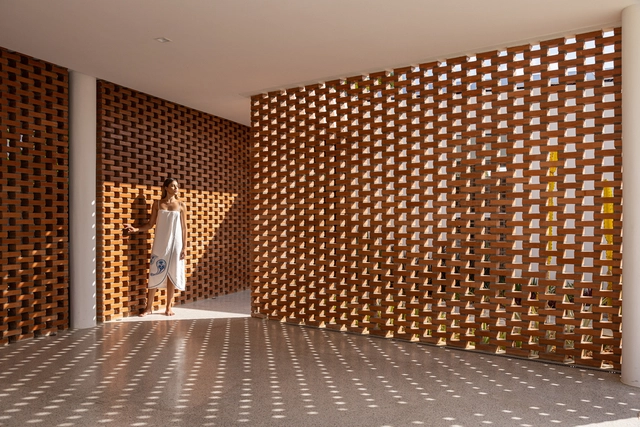
Designed by Coletivo de Arquitetos, the Thai Residence exemplifies the multiple possibilities that brick offers in contemporary architecture. Located in a coastal area in the state of Sergipe, Brazil, this residence not only exemplifies the aesthetics of the material, but also its functionality and adaptability to local conditions. One of the most striking features of the project is its layout in two distinct blocks. The main pavilion houses most of the house's program, while a second connected block houses the gourmet area, services and garage. This configuration provides an intelligent distribution of spaces and harmonious integration with the surroundings.
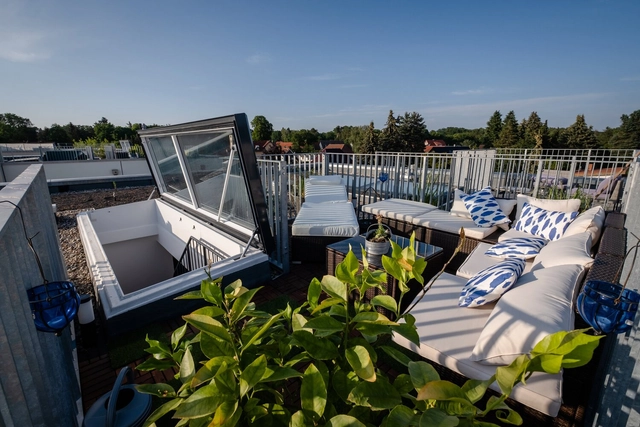
TALE Townhouse - Hohen Neuendorf. Image Cortesia de LAMILUX
Humanity has inhabited cities for millennia and witnessed a shift to a predominantly urban global population since 2010. Throughout this time, it has repeatedly come up with creative solutions to ease the challenges of living in urban environments. The “fifth façade," as Le Corbusier proposed, is a yearning for serenity, greenery and space, and is currently experiencing a growth in popularity, with people transforming rooftops into serene sanctuaries as one way to achieve it. Especially in densely populated areas, the attraction of roof terraces is undeniable, offering a break from the frenetic pace of urban life and a deeper connection with nature.
However, access to these spaces requires care, especially when it breaks through the roof slab. This requires seamless integration with the space below, technology to enable water-tightness and visual connection, along with easy handling for opening and closing. Designed with functionality and aesthetics in mind, these access hatches can integrate seamlessly into the roofscape, offering convenient access, adding value to the property, increasing its appeal to potential buyers or tenants, and creating a symbiotic relationship between architecture and lifestyle, where innovation drives desirability.
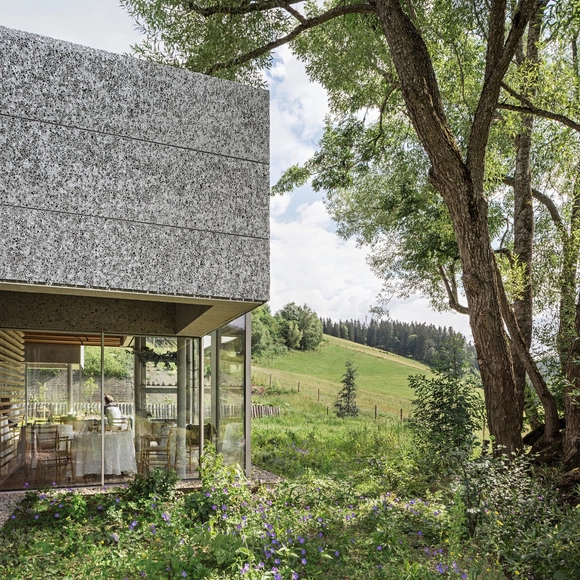
The use of contrast is an essential practice in both cuisine and architecture, whether it's harmonizing different aromas and flavors or integrating buildings from different eras. This principle comes to life in a striking way at the top of the imposing Austrian Alps, where the Steirereck am Pogusch restaurant strives for culinary excellence, architectural mastery and the fusion of tradition and innovation. Under the guidance of PPAG architects, the establishment has undergone a revitalization and expansion marked by a deep respect for nature, while making a bold statement of contemporary design.
Videos
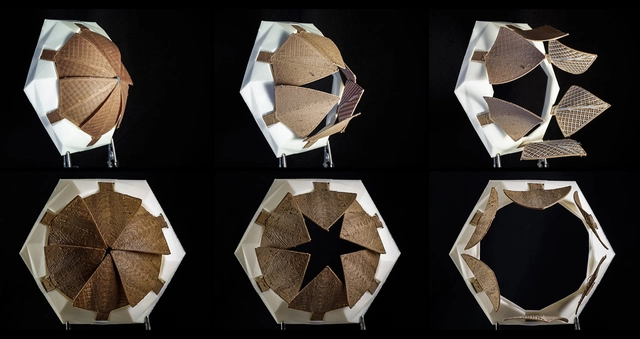
Fused filament fabrication for multi-kinematic-state climate responsive aperture. Image Cortesia de David Correa / Achim Menges
While we are still trying to understand the possibilities and limits of three-dimensional printing and additive manufacturing, a new term has emerged for our vocabulary. 4D printing is nothing more than a digital manufacturing technology -3D printing- which includes a new dimension: the temporal. This means that the printed material, once ready, will be able to modify, transform or move autonomously due to its intrinsic properties that respond to environmental stimuli.
The concept was popularized by researcher Skylar Tibbits, who coordinates the Massachusetts Institute of Technology (MIT) Self-Assembly Lab, in collaboration with Stratasys and Autodesk. The technology is still quite new, but it is expected to be used in many fields, from construction, infrastructure, automobile and aeronautics and even for healthcare, combined with bioprinting.
Water is fundamental to human life on several levels, and encompasses a spectrum of meanings that transcend the biological sphere, reaching the cultural and spiritual spheres. Biologically, it is indispensable, making up approximately 70% of our bodies and playing a central role in our physiological functions, from temperature regulation to vital cellular processes. Culturally and spiritually, water has deep significance, symbolizing purification, renewal and spiritual rebirth in a multitude of rituals and ceremonies performed in different cultures over the centuries.
In architecture, the presence of water is equally important, going beyond its basic cleansing function to encompass a rich diversity of meanings and influences. From the majestic Roman baths, where water was used for hygiene and also represented social status, offering moments of entertainment and relaxation; to contemporary bathrooms, where water is skillfully integrated to create luxurious and invigorating spa experiences. Its presence goes beyond the functional aspect and is also deeply symbolic. Evoking feelings of purification, renewal and serenity, water enriches architecture with an emotional and aesthetic dimension that transcends the boundaries of time and culture.
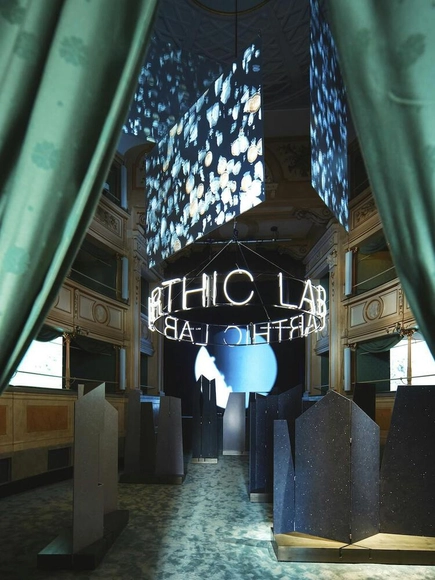
Milan Design Week is a celebration of creativity, innovation and excellence in design, captivating audiences from all over the world. It is an event that encompasses various design-related exhibitions and activities in Milan, while Salone del Mobile is Milan Design Week's main trade fair focused specifically on furniture and interior design. Every year, the city is transformed into a vibrant hub where designers, architects, artists and enthusiasts converge to explore the latest trends, ideas and innovations in the world of design. The instance is a catalyst for inspiration, promoting dialogue, collaboration and discovery across a range of design disciplines, from furniture and interior design to architecture, fashion and more.
In 2024, the event witnessed a strong presence of Spanish brands among the many exhibitors. This impact was fostered by ICEX (Spain Trade and Investment), a Spanish government agency responsible for promoting the internationalization of companies and the expansion of the country's exports, providing support and services to companies looking to enter or expand in international markets. In addition, the institution organizes trade missions, participates in international fairs and exhibitions and provides training and consultancy services to Spanish companies looking to succeed in the global market. Here is a summary of the exhibitions and activities of seven outstanding Spanish brands at the various events that took place during the week of April 15-21, 2024 in Milan.
In the Brazilian architectural scene, Felipe Savassi stands out for being a unique mix of designer and communicator. He shares his passion for architecture and his entrepreneurial vision with his thousands of students and followers on social media, with content that seeks to promote an approach centered on the promotion of industrialized and modular construction. With a degree in Architecture and Urbanism from the Isabela Hendrix Institute in Belo Horizonte, his professional activity is supported by four essential pillars: design and execution of architectural projects, education, mentoring and consulting, and a strong commitment to communication and content dissemination.
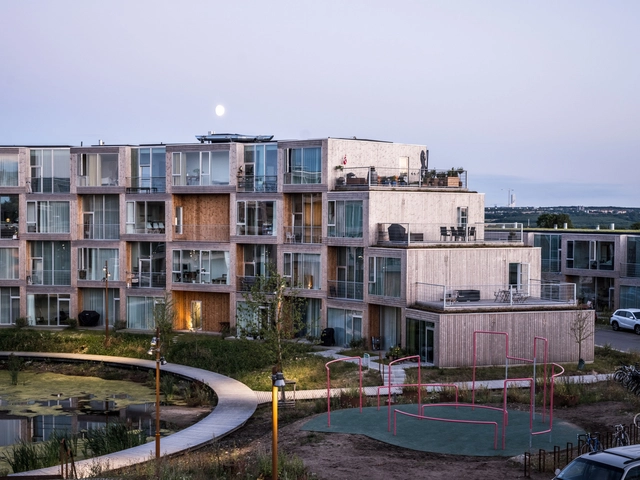
Architectural awards serve as a fundamental platform within the profession and the wider community. They recognize and celebrate outstanding achievements in architectural projects, promoting excellence and innovation, while also providing visibility and exposure for architects and companies, highlighting projects that might otherwise go unnoticed. This impact is particularly evident in collective housing projects, which face a range of challenges, from issues of cost and compliance with urban planning legislation to the need to create welcoming and functional environments for residents. By highlighting diverse initiatives and approaches, awards inspire and educate, stimulate dialogue and the exchange of ideas, and contribute significantly to the advancement of architecture by recognizing projects that address specific themes such as sustainability or social impact.
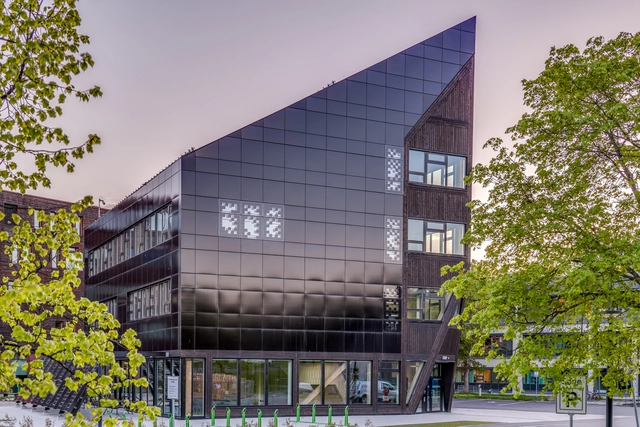
ZEB Living Lab is a research building that stands out for its pioneering initiative among zero-emission buildings, seeking to have a significant impact on the future. Located in Trondheim, Norway, it is much more than just a building; it is a tangible manifestation of the global commitment to sustainability and innovation. Conceived as an advanced research laboratory and a practical example of sustainable construction practices, it represents the point of convergence between architecture, technology and environmental awareness. Managed in collaboration between NTNU (Norwegian University of Science and Technology) and SINTEF (Scandinavian Institute of Technology), this center of scientific excellence is a platform for living experimentation, where innovative materials and solutions are developed, tested and demonstrated in direct interaction with the building occupants.