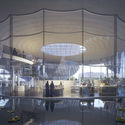
Zaha Hadid Architects were selected along with Esplan from Estonia to design the new terminal of the Rail Baltic railway at Ülemiste, Tallinn. Their proposal for the starting point of the Rail Baltic line connecting Tallinn, Riga and Vilnius with the European high-speed rail network, has been awarded the first place in the design competition.
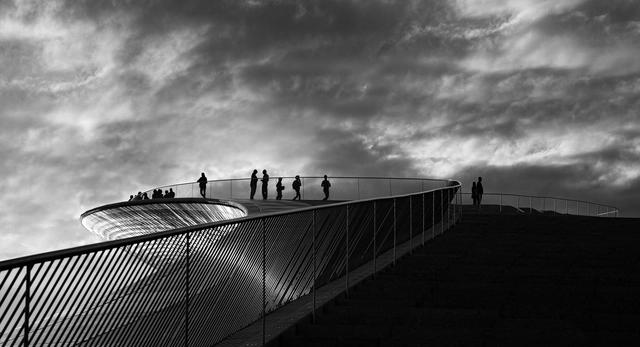
The Museum of Art, Architecture and Technology, Lisbon, Portugal by Amanda Levete shot by Inge Schuster. Image Courtesy of The Architectural Photography Awards 2019
The Architectural Photography Awards 2019 has revealed its shortlisted images under 6 categories: Exterior, Interior, Sense of Place, Buildings in Use, Mobile, and Portfolio. Sponsored by Sto and supported by the World Architecture Festival (WAF), this year’s lineup was selected from nearly 2000 entries from 42 countries.
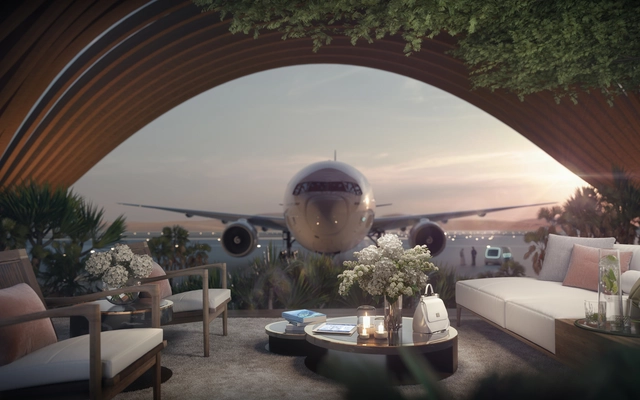
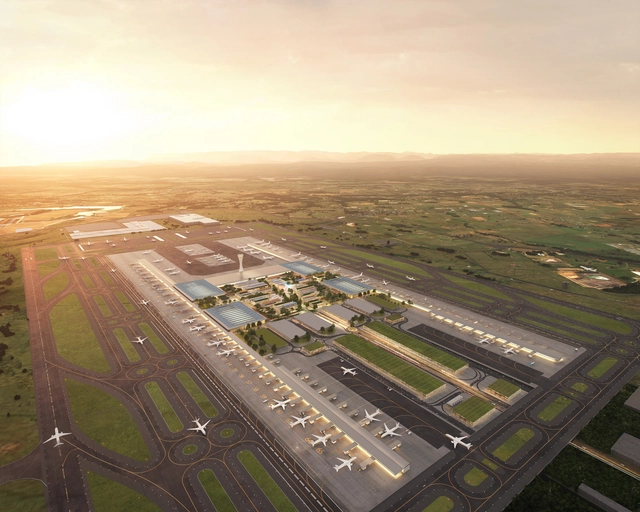
Foster + Partners have released their design for the new Red Sea Airport, expected to welcome one million visitors by 2030. Inspired by the forms of the desert, the green oasis and the sea, the terminal building aims to provide a new type of experience, diverging from the common hassles of airports.
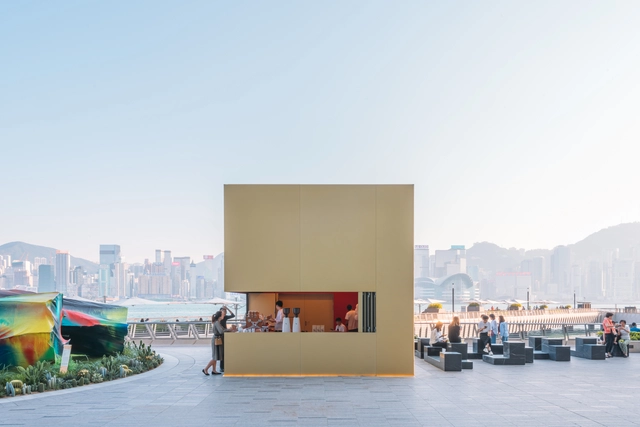
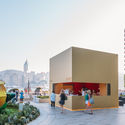
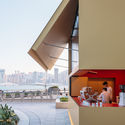
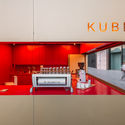
OMA revealed the KUBE, an installation located in front of the main entrance of K11 MUSEA, on Hong Kong’s waterfront. The multi-functional installation creates an urban landmark, amidst the dense skyline of the city, through very simple yet engaging geometry.
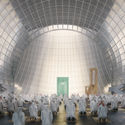
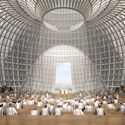
Romanian architecture office CUMULUS, won the first prize in the solutions contest to design Romania’s National Pavilion at Expo Dubai 2020. Entitled “New Nature”, the sensory experience will focus on the importance of natural elements.
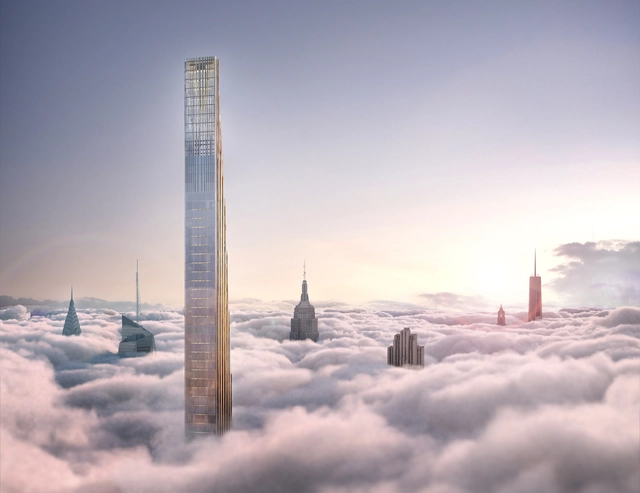
Courtesy of JDS Development Group/ 111 West 57th Street
Centered over Central Park in Midtown Manhattan, 111 West 57th Street, the second tallest residential building in the Western Hemisphere has topped out at 1,428 feet. Designed by SHoP Architects with interior architecture by Studio Sofield, the tower is considered the most slender skyscraper in the world.
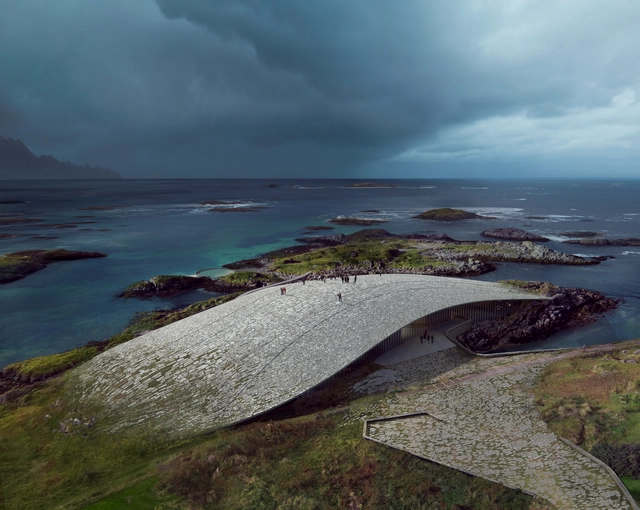
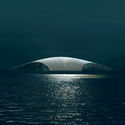
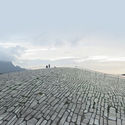
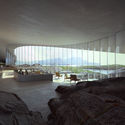
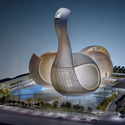
The Danish architecture firm Dorte Mandrup A/S won the international competition to design “The Whale”, a new touristic attraction for northern Norway, that will tell the stories of the majestic sea creature through art, science, and architecture.
City of the Future is a bi-weekly podcast from Sidewalk Labs that explores ideas and innovations that will transform cities.
In the third episode from season 2, hosts Eric Jaffe and Vanessa Quirk discuss the future of mobility in cities and share ideas that would make it way easier to get around without owning a car. In the podcast, author Horace Dediu talks about micro-mobility; TriMet's Bibiana McHugh tells the story behind GTFS and the OpenTrip Planner; MaaS Global CEO Sampo Hietanen explains the concept of Mobility as a Service (MaaS); and Sidewalk Labs' Corinna Li explains what Mobility on Demand could be like in the city of the future.
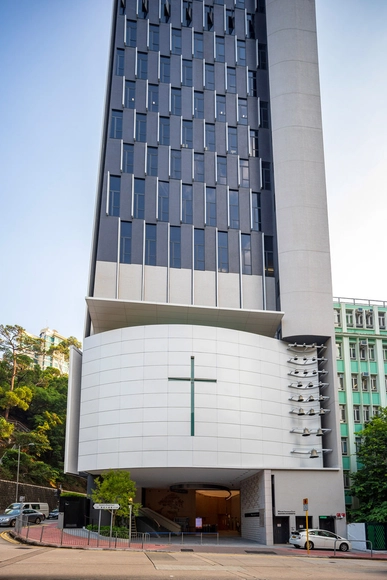
Rocco Design Architects created a vertical church, on a challenging site in Wan Chai District, Hong Kong. The Wesleyan House Methodist Church, with its 11,000m² program, sits on a tight 800m² plot, making it inevitable to go up and generate a skyscraper structure.
Courtesy of Carmody Groarke/ TRANS architectuur | stedenbouw
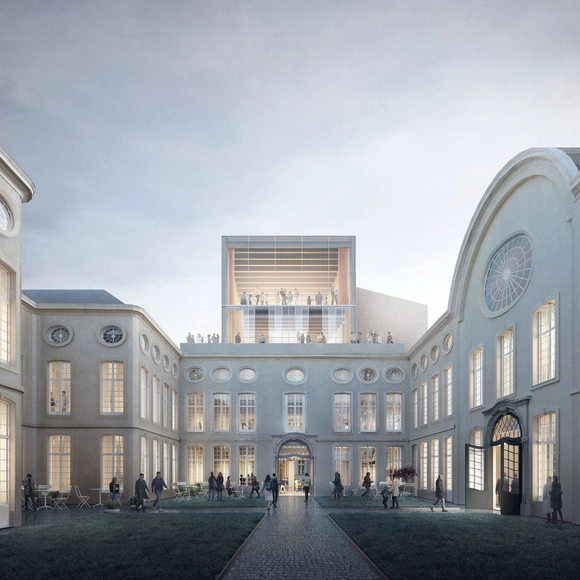
Carmody Groarke and TRANS architectuur | stedenbouw have won the Baumeister international competition to design an extension to the Design Museum Gent. Putting in place an innovative architecture, the project stands out from its historical context and encourages the city to explore new grounds.
Courtesy of Coldefy & Associés with RDAI_onePULSE Foundation
OnePULSE Foundation has selected Coldefy & Associés with RDAI, Orlando-based HHCP Architects, Xavier Veilhan, dUCKS scéno, Agence TER, and Prof. Laila Farah, to design the National Pulse Memorial & Museum.
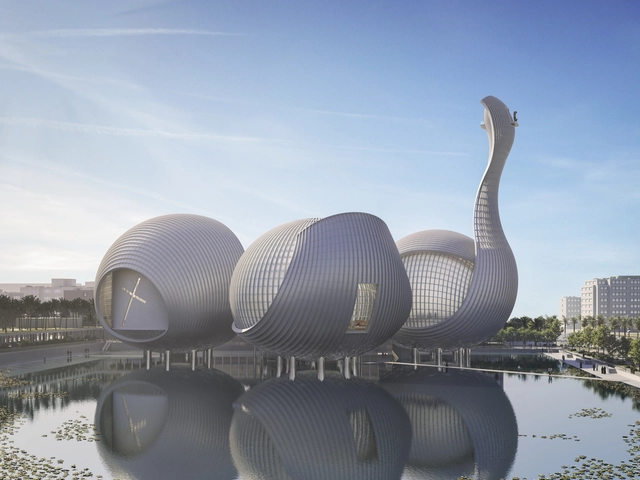
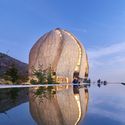
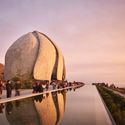
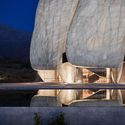
Safdie Architects’ entry for the Abrahamic Family House competition located in the Saadiyat Island Cultural District, in Abu Dhabi, brings together a mosque, a synagogue, and a church within a shared public park.
Designed by BIG, in collaboration with Allied and Westbank, KING Toronto portrays architecture’s ability to create a community and meet the challenges faced by society nowadays. Located in Canada’s King Street West neighborhood, the project is a direct response to the context.
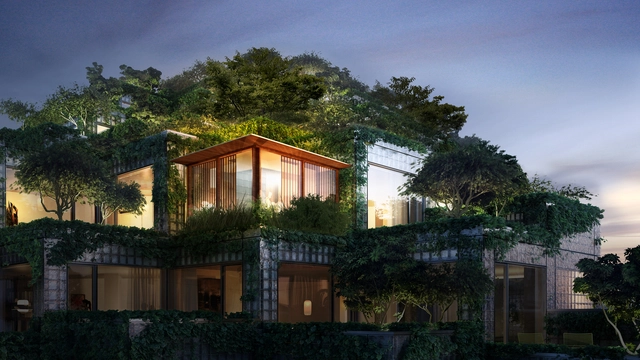
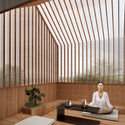
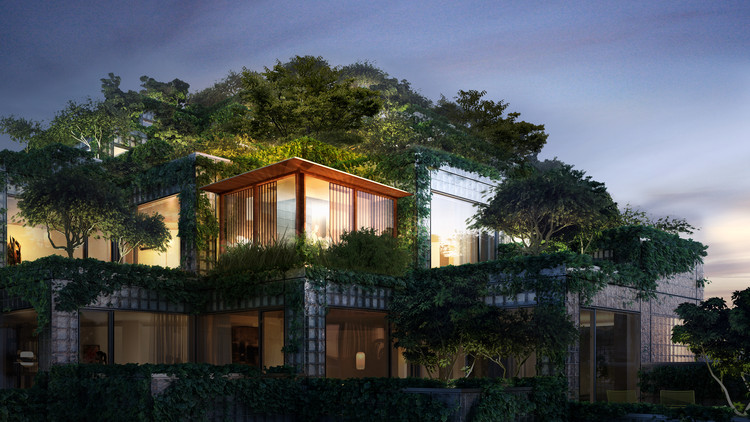
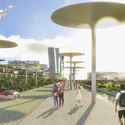
Commisionned by Grupo Karim's, and designed by Stefano Boeri Architetti, the first Smart Forest City in Mexico will focus on innovation and environmental quality. The city balances green and built spaces, and is completely food and energy self-sufficient.
The annual DesignIntelligence architecture school ranking for 2020 classified the establishments according to the “most admired” rather than the “best”, for the second year in a row. The subjective classification is based on the responses of hiring professionals.


.jpg?1573206551&format=webp&width=640&height=580)
.jpg?1573206665 "Courtesy of Zaha Hadid Architects")


.jpg?1573207055 "© ZOA Studio, courtesy of Zaha Hadid Architects")
.jpg?1573206551)

.jpg?1573034019&format=webp&width=640&height=580)
.jpg?1573033673 "Courtesy of CUMULUS")
.jpg?1573034300 "Courtesy of CUMULUS")
.jpg?1573034325 "Courtesy of CUMULUS")
.jpg?1573034081 "Courtesy of CUMULUS")
.jpg?1573034019)


.jpg?1572951787&format=webp&width=230&height=230&crop=true)








.jpg?1572522806&format=webp&width=640&height=580)




.jpg?1572274326&format=webp&width=640&height=580)
.jpg?1572274134 "Courtesy of The Big Picture")
.jpg?1572271629 "Courtesy of Stefano Boeri Architetti")
.jpg?1572274101 "Courtesy of The Big Picture")
.jpg?1572274326)