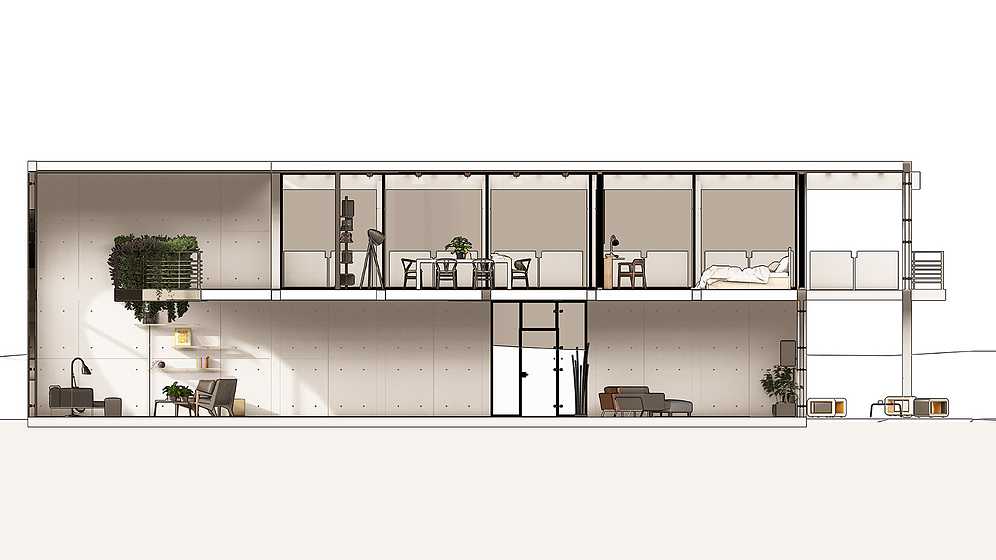
Produce personalized presentation boards that distill complex concepts into simple visual representations with a few helpful tools and effects.


Produce personalized presentation boards that distill complex concepts into simple visual representations with a few helpful tools and effects.
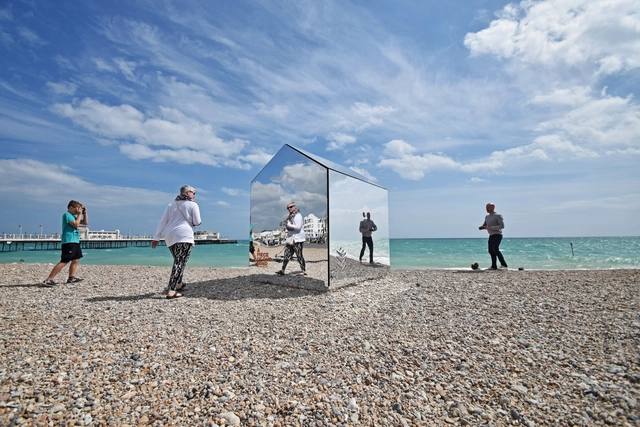
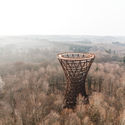
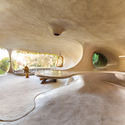
Throughout history, simple structures have constituted one of the most common forms of human expression. Small-scale housing, shelters, and viewpoints have been shaped by myriad materials that effectively created - depending on the techniques used - different forms of response to the same need.
Here is a compilation of 20 small-scale projects that stand out due to their small size and their simple, practical structures.
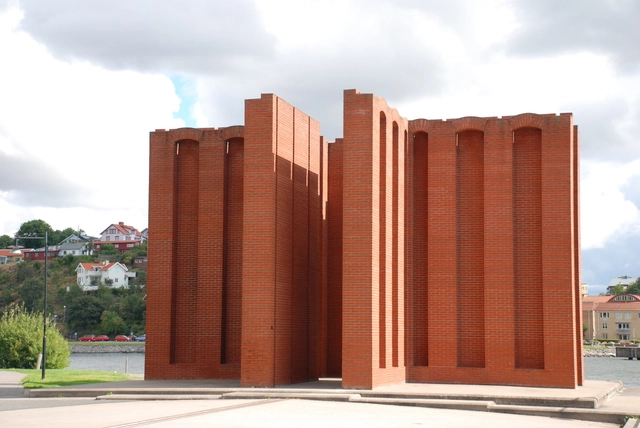
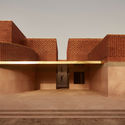
The interview Per Kirkeby: "We Build Upon Ruins" published on Louisiana Channel not only showcases the colorful canvases of the Danish painter, sculptor, filmmaker, and writer, but also his own reflections on the importance of surroundings that "give us so much baggage." It's this very idea that Kirkeby brings to his brick sculpture displays, where something simple and sometimes useful puts aside inaccessible conceptualism to pay homage to the surroundings rather than the sculptures themselves.
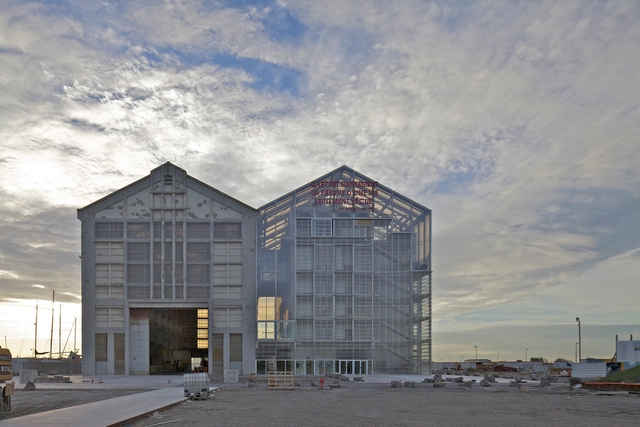
Human economic activities are naturally dependent on the global ecosystem, and possibilities for economic growth may be limited by the lack of raw materials to supply factory and trade stocks. While for some resources there are still untapped stocks, such as certain metals and minerals, there are others, such as fossil fuels and even water, with serious availability issues in many locations.
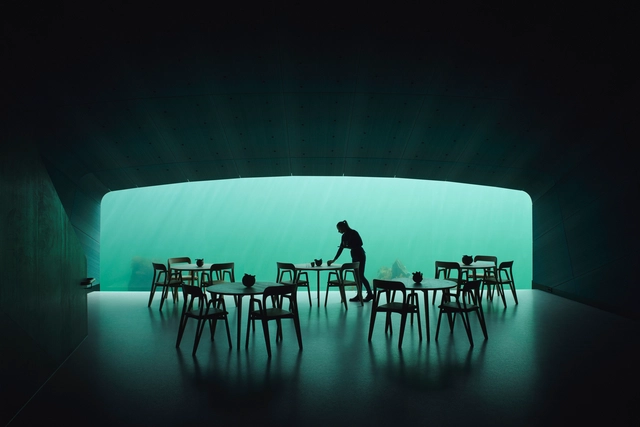
This December, we at ArchDaily take a moment to review what happened during the past year -- you have already seen posts with the best architecture projects, the best books, the best articles and much more. Now it's time to review the most bookmarked projects by our readers all over the world on MyArchDaily.
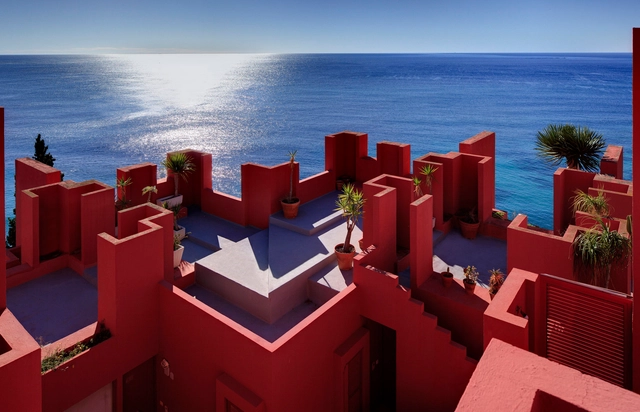
In their recent interview for the Time Space Existence video series, Plane-Site, through the support from the European Cultural Centre, interviewed Spanish architect Ricardo Bofill. The series will be exhibited in the biennial exhibition in Venice, opening May 21-22, 2020.
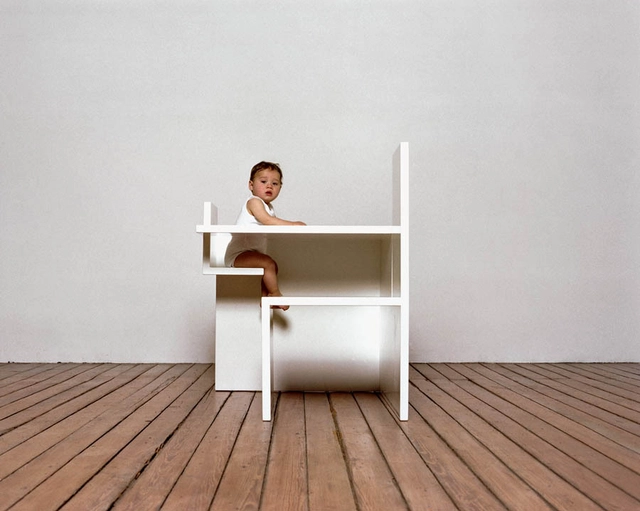
Designers, curators, and entrepreneurs are scrambling to make sense of motherhood in a culture that’s often hostile to it.

At their most extravagant, the tendriled seed pods of the Nigella damascena flower resemble the curled necks of swans in a Tunnel of Love. Its fringed, quick-growing blooms have long appeared in English cottage gardens, and in southern Europe and North Africa, where the species grows wild. In the United States you can purchase a packet of its seeds—around 2,200 of them—for about $6.

What happens when the sensor-imbued city acquires the ability to see – almost as if it had eyes? Ahead of the 2019 Shenzhen Biennale of Urbanism\Architecture (UABB), titled "Urban Interactions," ArchDaily is working with the curators of the "Eyes of the City" section at the Biennial to stimulate a discussion on how new technologies – and Artificial Intelligence in particular – might impact architecture and urban life. Here you can read the “Eyes of the City” curatorial statement by Carlo Ratti, the Politecnico di Torino and SCUT.
Architectural practice naturally results in an extraordinary accumulation of visuals and archival media that demand sorting, cataloguing, and organizing at a certain moment in time in order to avoid their amorphous accumulation to invade the working order of a firm. Tagging, numbering and classifying the accumulated traces of architectural creativity and data, has become a way of organizing the log of creative options and scenarios developed in practice, a directory of successful examples and of failures, all arranged to be used as a self-referential working catalogue of options that may be mobilized at any moment in time.
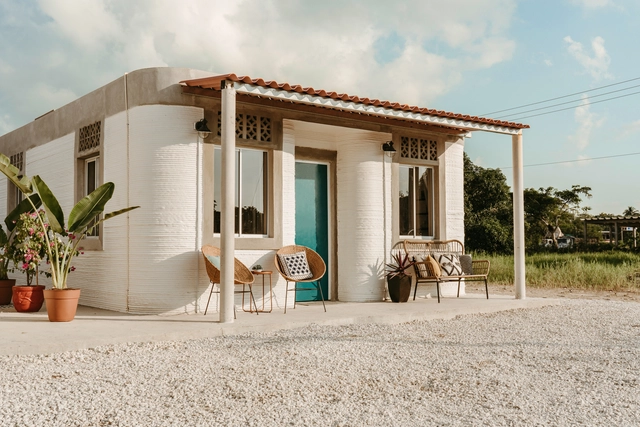
The world’s first 3D printed community is currently underway in a remote area in Mexico. The printer has been created as a solution to minimise homelessness and provide safe and adequate shelter for individuals.
New Story, a not for profit organisation, which was founded five years ago, aims to provide adequate shelter/housing for people exposed to extreme poverty and unsafe housing. New Story, to date, have constructed 2,700 homes catering for 15,000 people located in areas such as Haiti, El Salvador, Bolivia and Mexico. For these homes they have used traditional construction methods and in the past two years have started to explore innovative construction solutions for faster building production that caters for the ever changing social housing sector and housing crisis.
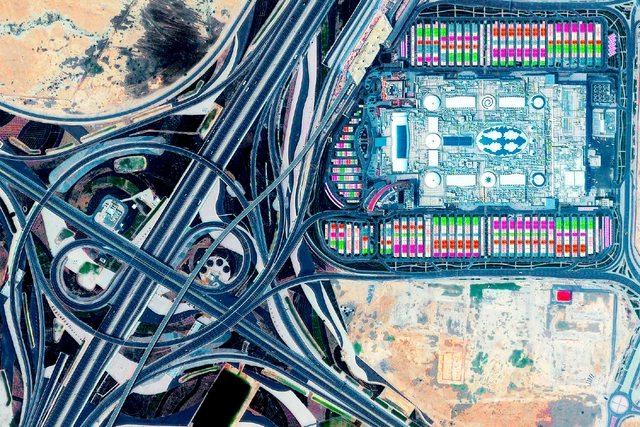
Log 47 reconceives architecture’s role in climate change away from sustainability and solutionism and toward its formal complicity and potential agency in addressing the crisis. In this excerpt from her introductory essay, guest editor Elisa Iturbe defines carbon form as a necessary new way of understanding architecture and urbanism in order to develop a new disciplinary paradigm.
Until now, most environmental discourse in architecture has focused on carbon as a by-product of building and construction, making it seem that at the ecological brink, the most pressing concern is energy efficiency. This stance compartmentalizes the discipline and dislocates the origin of the climate crisis from the dominant political, economic, and spatial organizations that are its cause. In response to this dislocation, Log: 47 Overcoming Carbon Form reconsiders the link between architecture and climate by exploring the reciprocity between energy and built form. To do so, energy must be understood beyond its technical capacity, viewed instead as a political and cultural force with inevitable spatial repercussions.
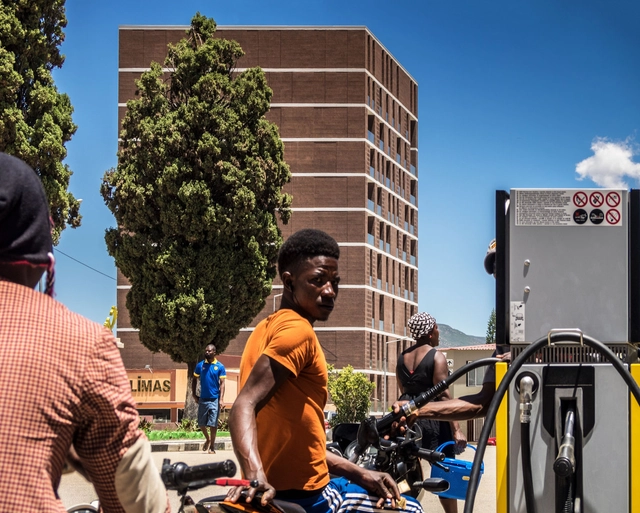
Angola, like many African countries, is experiencing a process of rapid urbanization. For the most part, these changes are happening under little to no regulation, filling cities with spaces that lack the infrastructure to provide a basic quality of life for residents. However, in spite of this unregulated development, it's worth noting the quality of contemporary architecture being produced in the second-largest Portuguese-speaking country, where projects draw inspiration from the strong local identity and blend with modern materials and technology.
In this article, we highlight 4 current projects in Angola. While it is a small sample, not only from the capital city of Luanda, but from smaller cities as well, it showcases the richness of Angola's local architecture--an art form that deserves worldwide recognition.
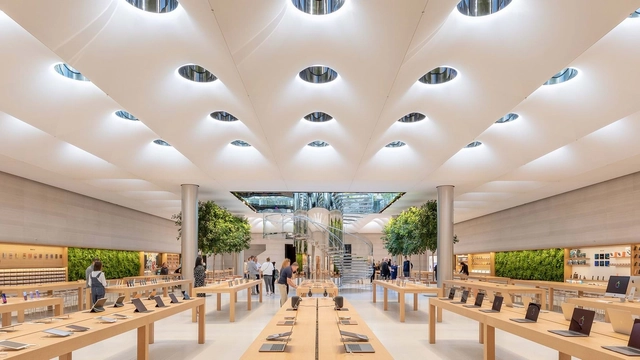
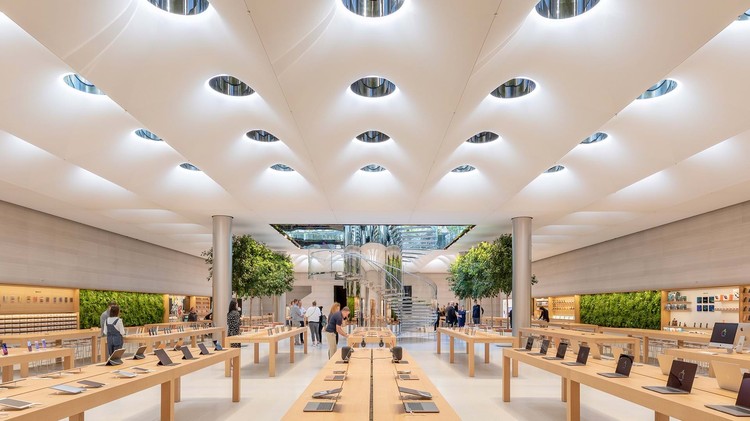
At first glance, it seems that Apple's strong retail design has derived from consistent design. But since Steve Jobs opened the first Apple Store in 2001, the brand has changed its store and lighting design concept five times. Thereby change appears as a central factor when a brand grows and expands internationally. For each period Apple developed sophisticated details and has strived for the perfect sky in their store - a smart strategy to enhance naturalness and sustainability.
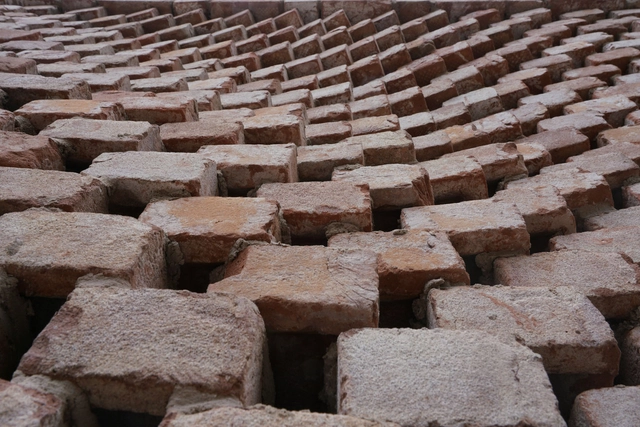
Being up to date with new technologies, understanding the best solutions for each project, and knowing the products present in the market and those that will be used in the future. We have observed that these themes arouse great interest in the architects, students, and architecture lovers who visit our site every day. In 2019, ArchDaily began to focus more on materials, covering products, construction techniques, and raw materials in general. The year is coming to an end, so we have compiled the most viewed articles on these topics, trying to understand what they imply for the present and where they will take us in the coming years.
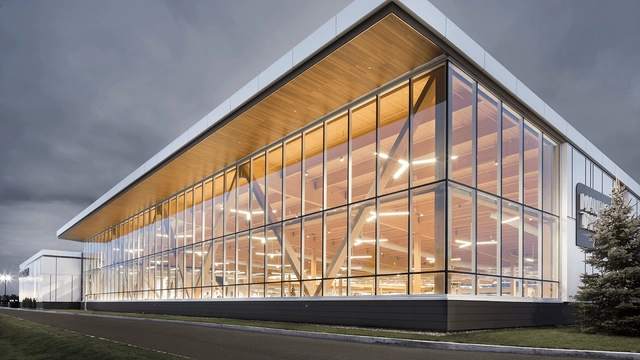
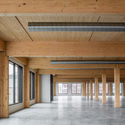
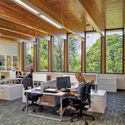
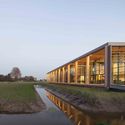
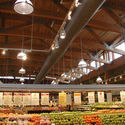
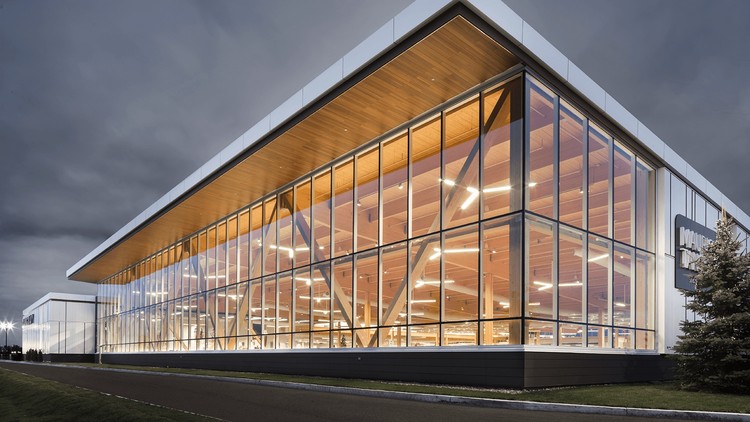
When it comes to commercial and industrial buildings that need to stand the test of time, wood is proving it has the necessary resilience and strength, while offering unique advantages over steel and concrete. In retail and office spaces, wood not only offers remarkable durability, but introduces a much-desired aesthetic warmth once absent from such environments. Adding mass timber to these spaces is a kind of modern-day revival of the century-old timber post-and-beam buildings of the past. What’s old becomes new again, but with all the state-of-the-art technologies and sustainable features expected in today’s commercial buildings.
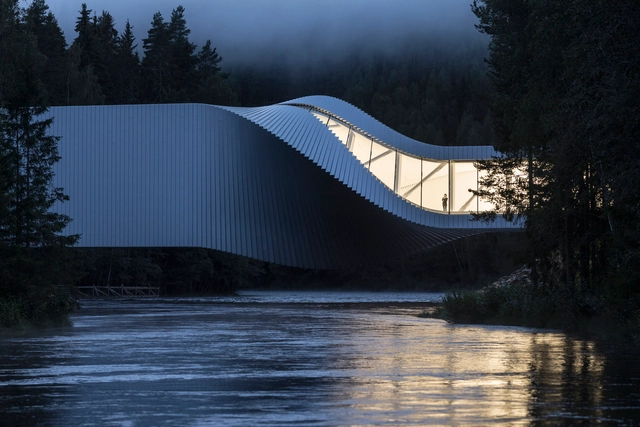
Because, for all the inspirational works across the world, we would be lost without the photographers dedicated to sharing this inspiration with us. Here we present to you the most influential architectural photographs of the year.
Other than curating amazing architecture, ArchDaily is well-known for producing exclusive content and cutting-edge editorial pieces. Sought-after, these articles are produced by a highly experienced team of editors, scattered around the world, generating writings in 4 languages.
Moreover, our platform has pushed its educative status, furthermore this year, in order to function as a comprehensive tool for Architecture. 2019 has given us an abundance of materials to explore, and our editors have tackled with different possibilities, from highlighting technical information, material guidelines, theoretical and conceptual approaches to investigating the digital realm, cities, and traveling. Read on to discover a curated selection from our readers’ most notable articles for 2019.
_7898.jpg?1576293443&format=webp&width=640&height=580)
Architectural Photographer Laurian Ghinitoiu recently won in three categories in the Architectural Photography Awards 2019. The categories where he received awards were Social Housing, Exterior and Buildings in Use.
What started as a curiosity for Ghinitoiu, photography, through hard work and passion soon became a lifestyle and a continuous journey around the world. To date, this journey, has allowed him to receive an improved and more complex understanding of architecture, where he documents the built environment.
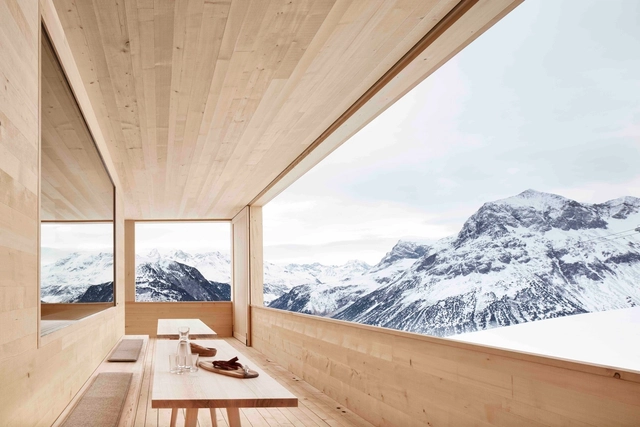
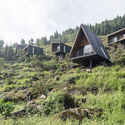
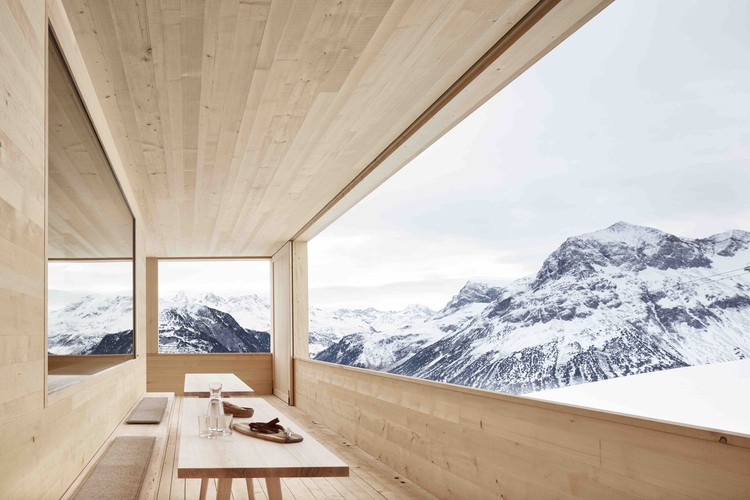
The mountains—one of the contexts that almost every architect would like to build in at least once. And yet even though it's an attractive setting, the associated challenges, including, but not limited to the sheer remoteness of mountain regions and their distance from basic services, make building in the mountains particularly demanding.
We've compiled a selection of 15 incredible works of architecture that maximize the breathtaking surroundings found in mountainous areas, featuring photographs from Felipe Camus, Janez Martincic, and Anze Cokl.
.jpg?1576062728&format=webp&width=640&height=580)
What happens when the sensor-imbued city acquires the ability to see – almost as if it had eyes? Ahead of the 2019 Shenzhen Biennale of Urbanism\Architecture (UABB), titled "Urban Interactions," Archdaily is working with the curators of the "Eyes of the City" section at the Biennial to stimulate a discussion on how new technologies – and Artificial Intelligence in particular – might impact architecture and urban life. Here you can read the “Eyes of the City” curatorial statement by Carlo Ratti, the Politecnico di Torino and SCUT.
Cities, as Goethe had already pointed out, should be understood as continuously developing 'forms in motion' (see Batty 2018). In the past, technological developments and our hopeful, as well as our dystopian imaginations of them, have been one of the main sources of kinetic energy to kick-off the shapeshifting processes of urban transformations. Most of the time with unexpected side-effects, evolving center stage in retrospect.
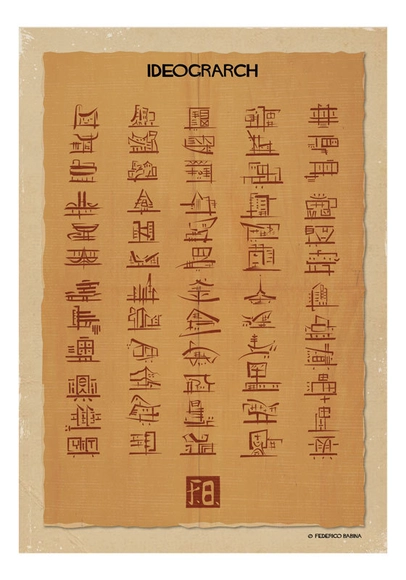
Frederico Babina is an Italian architect and graphic designer who creates artwork that focuses on the abstract replications of famous imagery and buildings. Through a strong focus on geometry and form his work represents a sense of innocence, inexperience and spontaneity throughout.
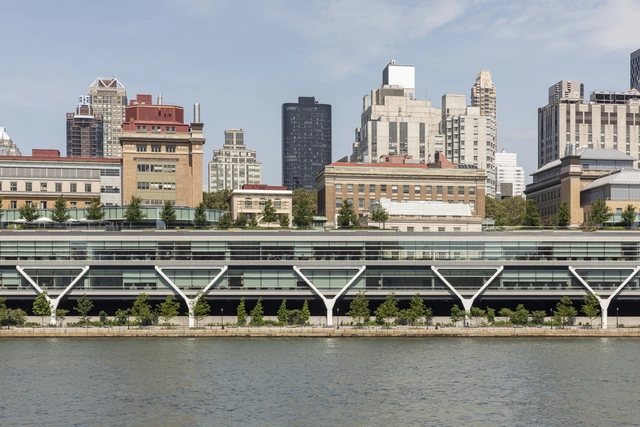
This article was originally published on Common Edge.
Conversations around resiliency today seem to imply that planners and designers might be capable of—might even be expected to—save every building and public space at risk. The sad truth is, however, that we cannot, and perhaps we should not. Climate change and its attendant sea level rise will radically redraw urban edges, forcing us to make difficult decisions. Even if we had the vast sums of money required to protect the precarious status quo, that might not be enough to stave off the inevitable.

So, then: What are our priorities? How do we choose what to save? How do we responsibly chart this uncertain future? I believe the answers to these and similar questions should begin with an honest assessment of three essential considerations:
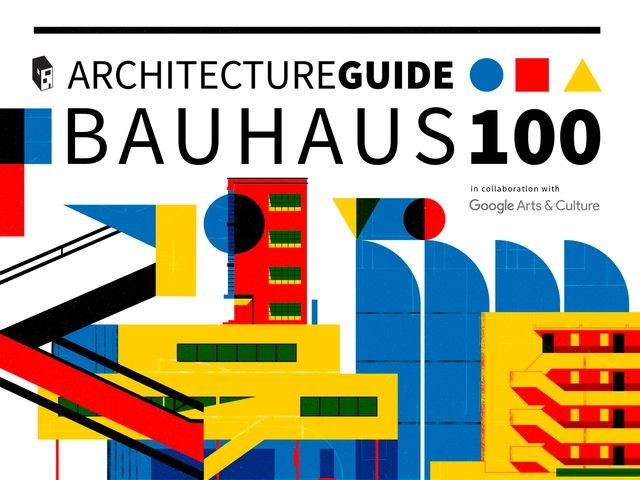
Bauhaus: a school, a design discipline, and a movement that has been influencing generations of architects and designers for 100 years.
The school was a lot more than modernist designs and primary colors, it was a movement with a political, social, and cultural impact, led by some of the most notable figures in the field. Since its inauguration in 1919, the school has defined its own style through the intersection of architecture, art, industrial design, typography, graphic design, and interior design. When the school was forced to close its doors in the face of political pressure, its professors and students dispersed, spreading its teachings across the world.
_0230.jpg?1575597078&format=webp&width=640&height=580)
Open More Doors is a section by ArchDaily and the MINI Clubman that takes you behind the scenes of the world’s most innovative offices through exciting video interviews and an exclusive photo gallery featuring each studio’s workspace.
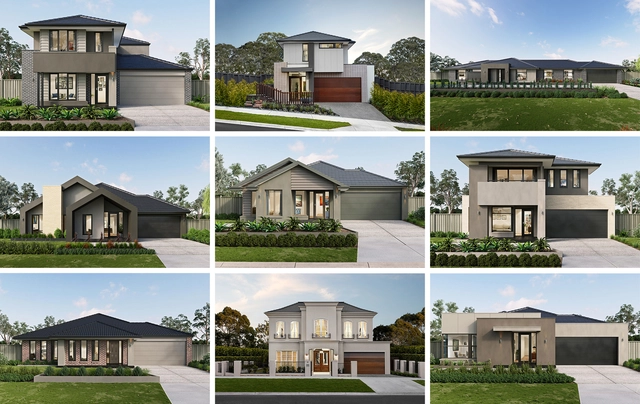
Use the term ‘volume builder’ in front of an architect, and there’s a fair chance they’ll shudder. Conjuring a vision of homogenous, mass-produced boxes squished together, ruining the look of leafy suburbs traditionally populated by impeccably designed homes, volume building is often seen as the poor cousin.
However, not all volume builders are cut from the same cloth.


_Nigel_Young-_Foster___Partners_Westlake.jpg?1576163568 "Apple Store Westlake, Hangzhou / China. Architecture: Foster + Partners. Image: © Nigel Young")



_8843.jpg?1576293185 "© Laurian Ghinitoiu")
_0020.jpg?1576293369 "© Laurian Ghinitoiu")
_0638.jpg?1576293455 "Skanderbeg Square, Tirana, Albania by 51N4E. Ghinitoiu's third win. Image © Laurian Ghinitoiu")
_9154.jpg?1576293270 "© Laurian Ghinitoiu")
_7898.jpg?1576293443)



_0193.jpg?1575596907 "© Laurian Ghinitoiu")
_0118.jpg?1575596723 "© Laurian Ghinitoiu")
_0109.jpg?1575596632 "© Laurian Ghinitoiu")
_0296.jpg?1575597214 "© Laurian Ghinitoiu")
_0230.jpg?1575597078)
