

Produce personalized presentation boards that distill complex concepts into simple visual representations with a few helpful tools and effects.
Articles
How to Create Architectural Presentation Boards
| Sponsored Content
https://www.archdaily.comhttps://www.archdaily.com/catalog/us/products/37234/how-to-create-architectural-presentation-boards-lumion
Sublime Swimming: 14 Examples of Custom Pools
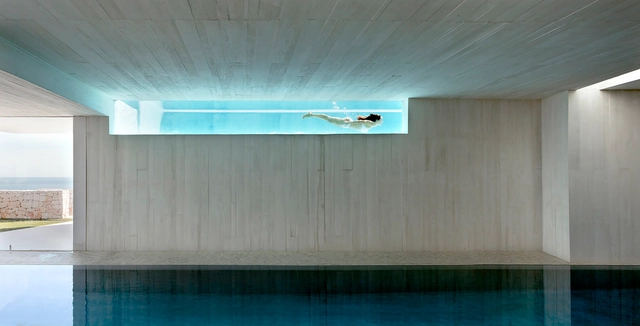
What's better than a house with a pool? A house with a pool that's part of the structure of the house. These projects show different ways to incorporate pools and how to resolve issues of weight, moisture and leaks. See the houses below, featuring photos by photographers like Mariela Apollonio, Kent Soh y Marcello Mariana.


https://www.archdaily.com/894559/sublime-swimming-12-examples-of-custom-poolsMaría Francisca González
5 Modern Houses Designed by Amancio Williams That Were Never Built
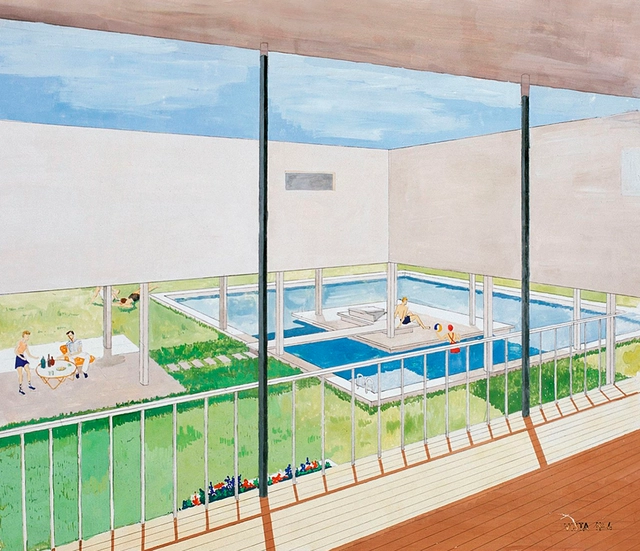
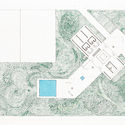
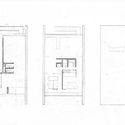

When we study Amancio Williams' work, it almost always centers on his emblematic Bridge House, built for his father in Mar del Plata between 1943 and 1946, or his technical role in Le Corbusier's Casa Curutchet. Of course, to study Williams is to confront several questions: Did he not design any other residential projects? What modernist ideas and concepts can we glimpse into his work? How did his work impact the development of Argentine architecture?
https://www.archdaily.com/951103/5-modern-houses-designed-by-amancio-williams-that-were-never-builtBelén Maiztegui
Sweet Simplicity: Living with Scandinavian Architecture
| Sponsored Content
Not a month goes by without Danish architects and Danish design in the news, as design seems to be one of the primary exports from the tiny Scandinavian country. To be fair, the attention isn't a bad thing. Denmark has a rich heritage of furniture designers and architects who have transformed spatial thinking around the world. Some thoughts were so “BIG,” that they envisioned inhabiting the moon or making plans for a Masterplanet.
https://www.archdaily.com/950420/sweet-simplicity-living-with-scandinavian-architectureRene Submissions
Designing the Hamptons: Long Island's Luxury Homes
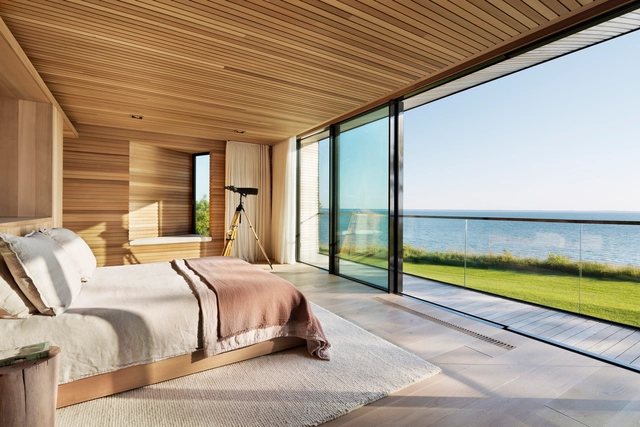
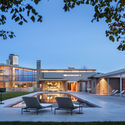
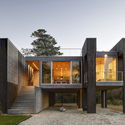
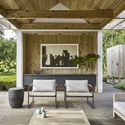
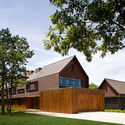
The Hamptons are defined by a storied past. As wealthy New Yorkers were drawn to this part of Long Island’s South Fork for the last century and a half, they increasingly built a series of exclusive and luxurious homes. Today, new residences along the coastline are some of the most expensive properties in the United States. As summer homes and vacation getaways, many of these residences are designed as private retreats surrounded by nature.

https://www.archdaily.com/951542/designing-the-hamptons-long-islands-luxury-homesEric Baldwin
Climate Crisis Is Ravaging the United States; Why Are We Still Building With Fossil Fuels?

This August, as hundreds of wildfires darkened the sky above my home in Corte Madera, California, thousands of miles away in Florida, my family braced for wind and flooding as two hurricanes barreled towards the Gulf of Mexico. We all hunkered down, anxiously, as climate change-fueled disasters wreaked havoc. For weeks, the air quality in California was too hazardous for us to open our windows or go outside. In Pensacola, the Gulf storm surge was several feet deep around my family’s home and the powerful winds downed mature oak trees in their yard.

https://www.archdaily.com/951524/climate-crisis-is-ravaging-the-united-states-why-are-we-still-building-with-fossil-fuelsScott Shell
IE University Launches a Global Master in Real Estate Development Program
| Sponsored Content

The new Global Master in Real Estate Development program is designed for professionals with backgrounds in various fields, from finance or economics to architecture, and from engineering to law. The aim of this degree is for students to explore the relationship between real estate development, investment and city infrastructure from a wholly global perspective. The program is based on the principles of sustainability, digital innovation and real estate technology transformation.
https://www.archdaily.com/951428/ie-university-launches-a-global-master-in-real-estate-development-programRene Submissions
Bohemian Interiors: the Architecture of Bars in São Paulo
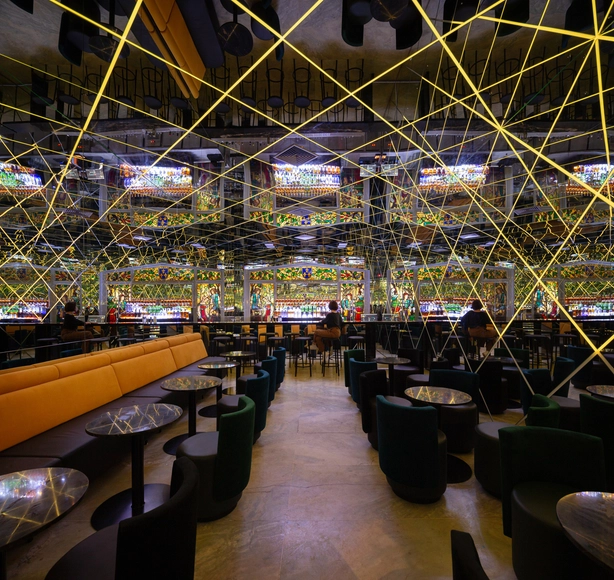
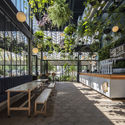
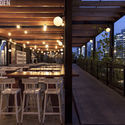
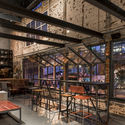
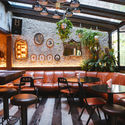
São Paulo has a vibrant nightlife, either by nature or due to the lack of other attractions, offering as many possibilities as its population of more than 12 million people. Therefore, bars have become the favorite spots for residents from all over the city, living in the east, west, north, and south.
We have selected a few projects of bars already published in ArchDaily that represent a sample of this bohemian architecture that so many inhabitants of São Paulo are used to – an architecture that is all about remodeling, socializing, gathering, and bonding in intimate spaces.

https://www.archdaily.com/951301/bohemian-interiors-the-architecture-of-bars-in-sao-pauloEquipe ArchDaily Brasil
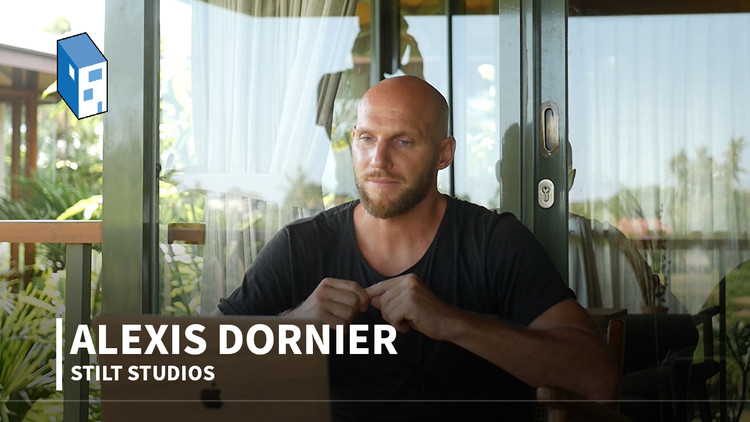
Alexis Dornier on Architectural Experimentation and his New Venture, Stilt Studios
“It all started with the question: What if I’m going to build my own house?" It was this consideration that prompted Alexis Dornier to note that when he's providing architectural design service he's mostly catering, filtering and catalyzing input from other people that have budgets, preferences and tastes and it’s up to him to channel or organize that and let it "stream through" him. Using his craft to put it in order. "But what if you did not have that other hand [designer's help]? What would you do?”
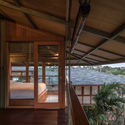
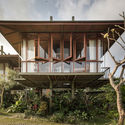
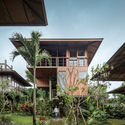
Archdaily’s Hana Abdel, projects curator, sat down with Alexis Dornier to discuss his latest venture as co-founder of Stilt Studios, a company “focused on making Architectural design accessible to a greater audience of people. People who wouldn’t be able to afford an architect or don’t want to go through the trouble of working with an architect. So, what if we could create a product, or an architecture that almost works as a product.”

https://www.archdaily.com/951464/alexis-dornier-on-architectural-experimentation-and-his-new-venture-stilt-studiosHana Abdel
Imagining a New Perspective: Get Inspired by Living with Sky-Frame Video Story
| Sponsored Content
With Sky-Frame, the focus is what inspiration and freedom their windows can help achieve, not on the windows themselves. Rather, the spatial qualities and view potential created by the windows is what you notice. The Swiss company is the leading international supplier of frameless sliding doors that work to blend interior and exterior for a unique living experience. Featured in thousands of projects worldwide, Sky-Frame products include curved and sloped sliding doors, as well as a pivot door, to fit each individual space.
https://www.archdaily.com/950417/imagining-a-new-perspective-get-inspired-by-living-with-sky-frame-video-storyRene Submissions
The Early Days and the Enduring Legacy of Coop Himmelb(l)au
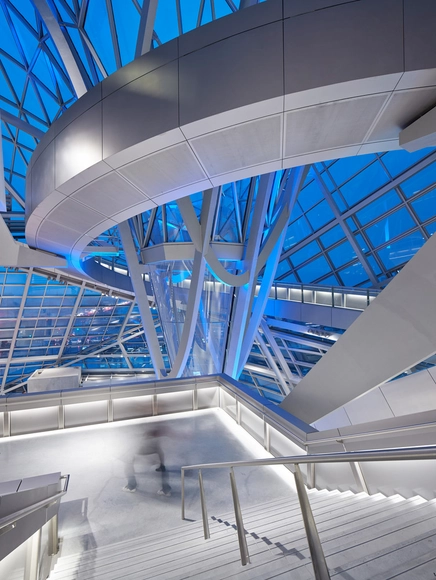
Europe in the 1960s was an incubator for emerging provocative architecture radicals who defied traditional architecture dogma in favor of counterculture that transcended time and space. Coop Himmelb(l)au, a Vienna-based faction of this movement, questioned the clean lines, rigidity, and literal nature of modernist architects of the time. While the firm is known for their rebellious spirit and aggressive forms that are generated through state-of-the-art 3D software and technologies, it’s important to acknowledge the work that the firm did shortly after their inception in 1968, and how their early oeuvre still relentlessly breaks the status quo of modern-day practice and academic discourse.
https://www.archdaily.com/951290/the-early-days-and-the-enduring-legacy-of-coop-himmelb-l-auKaley Overstreet
Remote Doctor of Design Degree for Practicing Professionals Now Accepting Applications
| Sponsored Content

As a mid-career design-professional, what avenues exist for investigating questions and problems that arise from being embedded in practice? What opportunity is there for exploring or articulating an idea for a type of project or organizational structure that could improve professional practice?
https://www.archdaily.com/951292/remote-doctor-of-design-degree-for-practicing-professionals-now-accepting-applicationsRene Submissions
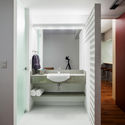
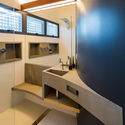
Concrete Countertops: Brutalism in the Bathroom
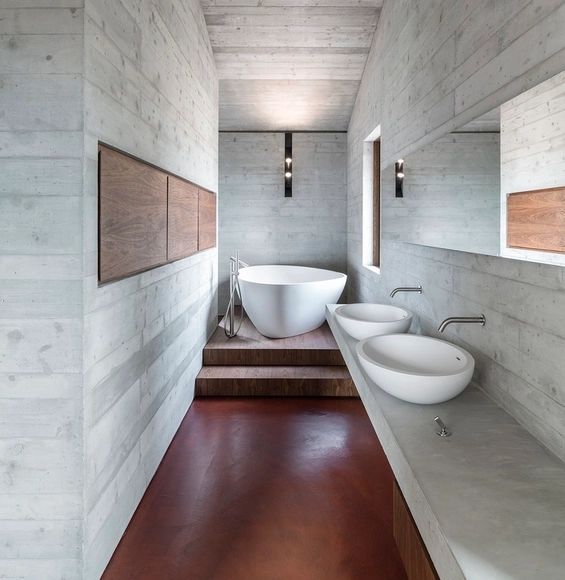
Concrete is one of the top building materials in the world and it is almost impossible not to associate it with architectural structures. However, the so-called brutalist style is becoming more and more popular in interior design, and concrete is replacing the traditional materials used in furniture and countertops, such as wood and stone.
Due to its polished finish and seamless surface, this waterproof and resistant material is very easy to clean, preventing mold from growing in expansion joints, and requiring little maintenance. A few months ago we published an article featuring a collection of projects for kitchen countertops and indoor/outdoor benches made of concrete. Now, we have gathered a series of interior design projects with bathrooms featuring concrete countertops, from small washrooms to roomy bathrooms. Check out below:

https://www.archdaily.com/951366/concrete-countertops-brutalism-in-the-bathroomMatheus Pereira
From Architecture School to Practice: How Famous and Emerging Figures Made the Transition
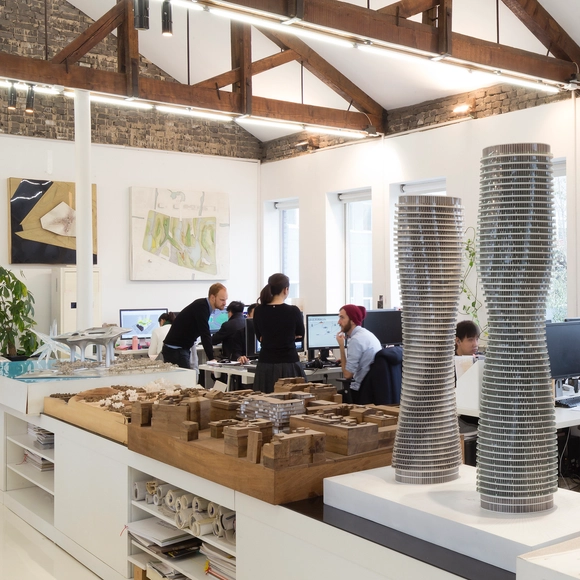
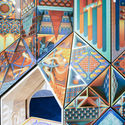
Architecture school is a place of experiment and a testing ground for innovative ideas. The academic work and student projects can bring to light the focus of an entire career, shape the backbone for an architectural theory, and crystalize values. How do their studies and formative years reflect on the later work of different architects? Taking a journey along decades, we explore the transition from architecture school to practice, the reverberance of academic explorations and early projects in the work of several architects and practices, highlighting the different pivotal steps that have shaped the beginning of their architectural journey.



https://www.archdaily.com/951319/from-architecture-school-to-practice-how-famous-figures-made-the-transitionAndreea Cutieru
Brazilian Landscapes: Discover the Cerrado with 10 Architecture Projects
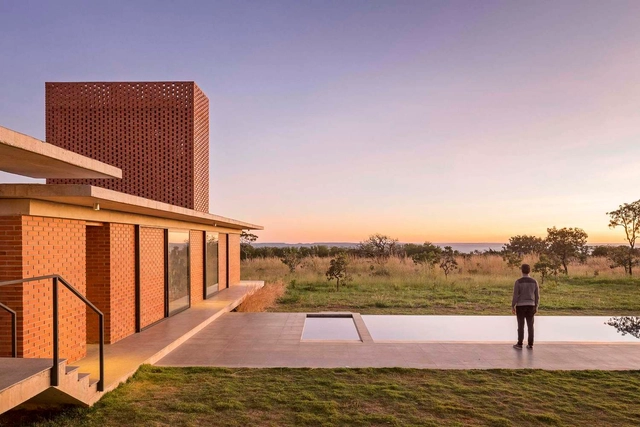
The Cerrado is a vast tropical savanna ecoregion of Brazil, a biome consisting of low trees, sparse shrubs, and grass, occupying an area of more than 2 million km² – about 23% of the national territory – covering most of the eastern, southern, and central portions of the country, particularly in the states of Mato Grosso, Mato Grosso do Sul, Goiás, Minas Gerais, Piauí, the Federal District, Tocantins and part of the states of Bahia, Ceará, Maranhão, São Paulo, Paraná, and Rondônia.
We invite you to discover the landscapes of the Cerrado through architecture. Check out the following 10 projects located in various areas of the second largest biome in South America.



https://www.archdaily.com/951317/brazilian-landscapes-discover-the-cerrado-with-10-architecture-projectsEquipe ArchDaily Brasil
Critical Issues Worldwide Call For New Career Paths In Design
| Sponsored Content

There is a growing demand for specialized knowledge and skills to address emerging and critical issues that span the architecture and design disciplines. This demand is underpinned by the sustained movement in which research informs an interdisciplinary and transdisciplinary design practice. Graduate study is a way for early and mid-career design professionals to gain expertise, strategically focus and develop their career path, and even seek leadership positions. The three areas of practice framed below show how advanced design education can lead to professional development and growth.
https://www.archdaily.com/951021/critical-issues-worldwide-call-for-new-career-paths-in-designRene Submissions
Welcome to Open House Worldwide 2020: 48-Hour of Non-Stop Streaming in 40+ Cities
Today, Open House Worldwide (OHWW) will stage its first collaborative event: a free 48-hour non-stop streamed festival of events, discussions, tours and more. As media partners, ArchDaily will be broadcasting the entire event.
https://www.archdaily.com/951263/welcome-to-open-house-worldwide-2020-48-hour-of-non-stop-streaming-in-40-plus-citiesFabian Dejtiar
The Boundless Banality of Beige: A Rant
This article was originally published on Common Edge
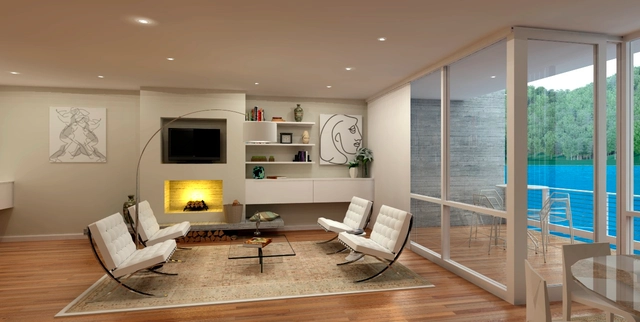
I am tired of design magazines and paint companies trying to sell me on dull “neutral” colors. They claim ”Beige Is Back,” that there is a historical elegance and calming effect to monochromatic off-whites. I don’t buy it. A minimalistic approach to color in modern buildings and interiors doesn’t relax me—it puts me to sleep. When I awake, I am angry. The historical notion that bleached Greco-Roman temples represent beauty is a myth. The ancients never rendered their structures, interiors, and ornament without color. Their architecture was vividly polychromatic.

https://www.archdaily.com/951384/the-boundless-banality-of-beige-a-rantGloria Jaroff
Brazilian Interiors: Projects with Interior Gardens
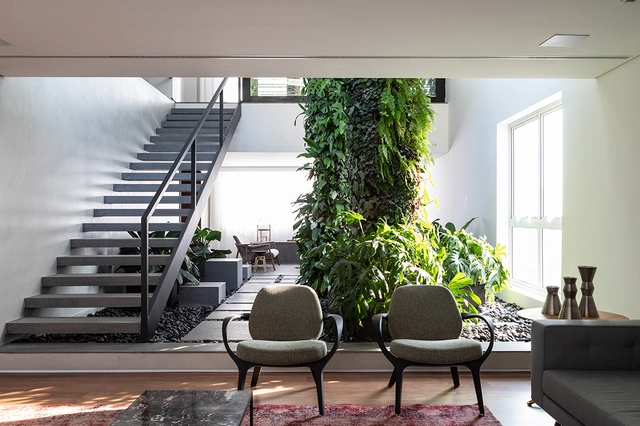
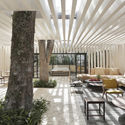
During times of isolation, many people have been talking about the importance of greenery in indoor spaces as a way to nourish our vital relationship with nature. These touches of green can contribute to the well-being and emotional comfort of users, whether in homes or commercial spaces.
Besides this psychological connection, a well-designed indoor garden can also help to purify the air and provide thermal comfort to the environment.


https://www.archdaily.com/950794/brazilian-interiors-projects-with-interior-gardensCamilla Ghisleni
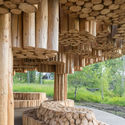
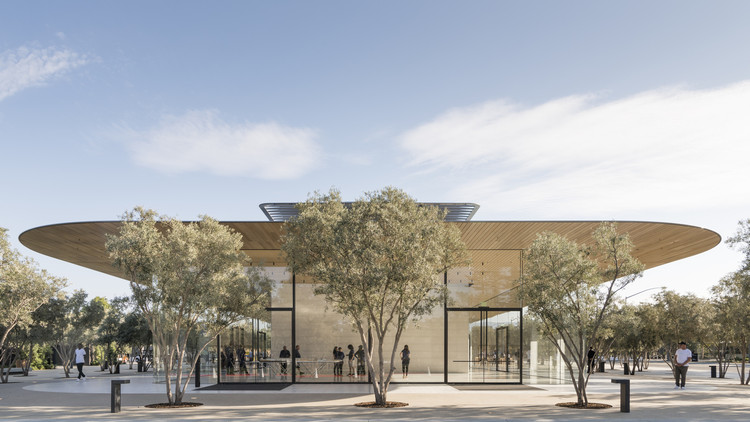
Bringing the Outdoors Inside: The Benefits of Biophilia in Architecture and Interior Spaces
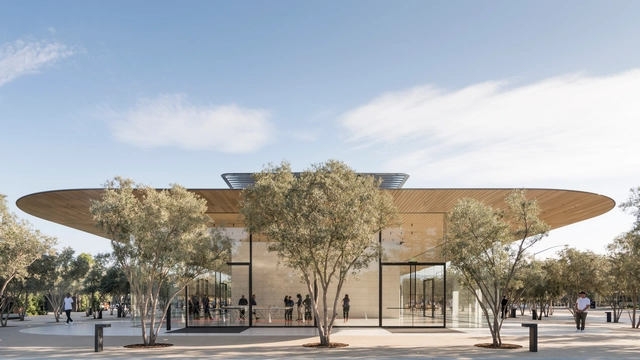
If a person were to imagine a setting of complete relaxation, odds are the first image that comes to mind is a place surrounded by nature, be it a forest, the mountains, the sea, or a meadow. Rarely does one imagine an office or a shopping mall as a source of comfort and relaxation. Still, the majority of people spend almost 80-90 % of their time indoors, going back and forth from their houses to their workplaces.
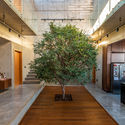
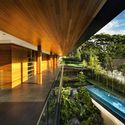
Architects and designers are now searching for design solutions that will resonate well into the future, turning to 'biophilia' as an important source of inspiration that promotes well-being, health, and emotional comfort.

https://www.archdaily.com/923100/bringing-the-outdoors-inside-the-benefits-of-biophilia-in-architecture-and-interior-spacesDima Stouhi
10 Types of Roofs and the Possibilities of Slate Tiles
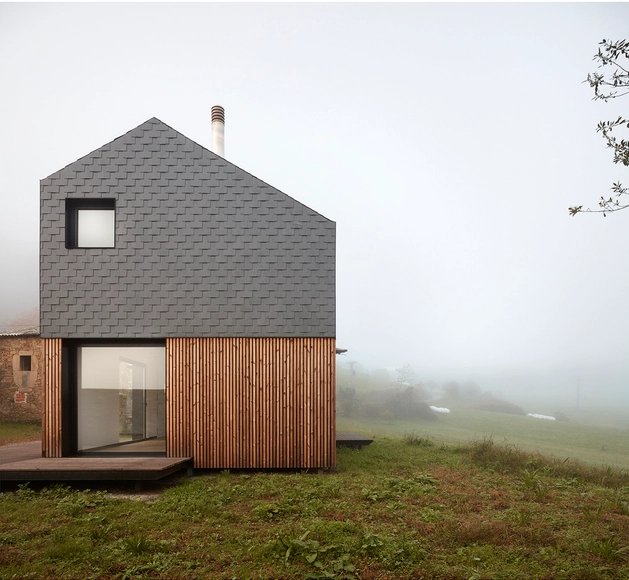
Every child has drawn a house. Perhaps a sunny day with some clouds, a leafy tree, a family with a dog, low wooden fences, or even a car. But in these drawings, they will almost certainly draw a simple rectangle with a gable or hip roof. This archetype of the house appears in virtually all cultures, and even today many architects use it for contemporary projects.
In addition to the primary function of draining rainwater and snow, and thus protecting the building from the weather, roofs can be an important aesthetic device for composing a project. In modern architecture, waterproof roof slabs emerged as a popular alternative, but sloping roofs have continued to captivate both clients and architects. In this article, we will cover the various types of roofs and, more specifically, the manufacturing process and characteristics of natural slate tiles.
https://www.archdaily.com/950937/10-types-of-roofs-and-the-possibilities-of-slate-tilesEduardo Souza
How Can One Public Space Transform an Entire Neighborhood? UN-Habitat's Model Street Initiative

The Un-Habitat or the United Nations agency for human settlements and sustainable urban development, whose primary focus is to deal with the challenges of rapid urbanization, has been developing innovative approaches in the urban design field, centered on the active participation of the community. ArchDaily has teamed up with UN-Habitat to bring you weekly news, article, and interviews that highlight this work, with content straight from the source, developed by our editors.
Associated with crime, waste, and garbage, Dandora in Nairobi’s Eastlands is home to 140,000 or so residents. In an on-going collaboration, between local residents and youth groups, UN-Habitat, Making Cities Together Coalition, and the Dandora Transformation League, the Model Street project has been transforming the garbage-filled community spaces into waste-free, attractive, and engaging places. Focusing on improving the shared courtyard spaces of residential compounds, an annual competition led by the youth of the neighborhood, the Changing Faces Challenge, became an initiative mobilizing citizens across Nairobi.





https://www.archdaily.com/951250/how-can-one-public-space-transform-an-entire-neighborhood-un-habitats-model-street-initiativeChristele Harrouk
The Human Scale: India At Eye Level
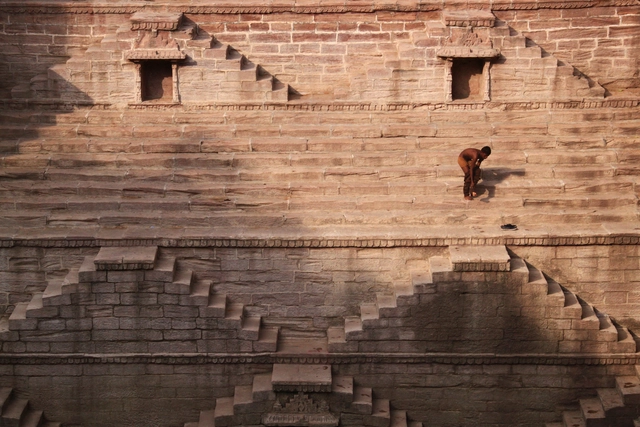
The human scale can best be described as the relationship between a body and its surroundings and a body is nothing if not the undeniable connection between our sensorial experience within the material world and how we perceive it within our own minds.
https://www.archdaily.com/951018/the-human-scale-india-at-eye-levelLucia Mariotto
Tips for Choosing Tree Species in Urban Settings
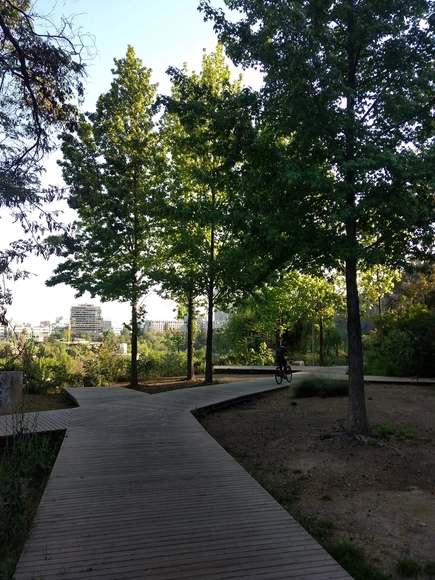
In the early modern period, Taoist monks cultivated Bonsai trees seeking to bring their beauty from the outside to the inside, considering them a link between the human and the divine. Likewise, in the 18th century, different tree-lined walks and avenues arose on the outskirts of some European cities, generating spaces for rest and socialization that were previously non-existent in cities at that time.
In cities today, trees are essential elements in the urbanization process and act as irreplaceable counterpoints to manmade constructions for spatial harmony. Choosing appropriate tree species and maintaining them correctly generates countless benefits, such as acoustic and visual insulation, temperature regulation, the generation of biological corridors, and control of wind speeds. The main mistake planners can make when choosing tree species is forgetting that they are living beings and have specific needs.
What should we consider to pick them correctly?
https://www.archdaily.com/950784/tips-for-choosing-tree-species-in-urban-settingsIgnacio Rodríguez