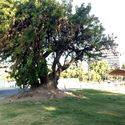
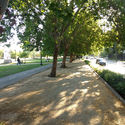
In the early modern period, Taoist monks cultivated Bonsai trees seeking to bring their beauty from the outside to the inside, considering them a link between the human and the divine. Likewise, in the 18th century, different tree-lined walks and avenues arose on the outskirts of some European cities, generating spaces for rest and socialization that were previously non-existent in cities at that time.
In cities today, trees are essential elements in the urbanization process and act as irreplaceable counterpoints to manmade constructions for spatial harmony. Choosing appropriate tree species and maintaining them correctly generates countless benefits, such as acoustic and visual insulation, temperature regulation, the generation of biological corridors, and control of wind speeds. The main mistake planners can make when choosing tree species is forgetting that they are living beings and have specific needs.
What should we consider to pick them correctly?