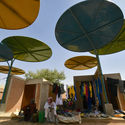
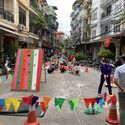
Mobile playground in Vietnam. Image Courtesy of UN-Habitat, Global Public Space Programme
The Un-Habitat or the United Nations agency for human settlements and sustainable urban development, whose primary focus is to deal with the challenges of rapid urbanization, has been developing innovative approaches in the urban design field, centered on the active participation of the community. ArchDaily has teamed up with UN-Habitat to bring you weekly news, article, and interviews that highlight this work, with content straight from the source, developed by our editors.
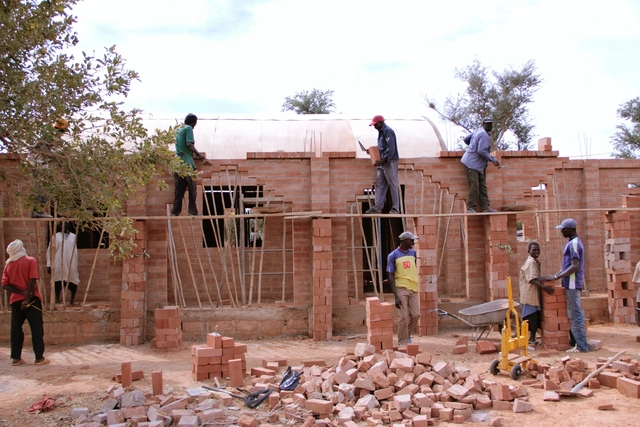
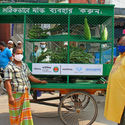
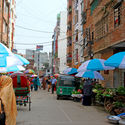
“During this pandemic, public spaces have played a vital role in the health and sustainability of urban communities around the world” states James Delaney, Block by Block chair. In fact, people need to go outside, now more than ever. In order to equip these public spaces to face the challenges of Covid-19, UN-Habitat with the Block by Block Foundation has been supporting ten cities, throughout this past year. With the help of local governments and the community, the initiatives helped covid-proof open urban entities, especially in poor neighborhoods, where there are few shared and green spaces. From creating mobile pop-up playgrounds for children in Hanoi, Vietnam, improving livelihood for street vendors in Dhaka and Khulna, Bangladesh to Covid Proofing of Public Spaces in Bhopalinformal settlements, India, these responses have provided help to those who need it the most.
As Covid-19 spread across the globe last year, cities underwent a transformation unlike any we had seen in the last century. The sudden disappearance of both human and automotive traffic as people bunkered down under quarantine was visible in cities worldwide and, astonishingly, continued even after quarantine restrictions were lifted.
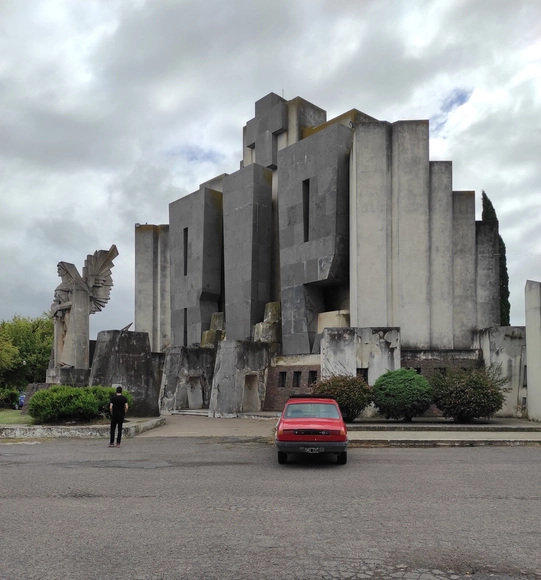
In only a few years, Italian-Argentine architect and engineer Francisco Salamone developed more than 60 buildings throughout the small towns of Buenos Aires Province as a part of the conservative government's push to develop the province's municipal buildings.
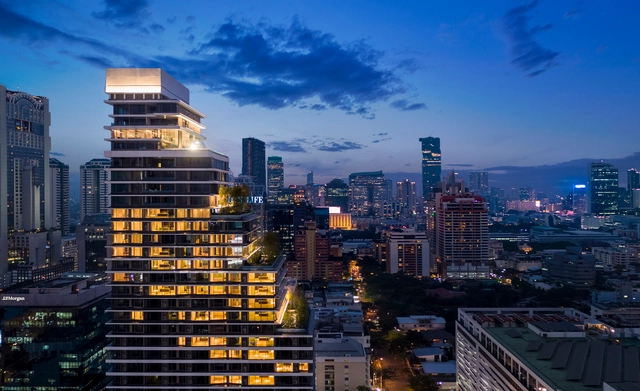
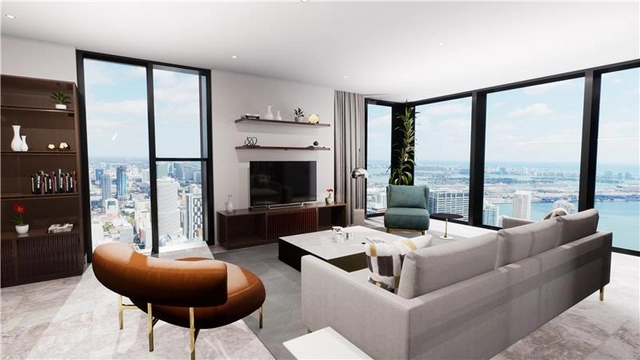
Multifamily housing in urban environments provides social, economic, and environmental benefits to both individual residents and cities as a whole. Kicked into overdrive after the 2008 financial crisis, demand for multifamily housing has since continued to rise and remains strong today. Generations Y and Z are the youngest urbanized group of adults and these young professionals are fueling much of the demand for compact living in city centers. Though the younger generations are the ones driving the changes, the result is expected to be more secure, convenient living for everyone.
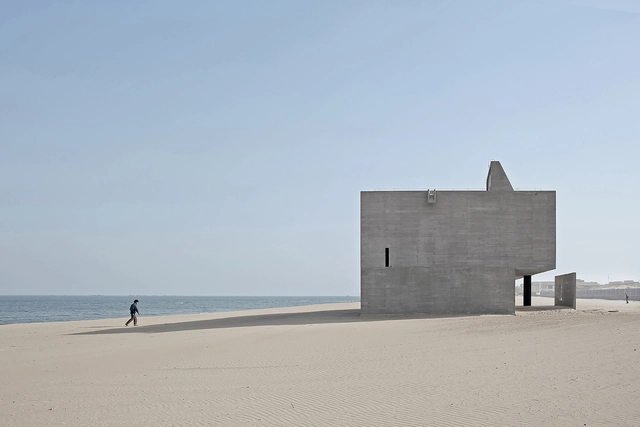
As architecture has evolved to include advanced building envelopes, innovative structural systems, and hybrid programs, new boundaries have been drawn. Sustainable practices and passive strategies have led architects to re-imagine building skins and the relationship between interior and exterior. While different typologies are designed with varied levels of permeability, libraries demand rigorous attention to performative facades and protected programs. This holds especially true when libraries are placed within radically changing landscapes.
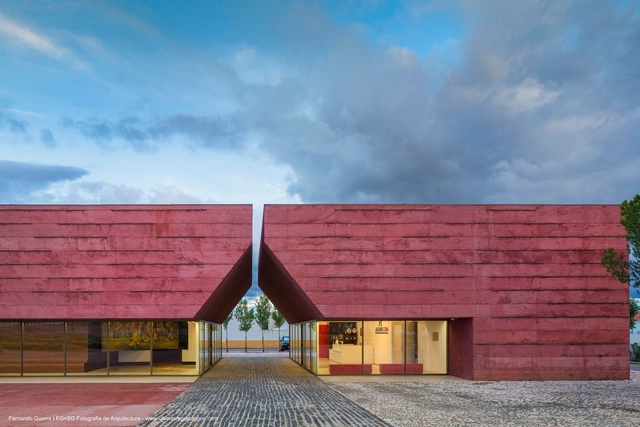
When we think of concrete, the color gray generally comes to mind. The traditional mixture of concrete, which comprises cement, gravel, sand, and water may vary in color depending on elements and admixtures but naturally varies from light to dark gray. However, compounds that add pigment to the mixture are becoming increasingly prevalent and popular, as they infuse the concrete with hues more stable than paint. These shades result from the addition of oxides: yellow, red and their derivations (eg. brown) are obtained with the addition of iron oxide; chromium and cobalt oxide create the greens and blues, respectively. For black concrete, it is common to use black iron oxide and carbon oxide combined with pozzolanic cement.
At the 2016 Venice Architecture Biennale, curator Alejandro Aravena decided to reuse 100 tons of material discarded by the previous Art Biennale to create the new exhibition halls. Besides preserving 10,000 m² of plasterboard and 14 km of metallic structures, the initiative intended to give value, through design, to something that would otherwise be discarded as waste. The project also shed light on another observation: as architects, we generally restrict ourselves to thinking about buildings during the design process, construction phase, and at most through the use phase. We hardly think of what will become of them when they are demolished at the end of their useful life, an issue that should urgently become part of the conversation.
Florian Schaffner has had a passion for architecture ever since his childhood. After he finished his bachelor’s degree in business at IE University, he went straight on to pursue the Master in Real Estate Development. We spoke to Florian to find out more about his experience in the MRED and to learn about Triadic Labs, a real-estate startup project founded during the pandemic.
The Second Studio (formerly The Midnight Charette) is an explicit podcast about design, architecture, and the everyday. Hosted by Architects David Lee and Marina Bourderonnet, it features different creative professionals in unscripted conversations that allow for thoughtful takes and personal discussions.
A variety of subjects are covered with honesty and humor: some episodes are interviews, while others are tips for fellow designers, reviews of buildings and other projects, or casual explorations of everyday life and design. The Second Studio is also available on iTunes, Spotify, and YouTube.
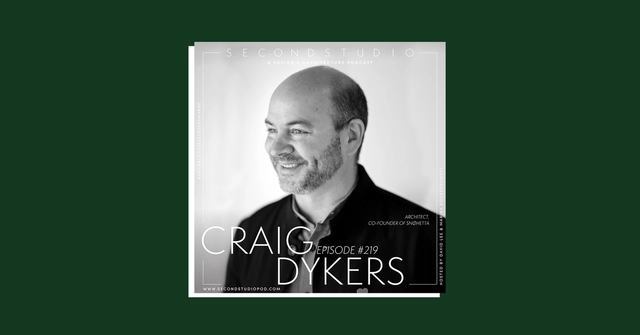
This week David and Marina are joined by Craig Dykers, co-founder of Snøhetta, to discuss how architecture can cause both segregation and innovation in offices and in the U.S. Capitol; having meaningful dialogue with non-architects; the messiness of life; creating beautiful architecture that aids the larger society; the struggle for equality; a brief history of the contemporary profession of architecture and its current state; relying on theory in architecture; and more. Enjoy!
https://www.archdaily.com/957232/craig-dykers-many-people-dont-want-messiness-they-want-beauty-that-is-beyond-perfectionThe Second Studio Podcast
What is the danger of making something pretty? Well, when it comes to homes it can be complicated. Curb appeal seems like an innocent concept, but architects have been quoted calling it “empty signifiers of good design” or even eerie or creepy. Curb appeal privileges superficial visual composition over deeper, more spatial considerations. Further, the overregulation of visual propriety easily strays into practices that are exclusionary and oppressive. This video takes a close look at the history, evolution, and consequences of curb appeal from an architect’s perspective using examples from popular culture, art, film, and architecture. Unexpected origins and peculiar turns through picturesque gardens, mirrors for viewing the landscape, and exhibitions like Venturi Scott Brown’s ‘Signs of Life’ serve as waypoints in our journey for understanding people’s views of what houses should look like.
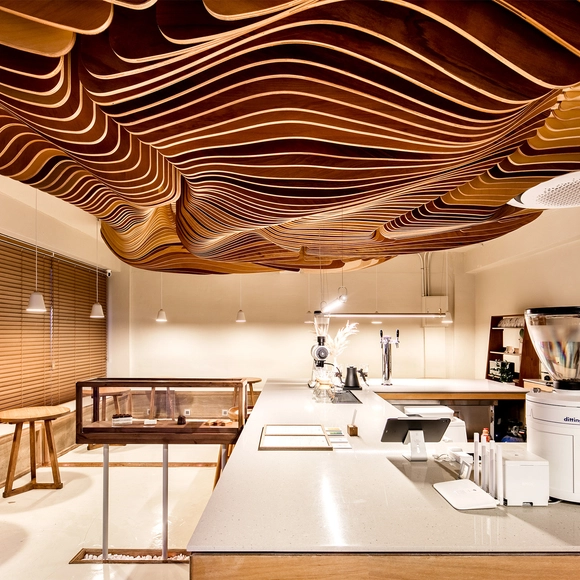
Perception Cafe / Haejun Jung - Feelament. Image Courtesy of A' Design Awards
If you've been debating whether to submit your work to the 2021 A’ Design Award Competition, now is the time! This is your last chance to enter your design, because the final call for entries ends February 28th, 2021. The international A' Design Awards give designers an opportunity to showcase their work to a global audience, whether you're a designer, architect, or an innovator from any other design field. Among other design competitions and awards, the A' Design Award stands out for its exceptional scale with over 100 design categories.
How many changes have you done to your interior space during this past year? Whether it was a change of furniture layout, repainting the walls, adding more light fixtures or perhaps even removing them, after spending so much time in one place, the space you were once used to didn’t make sense anymore. We could blame the overall situation for how we’ve been feeling lately, but as a matter of fact, the interior environment plays a huge role in how we feel or behave as well. However, if you were wondering why some neighbors seem much more undisturbed and serene even in the midst of a pandemic, it could be because the interior is greener on the other side.
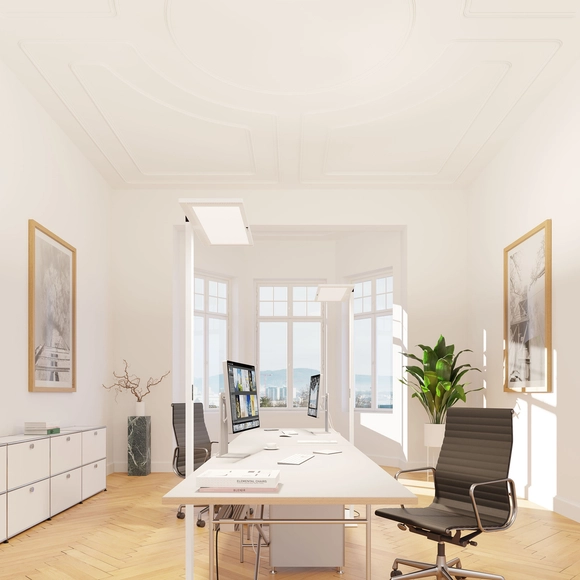
With LIGHTPAD, Swiss manufacturer Regent Lighting has created a modern lighting solution: formally minimalist, unobtrusive and timeless, it can be set up for single desks, two-person desks and even for four-person desks. Image Courtesy of Regent Lighting
Which kind of light is best for working? The one you have to think about least. With LIGHTPAD, Swiss manufacturer Regent Lighting has created a modular system that optimally lights the workspace – whatever the time of day.
https://www.archdaily.com/957115/minimalist-and-customizable-a-modular-lighting-system-that-adjusts-to-every-working-spaceArchDaily Team
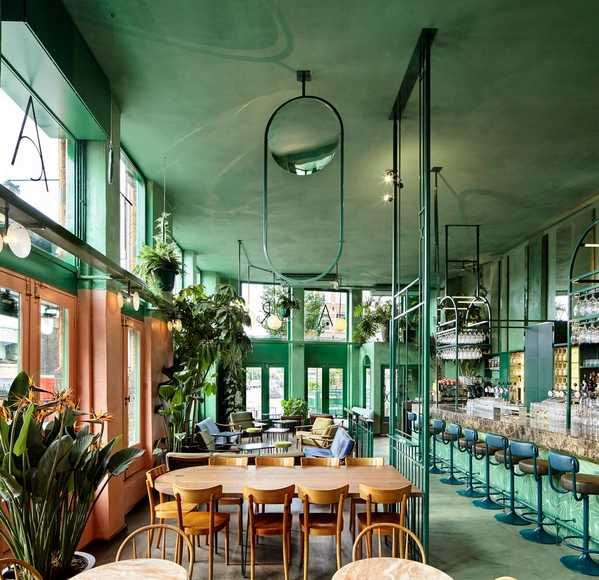
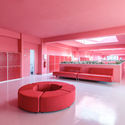
We know that colors can influence our sensations and cause different perceptions of a space, which confirms the benefits of designing a consistent color palette and its importance in architectural projects. The impact of color on a space and on the people who use it becomes even more perceptible when the whole environment is covered with just one color. In these cases, the selected shade can be applied to countless architectural elements. Floors, ceilings, walls, furniture, or even pipes and electrical conduits can have a specific hue to match the monochromatic environment.
Videos
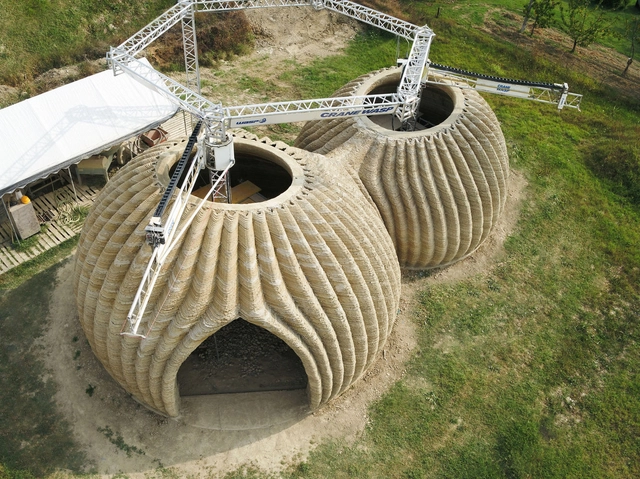
TECLA, 3D Printed Habitat by WASP and Mario Cucinella Architects. Image Cortesía de WASP
A recent collaboration between the team of Mario Cucinella Architects (MC A) and WASP, specialists in 3D Printing in Italy, has resulted in the first 3D-printed construction of a fully natural, recyclable, and carbon-neutral material: raw earth. The circular housing prototype is called TECLA and it was built in Massa Lombarda (Ravenna, Italy) using multiple 3D printers synchronized to work at the same time.
Please submit! The application deadline is 1 April 2021 and all information about the award, including this year's jury and the conditions of participation can be found on the Design Center Baden-Württemberg’s website. Image via Architonic
Want your design recognised with a Focus Open award? The Design Center BW is looking for new products or products so new they've not yet been launched.
SPACE10 and EFFEKT Architects . Image Courtesy of Space 10- The Ideal City
The world is constantly changing, and our built environment is continuously evolving and adapting. As we find ourselves immersed with challenges, experts and thinkers are re-examining the approaches humanity has adopted so far, in order to set new ideas for a better tomorrow.
“Cities are at the heart of the problem, and therefore also at the heart of the solution." Space 10, a research and design lab centered on people and the planet, has just released its latest publication, The Ideal City, in collaboration with gestalten. Gathering insights from around the globe, the book rethinks cities, investigating how to create spaces that support the well-being of the residents and contribute to a better world. Compiling projects and expert opinions, it highlights 5 main pillars that help in shaping the future of the urban realm.
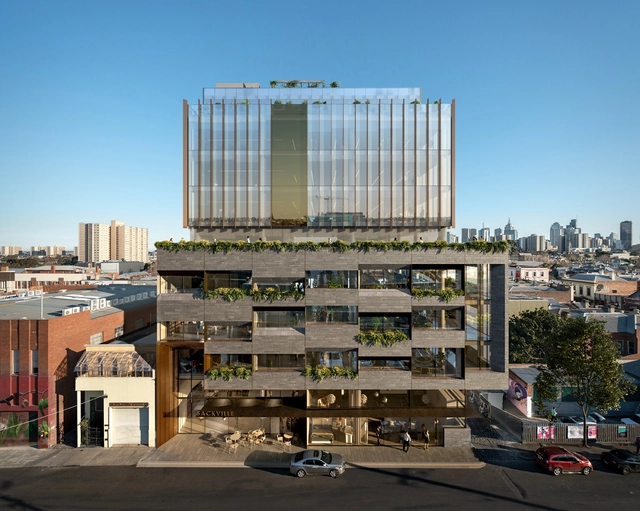
Sackville St. Image Courtesy of Idle Architecture Studio and Biwyan Studios
Vectorworks Architect is well-known for its BIM capabilities, allowing firms around the world to maintain the integrity of their internal design and documentation strategies with an all-in-one solution. The ability to collaborate between firms and share files with ease lets users shift their focus to their designs and all but forget the stress of document sharing. This was the case for Idle Architecture, a Melbourne-based firm that got into Big BIM completely by accident.
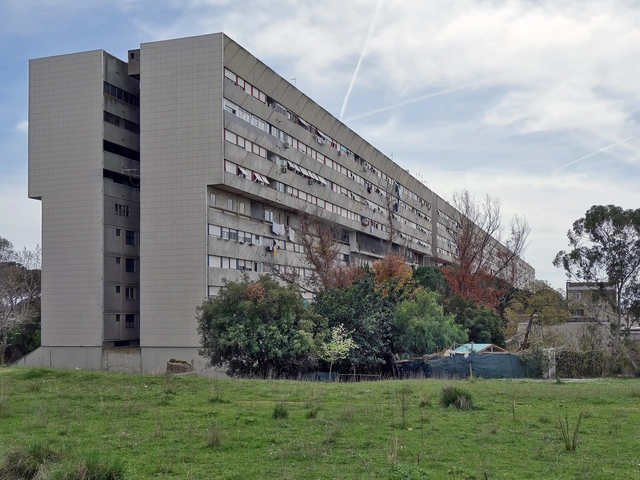
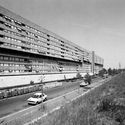
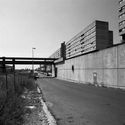
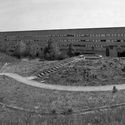
The Corviale housing complex, located in the south-western periphery of Rome, was designed in the 1970s as a solution to the growing number of dormitory districts in the Roman suburbs, caused by the significant population increase between the 1950s and 1970s - when the population grew from approximately 1.6 million to 2.7 million inhabitants - followed by suburban sprawl.
The project, also known as Serpentone because of its huge proportions, was developed by a team of architects under the leadership of Mario Fiorentino between 1972 and 1974. Construction took place between 1973 and 1982, but the original plan to use the fourth floor of the main building for commercial uses, services, and common areas, was dropped because the contractor went bankrupt. The floor was eventually taken over by informal settlements, and this event is considered to be the root of the problems with this emblematic project in the history of housing in Italy.
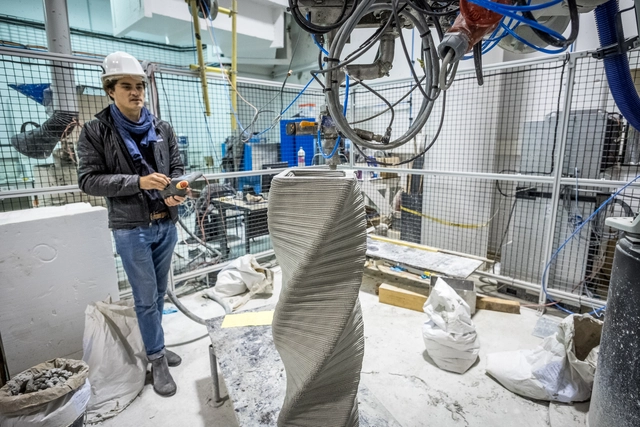
Paul Carneau, Design by Data alumni working with the 3d printing facilities at Ecole des Ponts ParisTech - Photo by Stefano Borghi
The Advanced Master[1] “Design by Data” in Computation Design & Robotics for Architecture and Construction was launched in 2016 and is one of the latest programs in innovative professional education at l'École des Ponts ParisTech. The program was designed to meet the increasing need of the professional sectors of architecture and engineering for combining architectural awareness and skills in creative engineering. Design by Data trains professionals to master advanced design tools (coding, generative design, machine learning) as well as digital manufacturing and design processes (robotics, 3D printing, and mechatronics) applied to architectural and construction projects.
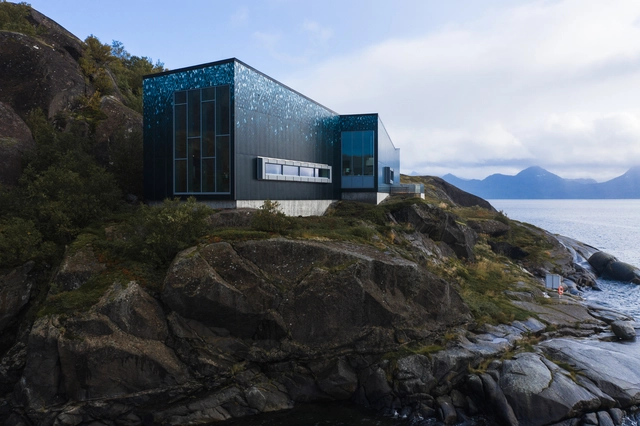
The building rises from a rock face jutting up from the ocean at Skutvik in Nordland, Norway. Steni Vision façade panels give the Arctic Salmon Center a unique and notable appearance. “It has been unbelievably exciting to work with such a special building in such a special place. This is a quite extraordinary building, that has been greeted with astonishment by my colleagues,” comments architect Peter W. Söderman at Norconsult AS. “We chose Vision panels from Steni due to the printing possibilities – we could project an exciting and quite subtle print onto a large surface." The client wanted to have an expressive building that reflected their purpose as an experience center for the fishing industry.
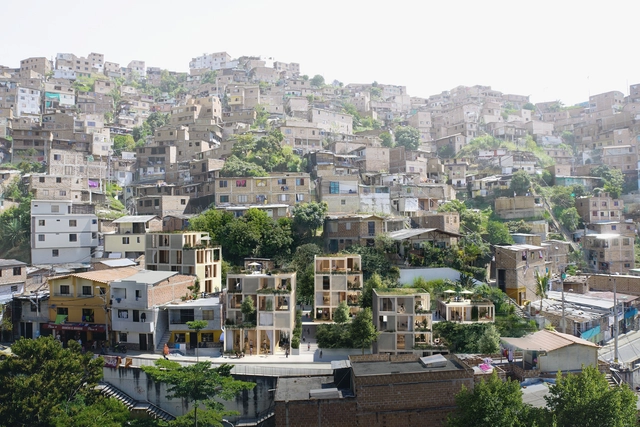
Around the world, a new generation of architects are challenging “business-as-usual” and bringing change to populations who had formerly no access to their professional services. This article is the first in a series to introduce this new practice that brings transactional client relations into more profound, trust-based collaborations. We call it Do-It-Together architecture.
https://www.archdaily.com/957060/why-the-new-do-it-together-architecture-has-radical-potentialArchitecture in Development
Home automation has long been associated with high costs, a burdening assembly time, and a cumbersome process that impelled us to discard the idea of automating projects. However, these days are long gone.
With lower costs and easier assembly, today, developing a new project without home automation seems somewhat absurd. Below, with the help of AVE Chile, we've compiled a series of tips to help you incorporate domotics into your next project.
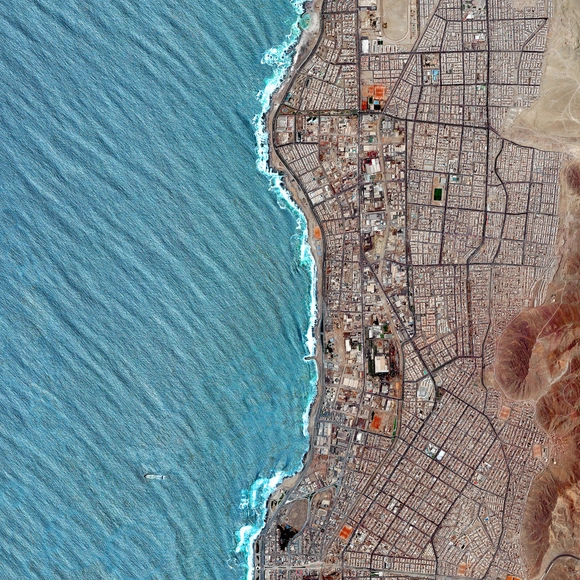
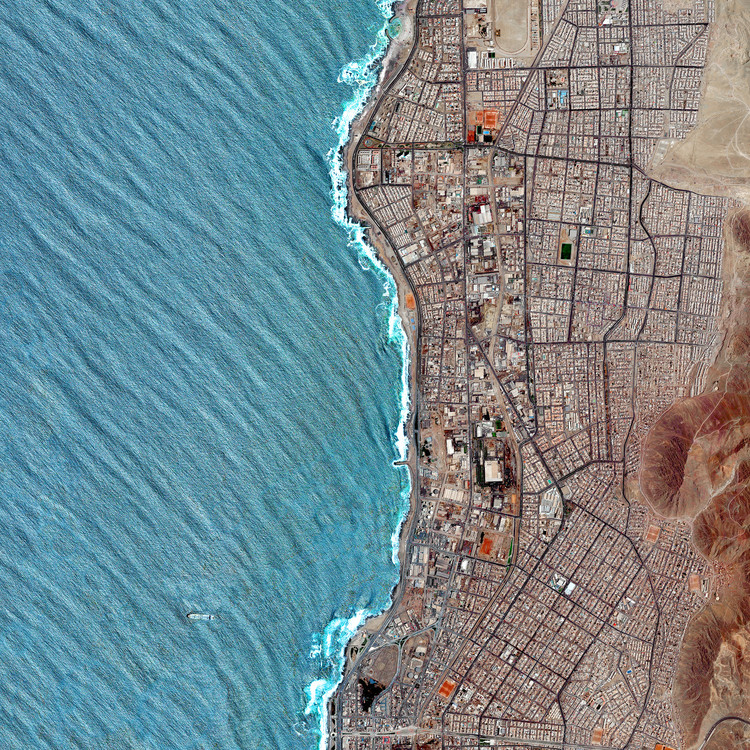
Antofagasta, Chile. Created by @overview. Source imagery: @maxartechnologies
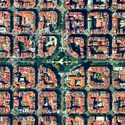
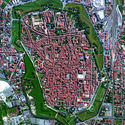
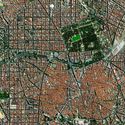
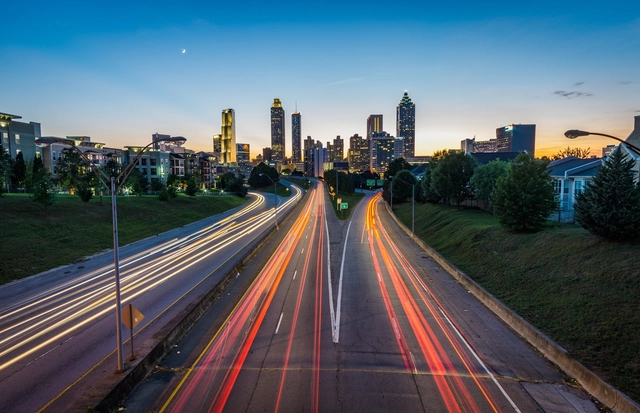
“There seems to be a public image of any given city which is the overlap of many individual images," American urban planner Kevin Lynch once said. "Or perhaps there is a series of public images, each held by some significant number of citizens,” he added.
Following this remark, in his book "The Image of the City" (1960), Lynch begins an analysis around the elements that constitute what he considers to be the image of the city. While introducing, describing, and illustrating these elements as physical, perceptible objects, Lynch considers that other non-physical factors such as history, function, or even the name of the city also play a significant role in the construction of this imageability.


(1).jpg?1614161719&format=webp&width=640&height=580)
.jpg?1614161736 "Mobile playground in Vietnam. Image Courtesy of UN-Habitat, Global Public Space Programme")
(1).jpg?1614161719)












.jpg?1612184961&format=webp&width=640&height=580)

.jpg?1612184961)