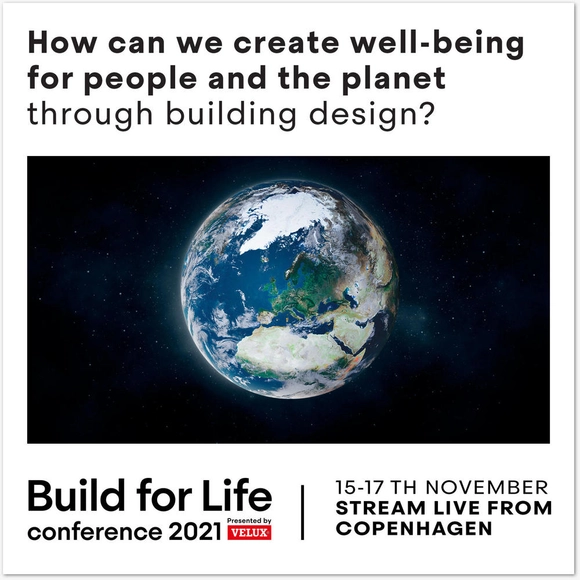
From 15-17 November, leading roof window manufacturer VELUX will host its Build for Life Conference 2021, with the goal of developing more sustainable strategies for the building industry.


From 15-17 November, leading roof window manufacturer VELUX will host its Build for Life Conference 2021, with the goal of developing more sustainable strategies for the building industry.

"Here in the tropics, shade is the prime air conditioner and, unlike the stove, it can be created everywhere," says Bruno Stagno about architecture for the tropics. In this sense, how has Costa Rica been "building" it's shade over the years?
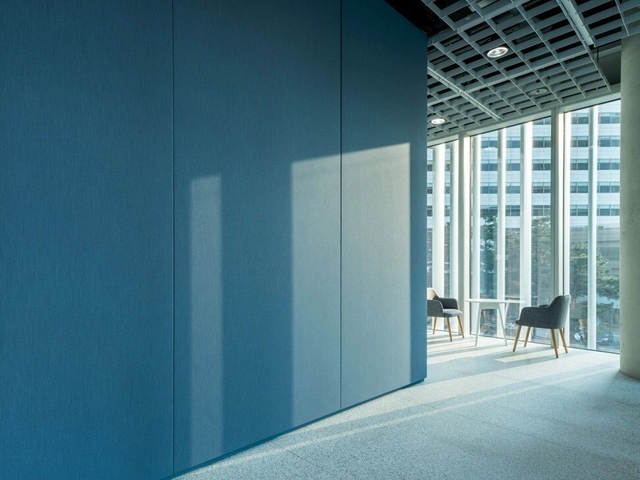
Acoustic comfort is affected by the levels and the nature of the sound experienced in an interior space, measured in decibels. The functionality and aesthetics of working and living spaces are usually the primary focus of the designer, however, too often overlooked, are the factors contributing to the productivity of employees or the comfort of residents. Providing a comfortable acoustic environment contributes significantly to the overall mood and health of people operating within it.
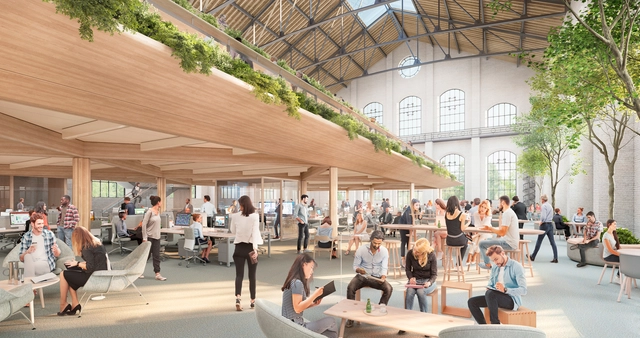
Cities around the globe have widely adopted the concept of adaptive reuse and the importance of investing in historic sites and bringing them into the present day. Instead of focusing on brand new, ground-up construction, many are seeing the value in repurposing structure for new programs. Old churches are becoming restaurants, factories are transformed into museums and apartments, and warehouses are designed to become iconic office spaces. But beyond individual buildings, some planners and preservationists are reimagining what it means to revitalize in a similar way, but at a city scale, and how we can determine the buildings that would benefit our neighborhoods if they are repurposed.
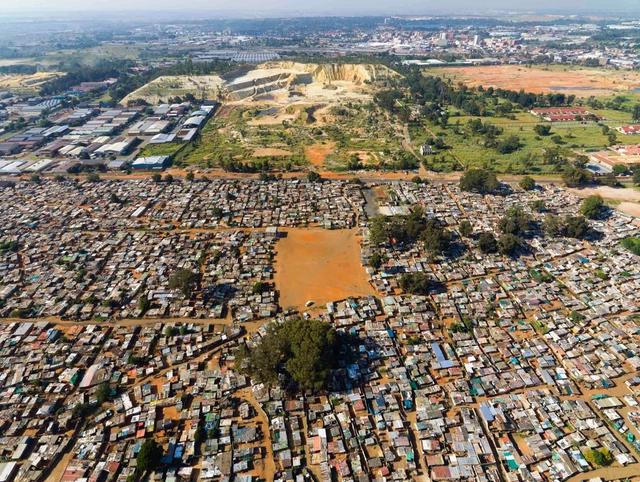
The urban settlements we inhabit today exist in their present form due to a host of reasons. There are cities that have grown due to their proximity to water – such as the growth of Dar es Salaam to the major port city it is today. There are the planned capital cities scattered around the world, governments of countries such as Brazil and Nigeria building cities from scratch from the input of acclaimed architects. There are also the settlements that exist and grow because of certain industries, such as Silicon Valley in the American state of California being home to giants of the technology industry. There’s an industry, however, that has spawned both pulsating cities and abandoned towns – the mining industry.
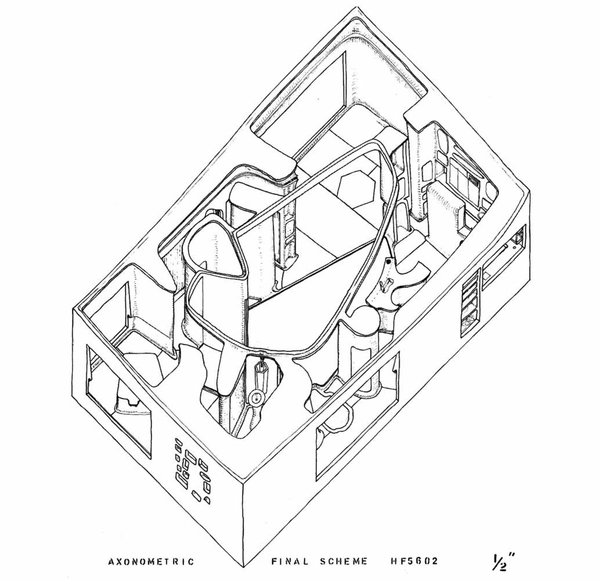
The House of the Future was designed by Alison and Peter Smithson in 1956 to showcase what house designs might be like 25 years in the future. It is an interior-focused rectangle filled in with amorphously shaped walls, storage units, and a central courtyard as well as high technology of all sorts. It is like something out of the Jetsons. While the design remains unique in the Smithsons portfolio, it was highly influential in their student’s work and firms like Archigram built upon its boldly novel concepts. Despite this long and robust influence, the structure was physically standing for only a short time. In this video, the house is reconstructed and explored in real-time. What would it have been like to occupy The House of the Future? See for yourself.

The housing shortage has long been the catalyst for architectural speculation over adaptive resue scenarios or the valorisation of underused places in cities. At the same time, the health crisis and its work from home imperatives have brought into sharp focus the adaptive reuse potential of offices spaces into housing. The probability that some office buildings remain vacant post-pandemic opens up the possibility of bringing back housing to city centres, enabling the implementation of a 15-minute city vision. The following discusses the challenges and opportunities of transforming office spaces into housing, highlighting this limited phenomenon's long-term feasibility and impact.
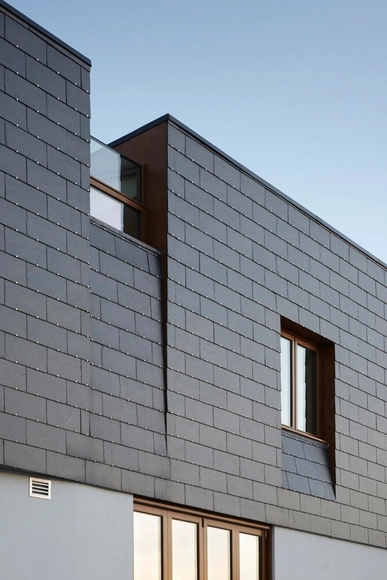
Slate is a metamorphic rock formed from the transformation of clay under high pressure and temperature. Very homogeneous and sober, with shades ranging from dark gray to black, it is commonly used in floors and roofs due to its durability and appearance. Slate also works very well for façades, combining the aesthetics of natural stone, shaped by nature for over 500 million years, with the thermal comfort and ease of installation of ventilated façades.
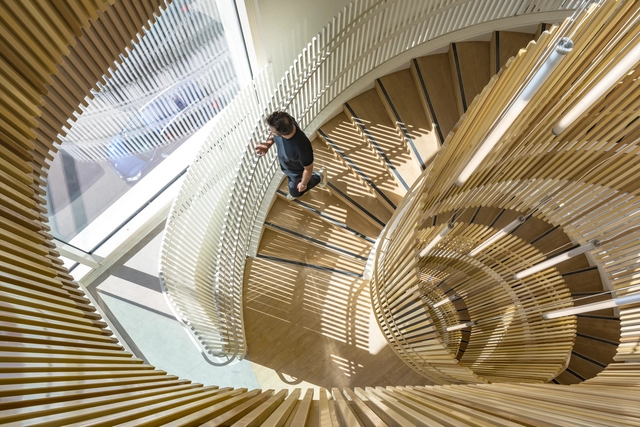
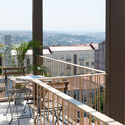
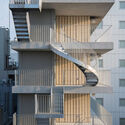
Railings play two roles in architectural projects, both as a support and safety component in a building, which involves a great deal of technical detailing and accessibility standards, and as an accent element in the design. In this article, we will explore the different ways in which these elements can be used in a project.


Warsaw Home & Contract is a welcome opportunity for architects and interior designers to re-establish business relationships, establish new ones and discover the latest ideas generated by Poland’s burgeoning design community.
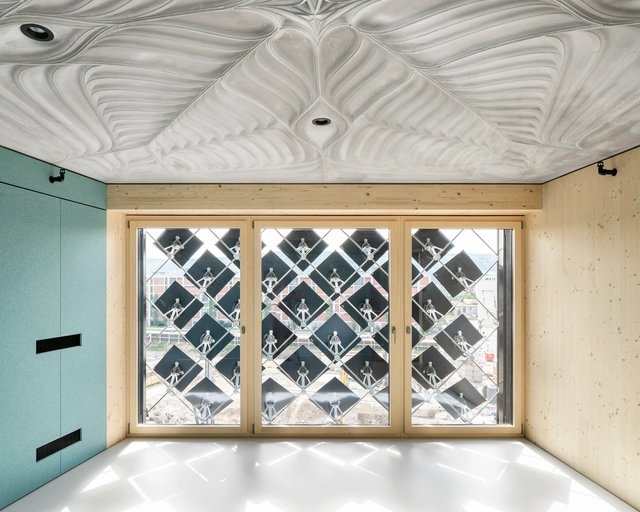
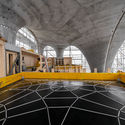
The latest addition to Empa and Eawag's NEST research building in Duebendorf, Switzerland has officially opened. The innovative HiLo unit illustrates nearly a decade of formative ETH Zurich research in architecture and sustainable technologies, and features an intricate, doubly curved concrete roof, lightweight funicular floors, and self-learning building technology.

In a post-Covid period of reinvention, Porto-based furniture brand Hamilton Conte is embracing modularity, new shapes and above all, comfort.
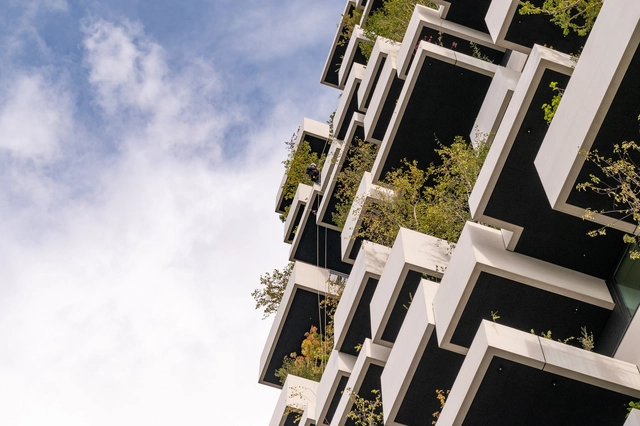
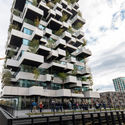
“Designing a house for trees”, as he puts it, Stefano Boeri is working across the planet, exporting his approach with trees from Mexico to Shenzhen. Building a whole ecosystem, rather than just a green facade, the architect understands the need to redefine our relationship with nature, especially in cities.
ArchDaily’s Christele Harrouk had the chance to interview the architect in Eindhoven, during the inauguration of the Trudo Tower, Stefano Boeri’s first social housing project, in collaboration with Francesca Cesa Bianchi, his partner at Stefano Boeri Architetti, Laura Gatti, botanist and plantation consultant, and Paolo Russo, Project leader. Discussing mainly his approach with nature, the environmental quality, and his exported perspective around the world, the conversation also tackled the 4 ongoing vertical forests in West Europe: A first that has just started in Utrecht, a second in Brussels, a ready to go building in Eindhoven and a last one in Antwerp.
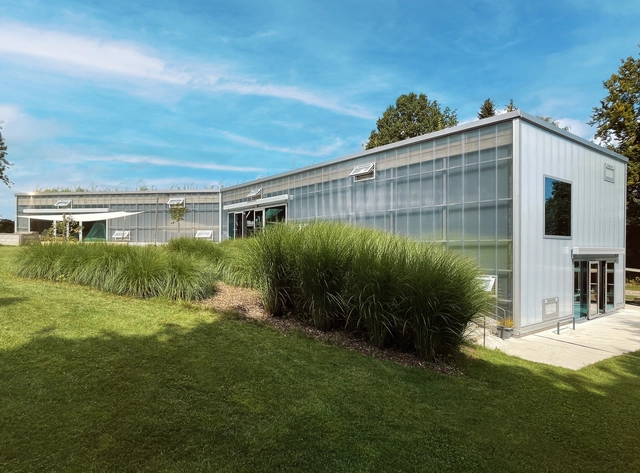
Climate and resource protection are some of the most pressing issues in regards to our future world. This is not a singular issue, but a complex one that affects every sector of humanity including mobility, architecture, sustainable living, and learning. There is a common misconception that building materials - such as polycarbonate translucent panels - cannot be sustainable. Plastic as a material has such an enormous impact on the world, and has drawn negative attention which makes it difficult to break away from the generalization that plastic is fundamentally "bad." Companies such as Rodeca, for example, in the plastics production space have engineered translucent building materials that are capable of enduring for many years as an integral construction material, and do not have to be quickly disposed of. As a producer of polycarbonate panels, Rodeca is always looking ahead to the future of sustainability.
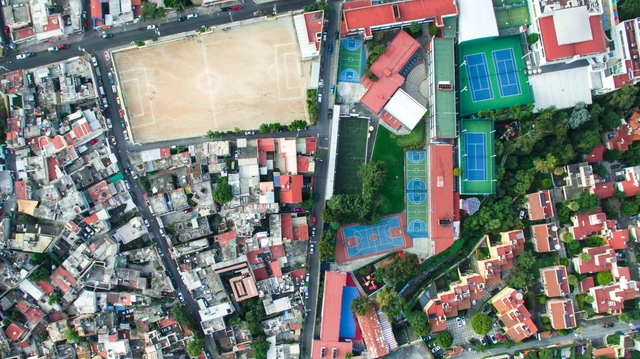
The concept of equity is different from equality; equity means everyone needs support, but not necessarily in the same way. Therefore, the concept of urban equity allows us to preserve the uniqueness of each region of a municipality, protecting diversity and richness without overlooking infrastructure needs, which directly affect the quality of public space and the basic services required for a private residence - it allows us to design and invest in the city fairly, regardless of the region.
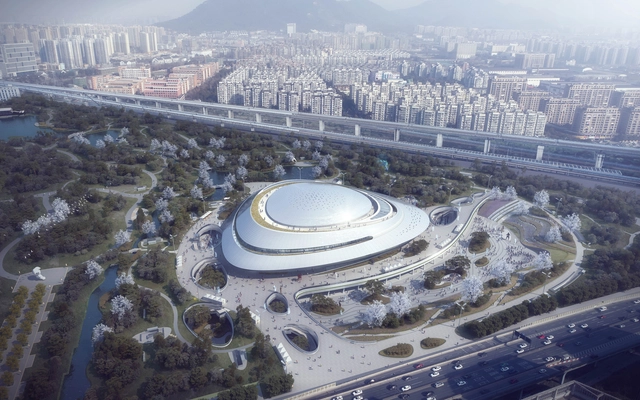
This week’s curated selection of Best Unbuilt Architecture highlights competition-winning projects submitted by the ArchDaily Community. From art museums to memorials, this article explores cultural functions and commercial spaces, and presents projects submitted to us from all over the world.
Featuring commercial spaces that honor the historic architectures of Ukraine and Romania, and a public plaza inspired by the topography between the coastal line and the urban square of Usküdar, this roundup explores how architects have designed monumental structures that cater to the needs of the public while respecting the surrounding topography. This round up also includes a collection of competition-winning proposals in Spain, China, Thailand, India, Israel, Iran, Kosovo, and Hungary, each responding to different contexts, spatial needs, and geographies.
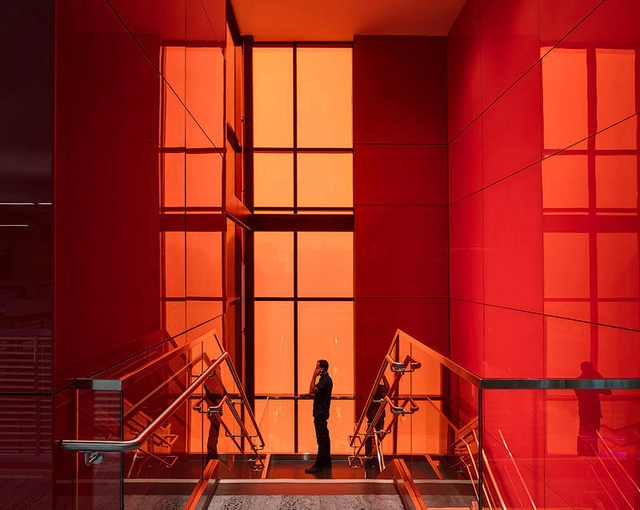
Polyvinyl Butyral (PVB) is a resin known for its strength, flexibility, and optical clarity. When inserted and bonded between two panes of glass, the combination —known as laminated glass— provides a tough, acoustic, glare-, UV- and solar-protective barrier with no loss of transparency. So much so, that its main use is in car windscreens.
By inserting and layering various sheets of colored PVB, glass can be transformed with a kaleidoscope of color and a range of opacity. The whole effect gives interiors specifiers a palette of light and color tools when adding personalities to interior environments. Here are six examples of projects that use PVB-laminated glass to great effect:
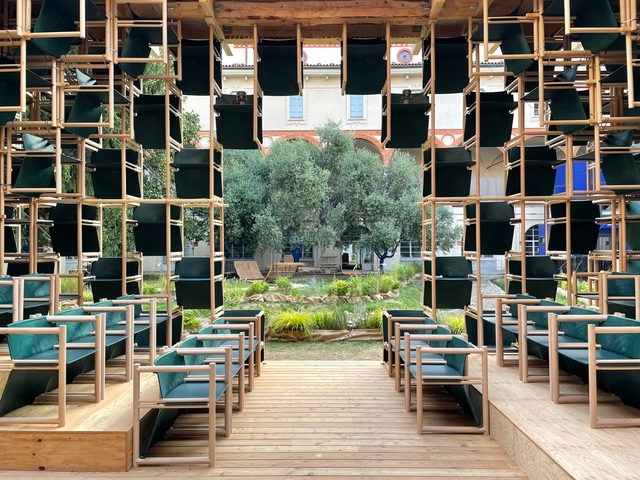
Lendager Group was founded with the explicit goal of becoming the leading sustainable architectural office in Denmark. Exploring the concept of Design for Disassembly (DfD for short), their recent project in Milan is grounded in the growing concern around resource consumption and low recycling rates within the construction industry. Expanding on themes of the circular economy, their work was designed utilizing chairs made of ocean plastic and the pavilion was designed for disassembly.
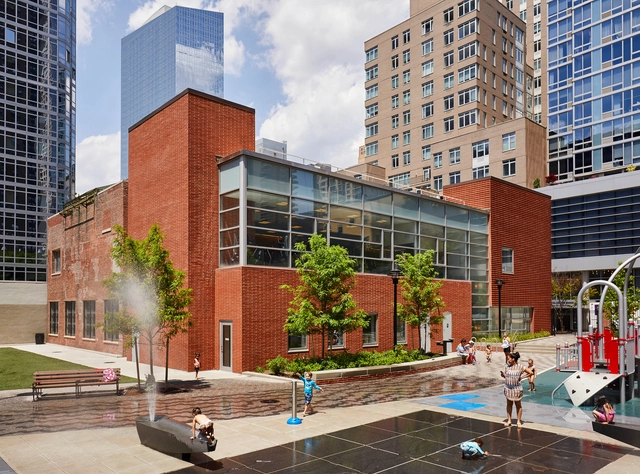
Belmont (Monty) Freeman (b. 1951) founded his New York-based, currently eight-person practice, Belmont Freeman Architects in 1986. Its active projects are half institutional and half residential, with a special focus on adaptive reuse, predominantly in New York and nearby states. Among the firm’s most exemplary projects are the LGBT Carriage House on the University of Pennsylvania campus, a series of restorations at the Four Seasons restaurant in the Seagram Building, renovations at the Yale Club in Manhattan, and the renovation of the Ezra and Cecile Zilkha Gallery at Wesleyan University in Connecticut, designed by Kevin Roche. Current projects include an expansive but minimalist residential compound on Martha’s Vineyard, branch library renovations in New York City, and redevelopment of a former meatpacking building into a new Innovation Hub for Columbia University’s Business School.

The new Kaijo and Canyon surfaces by designer Markus Bischof for Agrob Buchtal may differ significantly in form, but both create striking, geometric facades.
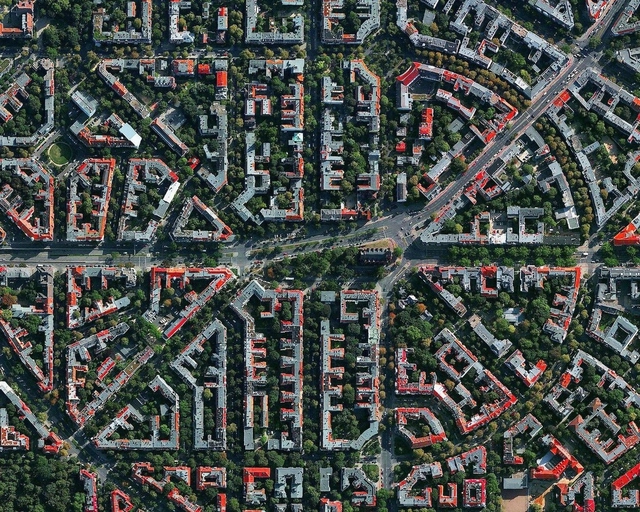
Celebrated on the first Monday of every October, World Architecture Day was set up by the Union International des Architects (UIA) back in 2005 to “remind the world of its collective responsibility for the future of the human habitat”, coinciding with UN-Habitat's World Habitat Day.
This year both organizations have defined themes related to improving the quality of life and reducing the effects of the climate crisis by taking action in the built environment. While the International Union of Architects' 2021 World Architecture Day theme is "Clean Environment for a Healthy World", UN-Habitat's World Habitat Day has announced "Accelerating Urban Action for a Carbon-Free World" as their topic.
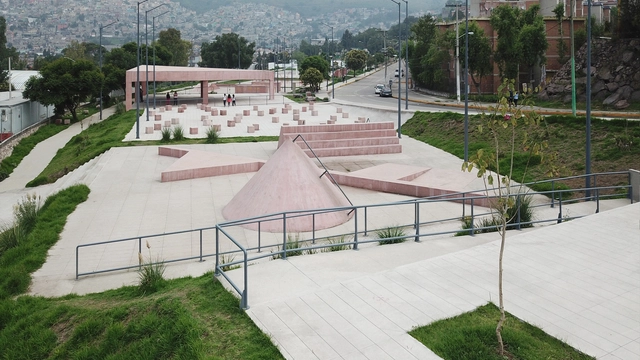
There are several reasons why the Estado de Mexico (a state, not the country) is important not only at the national level but also because of its intrinsic relationship with Mexico City since 59 of its municipalities are considered part of the Metropolitan Area of the Valley of Mexico. In this area, there are a large number of industrial plants. In addition, it houses some of the most visited archaeological sites such as Teotihuacán, Tetzuco, Azcapotzalco, Chalco, and Amaquemecan.
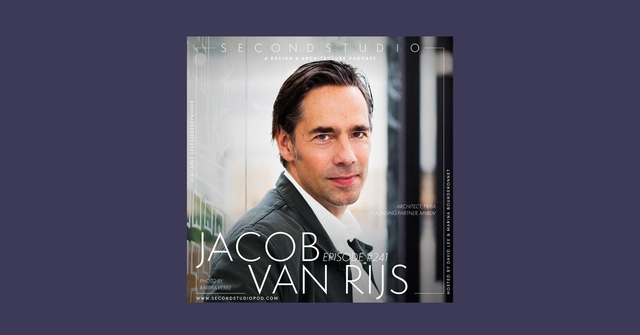
The Second Studio (formerly The Midnight Charette) is an explicit podcast about design, architecture, and the everyday. Hosted by Architects David Lee and Marina Bourderonnet, it features different creative professionals in unscripted conversations that allow for thoughtful takes and personal discussions.
A variety of subjects are covered with honesty and humor: some episodes are interviews, while others are tips for fellow designers, reviews of buildings and other projects, or casual explorations of everyday life and design. The Second Studio is also available on iTunes, Spotify, and YouTube.
This week David and Marina are joined by Jacob van Rijs, Founding Partner of MVRDV, Architect and Urban Planner to discuss the beginnings of MVRDV, working internationally, the office's structure and growing from 3 people to 300, creating a positive office environment (the MVRDV house), design process, having fun in design, MVRDV's diagrams, why clients hire MVRDV.

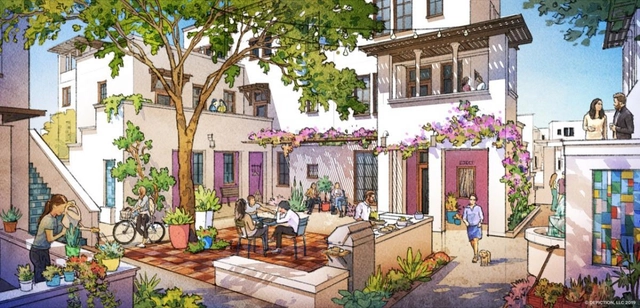
Planning cities and the way that we comfortably live in them is often a pull between many things. From creating affordable housing for all, enhancing community facilities and amenities, and designing walkable neighborhoods, all aspects of urban design have trade-offs, or do they? While there are many reasons why cities are becoming increasingly more expensive, dense, and less pedestrian-friendly, one of the key drivers behind the increase in unaffordability has to do with the way that outdated zoning codes drive the lack of available housing that they regulate.







.jpg?1633431403 "Palazzo Verde . Image © Stefano Boeri Architetti")
.jpg?1633431510 "Palazzo Verde . Image © Stefano Boeri Architetti")