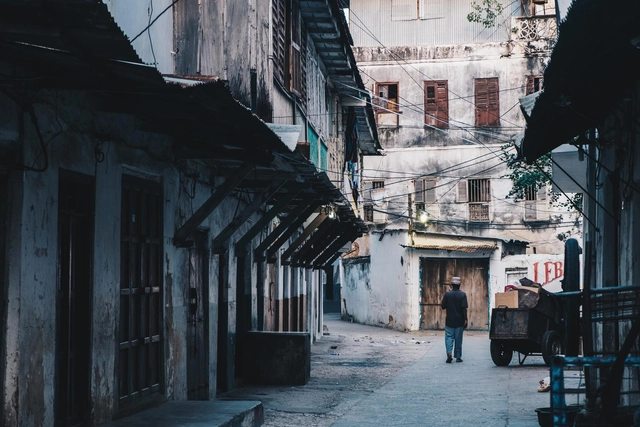
Aguascalientes is a small state in the heart of Mexico, located 480 km northeast of Mexico City and nestled between the states of Zacatecas and Jalisco. With just 5618 km² of territory, it is Mexico's third smallest state. It's capital and most populated city is Aguascalientes, or "hot waters" in English, is named for the numerous hot springs found throughout the area.
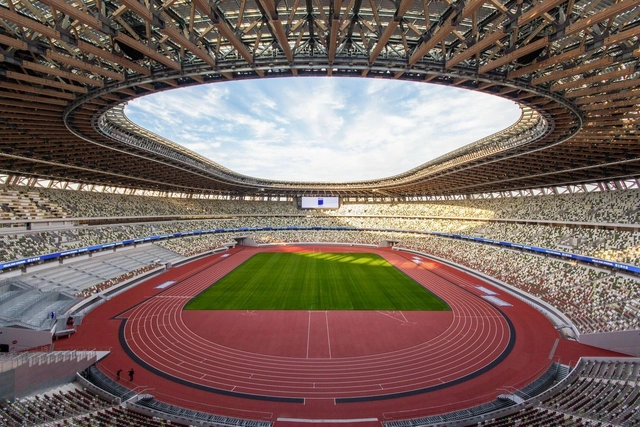
Since their inception in 1896, modern-day Olympics have been regarded by hosting cities as an opportunity to project to the world a specific image of themselves, to subsidize large infrastructure projects, or to rapidly unfold redevelopment schemes. Past the frequently discussed eye-catching stadiums, there is a complex story of Olympic urbanism, which encompasses the large scale developments catalyzed by the event. Exploring the urban and architectural legacy of the Games, the success stories, the white elephants, and the administrative agendas, the following discusses what the Olympics leave behind in the hosting cities.
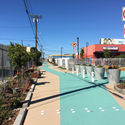
"Deck parks are increasingly in vogue in the Southwest’s downtown cores but aren’t a good fit for El Paso," writes Sito Negron. Recently a lot of cities around the world have been rethinking urban spaces dedicated to transportation, introducing public areas over highways while expanding the vehicular realm. In this week's reprint from the Architect's Newspaper, the author explores the limits of this trend and questions its implementation in some cases.
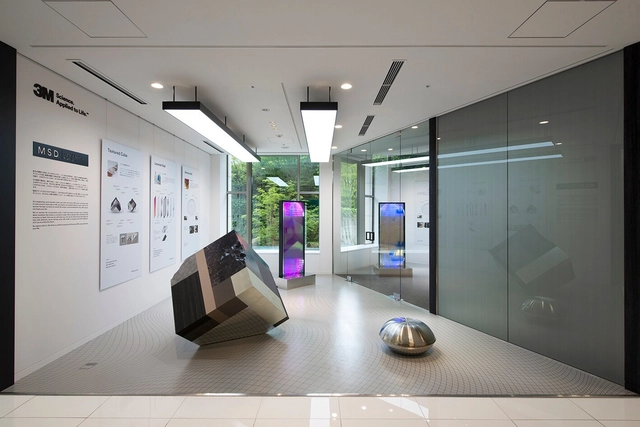
3M™ Sun Control Window Films Prestige Series balance light transmission and heat rejection, helping to save energy and carbon emissions. Image Courtesy of 3M
The 3M™ Sun Control Window Films Prestige Series from 3M protects against solar radiation, making buildings not only more environmentally friendly but bringing economical benefits, too.
Among the most renowned and well-established offices in the world, OMA - Office for Metropolitan Architecture, founded in the 1970s by Rem Koolhaas, Elia Zenghelis, Madelon Vriesendorp, and Zoe Zenghelis, is definitely part of the pantheon of the most famous. Curiously, although it receives large commissions and has already built several emblematic works in different countries, the office is often associated with an approach that is less focused on architectural design, going beyond the strict limits of the disciplinary field and encompassing other areas of practice.
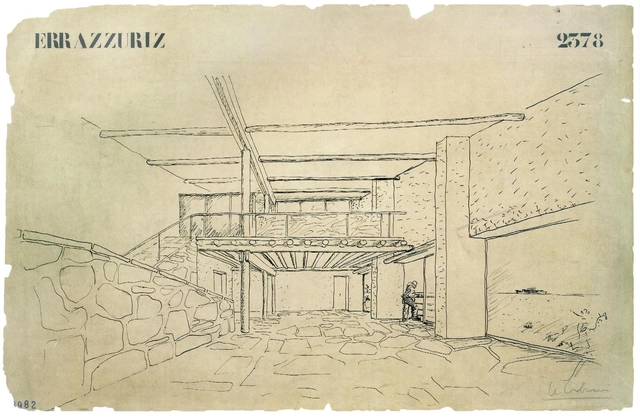
Sometimes architecture’s most influential designs remain unbuilt. Their mark on the world is larger than the physical footprint of the building despite it never breaking ground. This is the case for the Errazuriz House designed in 1930 by Le Corbusier for a Chilean diplomat to Argentina. The house was intended for the mountains of Zapallar Chile overlooking the Pacific Ocean. Its primary design feature, the uneven butterfly roof, was intended to reference the peaks and ridges of its surrounding terrain. This is the first instance of a butterfly roof, which would become a staple of post-war houses in California, built by the thousands. This video explores the Errazuriz house, its history, its design, and takes us on a virtual walkthrough of its digital reconstruction.
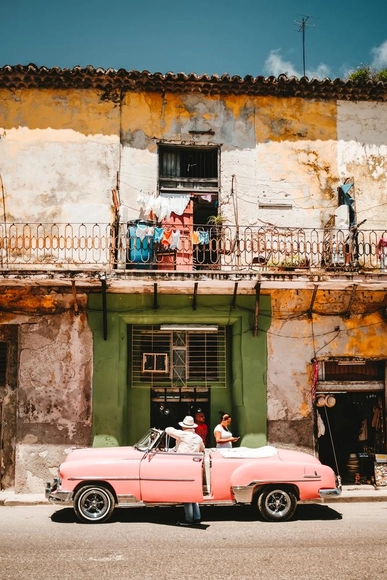
The average age of a home in Cuba is just over 75 years old, and three of them collapse every day.Cuba’s housing crisis is perhaps one of the most unique examples of urban inequity in the world. While the island nation’s extensive history of waves of foreign influence has largely shaped their government, and in turn their public policies and urban planning strategies, they yet have been able to stabilize their long-standing housing crisis- forcing thousands of Cubans to live in derelict homes or public shelters. Now, many questions are being raised about how they will build new housing, repair the existing structures, and revise laws that allow Cubans to have more autonomy in the homeownership process.
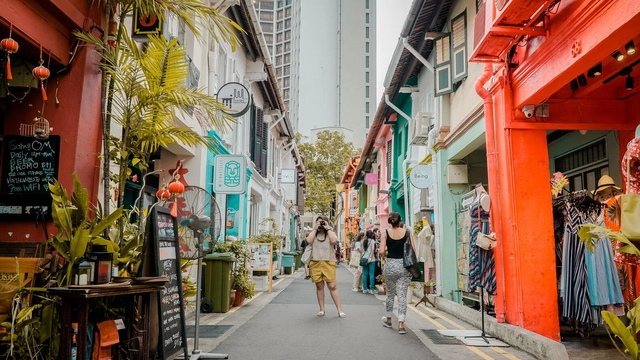
Haji Lane, Singapore. Photograph by Bna Ignacio, via Unsplash
Time Out, an online platform for urban culture that looks for the most vibrant locations around the globe, has recently ranked the 30 coolest streets in the world. The website, which usually focuses on cities as a whole, having already ranked the coolest neighborhoods, is now taking a more local approach due to the Covid-19 pandemic.
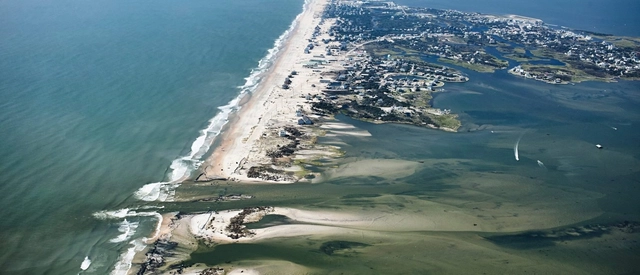
In this week's reprint, Martin C. Pedersen talks with John Englander, author of Moving to Higher Ground: Rising Sea Level and the Path Forward, about the “unstoppable” sea-level rise. The article explores the importance of planning for this challenge right away. In fact, "we have some time, but not all the time in the world" states John Englander.
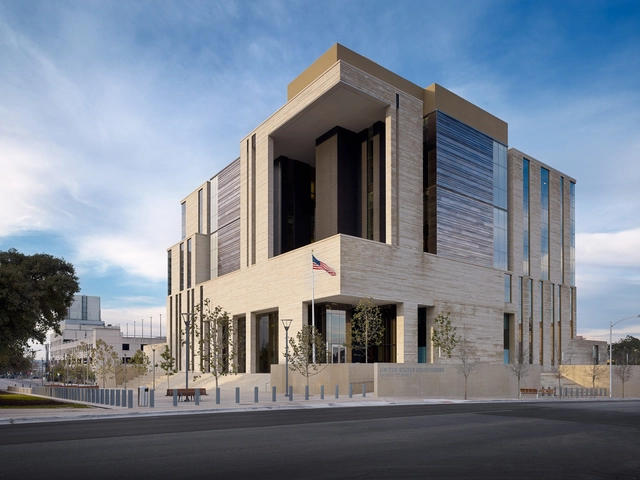
The Southwest United States is known for civic and monumental designs. These projects establish iconic, contemporary expressions that move beyond vernacular traditions. Located on sites throughout Texas, New Mexico, and Arizona, they are designed with modern aesthetics and new ideas. Novel spatial experiences and formal approaches are being explored by both local and international architects. Standing in contrast to the intimate, discreet spaces found within southwest residential architecture, these buildings are prominent landmarks and nodes within their respective cities.
Caius Sergius Orata is credited, by Vitruvius, with inventing the hypocaust. The word, from the Latin hypocaustum, in a literal translation, means access from below. The hypocaust is a raised floor system on ceramic piles where, at one end, a furnace—where firewood is burned uninterruptedly—provides heat to the underground space, which rises through walls constructed of perforated bricks. Hypocausts heated, through the floor, some of the most opulent buildings of the Roman Empire (including some residences) and, above all, the famous Public Baths.
With a similar function, but in the East, there existed the ondol. It is estimated that it was developed during the Three Kingdoms of Korea (57 BC-668 AD), but researchers point out that the solution was used long before that. The system also manipulated the flow of smoke from agungi (rudimentary wood stoves), rather than trying to use fire as a direct heat source like most heating systems. It even caught the attention of Frank Lloyd Wright, as pointed out in this article, who adapted the system to use it in heating homes in the United States and in his important Imperial Hotel in Tokyo. How do radiant floor heating systems currently work?
In a piece, originally published on Metropolis, author Lauren Gallow highlights an urban transformation in California, led by a group of local organizations and designers. The project "replaces a previously hazardous alley with play areas, public art, and native plantings", in order to reveal the untapped potential of the overlooked public realm.
SCHOCK’s premium sinks are produced using locally sourced, Bavarian quartz sand – but they’ve imported Iggy Pop as the face of the company’s latest sustainability campaign.
The COVID-19 Pandemic is a disruptive moment for our world, and it’s poised to spur transformative shifts in design, from how we experience our homes and offices to the plans of our cities. The webcast series Design Disruption explores these shifts—and address issues like climate change, inequality, and the housing crisis— through chats with visionaries like architects, designers, planners and thinkers; putting forward creative solutions and reimagining the future of the built environment.
It is safe to say that living in large urban areas, most of the sounds surrounding us are accidental, and most of them are not very pleasant. According to Julian Treasure, chairman of The Sound Agency, sounds can affect us in many ways: physiologically, psychologically, cognitively, and behaviorally, reducing productivity in workspaces and even affecting sales in retail stores. Therefore, paying attention to acoustic comfort in the built environment is imperative, not only for engineers and consultants but also for architects.
Several recurring qualities and topics were explored at the 17th Venice Architecture Biennale, answering curator Hashim Sarkis' question of "How Will We Live Together". Sarkis called upon architects “to imagine spaces in which we can generously live together”, spaces that are unbound by spatial or social contracts, and are flexible enough to welcome individuals and make them find a sense of belonging in an entirely different habitat. Unlike decades ago, migration today is no longer considered as relocating from rural areas to cities, where people needed to be in proximity to their workplaces. Technological advancements, new work modules, and most notably the pandemic altered the way people perceive spaces, making it possible to complete at least 85% of day-to-day responsibilities from practically anywhere in the world. What we have learned from previous cases, and what we are observing now, is that the built environment needs to be flexible.
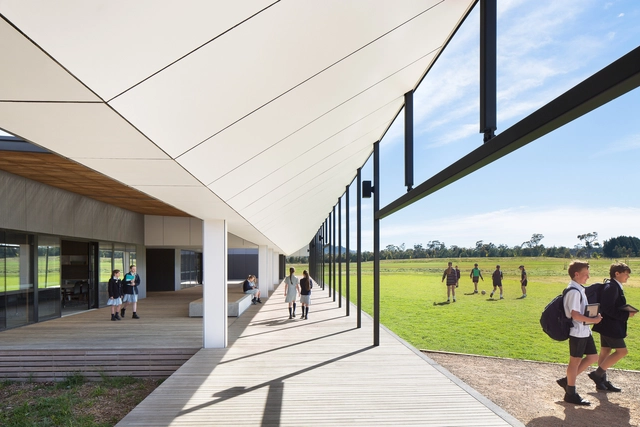
Australia's modern architecture has diverse roots. Grounded in designs like the famous Sydney Opera House, the country’s contemporary projects are radically embracing new aesthetic ideas. Moving beyond traditional pisé construction to create articulated forms, modern designs are emerging as multicultural hybrids both derivative and imported in nature. Exemplifying this dynamic, Australian education projects reinterpret vernacular architecture to embody contemporary culture. Representative of a design language that’s uniquely Australian, these projects build off the continent-nation’s history to create space for learning, recreation and reflection.
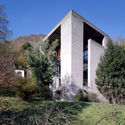
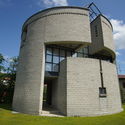
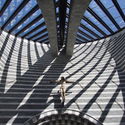
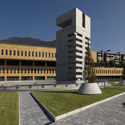
Swiss architect Mario Botta is known for his geometrically imposing, spatially captivating structures that are invariably dressed in zebra-like horizontal stripes in either black and white or red and white combinations. These both traditional and strikingly modern villas, chapels, wineries, schools, libraries, museums, company headquarters, banks, and residential blocks are scattered throughout towns and mountainous villages in the architect’s native Ticino region in southern Switzerland, extend all over Europe and can be encountered in places as far away as China, India, South Korea, Japan, and the USA.
A frameless window is exactly how it is described – a seamless glazing option that has no obvious frame around the perimeter. As a new design phenomenon, frameless glass panels are used for balconies, shower screens, glass doors, and bespoke conservatory windows, creating a ‘wall of glass’ effect, which is a hallmark of contemporary architectural design. Seamless glazing has a range of advantages, the first being the supreme stylistic feature it can create, letting the optimum amount of light into a room and provide a chic contemporary element to a building. Aside from the aesthetic appeal, frameless windows are simple and super-fast to install so homeowners can enjoy minimum disruption and lower installation fees.
Residência GAF/Jacobsen Arquitetura. Image Cortesia de Jacobsen Arquitetura
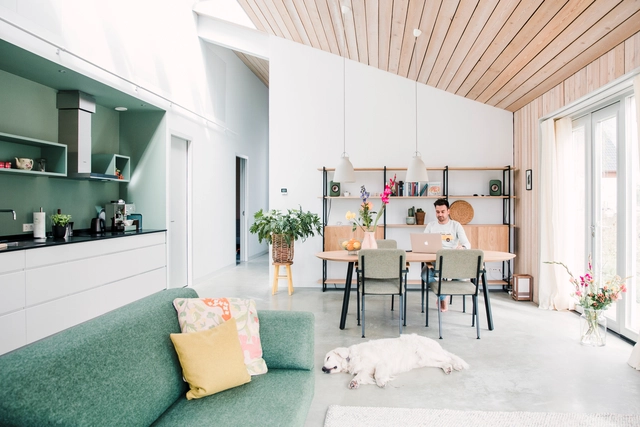
When designing homes, architecture is constantly evolving and adapting to environmental conditions. Each climate has specific needs and requires different solutions in terms of comfort. Hot and humid environments require a very different design from cold and dry environments. Natural ventilation, for example, is very important in projects located in warm climates.
The Cali Industrial by Futuris Architects. Image Courtesy of Futuris Architects
Housing is one of the core functions of architecture, circumscribing numerous typologies and encompassing a variety of issues. This week’s curated selection of Best Unbuilt Architecture highlights different forms of housing submitted by the ArchDaily Community. From urban developments to micro homes, from a deep connection with the landscape to high-end technologies, this article explores the topic of residential architecture, presenting different approaches from around the world.
Featuring a strategy to refurbish the typical urban block of Barcelona to accommodate senior housing, a net-zero energy tower in Italy and a poetics-infused villa in Greece, the round-up spans a multitude of scales and housing scenarios. In addition, a concept for 3D printed micro-homes addresses the housing shortage, while an urban development in India recuperates the values of traditional villages. The following projects reveal various ideas surrounding residential architecture in its numerous forms.
Our lives in urban centers have been completely upended over the last 16 months. As we look into the near future, some of us begin to experience the call back into our workplaces and experience the awakening of a long slumber of cities, it’s without a doubt that life as we knew it will never be the same. While some on the extreme end have been asking “will we even need cities?” (to which the answer is a very definite yes), how will cities change if we continue to move forward in this digital era of work and life that was accelerated by the pandemic?
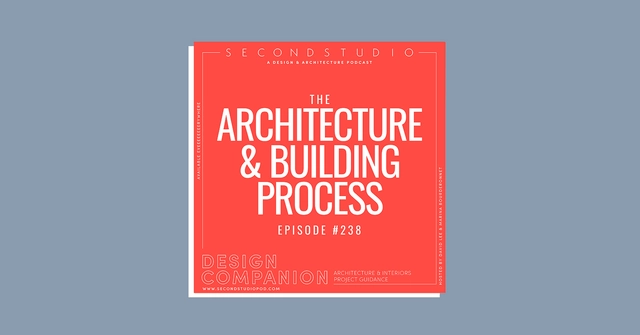
The Second Studio (formerly The Midnight Charette) is an explicit podcast about design, architecture, and the everyday. Hosted by Architects David Lee and Marina Bourderonnet, it features different creative professionals in unscripted conversations that allow for thoughtful takes and personal discussions.
A variety of subjects are covered with honesty and humor: some episodes are interviews, while others are tips for fellow designers, reviews of buildings and other projects, or casual explorations of everyday life and design. The Second Studio is also available on iTunes, Spotify, and YouTube.
This week David and Marina discuss the typical architecture and building process, covering the phases and steps in most building/construction projects—what can be expected during each step, why the different phases exist, their typical processes, the documents completed at the end of each phase, and the outcome of each phase.
https://www.archdaily.com/963915/the-second-studio-podcast-on-the-architecture-and-building-processThe Second Studio Podcast
The world of travelling is a multifaceted one. There are the everyday trips one takes for work or school, commuting to a set location during the week, usually within the confines of a city. There are the longer trips too, the trips which usually involve getting into an aeroplane to visit someplace a bit farther from where the traveller usually resides. These trips are frequently done for business purposes, but for those who have the means to afford it, these trips are undertaken for learning and leisure – where the traveller can be defined as a “tourist”.


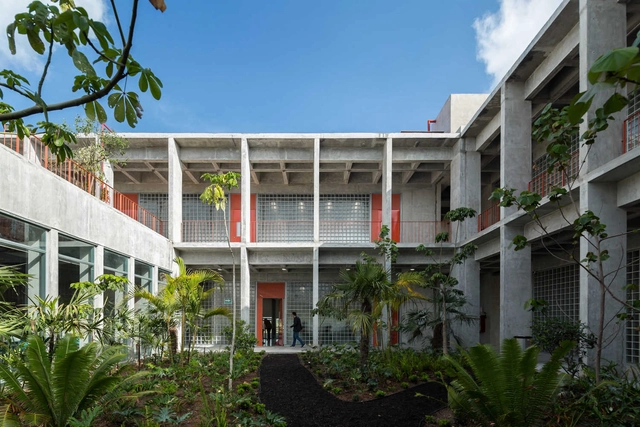
.jpg?1623351121 "Leona House/ Colectivo Arrabal. Image © Paulina Ojeda")




_OMA.jpg?1558539068 "Knoll Celebrates Bauhaus. © OMA / Photography by Fred Ernst")

















_(1).jpg?1625088008&format=webp&width=640&height=580)


.jpg?1624992493&format=webp&width=640&height=580)
.jpg?1624992580 "Romanian Pavilion. Image © Laurian Ghinitoiu")
.jpg?1624992414 "Polish Pavilion. Image © Laurian Ghinitoiu")
.jpg?1624992487 "French Pavilion. Image © Laurian Ghinitoiu")

.jpg?1624992493)