Produce personalized presentation boards that distill complex concepts into simple visual representations with a few helpful tools and effects.


Produce personalized presentation boards that distill complex concepts into simple visual representations with a few helpful tools and effects.
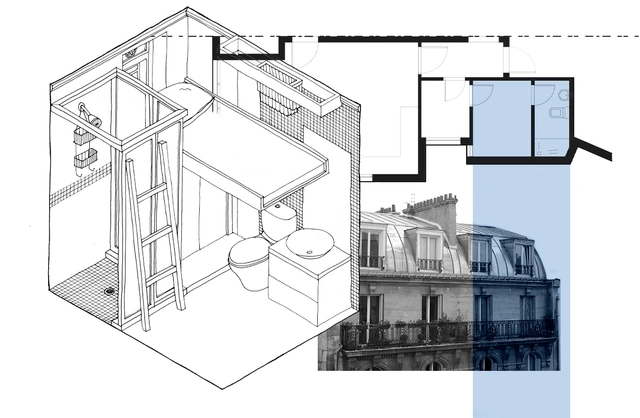
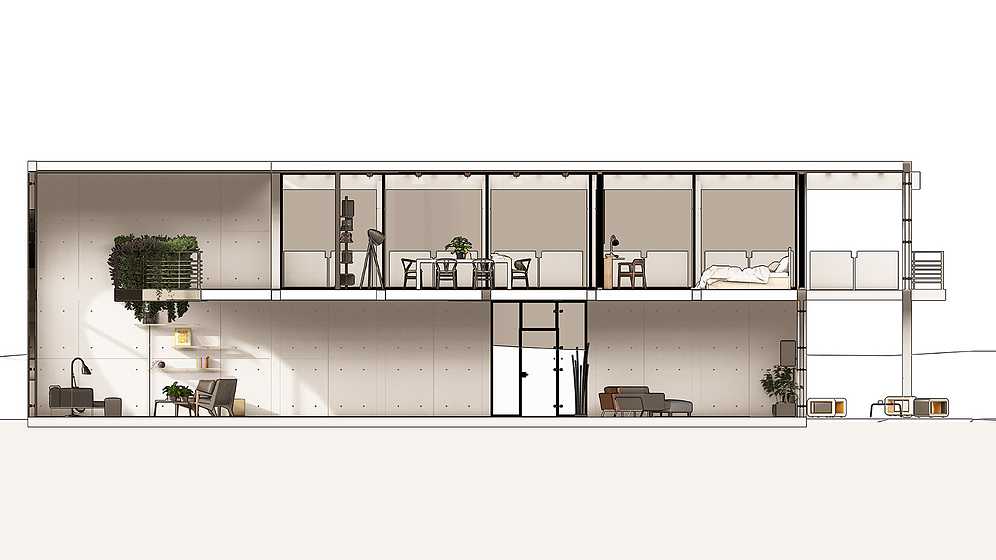
Looking through interior images of houses, we often see grand bedrooms with an influx of natural lighting. We see inviting open-space living rooms, lush terraces, and kitchens with high-end equipment and refined finishes. But what we don't see is that behind these sleek walls are small neglected bedrooms without proper ventilation, natural lighting, or space to move around, dedicated to those who cater to the entire household.
The disparate spatial configuration and "colonial" approach to the living conditions of servants and foreign laborers have existed long before the rise of congested cities and micro-apartments. Household owners, or at least a good sum of them, have always felt that domestic workers needed and deserved less space to reside in, not just in terms of spatial area, but in terms of necessary living conditions for a better, more comfortable life.
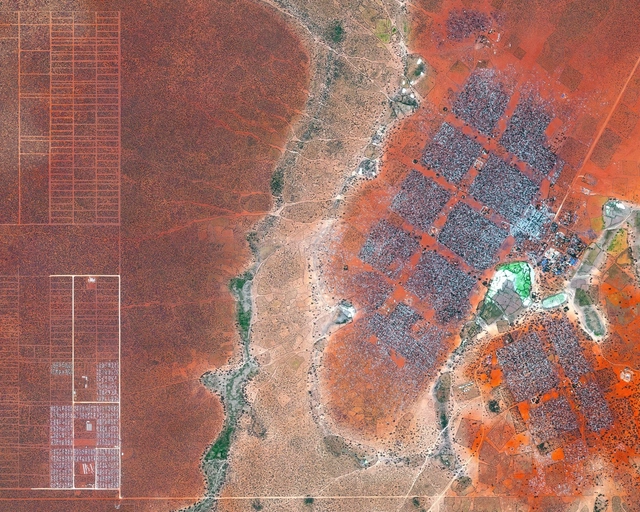
What do Katuma, Hagadera, Dagahaley, Zaatari or Ifo bring to mind? They are truly beautiful names, and could easily belong to Italo Calvino's 55 invisible cities.
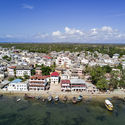
But they are not invisible cities, they are informal settlements in Kenya and Jordan, home to between 66,000 and 190,000 refugees, mostly from bordering countries, supposedly temporary camps that half a century later are still with us today. Generally lacking in infrastructure, some have schools and hospitals, and Zaatari even has a circus academy, but for most of the people who live there, they are the only cities they have ever known.
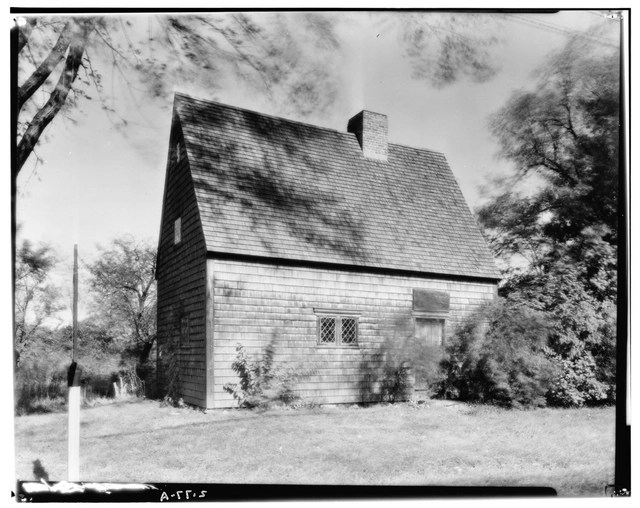
There is an architecture of the migrant. It is survivalist, built with what is available, made as quickly as possible, with safety as its core value. Americans romanticize that architecture as “Colonial”: simple timber buildings, with symmetric beginnings, infinite additions, and adaptations. But “Colonial” architecture is not what was built first by the immigrants to a fully foreign land 400 years ago. Like all migrant housing, time made it temporary and forgotten.
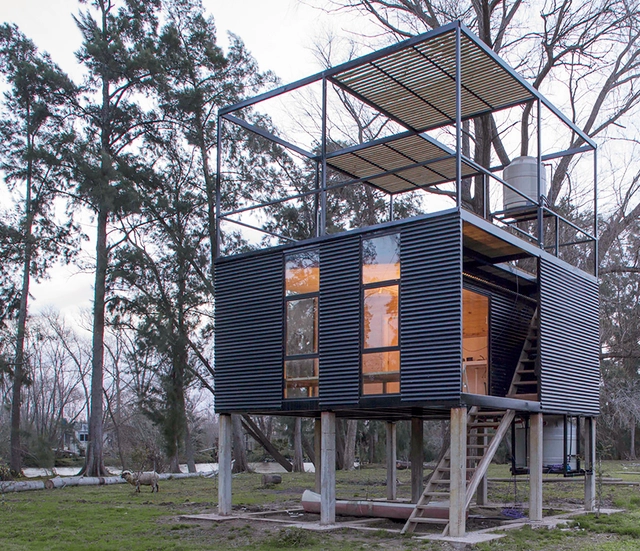
Whether applied as cladding to steel or timber frame structures or to structures built by traditional means, sheet metal offers an array of advantages as a building material, thanks to its low cost, ease of maintenance, and versatility.
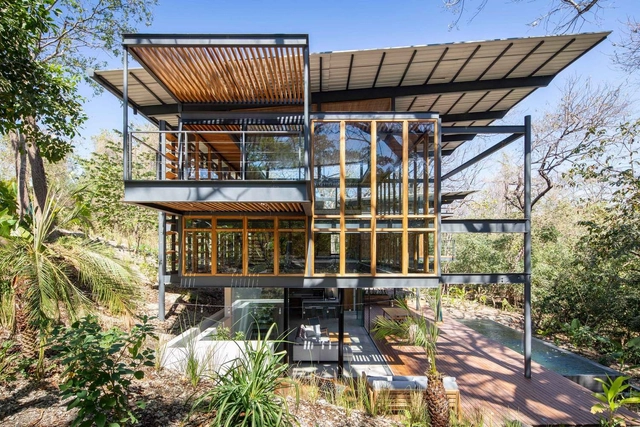
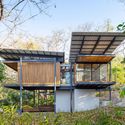
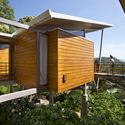
Costa Rica’s new modern homes are built to float above the landscape. This wave of elevated housing is designed to minimize environmental impact while working with varied terrain. Aiming to become a carbon-neutral country, Costa Rica is transforming its housing market as it experiences a growing demand for more residential buildings.
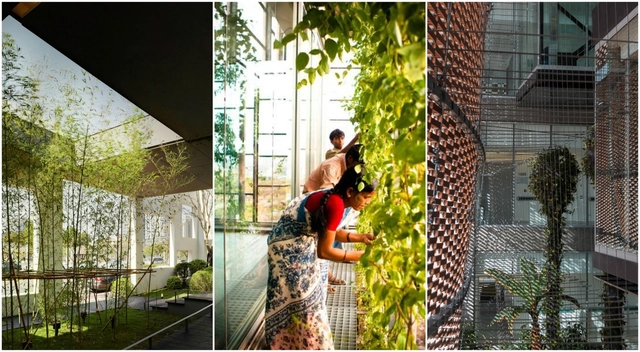
Bringing the weather inside is usually the opposite of what you want from a building envelope. However, new research from the University of Oregon, described in an article by The Washington Post, aims to show the physical and psychological benefits of letting nature inside. Signs of nature and change are both beneficial to our well-being, yet we don’t always have access to them when inside buildings—and humans are now spending 90% of our lives inside. But even in an urban setting, where nature may be hard to come by, there’s no escaping the weather. When researchers found ways to bring things like wind and dappled reflections of the sun inside, they found that exposure to these natural movements lowered heart rates, while being less distracting than similar artificially generated movements.
By now, green buildings are a familiar concept, but the article in The Washington Post proposes moving beyond green buildings as we know them today. While green building can be great in new construction, that excludes a lot of existing buildings that could and should also benefit from an intervention of nature. Ideally, buildings should actively demonstrate their relationship with nature, moving beyond simply “doing no harm.”
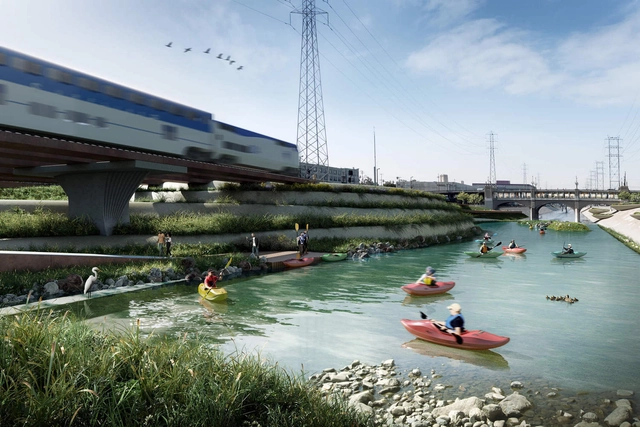
Following a lengthy search, the California city of Riverside and its Parks, Recreation, and Community Services Department have selected Studio-MLA as the lead designer of the River-Side Gateway Project Suite, a string of nine sites along a seven-mile stretch of the Santa Ana River. Funded by the California Coastal Conservancy, the search committee sought a design team that could best revitalize the open spaces and trails along the northern edge of Riverside, the largest city in the Inland Empire region of California with a population of over 300,000.

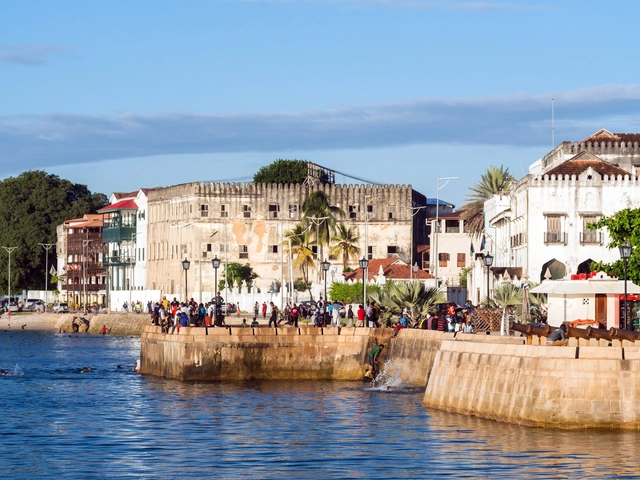
The African continent has been - throughout history – a key player in the ever-evolving story of human migration. Cultures and customs have been shared, adapted, and re-imagined as a result of this movement of populaces, and architectural styles are no exception. In a way, the varied architecture present in Africa is a lens one can look at to understand the intricacies of migration. Present on the continent are ancient indigenous and building typologies born out of the organic assimilation of cultures. Also present are remnants of colonial architecture, a legacy not of voluntary migration, but of forced colonial imposition.
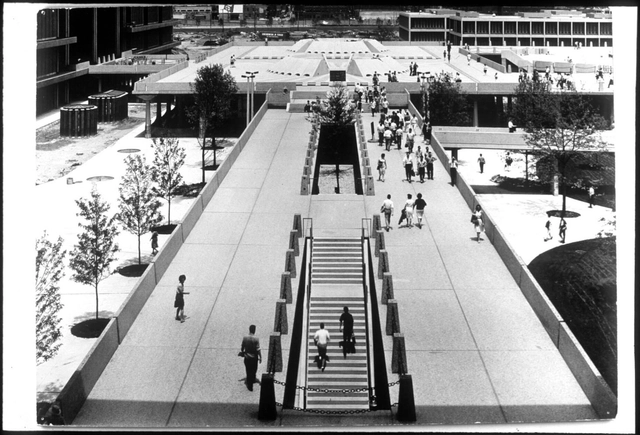
Chicago was home to a massive elevated walkway dubbed the “pedestrian highway.” It connected buildings on the East Campus of the University of Illinois at Chicago and created a multilevel network of human activity. It was designed by the architect Walter Netsch, the architect of the Air Force Academy Campus and famous chapel in Colorado Springs. The walkway was gigantic and monumental. It was even featured in the horror film Candyman from the early 1990s. But, over time, the walkway fell into disrepair and the decision was made to demolish this piece of iconic urban infrastructure.
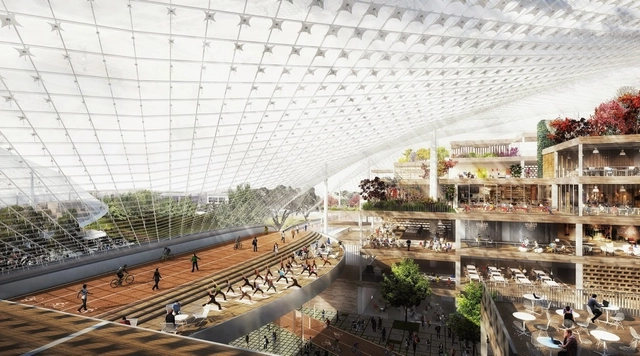
Migration across towns, cities, states, countries, and continents is part of everyday life. As we move to seek out new opportunities in our personal and professional lives, our individual choices actually have greater impacts on the large, highly-interconnected socio-economical systems around the globe. Moving from a small farm town into a major metropolis, or from one continent to another comes with more implications than you may think- and architecture, paired with the concept of “Brain Drain”, might be helping to pull the strings behind the scenes, influencing you to go from one place to the next.
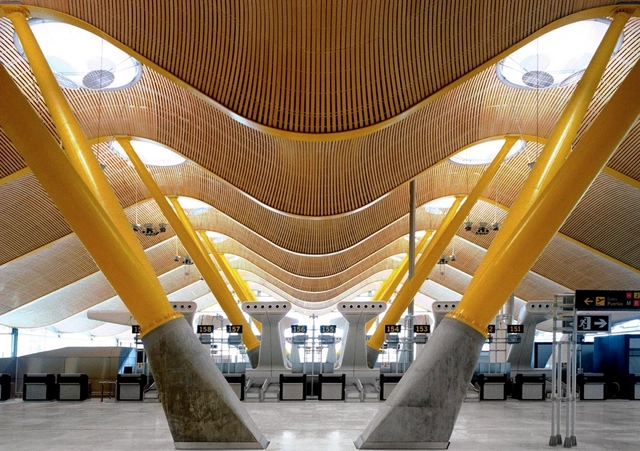
Modern airports have become larger and larger in scale. With increasingly bigger aprons, multiple programs, and countless travelers a year, this typology’s prevalence has grown exponentially. Known for a variety of unique spatial experiences, from massive waiting rooms and luxury lounges to compressed jet ways, airport architecture has really only emerged within the last century. Today, architects and designers are starting to creatively dissolve the daunting scale of airports to explore their role in contemporary urban life.
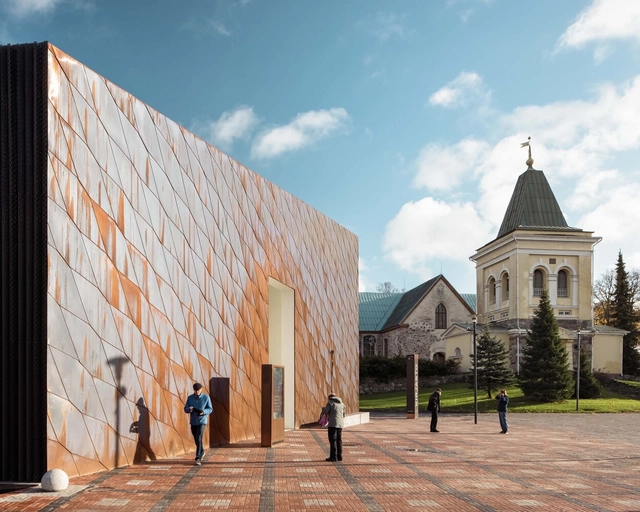
It is believed that copper was the first metal to be found by men and used in the manufacture of tools and weapons. This occurred in the last period of prehistory, more than 10,000 years ago, in the so-called Metal Age, when groups, until then nomadic, started to become sedentary, developing agriculture and starting the first urban settlements. Copper has since been used in diverse ways. Used for decorative objects, jewelry, automotive parts, electrical systems, and even for dental amalgams, the material has had huge demand. In architecture, copper coatings are greatly appreciated for their aesthetics and durability. But a factor worth mentioning is that copper can be recycled infinitely, practically without losing its properties.

When water runs down the drain or we flush it down the toilet, we usually don't care where it ends up. This is because with adequate basic sanitation, wastewater shouldn't be a concern. Yet, although humanity has already taken man to space and plans to colonize Mars, it continues to fail to provide basic living conditions for a large part of its population. A comprehensive study estimates that 48% of global wastewater production is released into the environment untreated. The UN, in turn, presents a much less encouraging figure, citing that 80% of the world's sewage is released without treatment. But returning to the question of the title, there are basically two destinations for sewage if it is not being released directly into the natural environment: it can be treated locally through septic tanks, or connected to a sewage treatment plant through the sewage network, eventually returning to nature after a series of treatment processes.
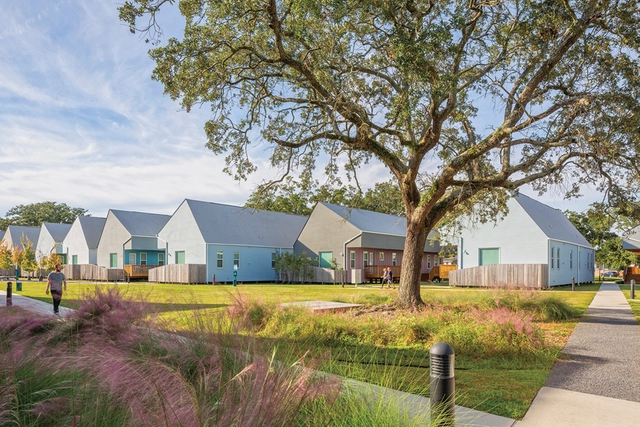
In this week's reprint from Metropolis, author Avinash Rajagopal "takes a broad look at American Design, digging into the practice of architecture, the resurgence of craft, quintessential building forms, and decaying infrastructure". Asking questions such as "what values do we hold dear? What harm have we caused, and who benefits from the work we do?" architects and designers across the United States explore the contextual consequences of the global challenges.

.jpg?1624875360&format=webp&width=640&height=580)
Other than the contribution of national participations, the 2021 Venice Architecture Biennale invites architects and researchers to exhibit their work between the Central Pavilion at the Giardini, the Arsenale, and Forte Marghera, seeking to answer the general theme of “How will we live together?”, set by curator Hashim Sarkis. With 113 Participants from 46 countries, and an increased representation from Africa, Latin America, and Asia, these architectural contributions underline worldwide and contextual challenges as well as present multidisciplinary and inventive solutions.
The 17th International Architecture Exhibition, running from 22 May to 21 November 2021, divides these projects amongst the following titles: Co-Habitats, Stations, Among Diverse Beings, As New Households, As Emerging Communities, Across Borders, and As One Planet, How Will We Play Together? After having explored the recurring qualities observed in the national pavilions, this feature highlights the rest of the interventions through the lens of Laurian Ghinitoiu.
.jpg?1625088987&format=webp&width=640&height=580)
As the prefix already indicates, postmodernism is a turning point in history, thereby proving the willingness of scholars to define this new era based on the rejection of the previous movement. Postmodernism first emerged in the 1960s as a departure from modernism. As a reaction against the austerity, formality, and lack of variety of modern architecture, particularly in the international style advocated by Le Corbusier and Mies van der Rohe, postmodernism defends an architecture full of signs and symbols that can communicate cultural values. Postmodernism is a reaction to homogeneity and tediousness by praising difference and striving to produce buildings that are sensitive to the context within which they are built.
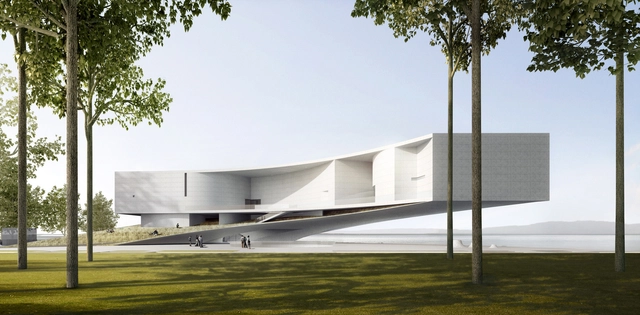
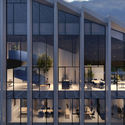
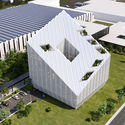
This week’s curated selection of Best Unbuilt Architecture highlights commercial projects submitted by established firms. From art museums to offices, this article explores cultural functions and commercial spaces, and presents projects submitted to us from all over the world.
Featuring a reception center that merges the cultures of China and Italy by aoe architects, and a post-pandemic office building by NBBJ, this roundup explores how established architecture firms have designed buildings that optimize the functions of projects and ensure the comfort of their users. This round up also includes a collection of proposals from KPF Architects, Nordic Office of Architecture, AFF Architekten, along with many other firms, each responding to different spatial needs, facilities, and environments.
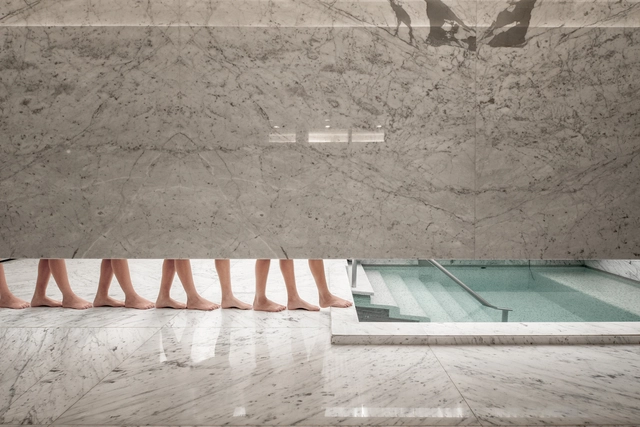
The study of rocks allows us to understand the formation of our earth. Its types, the formed designs, the layers, all reveal the story. Along with the atmosphere and the hydrosphere, the lithosphere is one of the great pieces of the earth system, supporting the biosphere. This outermost solid layer of the planet is made up of rocks and soils; as for rocks, there are several ways to classify them. The most common is to separate them according to their formation processes, such as igneous, sedimentary, or metamorphic. While sedimentary rocks constitute about 5% of the earth's crust, the remaining 95% are igneous or metamorphic rocks.
Because of their durability and strength, along with their varied designs and colors, stones have been used as building and cladding materials for hundreds of years. For floors, stone remains a noble and elegant option, which in addition to having high thermal inertia and structural stability, has a pleasant texture to the touch.
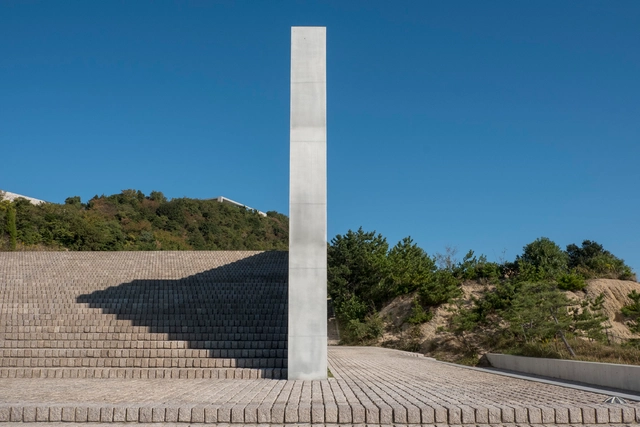
Few places in the world have so many cultural and artistic facilities as the islands of Naoshima, Teshima, and Inujima, in Japan's Seto Inland Sea. Eighteen museums, galleries, and installations make up the Benesse Art Site Naoshima, a project idealized by billionaire businessman Soichiro Fukutake in the 1980s.
At the time, Fukutake invited none other than architect Tadao Ando to design the Benesse House Museum on the island of Naoshima, which went beyond an economic reboot to create a simpler, slower way of life - evidently for those who can afford it - far removed from the Japanese megacities.
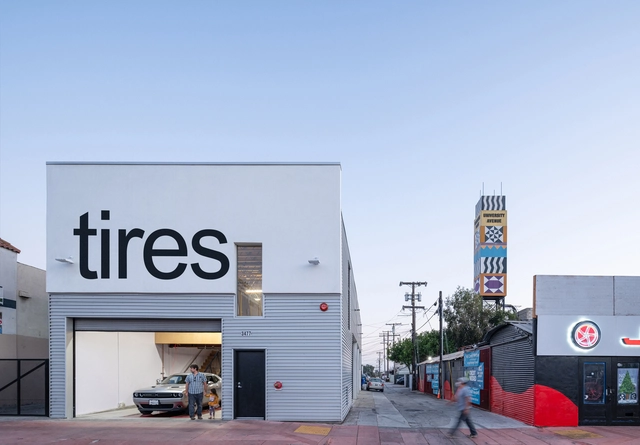
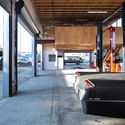
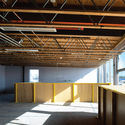
Prismática Architects has completed a remodel of an abandoned mechanic shop from 1921 in San Diego, California. Giving the old structure a new life, the firm created an unexpected and vibrant remodel. The designers recognized that the Edie's building may not be a mechanic shop forever, and the project was conceived keeping in mind that the use may change with time.
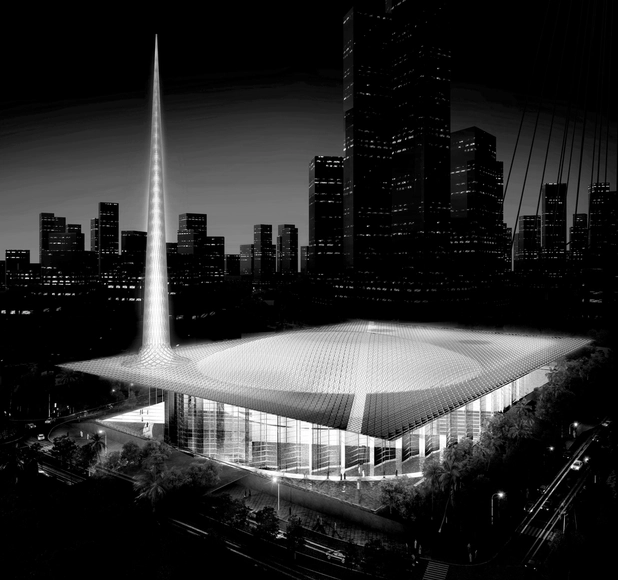
Vladimir Belogolovsky talks with Mexican-American architect Francisco Gonzalez-Pulido on his exhibition 30 Projects/30 Years/30 Stories now on view at the Museo Metropolitano in Monterrey, Mexico.30 Projects/30 Years/30 Stories, a large retrospective on the work of Mexican-American architect Francisco Gonzalez Pulido, was opened on June 18 at the Museo Metropolitano in Monterrey, Mexico. The exhibition will remain on view until September 21.
.jpg?1626079817&format=webp&width=640&height=580)
Choice of building materials and the inherent continuous reflection about the reach and capabilities of architecture are an interesting alternative way to approach this issue. The materials used in social housing should address local and economic possibilities and the real needs for access to housing in the contemporary context.
In this article, we analyze different projects published on our site to identify some of the predominant materials used in social housing, both for the formation of structures or enclosures. The intentions of this are two-fold: firstly, to create a worldwide panorama of different case studies with different construction styles from a range of geographical locations, and secondly, to provide inspiration and tools to architects to make better social housing.
Below we present 15 social housing projects and their diverse materials and construction styles.
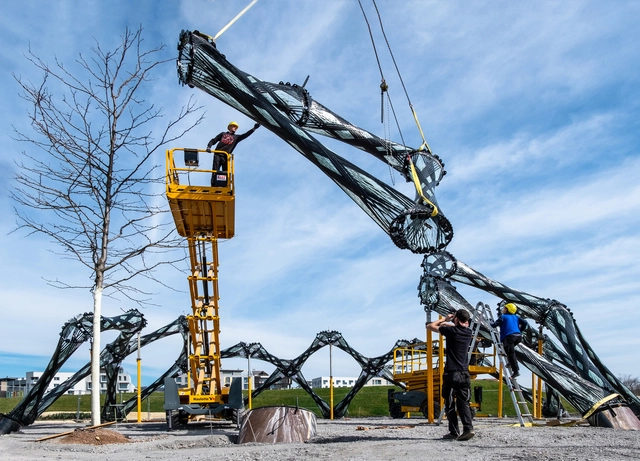
Efficiency in the construction site by reducing waste and lowering costs, improving safety through better planning, and introducing machines to assist in the construction and design process. These benefits can be achieved through automation in architecture, but for technology to reach this point of empowering and supporting creativity while also improving efficiency, we have come a long way. To understand how automation developed and the prospects it offers for architecture, here is a brief timeline.
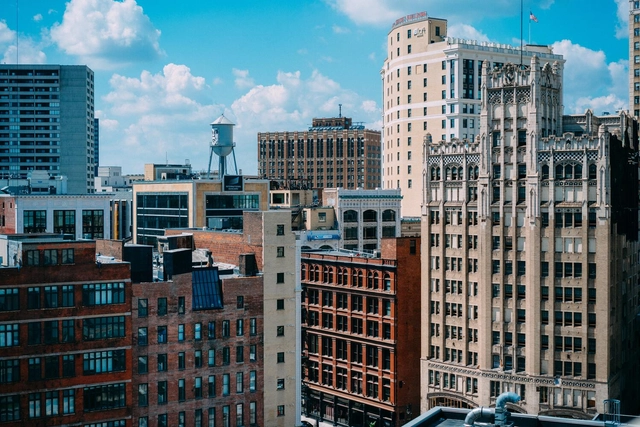
Urban planning is often based on the assumption of ongoing demographic and economic growth, but as some environments face urban shrinkage, a new array of strategies comes into play. The shrinking city phenomenon is a process of urban decline with complex causes ranging from deindustrialization, internal migration, population decline, or depletion of natural resources. Referencing the existing research on the topic, the following showcases approaches to this phenomenon in different urban environments, highlighting the need to develop new urban design frameworks to address the growing challenge.

.jpg?1626777875 "Drawing by Tings Chak for the How to Make Space exhibition (2016). Image © Tings Chak")







.jpg?1503108285 "© Alejandro Arango")




.jpg?1624875658 "Le Consortium – Land \"Grancey-le-Château, A World at the Edge\" . Image © Laurian Ghinitoiu")
.jpg?1624875488 "ICD Institute for Computational Design and Construction and ITKE Institute of Building Structures and Structural Design \"Material Culture: Rethinking The Physical Substrate For Living Together\". Image © Laurian Ghinitoiu")
.jpg?1624875439 "Philip Beesley and the Living Architecture Systems Group / University of Waterloo School of Architecture \"Grove\". Image © Laurian Ghinitoiu")
.jpg?1624875630 "TVK \"The Earth is an Architecture\". Image © Laurian Ghinitoiu")
.jpg?1624875360)


.jpg?1625088987)