

Produce personalized presentation boards that distill complex concepts into simple visual representations with a few helpful tools and effects.
Articles
How to Create Architectural Presentation Boards
| Sponsored Content
https://www.archdaily.comhttps://www.archdaily.com/catalog/us/products/37234/how-to-create-architectural-presentation-boards-lumion
Building Belarus: Office Culture, New Designs and Pop-Ups
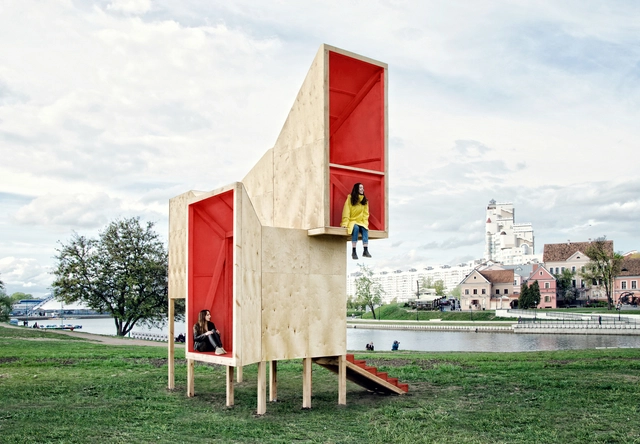
The new architecture of Belarus responds to an interplay of history and culture. Regional forces have defined the built environment and its evolution, and in turn, shaped the lives of the Belarusian people. Since the landlocked country attained its independence in 1991, it has had the most development in its cities, where two thirds of the population live. Over the last ten years, a range of new buildings have begun to paint a picture of its emerging design culture.



https://www.archdaily.com/936942/building-belarus-office-culture-new-designs-and-pop-upsEric Baldwin
Brazilian Houses: 12 Projects With Reclaimed Wood
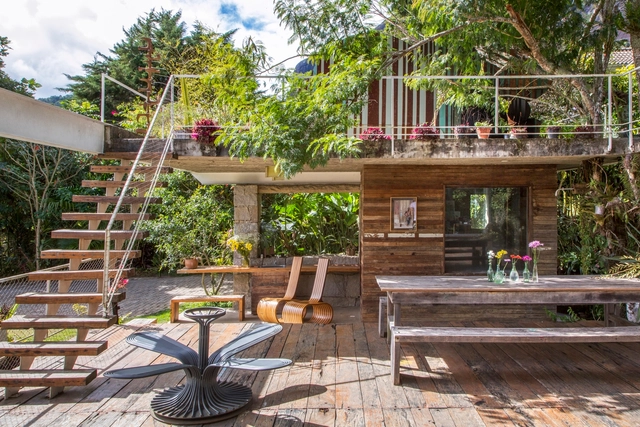
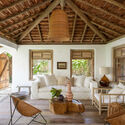
Reclaimed wood is wood that has been taken from its original application and repurposed. Old buildings such as houses, barns, and warehouses, often have to be torn down, resulting in demolition waste, which can be recycled and reused. Reclaimed wood can be used for many purposes, from cladding to building structures, and is very popular in contemporary architecture all over the world.
To get you inspired, here is a selection of 12 Brazilian houses that use this recycled material in flooring, walls, decks, bathrooms, outdoor areas, and stairs.



https://www.archdaily.com/966184/brazilian-houses-12-projects-with-reclaimed-woodEquipe ArchDaily Brasil
Local Expertise Versus Local Extraction: African Vernacular Architecture and a More Holistic Sustainability
.jpg?1628253352&format=webp&width=640&height=580)
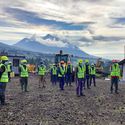
Every year, in the hot, dry town of Djenné in Central Mali, something special takes place – La Fête de Crépissage. Roughly translated to the “Day of Plastering”, this day sees the entire community of Djenné collaborate to reinforce the mud walls of the Great Mosque of Djenné – a UNESCO World Heritage Site and one of the African continent’s most distinctive architectural landmarks.



.jpg?1628253352)
https://www.archdaily.com/966096/local-expertise-versus-local-extraction-african-vernacular-architecture-and-a-more-holistic-sustainabilityMatthew Maganga
Could Volcanic Rock Be the Latest Material to Help Us Combat Climate Change?
.jpg?1623868861&format=webp&width=640&height=580)
Climatic conditions throughout the world are changing and with extreme temperatures and scarce resources becoming the norm, architectural materials and techniques are having to innovate to prepare for the future.
'Carbon to Rock' is an installation by IGNEOUS TECTONICS (Cristina Parreño and Sergio Araya) being presented in the 2021 Venice Biennale that highlights volcanic rock as a promising material in the global push to mitigate climate change.
https://www.archdaily.com/965734/could-volcanic-rock-be-the-latest-material-to-help-us-combat-climate-changeFabian Dejtiar
New Research: The Built Environment Impacts Our Health and Happiness More Than We Know
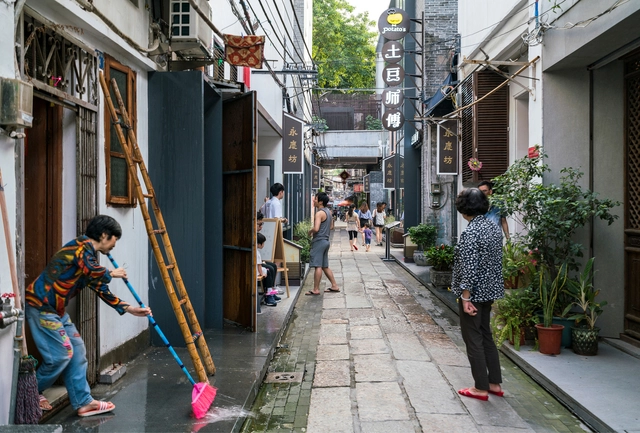
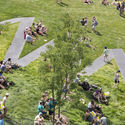
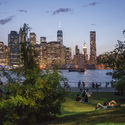
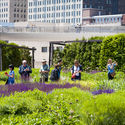
People living in dense cities are among the least happy. Their rates of depression are 40 percent higher than other populations, and their rates of anxiety are 20 percent higher. Why? Because the built environment is directly linked with happiness and well-being, and too often urban environments fail to put people at ease.



https://www.archdaily.com/964940/new-research-the-built-environment-impacts-our-health-and-happiness-more-than-we-knowJared Green
How to Avoid the Most Common Mistakes When Building With Bamboo
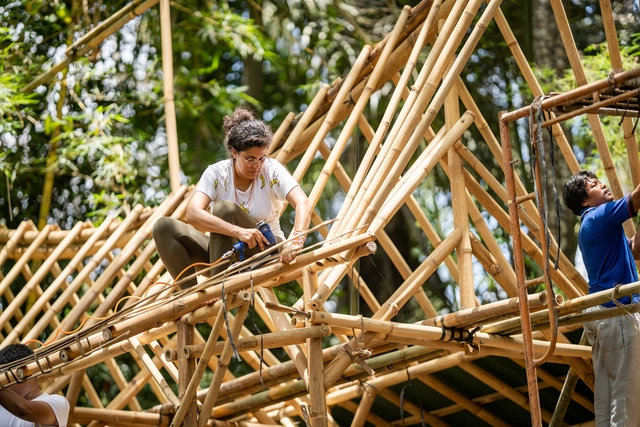
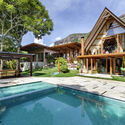
While bamboo holds incredible potential as a building material, efforts to build durable bamboo structures often fall short with errors made in both the design and building process. Bamboo structures are often criticized for their lack of durability, and before treatment technology was discovered, this was one of the pitfalls to building with bamboo, nowadays however, architecture firms like IBUKU have proven that if designed well, treated right, and maintained a bamboo structure can last a lifetime.
Besides poor treatment, there are other errors made when building with bamboo and these are often overlooked, but they hold equal weight in ensuring the longevity of a bamboo structure. There are plenty of great guides that explain how to build with bamboo, however information falls short when addressing what not to do. In this article, we will share how to avoid the most common mistakes when building with bamboo.
https://www.archdaily.com/966286/how-to-avoid-the-most-common-mistakes-when-building-with-bambooBambooU
How to Design and Install Seamless Translucent Polycarbonate Facades
| Sponsored Content
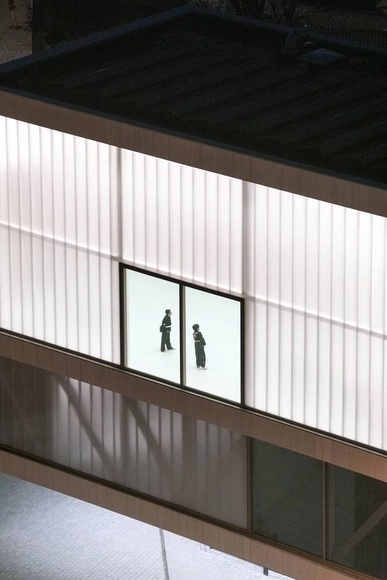
Translucent polycarbonate panels boast unique and striking aesthetics while simultaneously maintaining efficient functionality. They can add depth and color to a façade and may adapt to meet a wide range of performance requirements, from temperature resistance to impact resistance to UV protection and more. Rodeca, a leading company in the polycarbonate panel industry, offers high-quality products with high customizability vis-à-vis colors, transparency levels, treatments, profiles, sizes, joint systems, and more. Below is a detailed list of these many options, accompanied by diagrams and installation steps. We also discuss several case studies where polycarbonate facades have been used to great success, taking full advantage of the options available alongside the intrinsic aesthetic qualities of the translucent panels to complement and elevate their designs.
https://www.archdaily.com/964597/how-to-design-and-install-seamless-translucent-polycarbonate-facadesLilly Cao
5 Design Strategies to Improve Mental Health in Shared Workspaces
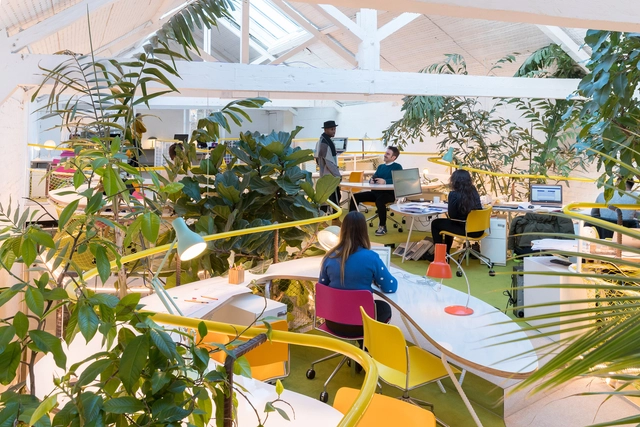
Burnout syndrome is an occupational phenomenon resulting from chronic workplace stress and emotional tension and has been affecting more and more professionals every day. It is directly associated with each person's daily work life, not only with the operational aspects of the job but also the physical environment.
We spend on average 1/3 of our day in workspaces, so it's no wonder they considerably affect our mental health. Following a period of intense home office activity during the year 2020, now people are returning to collaborative workplaces. These spaces offer a great alternative to escape the domestic environment and create separate places for each function of our lives, a much-needed change after a year of isolation.


https://www.archdaily.com/966053/5-design-strategies-to-improve-mental-health-in-shared-workspacesCamilla Ghisleni
Open Air: New Ways We Can Live Together in Nature
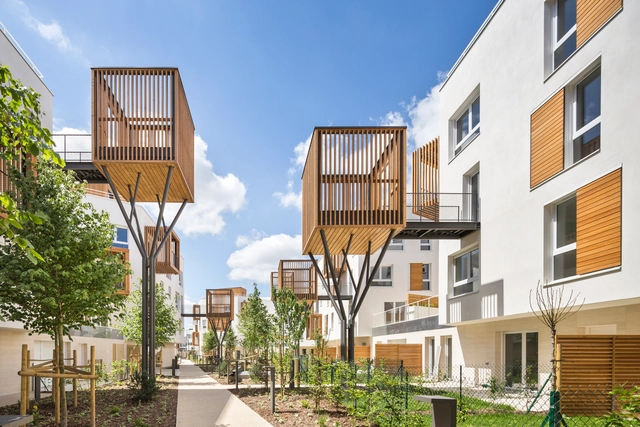
“We need a new spatial contract." This is the call of Hashim Sarkis, curator of the Venice Biennale 2021, as an invitation for architects to imagine new spaces in which we can live together. Between a move towards urban flight and global housing crises, the growth of more low-rise, dense developments may provide an answer in the countryside. Turning away from single family homes in rural areas and suburbs, modern housing projects are exploring new models of shared living in nature.


https://www.archdaily.com/945196/open-air-new-ways-we-can-live-together-in-natureEric Baldwin
Aerial Photography of Houses in Ecuador: Visualizing a Building From Above
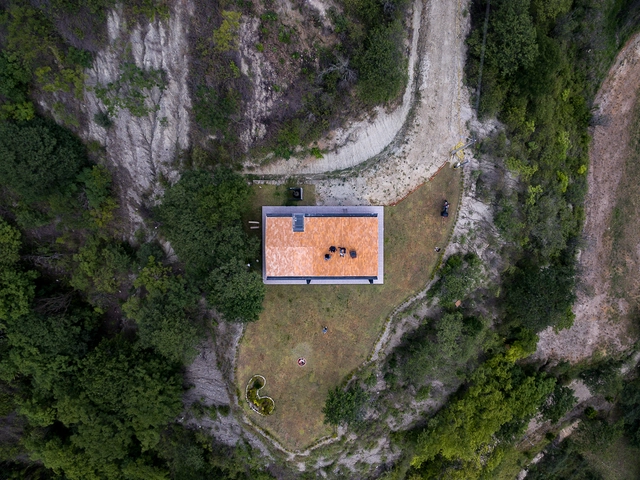
Capturing aerial photographs allows raising awareness of a project feature usually complex to capture using traditional methods. Based on the technological opportunities offered by small unmanned aerial vehicles (UAVs), commonly called drones, architecture photographers have begun to explore new ways of capturing a project in order to expose design decisions such as implantation, dialogue with the environment, or the relationship with nearby buildings.
https://www.archdaily.com/965631/aerial-photography-of-houses-in-ecuador-visualizing-a-building-from-aboveBelén Maiztegui
Re-evaluating Critical Regionalism: An Architecture of the Place
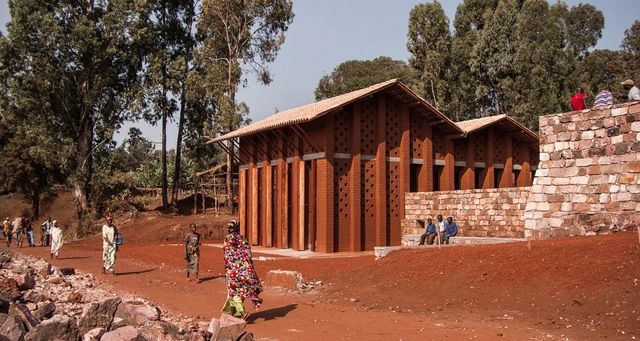
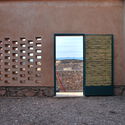
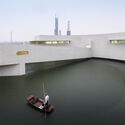
In his 1983 now-classic essay Towards a Critical Regionalism, Six Points of an Architecture of Resistance, Kenneth Frampton discussed an alternative approach to architecture, one defined by climate, topography and tectonics, as a form of resistance to the placeness of Modern Architecture and the gratuitous ornamentation of Postmodernism. An architectural attitude, Critical Regionalism proposed an architecture that would embrace global influences while firmly rooted in its context. The following explores the value and contribution of Frampton’s ideas for contemporary architecture.



https://www.archdaily.com/966401/re-evaluating-critical-regionalism-an-architecture-of-the-placeAndreea Cutieru
Diller Scofidio + Renfro’s Columbia Business School Carves Out a Niche with Crystalline Curves
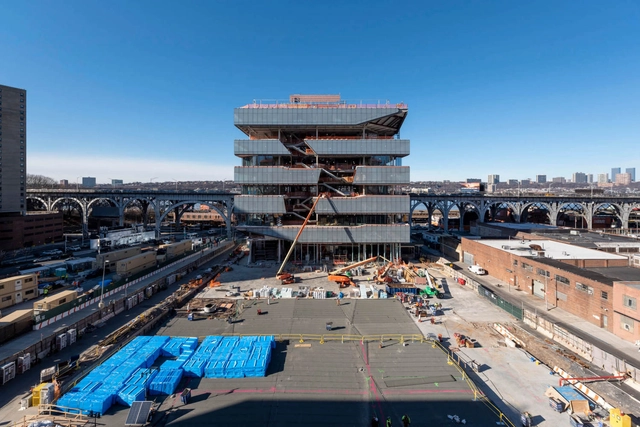
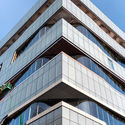
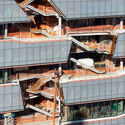
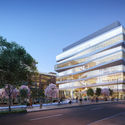
Columbia University’s Manhattanville Campus expansion has ushered in a crystalline district of glass-clad buildings amid the masonry vernacular architecture of Harlem. The latest additions to the 17-acre, $6.3 billion campus, which was master-planned by SOM, are two buildings designed by Diller Scofidio + Renfro (DS+R) in collaboration with FXCollaborative that provide a new home for the Columbia Business School. Set to open in early 2022, Henry R. Kravis Hall and the East Building rise 11 and 8 stories, respectively, and provide 492,000 square feet of classrooms, public space, and faculty offices.



https://www.archdaily.com/966425/diller-scofidio-plus-renfros-columbia-business-school-carves-out-a-niche-with-crystalline-curvesKatie Angen
Community Kitchens: The Challenge of Generating Roots in Displaced Communities
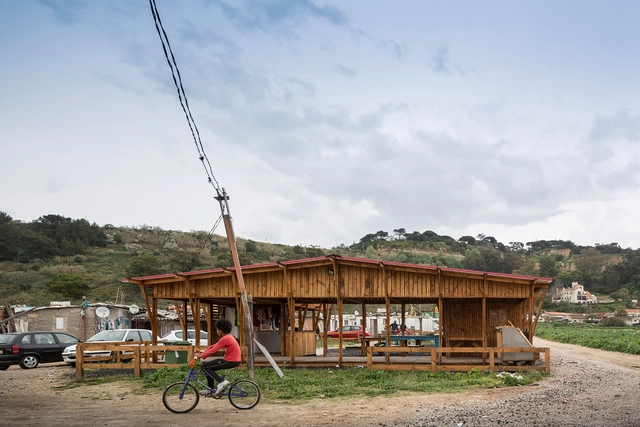
Displacement implies uncertainty, uprooting, and instability, in addition to the loss of community, privacy, and physical and emotional orientation. Addressing these needs through appropriate architectural responses can help displaced communities regain social, economic, and environmental well-being. In this context, community kitchens are designed to help generate a sense of belonging and "normality" in domestic lives.
https://www.archdaily.com/966201/community-kitchens-the-challenge-of-generating-roots-in-displaced-communitiesClara Ott
San Francisco: Modern Housing in The Golden City
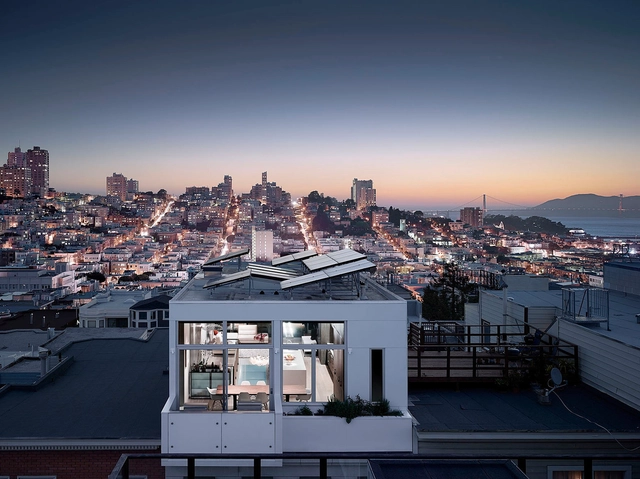
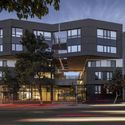
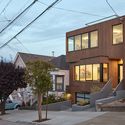
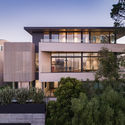
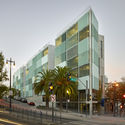
San Francisco is a city defined by its relationship to housing. Since the 90s it has faced an affordable housing shortage, and now, has some of the highest rents of any major US city. As planners and policy makers work to move beyond the city's past and find new paths forward, architects and designers are testing out diverse housing models. From dense residential towers to multi-unit developments, modern housing aims to strike a balance between economy and urbanity.

https://www.archdaily.com/942433/san-francisco-modern-housing-in-the-golden-cityEric Baldwin
How Buildings Get Their Names
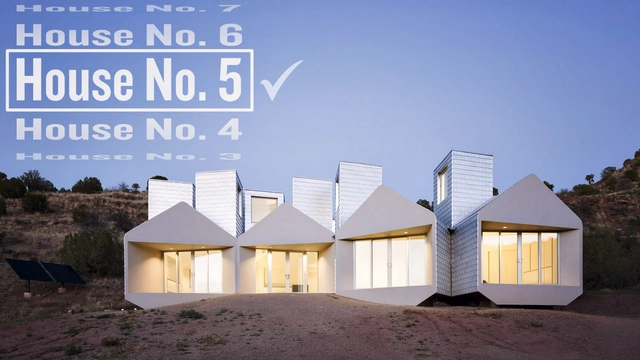
What’s in a name? Well, when it comes to building names, it can be a lot. While some monikers are fleeting and change with the most recent highest bidder, some names are indelible and leave a lasting mark on the public imagination. Client names, towns, corporations, and streets provide ample naming fodder, but some architects are more strategic. Architects like Peter Eisenman created a numbered series (House I, House II, etc.) , or MOS architects adopt a composer-like generic naming system (House with 10 trees, House with 2 Chimneys). For these architects, the name situates each building within a larger collection of projects. It ensures people will consider each act of building as part of a grand plan. Finally, sometimes, no matter how diligent a marketing team tries, a building will find a nickname it just can’t shake...Gherkin. This video considers all these as it explores how buildings get their names.
https://www.archdaily.com/966361/how-buildings-get-their-namesStewart Hicks
Green Inequity: Increasing Access to Public Parks for Underserved Communities
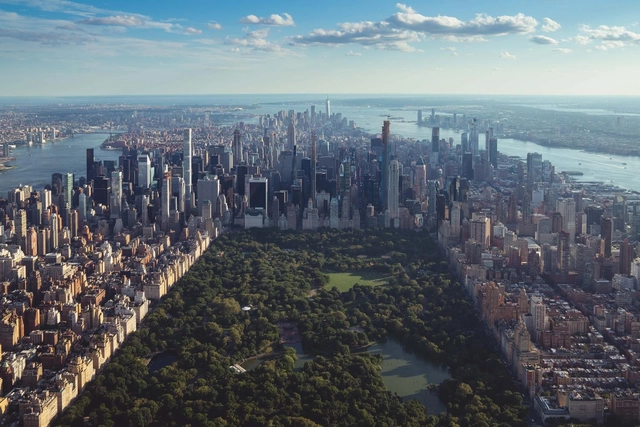
Around the world, the COVID-19 pandemic exposed the fact that some of the poorest people were hit the hardest by not only the impacts the virus had on public health but also the social and economic shockwaves that came as a result. And now, as we emerge on the other side yet also enter the second wave of restrictions around the globe, urban planners and government officials are beginning to realize that the pandemic has pulled back the curtains on another inequitable feature of cities- the proximity to public parks and spaces.
https://www.archdaily.com/966338/green-inequity-increasing-access-to-public-parks-for-underserved-communitiesKaley Overstreet
The Role of Open BIM Technology in one of Queensland's Largest Developments
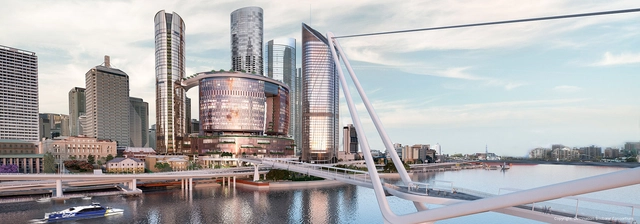
With new advancements in software opportunities, Open BIM is tiding over the disconnects between different project sectors, making the workflow more efficient at both large and small scales. Open BIM extends the benefits of BIM (Building Information Modeling) by improving the accessibility, usability, management, and sustainability of digital data in the built asset industry. Open BIM processes can be defined as sharable project information that supports seamless collaboration for all project participants, removing the traditional problem of BIM data that is typically constrained by proprietary vendor data formats, by discipline, or by the phase of a project.
https://www.archdaily.com/959906/the-role-of-open-bim-technology-in-one-of-queenslands-largest-developmentsOlivia Bartolini
Cafes and Bars in China: Examining the Spatial Routine of Drinking
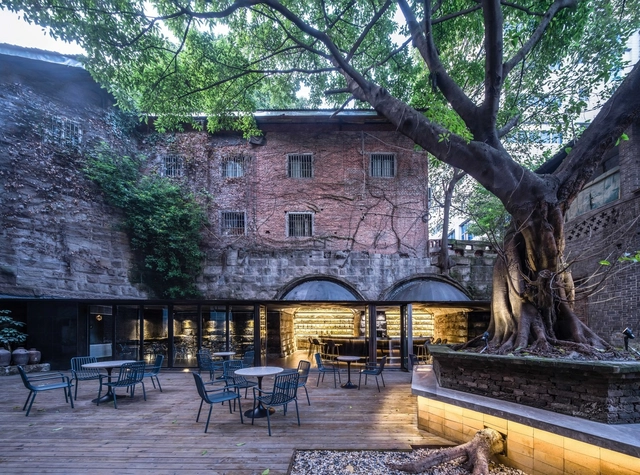
Both tea and alcohol in traditional China were similarly aestheticized, and both influenced the language of literature and art. People used to exchange alcohol as a gift in a way that they later would with tea. Today, more and more cities in China have embraced this drinking culture that passed down from generation to generation, and reinterpreted with a new contemporary fashion, which is constantly evolving in the urban cafes and bars.
https://www.archdaily.com/966079/cafes-and-bars-in-china-examining-the-spatial-routine-of-drinkingScarlett Miao
African Urbanism: Preserving Cultural Heritage in the Age of Megacities
This article was originally published on Common Edge.
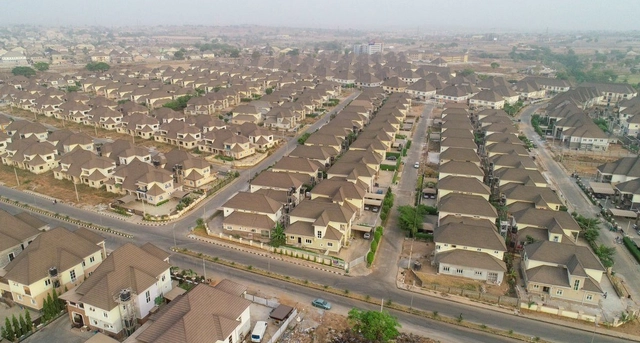
In spite of the lull in the global construction industry over the last couple of years, megacity projects in Africa have continued unabated, as new developments are springing up in major cities all over the continent. Though we’re inspired by the growth of modern African cities and the opportunities offered to city residents, we shouldn’t ignore their shortcomings, the glaring disconnect between the utopian visions of local city officials and the economic and cultural realities of the local populations who live here. Many questions whether these new cities could be built in other ways, or if Africans will ever have an alternative to the current model of placemaking, hodgepodge urbanism foisted on it, largely by colonialists.

https://www.archdaily.com/966346/african-urbanism-preserving-cultural-heritage-in-the-age-of-megacitiesChristele Harrouk
Beirut, One Year Later: People-Driven Reconstruction Efforts Midst Devastated Nation

Exactly a year ago, on August 4, 2020, the third-largest non-nuclear explosion ever-recorded destroyed almost half the city of Beirut, ripping through the port and the eastern part of the capital. One of the biggest urban tragedies of modern times, killed more than 200 people, wounded thousands, and left an estimated 300,000 people homeless, damaging over 80,000 commercial, residential and public spaces. Felt across neighboring countries, the blast stripped the city’s constructions of their cladding, framing, and glass elements, while completely tearing down other buildings, leaving around US$15 billion in property damage, in times of Covid, political and social unrest, and economic collapse.
One year later, so little has changed. One year later, it only became harder for the people of Beirut. One year later, everything in the city still reminds them of that day. Major questions remained unanswered, no rescue or action plans have been taken by governmental institutions, instead, civil society rose to take into their own hands, reconstruction efforts, in the total absence of the state.




https://www.archdaily.com/966166/beirut-one-year-later-people-driven-reconstruction-efforts-midst-devastated-nationChristele Harrouk
Erasing Walls: Ceramic Tile Murals in Brazilian Modernism
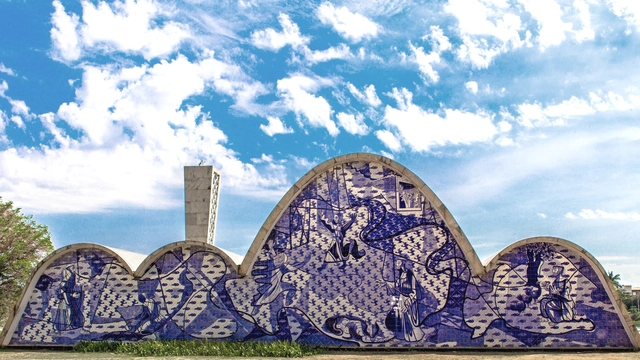
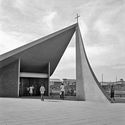
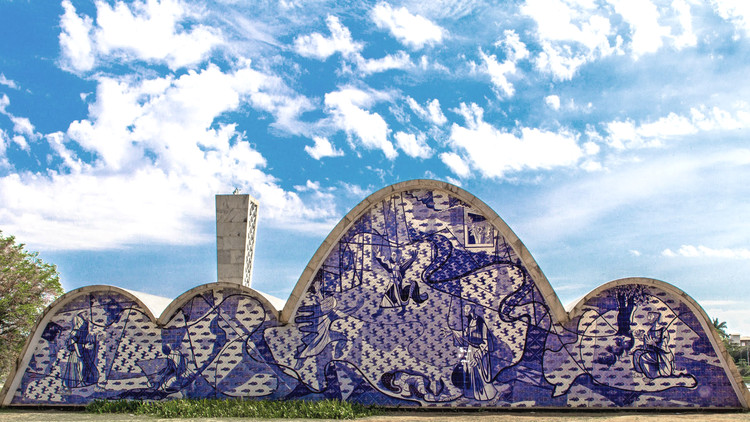
"I felt like I was Nino Rota and Oscar Niemeyer was Fellini, it was like I was creating an important piece of music in that work of art." Renowned visual artist Athos Bulcão uses this comparison between the Italian composer and the film director to refer to the relationship between his work with ceramic tiles and architecture. This fusion between art and architecture marked an important period in the history of Brazil, shedding light on issues such as national identity, the massification of art, and architectural techniques aimed at the tropical climate.


https://www.archdaily.com/966040/erasing-walls-ceramic-tile-murals-in-brazilian-modernismCamilla Ghisleni
How to Properly Design Circular Plans
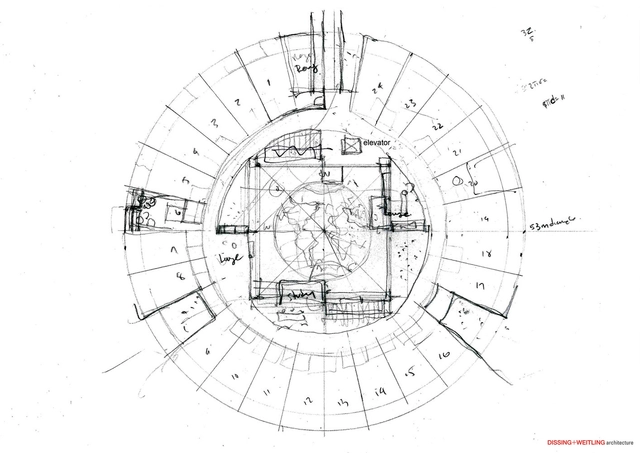
Often, when people think of buildings, they default to imagining rectangular structures—or at the very least, structures with orthogonal floor plans and hard angles, certainly not buildings with circular plans. The rarity of the circular plan comes in part from the fact that poor design choices can lead to wasted space and awkward interior arrangements, especially if furniture and appliances are rectangular in shape. However, strongly designed circular planes can have a dramatic effect, generating extraordinary spatial configurations that meet a variety of aesthetic and functional needs, while challenging the material specification process. Below, we list 18 buildings with circular plans, considering their varying strategies of design.
https://www.archdaily.com/966202/how-to-properly-design-circular-plansLilly Cao
Translucent Sandwich Panels: Producing Healthy Buildings with an Abundance of Natural Light
| Sponsored Content
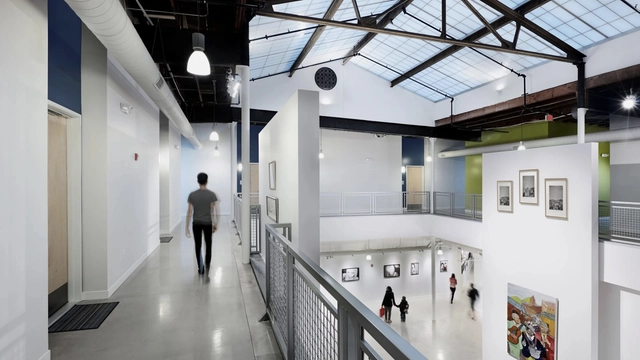
People have fundamental needs that must be met in order to survive, which include: oxygen, water, food, sleep, and shelter. They also have secondary requirements, one of which is daylight. When thinking about how buildings can keep people healthy, it is important to remember that daylighting is essential to wellness, in fact, human circadian rhythms are dependent on it.
https://www.archdaily.com/958921/translucent-sandwich-panels-producing-healthy-buildings-with-an-abundance-of-natural-lightOlivia Bartolini
A Three-Dimensional 'Learning Landscape' and a Soviet-Inspired Architecture School: 10 Unbuilt Educational Facilities Submitted to ArchDaily
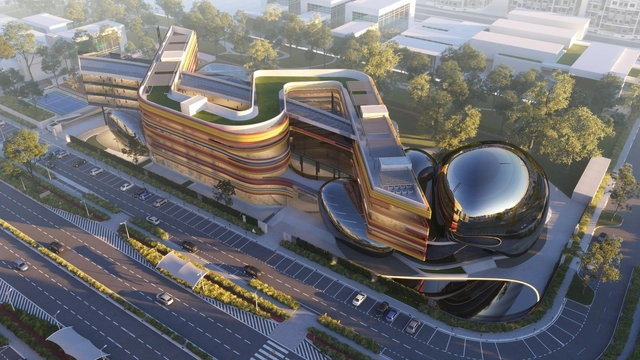
This week’s curated selection of Best Unbuilt Architecture highlights educational architecture submitted by the ArchDaily community. From preschools to higher education institutes, this article explores how architects shifted towards fostering individual creativity, critical thinking, and exploration, and presents projects submitted to us from all over the world.
Featuring a secluded kindergarten in the Icelandic mountains, a vibrantly-colored playschool in the industrial city of Shenzhen, and a Florentine high school with a flow of natural sunlight, this round-up explores how architects prioritize student well being and comfort in spaces that promote productivity, learning, and creativity. The selection also includes preschools, high schools, and academies in France, United States, Egypt, Kazakhstan, and Israel.



https://www.archdaily.com/966153/a-three-dimensional-learning-landscape-and-a-soviet-inspired-architecture-school-10-unbuilt-educational-facilities-submitted-to-archdailyDima Stouhi