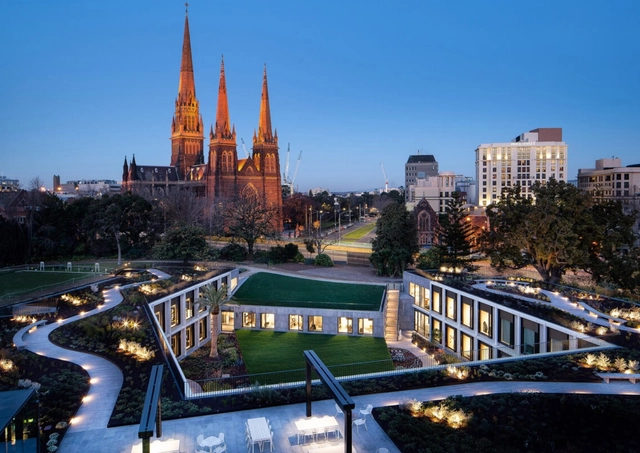
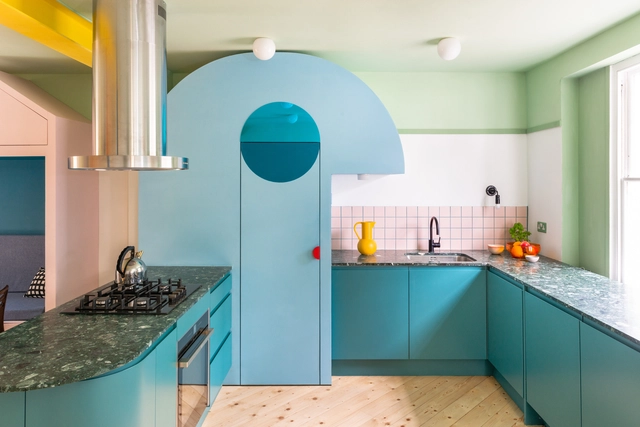
As transitory as trends may be, they always have a way of coming back. We see it all the time in fashion, with clothing pieces we thought were long gone coming back in style and reconquering the market. Interior design is no exception. Although this century has set the ideal on subtle sophistication and simplicity – with white surfaces, clean lines and slick gloss finishes –, bold retro enhancements are reviving in residential and commercial interiors. Whether in the form of vibrant colored walls, floors with intricate geometric patterns or vintage-looking furniture pieces, there seems to be a renewed appreciation for design elements inspired by trends from the second half of the 1900s, particularly from the 50s to the 80s.
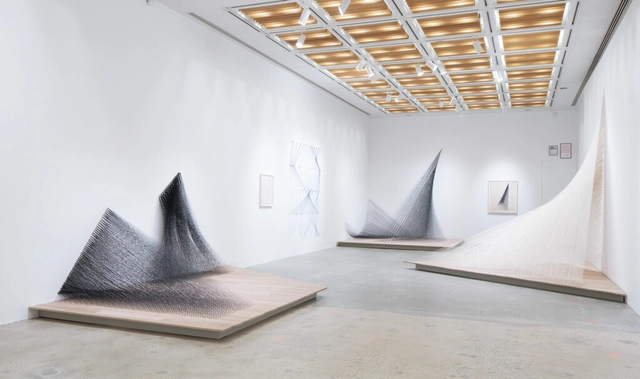
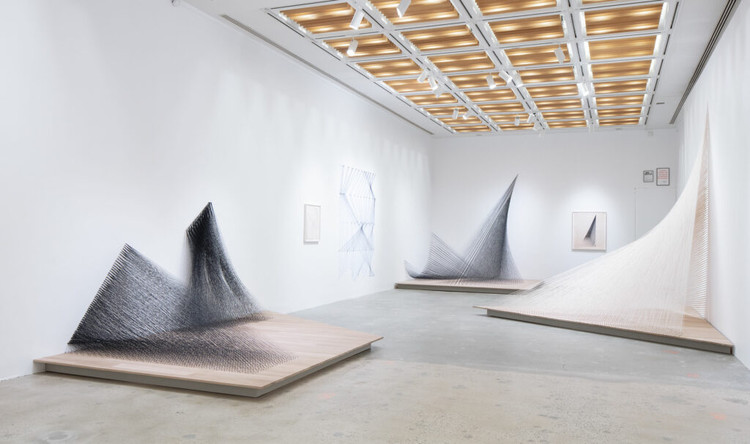
Recreating the artist studio in an exhibition has always been a challenge for curators and exhibition designers––bringing in the right amount of “mess,” intricately revealing the workings of artistry, and maintaining the visual coherence are all boxes to be checked while letting the audience behind the curtain. Kazuko Miyamoto: To perform a line, Japan Society’s survey of the artist’s five-decade career in sculpture, drawing, and performance solves this challenge in ways that are both practical and poetic.
https://www.archdaily.com/982219/manhattans-japan-society-explores-artist-kazuko-miyamotos-relationship-with-her-studio-architectureOsman Can Yerebakan
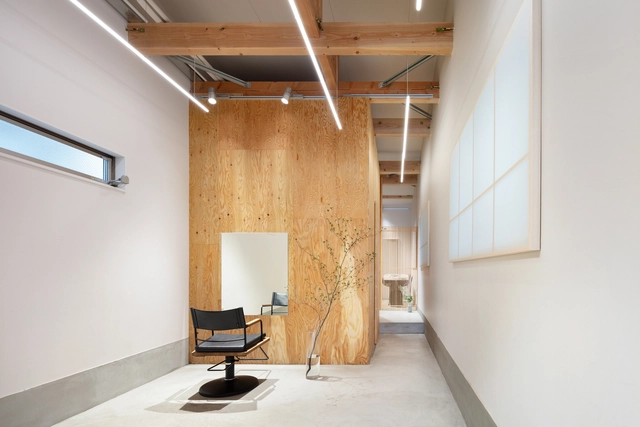
More than ever; today a trip to a hair or beauty salon has become a much-needed escape time. It promises an ultimately uplifting and relaxing experience with an aesthetically pleasing result. However, this affair, like many others, depends on a catered physical setting; a space that’s efficient design can make or break one’s leisurely time. Many spatial considerations have to be taken while setting up a successful and functional beauty shop, and there are no better examples to consider than the quaint Japanese beauty salons.
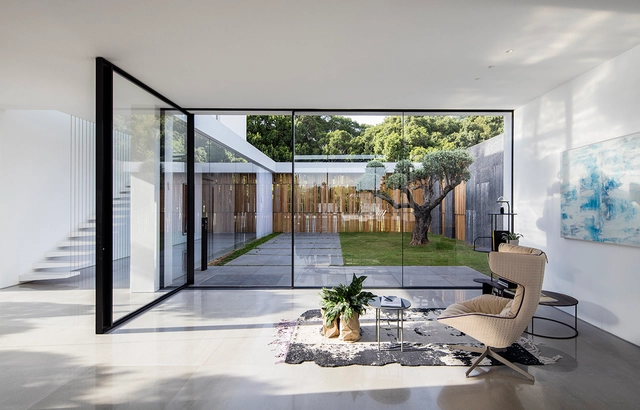
Like a beautiful painting, windows showcase interiors and frame landscapes that connect users to the outside world, directing our eyes to what really matters. But besides framing views and facilitating visual communication, windows serve multiple essential functions that make them vital components in any project. They illuminate homes with sunrays, provide natural ventilation, filter light, insulate from cold and heat, block water and ensure protection. As most design professionals would agree, glazing also plays a crucial aesthetic role; its materials, style and dimensions certainly make a significant difference in the appearance of facades and spaces.
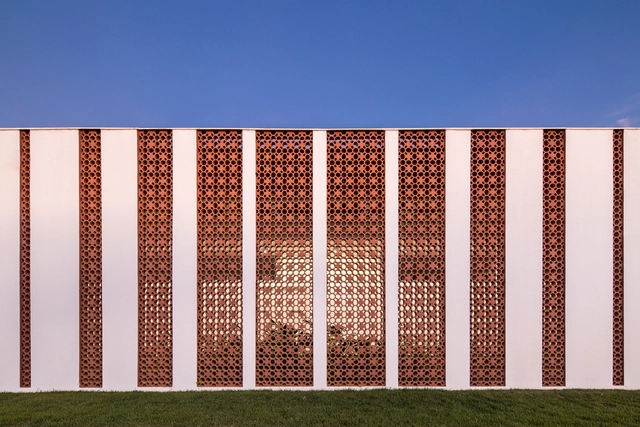
The hammock swaying on the balcony, the sunlight passing through the pierced elements in a dance of light and shadow, the vibrant color marking the spaces and bringing life, these are some of the characteristics present in the daily life of the works of the quartet that form Lins Arquitetos Associados.
Humans try very hard to make the inexplicable understood. Our spirituality becomes religion. Fairness becomes law. And what delights us becomes aesthetics, and aesthetics are dumbed down to “style” in fine arts and architecture. The description, then definition, of aesthetics enables us to judge, and hopefully, control what thrills us: "Styles may change, details may come and go, but the broad demands of aesthetic judgement are permanent". -- Roger Scruton
But the instant delight we sometimes feel when we hear, taste, think or see parts of our experience is unreasoned in its apprehension. We try to create value in our outcomes by defining them beyond experience – that is aesthetics.
Wooden floors bring warmth, personality and style to any interior space, whether old or new. Rustic and elegant, wood also has excellent thermal properties, a pleasant temperature to the touch, and can even improve the acoustics of a space by absorbing sound waves. They are also highly durable and resistant to daily use. It is therefore no surprise that they are one of the favorite and most coveted materials for residential interiors. Wooden flooring is also very visually appealing, with a huge amount of variations possible in its design. Pieces can vary greatly depending on which part of the trunk they come from, even if they are from the same manufacturer and tree species. Colors and designs also vary according to different tree species, from light yellows to dark browns, with infinite possibilities. In addition, it is possible to create various types of patterns when laying the floor, according to the dimensions of the pieces used and the desired effect for the space. See below a selection of wooden floors in Architonic catalog.
Videos
AXOR Starck. Image Cortesia de AXOR / Hansgrohe SE
The practice of frequenting public baths was common in civilizations such as the Greeks, Persians and Byzantines, but it was the Romans who popularized their use as places of socialization and purification. These bathrooms were communal and people sat side by side in a collective latrine. The modern bathroom, more similar to what we know today, began with Sir John Harington and his invention of the first flush toilet in 1596. Another crucial advance occurred with Alexander Cummings in 1775, which included a siphon within the toilet to retain gases and odors. But it was only when houses were equipped with running water and effective drainage in the second half of the nineteenth century that the modern private bathroom emerged: a bathroom, a sink and a bath place, which can be a shower or a bathtub. The basics have remained almost unchanged since then, with a few cultural variations in different parts of the world.
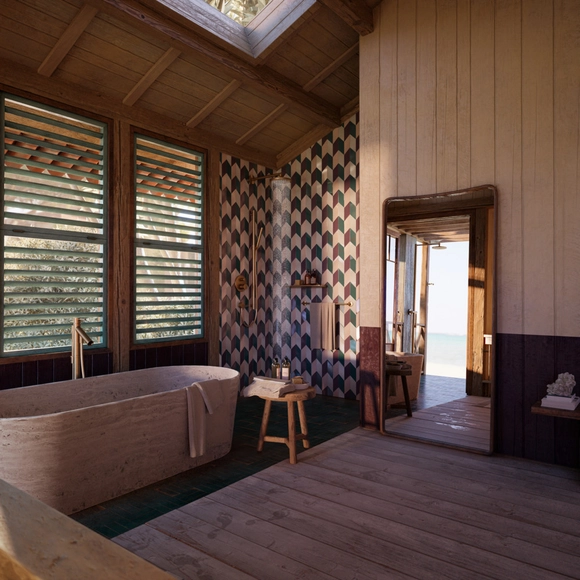
These days, the bathroom is a space that goes far beyond its function. With numerous options on the market, it can be designed with the most diverse aesthetics in mind, become a space for relaxation or a design statement in an interior design project.
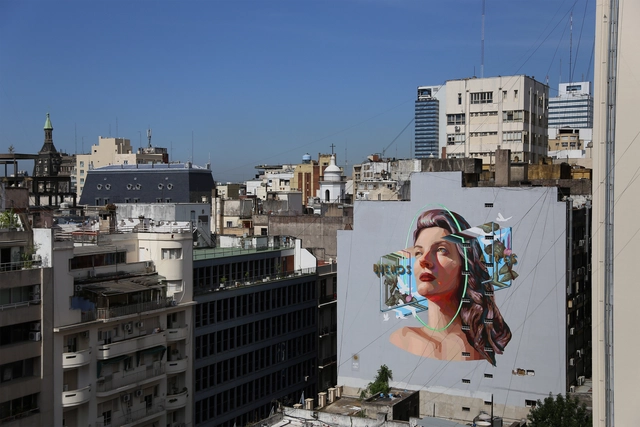
Addressing themes involving memory, oblivion and gender, the Argentinean visual artist and muralist, Mariela Ajras, displays her art on the walls of numerous cities around the world such as Barcelona, Valencia, Salamanca, Mexico City, Bogota, Montevideo, Buenos Aires, among many others. With a background in psychology, she has participated in different urban art festivals, exhibitions, fairs and public art projects, one of the largest murals in the city of Buenos Aires being the one she developed for the project "Corredor de la Memoria", commemorating the 25th anniversary of the AMIA bombing.
Cortesía de Colegio Oficial de Arquitectos de Madrid [COAM]
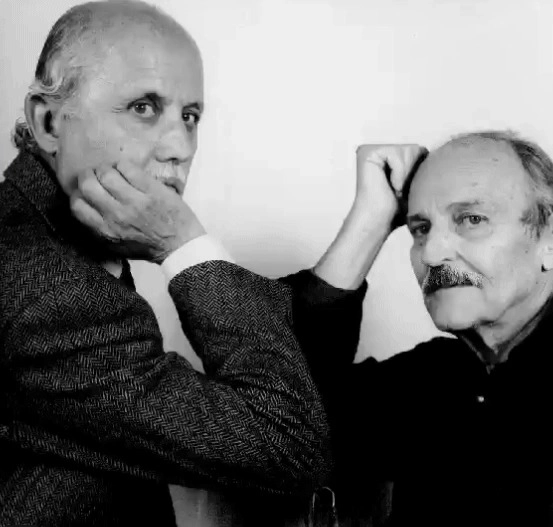
With José Antonio Corrales and Ramón Vázquez Molezún, a situation quite common in Spanish architecture post-1950 is repeated: the lack of international projection of talented architects, largely due to the absence of theory. Apart from that, an intrinsically mysterious and enigmatic character pervades their work, deeply reinforced by the attitude of these architects towards it. They never stopped to explain it. They were never interested in providing it with a theoretical foundation. All this makes it extraordinarily difficult to understand their architecture, leaving many questions unanswered, open only to the interpretation of those who pause to reflect on them.
Corrales and Molezún have collaborated together on numerous projects sine 1952. They were very different people. José Antonio used to define himself as a "more rigorous person", while Ramón was closer to the "gaie", with a lighter, almost romantic touch. Their duo could be incarnated, respectively, as the two lobes of the brain: the left hemisphere, visual, verbal, linear, controlled, dominant, quantitative, etc. in Corrales; while the right, spatial, acoustic, holistic, contemplative, emotional, intuitive ... perhaps more accurately represents Molezún. One more couple to the long history of creation: Don Quixote and Sancho Panza, Sherlock Holmes and Dr. Watson, ...
Neighborhood Next / 15 Minute City by Gehl Architects. Image Courtesy of 3XN
The planning and design of mixed-use neighborhoods and individual mixed-use developments are on the rise. Many of the places we frequent most feature a variety of programs, bringing many of life's daily conveniences to one place. But mixed-use spaces do more than just create a diverse array of experiences in cities- they might also help contribute to lower crime rates.
Museums play a key role in the preservation and dissemination of culture and knowledge. They can exhibit works of art, documents, photographs, historical artifacts or even plants and trees. Although today there are entirely virtual exhibition spaces, the primary functions of traditional museums are the conservation and protection of objects, which are invaluable due to their historical relevance, rarity or market value. From simple “Do not touch” signs to tape, security guards, or glass displays, each object receives a type of protection that is in accordance to its needs. These types of protection, in turn, must consider both the safety of the object, whilst also allowing for its appreciation and conservation, creating a controlled environment for the exposed object that preserves it indefinitely.
Just like hospitals and medical offices, dental clinics are places that tend to bring anxiety and anguish to patients, reactions that can be intensified in an unfriendly and unwelcoming environment. White and neutral environments can bring the notion of asepsis and hygiene, essential requirements for hospital architecture. However, the lack of welcoming elements, such as the use of warmer colors and materials, may also be responsible for causing a certain distance between professionals and patients, in addition to reinforcing the stereotypes attributed to dental clinics.
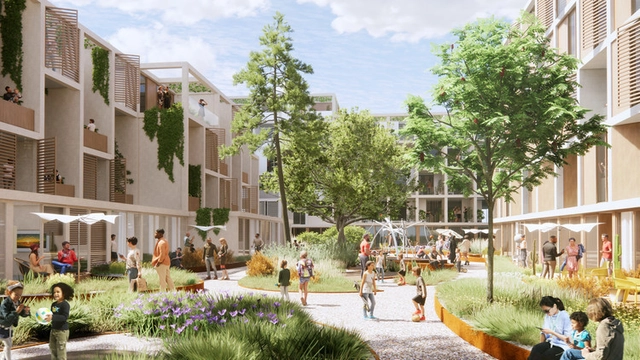
Housing will always be a theme and challenge for architects. Thinking about it in a way that serves the entire population, including the most precarious contexts, is one of the most complex, and perhaps impossible, tasks to be fully consolidated. Each place and family will always place different priority points on a project, which is why resorting to a standard solution is not ideal. However, several proposals present intervention possibilities that create an intricate seam between the most different factors: basic infrastructure, program, self desires, aesthetics, budget. For this reason, we have gathered here some Brazilian examples of affordable housing, ranging from a single-family house to large residential blocks.
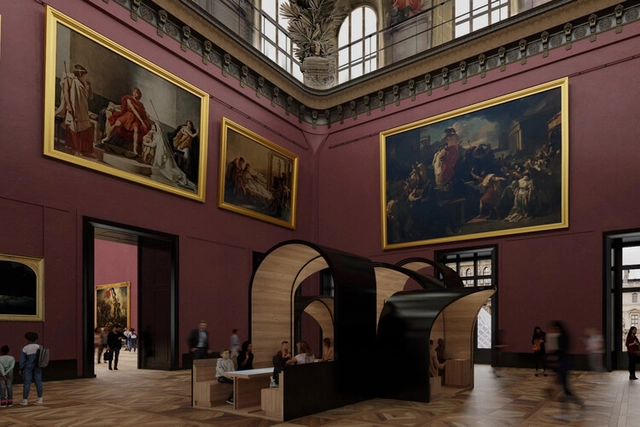
Louvre Museum Pavilions / France . Image Courtesy of Studio Malka Architecture
Housing objects of artistic, cultural, historical and scientific importance, the term ‘museum’ is derived from the Latin language. In regards to classical antiquity, in Ancient Greek ‘mouseion’, meaning ‘set of muses’ was a philosophical institution, a place for contemplation and thought. These muses refer to the 9 muses in Greek mythology, the goddesses of the arts and sciences, and patrons of knowledge. Early museums’ origins stem from private collections of wealthy families, individuals or institutions, displayed in ‘cabinets of curiosities’ and often temples and places of worship. Yet these ‘collections’ are predecessors of the modern museum, they did not seek to rationally categorize and exhibit their collections like the exhibitions we see today.
In definition, the modern museum is either a building or institution that cares for or displays a collection of numerous artifacts of cultural, historical, scientific or artistic importance. Through both permanent and temporary exhibits, most public museums make these artifacts available for viewing and often seek to conserve and document their collection, to serve both research and the general public. In essence, museums house collections of significance, whether these be on a small or large scale.
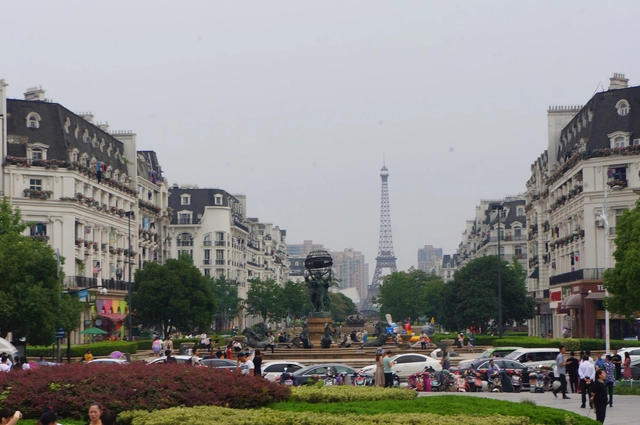
Chinese Champs-Élysées, named Xiangxie Road. Image by MNXANL, via Wikipedia. Licença CC BY-SA 4.0
CopyCat is the act of emulating something that's already been created and using it in a different context. Copycats can exist in music, arts and design; but they are not exactly a design inspiration or a style reference, but rather a literal copy with almost no modification of the original work.
In architecture, it is as if you were inspired by an emblematic work from another space-time and placed it somewhere unconnected with the original roots of the work-style.
Le Corbusier once stated that “Light creates ambiance and feel of a place, as well as the expression of a structure.” Despite other external technicalities and design choices made within public spaces, such as the way the space is constructed and the use of color and materiality, these elements would essentially be rendered useless without the proper use of lighting.
Many architects’ design choices and decisions cater toward the general illumination of a given environment, and the intended feeling and mood that architects want individuals of the public to experience whilst occupying the space. The lighting, therefore, must be integrated into the furnishings and architecture as lighting plays a decisive role in creating the right atmosphere. Low lighting creates an intimate, upscale atmosphere, especially within restaurants, bars, and lounge areas, where individuals are more apt to lean close together.
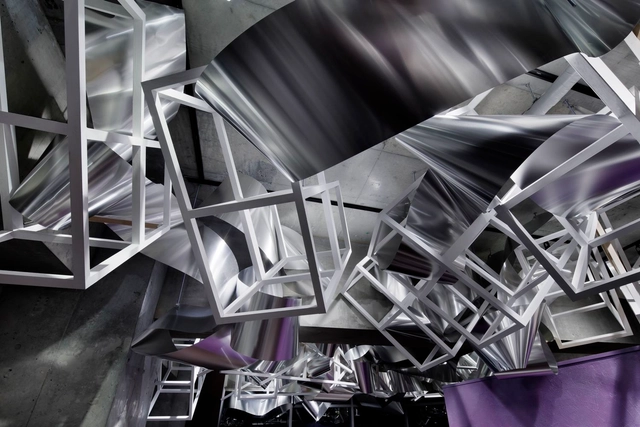
This week's curated selection of Best Unbuilt Architecture highlights different competition-winning designs and honorable mentions submitted by the ArchDaily Community. From large scale urban developments to small interventions and installations, this article highlights a selection of projects that have taken part of international and/or national competitions, and have received recognition from their juries.
From a metro station refurbishment that highlights the colors of Belgrade, to a memorial park on the coast of Miami, the award-winning entries are designed by young architects who have reimagined cultural, commercial, and urban projects, and provided innovative solutions that cater to the city and community. This round up also includes projects in Pakistan, Czech Republic, Germany, Vietnam, and Turkey.
Before the pandemic, there was a concerted effort from world leaders to curb the effects of global warming, with nations from around the world trying to unite in this endeavor. There was an increased emphasis on policies and action plans to reduce greenhouse gas emissions by 2030 through the rapid introduction of new energy saving technologies and innovative carbon dioxide removal techniques, with the purpose of meeting the Paris Agreement goal of carbon neutrality and limiting global warming to 1.5ºC.
If today technologies are emerging for different forms of representation and interaction with drawing, understanding how architects communicate through hand-drawn strokes can be essential to delve into the topic of architectural visualization. Through the simplicity of gestures, small texts or a collage of references, it is possible to translate ideas in an innovative way, unlike the ways that a render can present. For this reason, we highlight here the work of great names such as Lina Bo Bardi, Renzo Piano, Pezo von Ellrichshausen and Mikkel Frost, who, using different techniques, reveal different ways of representing a project.
There’s something magical about seeing a city from the very top. To have a new vantage point, and look across a skyline instead of looking up at it is one of the most powerful and awe-inspiring feelings. Observation decks are not just architectural marvels, but also a sort of civic icon and sense of pride for a city. In the present day, it’s not just their height that draws people in, but the additional programming of sky-high bars, rides, and bungee jumping as well.
What looks like a residential paradise, where the indoor and outdoor space seamlessly merge, will, in fact, be a site for professionals to indulge, reflect and create. Image Courtesy of NOA
At a prime location in the middle of Belgium, an original concept has taken form, as NOA Outdoor Living invites professionals to experience outdoor design in an entirely different way.
The architecture of governments has long been tied to shared ideals. Built to reflect regional aspirations and communal organizations, parliaments are a unique type of design for legislative bodies. Generally speaking, they include various kinds of deliberative, consultative, and judicial assemblies. Exploring new ideas on the design of government buildings, parliaments are being reimagined to reflect contemporary life.
Design Justice is a branch of architecture and design focused on redesigning cities, products, services and environments with historic reparations in mind.
The term emerged about 7 years ago when debates and dialogues about inclusion and diversity in spaces started to get stronger, creating movements that fought for the rights of people who had their roots and choices denied in society.


















.jpg?1652479150 "The Solomon R. Guggenheim Museum / New York . Image © Laurian Ghinitoiu")




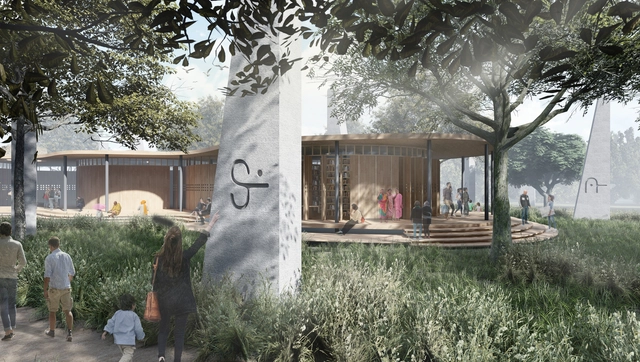
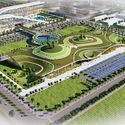
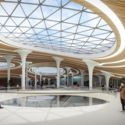
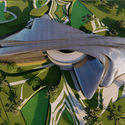
.jpg?1652355731 "Memorial Park by Tatiana Ivanova, Mikhail Skisov. Image Courtesy of Tatiana Ivanova, Mikhail Skisov")


_Credit_Santiago_Calatrava.jpg?1652412911&format=webp&width=640&height=580)