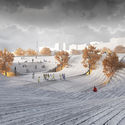
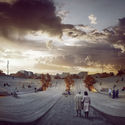
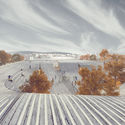
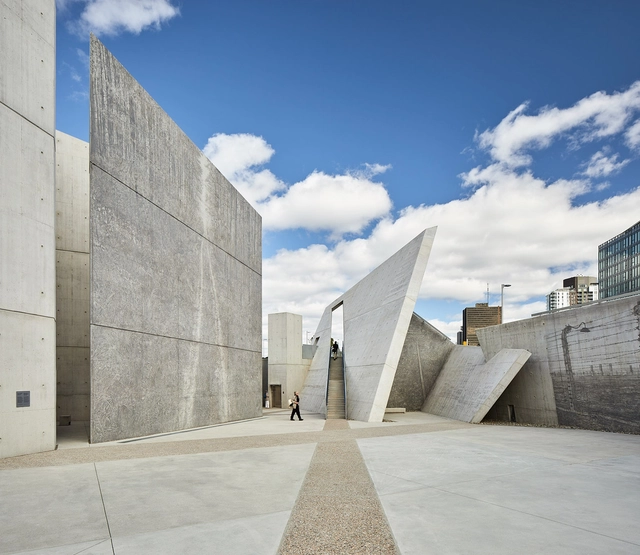
Concrete is the second-most used material on earth. It is also the second-largest emitter of CO2, with cement manufacturing accounting for 5 to 7 percent of annual emissions. The continued popularity of concrete as a material of choice in the design and construction industry, coupled with increasing unease of the environmental consequences, has put concrete firmly in the spotlight of innovation and experimentation. As a result, designers, architects, and researchers around the world are generating multiple visions for what the future of concrete in architecture could look like.
https://www.archdaily.com/926854/what-is-the-future-of-concrete-in-architectureNiall Patrick Walsh
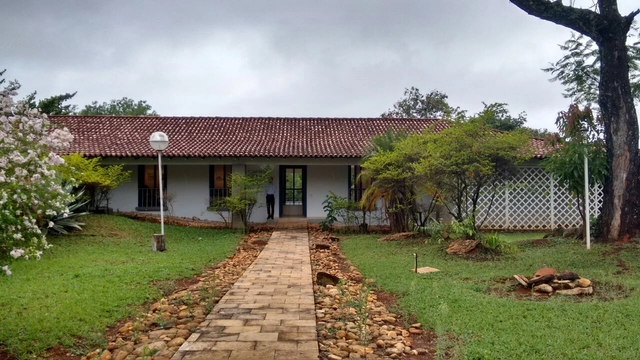
Oscar Niemeyer was a revolutionary of modernism, with an architectural language characterized by audacious curves and elaborated structures. The Brazilian architect established an architectural vision of a future utopian Brazil, one that ultimately has not come to pass. While public attention is often drawn to his masterpieces in Brasília, somewhat hidden from the architectural discourse is a house that Niemeyer designed for himself; a colonial-style scheme offering a radical departure from the expressive forms of his more noted works.
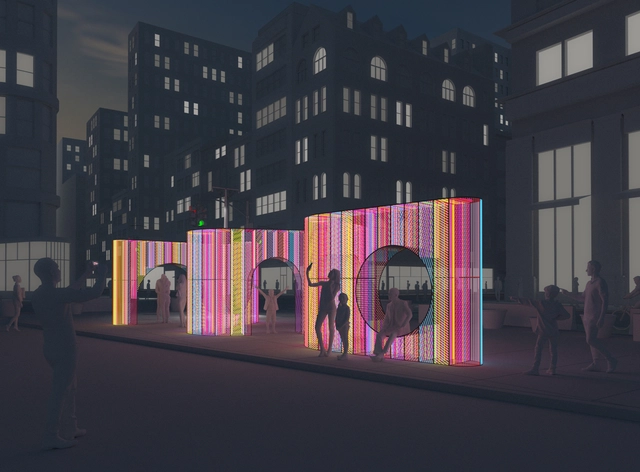
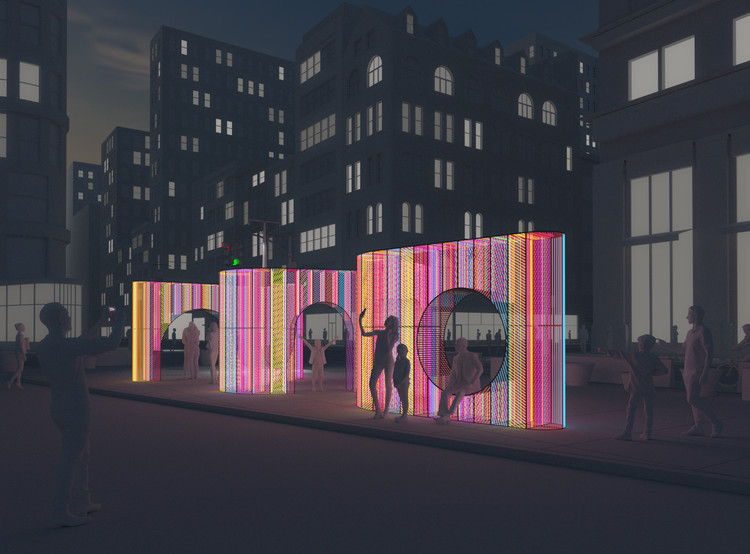
Every holiday season, architects, designers, and urban planners set up vibrant installations in cities around the world, to serve as beacons of joy and interactive points of attraction. On the 18th of November, Hou de Sousawill install Ziggy in New York City to celebrate the upcoming holiday season with vibrant hues and playful gateways.
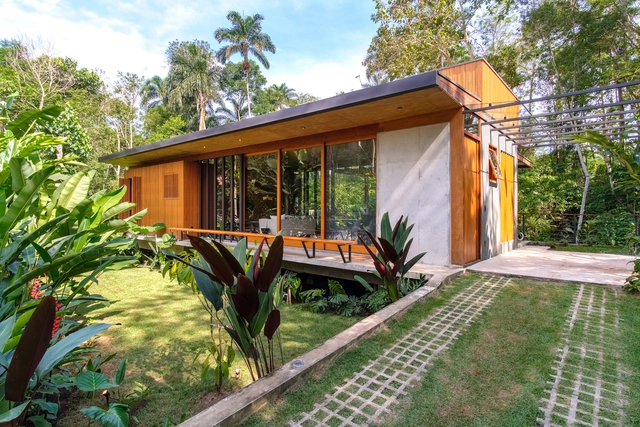
Sustainability in architecture is an issue that may bring to light too general proposals and there are a lot of possibilities concerning the application of their concepts in design process. Sustainable strategies are essential so that the project development reconcile the economic and ecologic pillars and, above all, consider the well-being impact for those who are going to use the built space. Thinking about this, we have gathered four projects of different typologies that applied innovative methods in the conception of the buildings that stand out for their sustainable practices. Read on for the projects:
The rapidly growing cancer care provider uses big-name architects and designers to create comfortable, hospitable spaces.
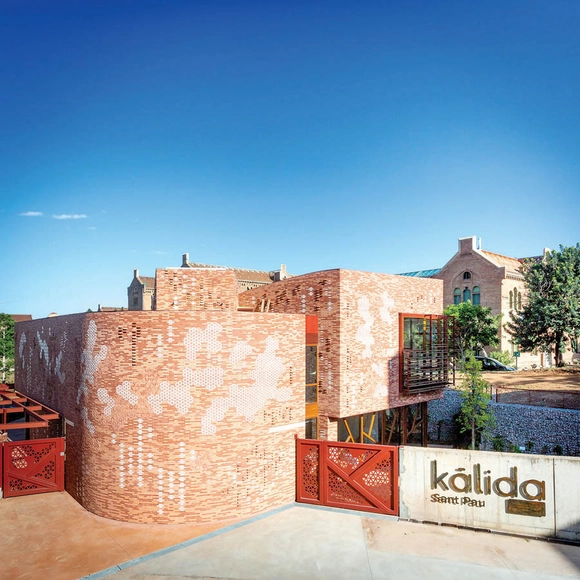
Since the first Maggie’s Centre opened in Edinburgh in 1996, the innovative psychological and social support facilities for people with cancer and their caregivers, friends, and families have been designed and built at an impressive clip.
Design:ED Podcast is an inside look into the field of architecture told from the perspective of individuals that are leading the industry. This motivational series grants unique insight into the making of a successful design career, from humble beginnings to worldwide recognition. Every week, featured guests share their personal highs and lows on their journey to success, that is sure to inspire audiences at all levels of the industry. Listening to their stories will provide a rare blueprint for anyone seeking to advance their career, and elevate their work to the next level.
In this episode, host Aaron Prinz speaks with Carla Swickerath, Partner at Studio Daniel Libeskind, about how she helped lead the development of the World Trade Center site, the impact of technology on the future of the profession, and what sets Studio Libeskind apart from other firms.
The Environmental Protection Agency estimates that Americans spend 90 percent of their time indoors. Spending that much time inside makes us feel disconnected from the outside world, affecting everything from our productivity to mental health. Not to mention physical health concerns ranging from poor circulation to airborne contaminants.
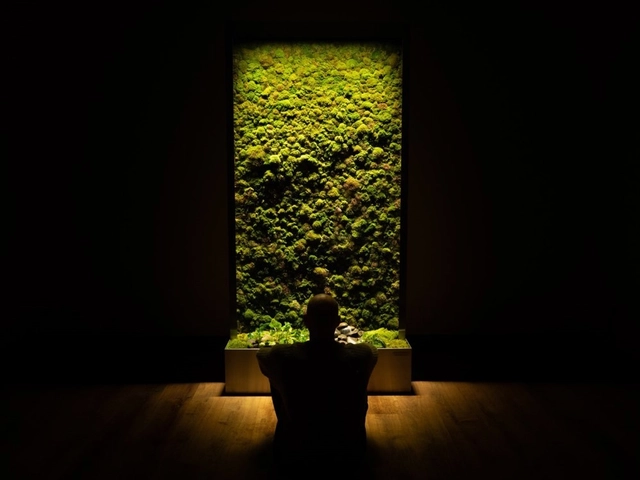
One method of rebuilding our connection to nature is by using living elements. Live moss wellness walls utilize one of our oldest plant species to improve the visual appearance of any interior environment and boost your overall well-being.
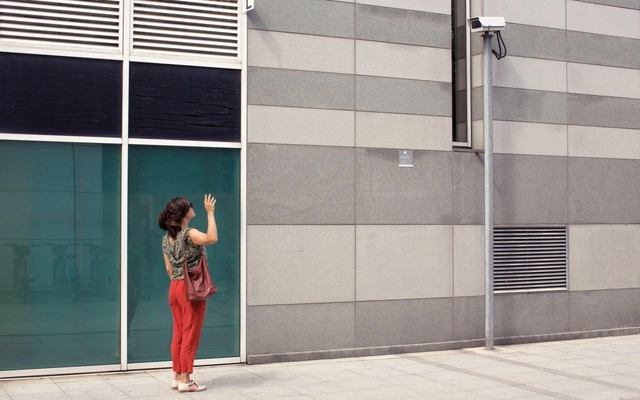
What happens when the sensor-imbued city acquires the ability to see – almost as if it had eyes? Ahead of the 2019 Shenzhen Biennale of Urbanism\Architecture (UABB), titled "Urban Interactions," ArchDaily is working with the curators of the "Eyes of the City" section at the Biennial to stimulate a discussion on how new technologies – and Artificial Intelligence in particular – might impact architecture and urban life. Hereyou can read the “Eyes of the City” curatorial statement by Carlo Ratti, the Politecnico di Torino and SCUT.
When the city has eyes to see, it will become the stuff of nightmares. The panopticon prophecy will come to life. Democracy will die.
The pretexts through which a thousand mechanisms that spy on us have been introduced into cities are three:
security from thieves, criminals and terrorists;
energy savings and performance optimization;
the possibility of having structures that spontaneously understand our needs, without any requests on our part.
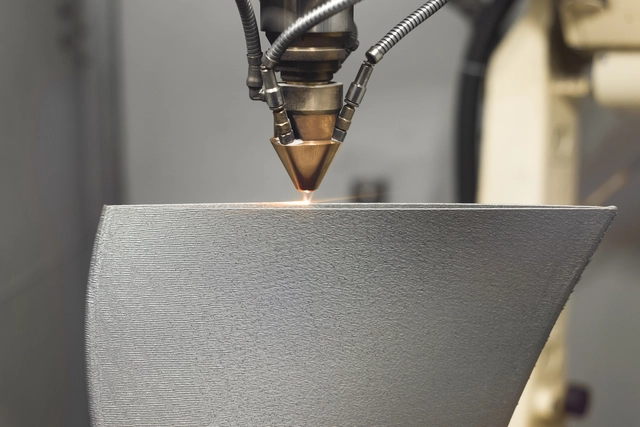
Additive Manufacturing (AM) is a term used to identify the manufacturing processes performed by 3D printing through layer-by-layer construction. In addition to avoiding the generation of waste through the use of precise geometries and exact quantities of material, these controlled processes can be much faster than traditional ones, since they don't require tools or other instruments.
Additive Manufacturing is done based on a digital model. The process begins with a CAD design or three-dimensional scan and then translates that shape into an object divided into sections, allowing it to be printed. Its use has extended from industrial design to the replica of archaeological objects to the manufacture of artificial human organs and tissues, among many others.
Open More Doors is a section by ArchDaily and the MINI Clubman that takes you behind the scenes of the world’s most innovative offices through exciting video interviews and an exclusive photo gallery featuring each studio’s workspace.
This month, we talked with American architecture and urban design firm Studio Gang and how their Chicago office focuses on ecological biodiversity, collaborative multidisciplinary projects, and finding potential in historic structures.
In order to explain projects and design decisions properly, architects must use often rely on creative representation techniques instead of words. It’s part of the job. The quality of drawings - simple, complex, or anything in between - is fundamental for the correct reception of the ideas. Digital media has enabled new ways of representation including animation and adding a new dimension in a single image: processes.
Animated gifs can provide the same amount of information in constructive terms as a section, program distribution as a diagram and main decisions as a master plan, while at the same time showing the progress and chronology of the project.
The following 30 projects use animated gifs as a tool to represent the design process, construction details, use of layers and interior spatial sequences.
People often find themselves physically and emotionally comfortable in specific public places. Whether one's reading a book on the terrace of a coffee shop, sitting on a cozy sofa at a hair salon, or waiting for the train at train station, some spaces tend to initiate a feeling identical to being in the comfort of one's home.
The field of environmental psychology has helped find the factors that achieve "human comfort", and now, architects and designers are working alongside the field's specialists to develop comfortable spaces.
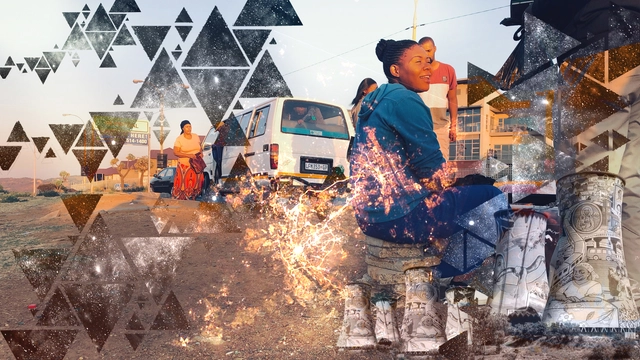
The second machine age, gender-based violence, global south, developing cities, poor infrastructure, influx, digitization, sustainability, Afro-futurism? We keep hearing the buzzwords over and over again but what does it all mean? How do these notions intersect spatially in response to the needs of future city developments? Cities are like ecosystems, collectively dependent on the surrounding environment. The larger and more complex they become, the greater the pressures and repercussions, namely: population growth, urban expansion, and physical resource scarcity.
https://www.archdaily.com/926361/wakandas-afro-futuristic-masterplan-an-ecosystem-of-flexible-bim-structures-for-urban-nomadsKhensani de Klerk, Solange Mbanefo
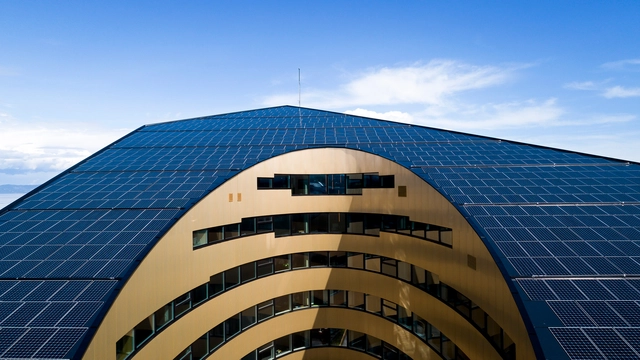
Once restricted to space stations and satellites, photovoltaics are now gaining popularity and becoming an increasingly viable option. Every day, the sun releases an enormous amount of energy, far more than the entire population consumes. Being that the sun is a sustainable, renewable, and inexhaustible source for generating electricity, not using it seems almost counter-intuitive, especially considering the social and environmental impacts of other forms of energy generation. But the technology to create electricity from the sun is by no means simple and still has some limitations, the most significant being price. The following article attempts to explain some basic concepts about this process, and to highlight important considerations for designing a solar energy system.
The A’ Design Award’s annual Accolades reward the top designers worldwide in all design disciplines. It is a peer-reviewed, anonymously judged international award whose aim is to provide a platform for these designers to showcase their work and products to a global audience. This year's edition is still open for entries until the Late Deadline on February 28th, with winners announced on April 15th; designers can register their submissions here today!
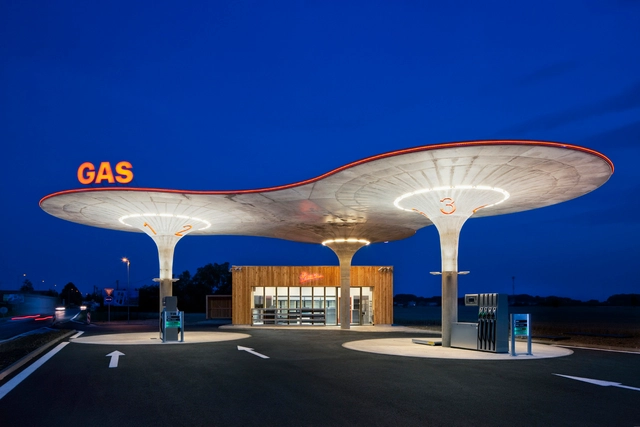
For decades, the gas station has been a staple of both urban and rural landscapes. As the 20th century saw the democratization of automobiles, the gas station became arguably one of the most generic, universal architectural typologies. Today in the USA alone, there are 130,000 gas stations serving 268 million cars. However, as populations move to condensed, urban areas with ever-improving public transit systems, and as the internal combustion engine evolves into electric alternatives, it is time to either redesign or retire the gas station.
Exhibited in Oslo Architecture Museum from 26th of October to 24th of November 2019 for the 2019 Oslo Architecture Triennale (ab)Normal will focus on the existing relationship with the city of Oslo and the automation processes that our rapidly intersecting our path. As part of an on-going research by (ab)Normal with Ludwig Engel, Oslo will be here depicted through a different lens, highlighting several aspects that are yet to come and raising awareness of others that are already within us.
The Kurdish city of Kamyaran - which sits on the transit borders of Kurdistan and Iran - is a developing city that experienced a devastating earthquake a few years ago. The city is located in a district deprived of modern facilities, and the majority of the residents' income is acquired from the transit of products across the common border with Iraq and Turkey. Project developers in the area are faced with several challenges, one of which is the amount of projects needed to ameliorate the city's status.
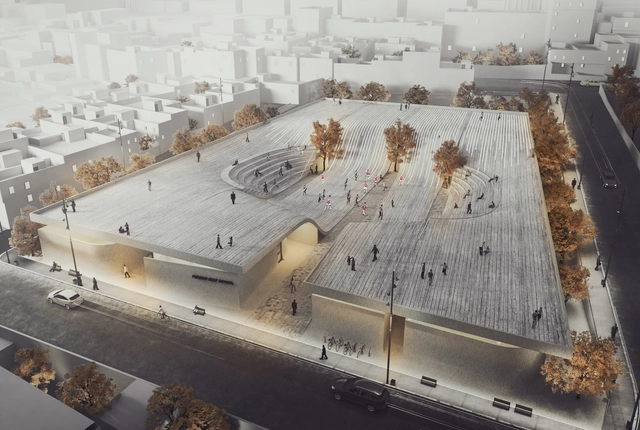
Instead of designing two different projects on two separate sites, CAAT Studio proposed the Kamyaran City-School, a new concept which merges an elementary school and public space into one large facility that aims to improve the social and cultural life of its residents.





.gif?1463188521)