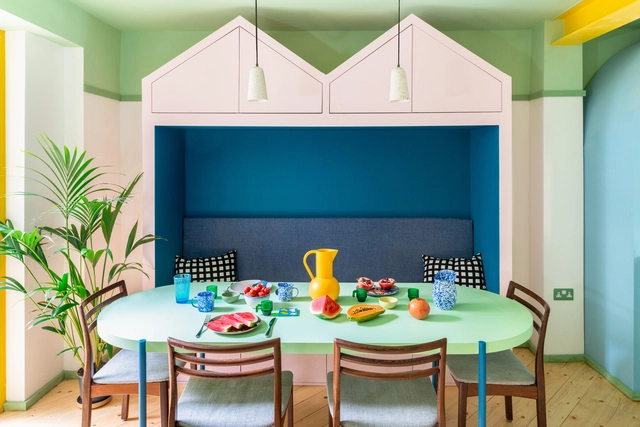
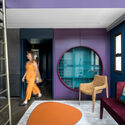
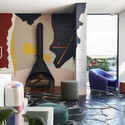
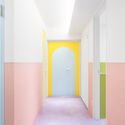
Though it has long been assumed that newborns don't see color at all, more recent studies have shown that they can indeed distinguish between different shades. And even though young minds may not fully realize what they're looking at, the impression and effect of a bright visual still elicit a potent response. This remains true throughout our lifetime: colors can influence our feelings in powerful ways. Architects and designers have long employed this to their advantage, especially when it comes to interior spaces. Whether it be to highlight specific architectural features, create certain moods, distinguish areas in open concept layouts, or brighten a room with its finishing touches, colors are a pivotal tool for professionals throughout the design process. The combination of multiple bold shades — color blocking — in particular can be a success if done right.
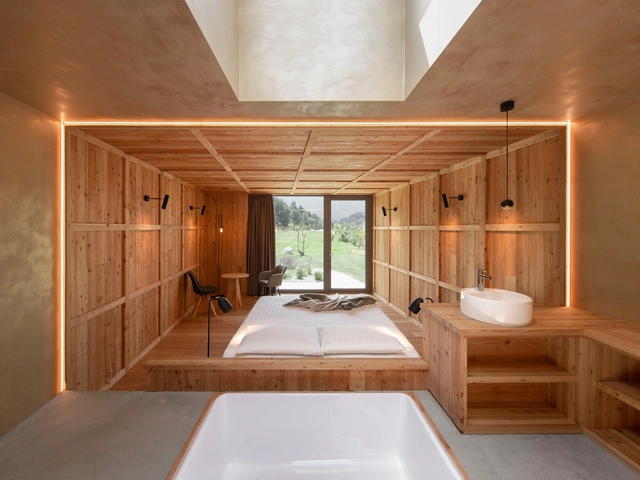
Some would say it's the fresh air, peace and quiet, and some the constant closeness to nature; nonetheless, we all agree there’s something unique about the countryside. As you step inside a farmhouse, all of these qualities can be reflected through the lense of contemporary interior design, creating a welcoming, light and calm ambiance. Known for their place in rural or agricultural settings and designed for farm living, traditional 1700’s farm houses –also known as “folk” houses– were initially influenced by their geographical conditions, enhancing the relationship with the environment. While conserving traditional approaches such as simple floor-plans, gabled roofs and large porches, farmhouse aesthetics have gone through transformations to adapt to contemporary ways of living. By reusing and using traditional rural architecture as a direct reference, we analyze how current projects follow its singular design strategies: noble materials, spaces connected to the environment, and simple and functional spaces with unique details.
Minimaforms Presents The Order of Time at the Architectural Association School of Architecture Gallery. It is an immersive installation aimed to connect the preoccupations of physics, art, and architecture by revealing the ordering of spaces and constructed relationships through direct experience.
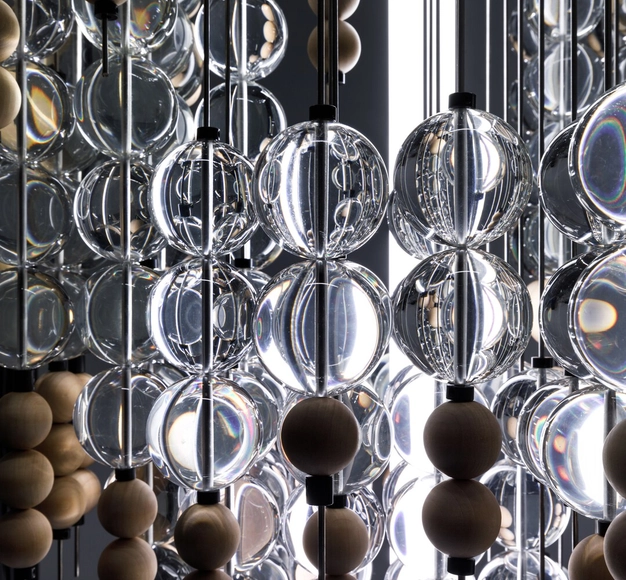
Three Sculptural installations are the highlight of the exhibition. Spherical organizations deployed through mathematical logic and designed to extend space within reflective light boxes, gifting its viewer a new immersive moment at every turn. ArchDaily had the chance to engage in a conversation with Theodore Spyropoulos; Artist & Architect at Minimaforms and Director of the Architectural Association’s Design Research Lab, on issues that tackled the interdisciplinary nature of architecture, the creative process of the installation, and how it influences the creation of spaces, buildings & cities.
Every two years, starting in 1998, the Saint-Gobain International Gypsum Trophy has awarded the most recent developments for quality craftsmanship in drywall systems and plastering. This year, the 13th edition of the Gypsum Trophy took place in Athens on April 28th, 2023. From the Americas to Asia, from Europe to Africa, 73projects from 27countries competed in six categories to win one of the 15prizes of the competition.
Participating contractors combine their know-how and creativity with Saint-Gobain plaster and dry lining systems to carry out high-performance projects. Whereas some are built on existing historical structures, others create something completely new. Similarly, some projects were completed with the help of over a thousand employees/teammates, while others by just a few.
See this year's winners below, as well as the details of the Awards.
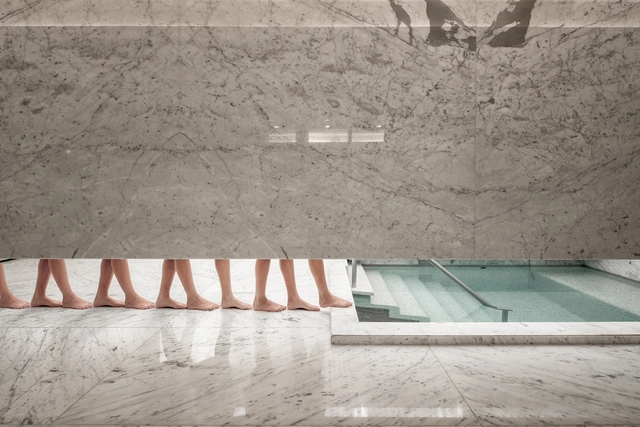
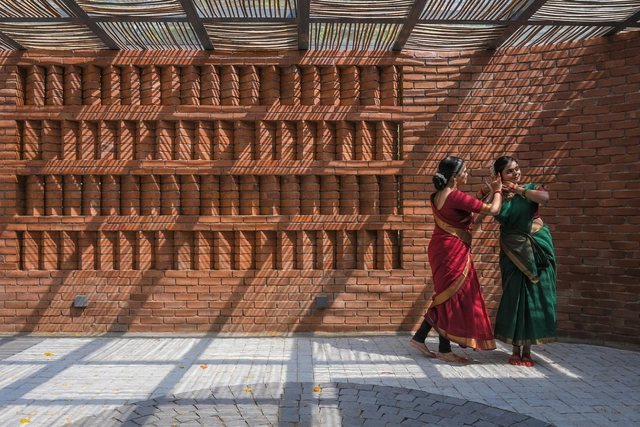
The skin absorbs matter, and the world is contemplated, touched, heard, and measured through our bodily existence. Juhani Pallasmaa, a Finnish architect known for propagating sensory architecture, defends the notion that, unlike vision, touch is the sense of proximity, becoming a main axis by covering the entire body. It is a fact that, when speaking of touch, the first image that comes to mind is usually contact with hands. However, there are other ways to feel architecture that can be developed in projects, such as the touch of bare feet on a particular surface.
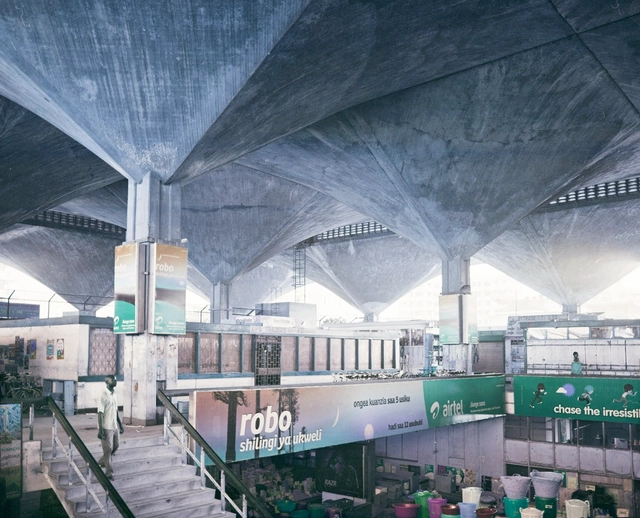
The legacy of the Modernist movement is a complicated one. Spanning a diverse assortment of fiercely debated sub-categories and styles, the Modernist style has established its presence in virtually every continent. Although the movement's origins may be rooted in Europe and the U.S., outside of the Eurocentric canon architects have redefined and re-established the definition of a "Modernist" building. In Sri Lanka, for example, architect Geoffrey Bawa's sensitive, nature-inspired architectural responses gave rise to the "Tropical Modernism" label. Over in the African continent, it is in the East-African country of Tanzania that some highly unique examples of Modernist architecture are found – headed by architects Anthony Almeida and Beda Amuli.
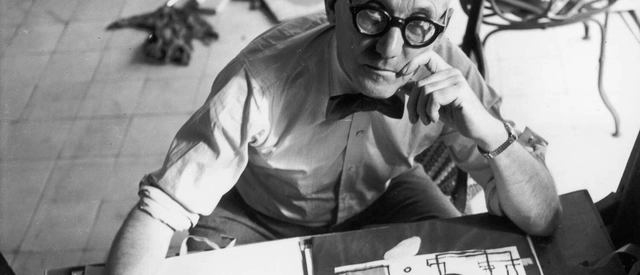
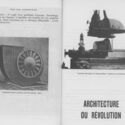
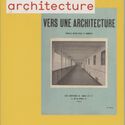
This year marks the centennial of the first edition of Vers Une Architecture, Le Corbusier’s epoch-making book. Though a new English translation appeared in 2007 to much acclaim, most other practicing architects read the first English edition that appeared in 1928, entitled Towards a New Architecture. Comparing the three editions is instructive, particularly in one crucial respect: the insertion of the word “new” in the title. The book wasn’t really about new architecture, because very little of it showed buildings in the International Style. Instead, it was in many respects a clever diatribe intended to convince Europeans that they had no choice but to renounce every kind of architecture that had been built before the Great War and begin anew. It was remarkably successful in fulfilling that aim.
https://www.archdaily.com/1000499/away-from-old-architecture-what-le-corbusier-really-meantMark Alan Hewitt
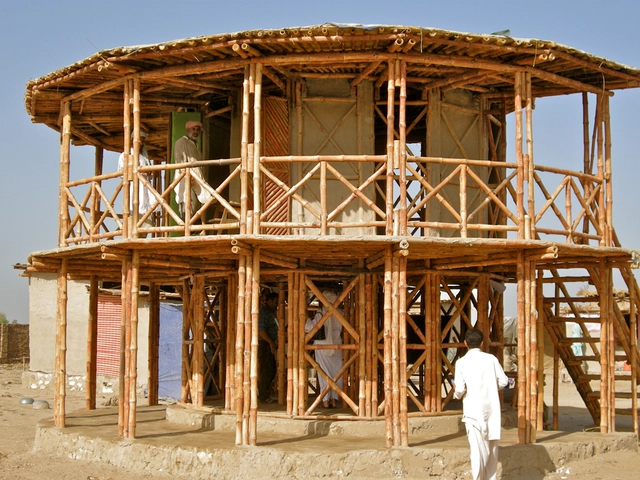
Yasmeen Lari, recognized as the first female architect in Pakistan, has had a significant impact both in her home country and internationally due to her innovative and socially conscious approach to architecture. Through a systemic approach, Lari’s work takes into consideration local culture, site-specific opportunities, and challenges. Born in Pakistan in 1941, Yasmeen Lari moved to London with her family at the age of 15. After graduating from Oxford Brooks School of Architecture, she returned to Pakistan at the age of 23 to establish Lari Associates with her husband, Suhail Zaheer Lari. The couple settled in Karachi. Here, she began to study Pakistan’s ancient towns and the vernacular architecture of earth buildings, igniting her interest in the architectural heritage and traditional techniques of her country. In 1980, she co-founded the Heritage Foundation of Pakistan with her husband, becoming instrumental in the preservation of her country’s rich cultural heritage.
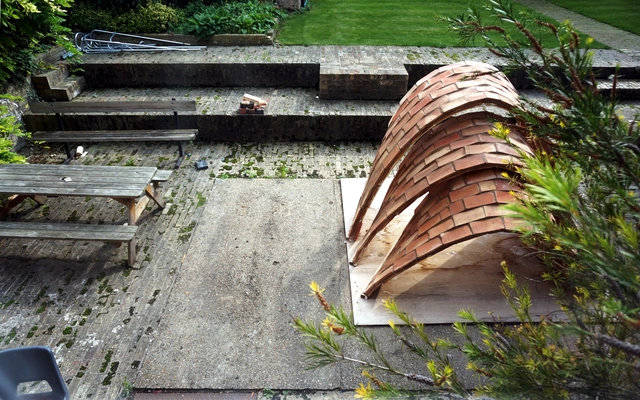
By operating in closed cycles, circular design goes beyond the traditional linear concept of "extracting, producing, consuming and discarding", and seeks to create more sustainable and efficient systems throughout the life cycle of a product. Through the principles of reduction, reuse, recycling and regeneration, it can minimize the environmental impact of a product from the very first stages of its life: with the choice of more sustainable, durable materials; by minimizing waste during production; by promoting reuse and repair during its use; and at the disposal phase, with the efficient recycling of materials that can be reintroduced to the production chain. The adoption of circular design has gained strength in the industry, but despite the many advances and initiatives, it is still rare to see concrete examples of its implementation.
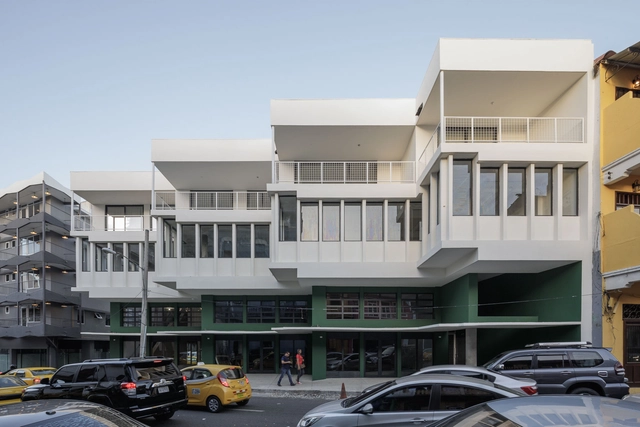
The city of Panama has been experiencing an architectural rebirth. Buildings that have become outdated and deteriorated over time are now being renovated, restored, and modernized - and one of the main offices carrying out this task is Sketch, an architecture studio that defines itself as "energetic, multidisciplinary, and a firm believer that design should be both smart and fun."
Their renovation and remodeling projects, such as the STEPS Dance Academy, the DiabloRosso Gallery, and the mixed-use building La Moderna, are clear indications of this transformative spirit that revolves around efficiency and relevance. Learn about these projects in detail below.
Contemporary Indian design culture can aptly be described with one word - fusion. A close look at the trends in fashion, cinema, music, and art soon reveals the country’saspirations as a globalized nation. Reveling in a new era, India’s art and design appear as a combination of influences from traditional life and the Western world. A “neo-Indian” image informs multiple forms of cultural expression, including architecture and interior design. As Indians and Indian architecture carve the country's place in the world, a new design trend flourishes - one that is driven by modern lifestyles, international influences, a colonial past, and a desire to stay connected to its roots.
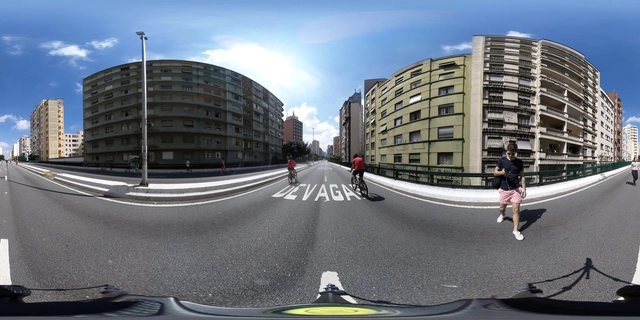
While most architectural critics and theorists agree that architecture can only really be learned on site –by experiencing its volumes, textures, sounds and smells– hardly anyone would have the time and resources to see all the projects they would like to in person. Ways of documenting a building or a city have aroused the curiosity of painters, photographers and artists throughout history. From the traditional classical portrait with perfectly adjusted proportions to disruptive forms such as Michael Wesely's long exposure images, Heinz Emigholz's experimental film set, or Tuca Vieira's Photographic Atlas of the city of São Paulo, there are myriad ways to portray the built environment. 360° cameras bring yet another set of possibilities to documenting architecture and urban scenes. We spoke to Romullo Fontenelle, architect and architectural photographer, who tested the new RICOH THETA X 360° camera and provided an account of how this technology can improve the efficiency and precision of his design processes.
Following findings from a study published in the Nature Ecology & Evolution journal this April, it has become public knowledge that the phenomenon dubbed the Great Pacific Garbage Patch (an area of 620,000 square miles between California and Hawaii) is serving as host to an entire coastal ecosystem. Marine wildlife is using the massive area compiled of human plastic waste as a floating habitat, and scientists are shocked at the number of species that have managed to establish life in this otherwise hostile environment.
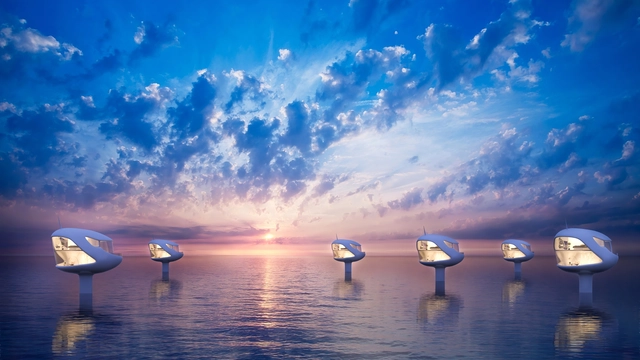
The news once again brings into sharp focus not only pressing issues of climate change and ocean pollution but also the question of environmentally-induced migration, even at a microbial level. Architecture is moving into more and more experimental realms when it comes to considering locations for the communities of our future – and rising sea levels have promoted water to the top of the list. But these deliberations are not as recent as one might think: floating cities have been around for centuries and individual homes on water are common in areas of Benin, Peru or Iraq, among others.
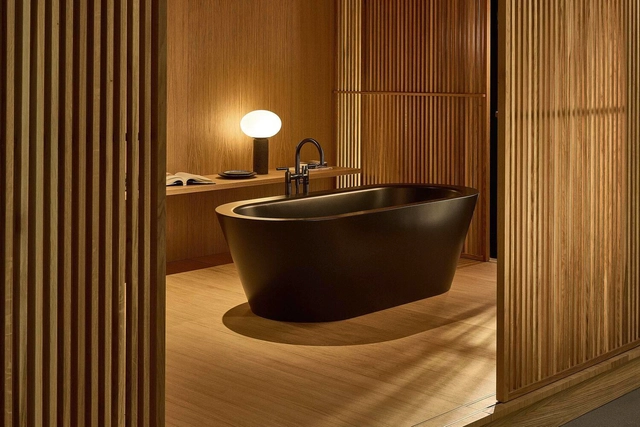
Contemporary minimalism and comfortable relaxation: the BetteStarlet Oval Silhouette freestanding bathtub in Matt reflects the tranquillity that also characterises Nathalie Deboel's projects. Image Courtesy of Bette
It is the contrast between the beach and forest walks that are so important, and the vibrant city with its multicultural influences that informs Nathalie Deboel's style. The interior designer lives in Ukkel, just outside Brussels, but runs her studio in the Belgian seaside town of Knokke – where she finds the tranquility that's reflected in her projects. "Comforting Homes" is the title of her monograph, published by Stockmans Art Books, which features some of her well balanced projects. To understand how she does it, Markus Hieke and Bette interviewed the designer on perpetuating stories of buildings and making them –with a view towards the sustainability of bathroom spaces– their inhabitants' favorite place.
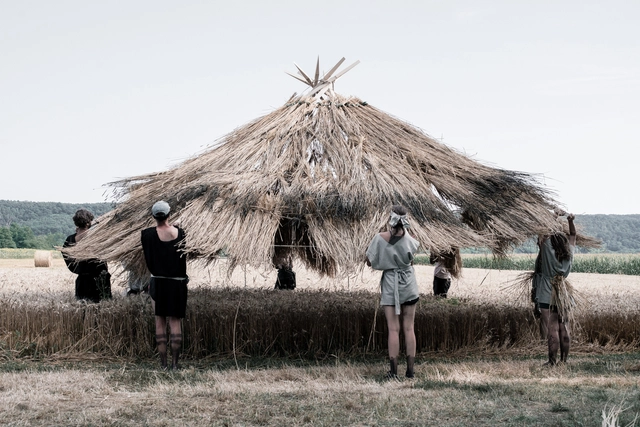
Towers, walkways, decks, cabins and tree houses. Since 2010, the Hello Wood Festival has erected dozens of temporary constructions, with one common denominator: wood. The initiative aims to make knowledge about this material more accessible to everyone, as it has immense potential for the future. However, despite its potential, wood still faces various prejudices within the construction industry. Through the connection between designers and artists from different cultural, academic and professional backgrounds, the event uses construction as a platform for innovation, discussion and knowledge. It offers participants the unique opportunity to experiment with sustainable design and construction methods, encouraging learning through experience, held in a forested area near Budapest, Hungary.
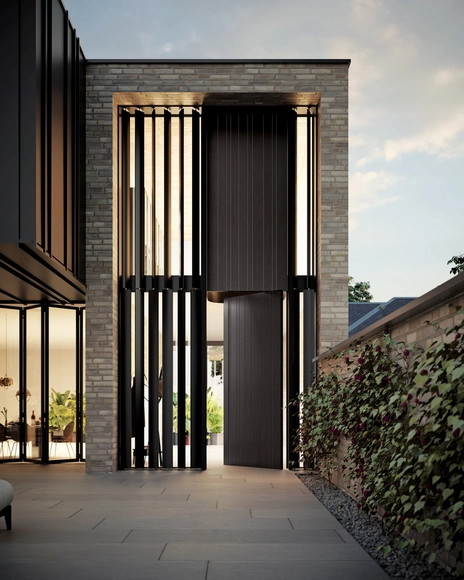
Verticality in architecture conveys aesthetic, symbolic and cultural meanings, representing concepts such as elegance, sophistication, modernity, progress and technological advancement. In religious buildings, for example, it symbolizes greatness and a connection with the divine. These strategies are very common in Gothic architecture, as well as Art déco buildings or even the skyscrapers of Mies van der Rohe. But these elements need not be restricted to grandiose constructions. Even in single-family homes, working with elements that refer to verticality can be just as useful, playing with volumes and facades or working with openings, such as windows and doors.
Igreja da Luz. Image by hetgallery, via Visualhunt.com
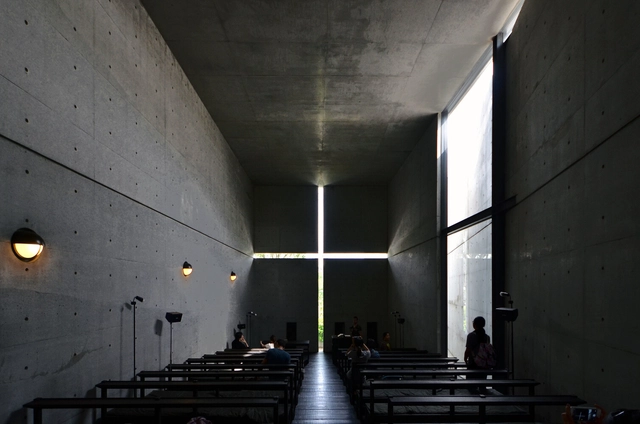
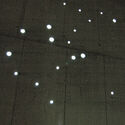
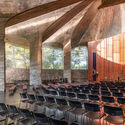
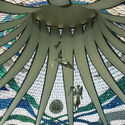
The use of light in religious constructions as an element of association with the divine has been present throughout the history of humanity. Historically, a series of temples from various religions have used this technique as an attempt to visually and perceptibly approach humans to a sacred and intangible dimension. Light is often given a spiritual connotation and significant symbolic force, capable of modifying people's relationships, perceptions, and experiences with their surroundings. Thus, it is an element that has been, and still is, used by architecture to create scenarios and effects in many religious spaces, especially churches.