At the UIA World Congress of Architects 2026 in Barcelona, discussions surrounding the future of housing frequently extended beyond questions of design to include governance, ownership, and long-term stewardship. Among the speakers contributing to these conversations was Cristina Gamboa, co-founder of the Barcelona-based cooperative Lacol, whose practice combines architecture, housing advocacy, construction management, and environmental research through a cooperative model. During the Congress, ArchDaily spoke with Gamboa about how cooperative practice reshapes the architect's role, why participation extends beyond consultation, and how projects such as La Borda and La Morada continue to inform broader discussions on housing, care, and collective living.
Featured Nereidas House / Studio Font
Featured Scala San Filippo / caarpa
"Promoting Another Way of Living Together": In Conversation with Cristina Gamboa of Lacol
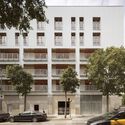
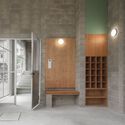
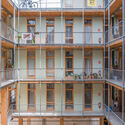
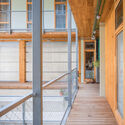
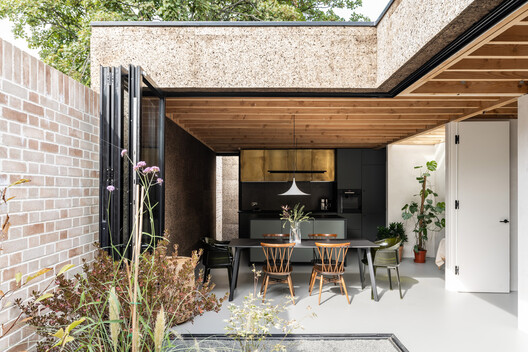
Cork House / Polysmiths
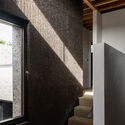
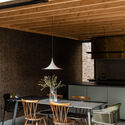
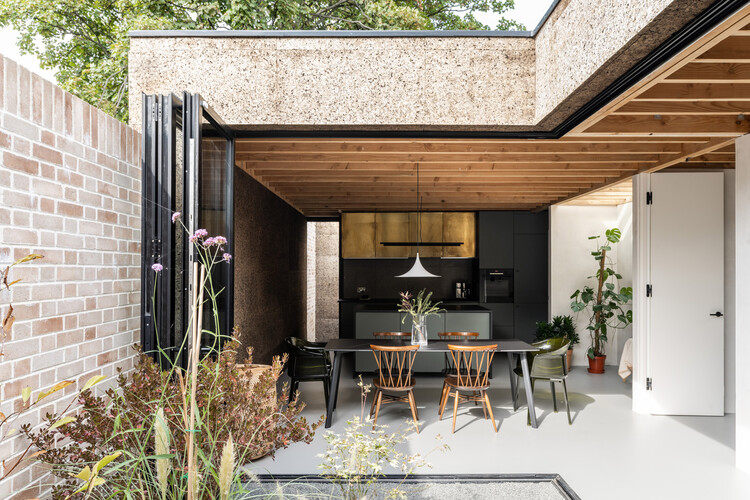
-
Architects: Polysmiths
- Area: 150 m²
- Year: 2022
-
Manufacturers: Euro Windows (glazing), Mike Wye (cork boards)
An Architectural Language of Artificial Cooling: Shade, Mist, and Autonomy
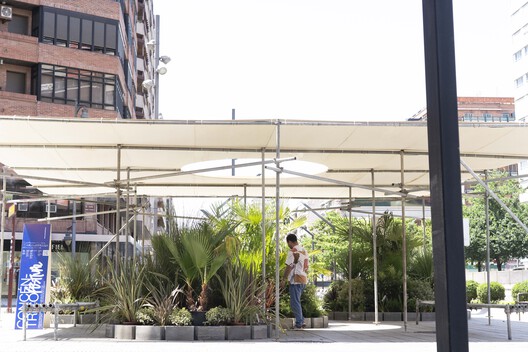
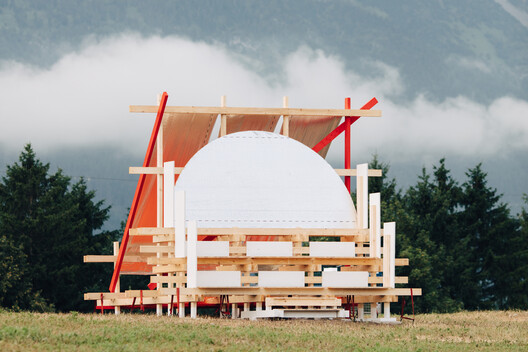
Concéntrico returned to Logroño for its 12th edition in June and transformed the city into a working site for architecture. Since its founding in 2015, the festival has built an identity on resisting a distant, controlled exhibition of design by constructing full-scale installations in the city's streets, plazas, and vacant lots, engaging residents and visitors as part of daily life. This year's program brought together more than twenty interventions by architects, designers, and researchers working across a wide range of geographies and methods, each contributing to a citywide experiment in reimagining public space.
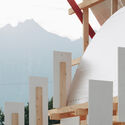
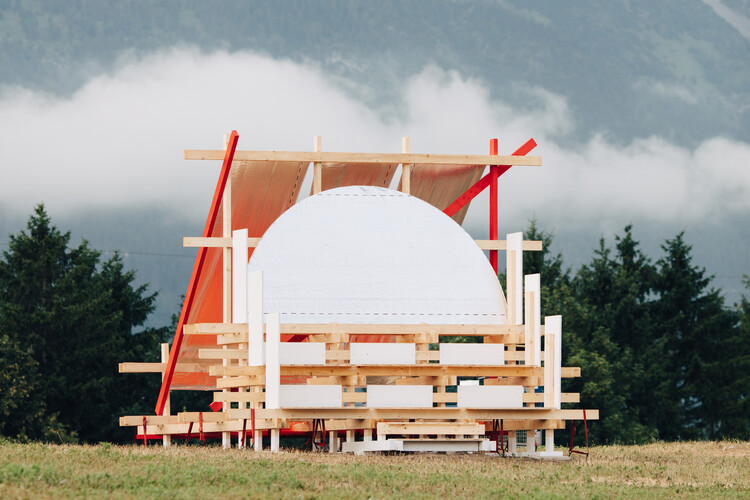
Gabonsa Pavilion / Hochschule Kaiserslautern University of Applied Sciences
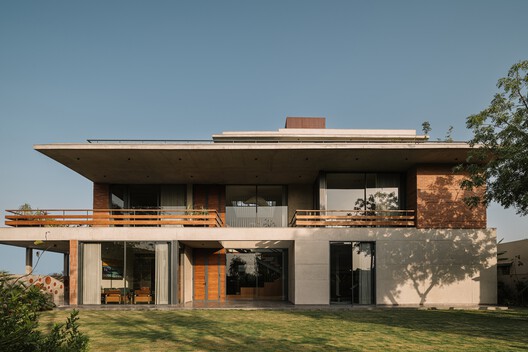
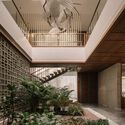
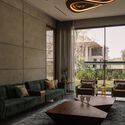
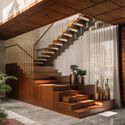
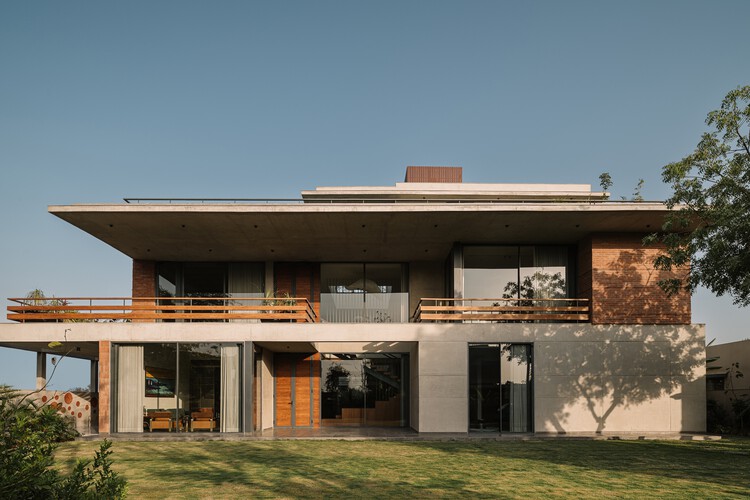
The House of Green Court / andblack design studio
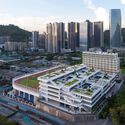
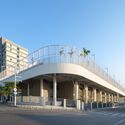
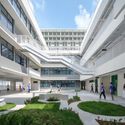
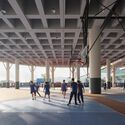
Luohu Library and Youth Activity Center / Shenzhen Huahui Design + iDEA
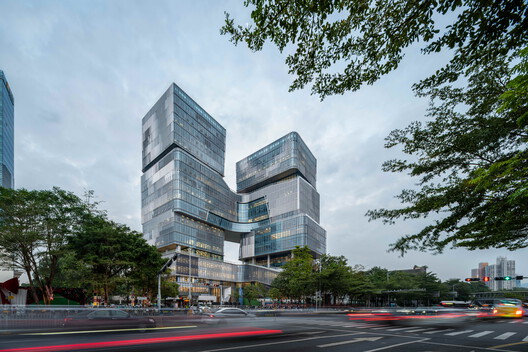
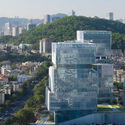
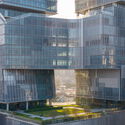
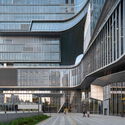
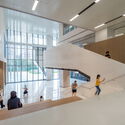
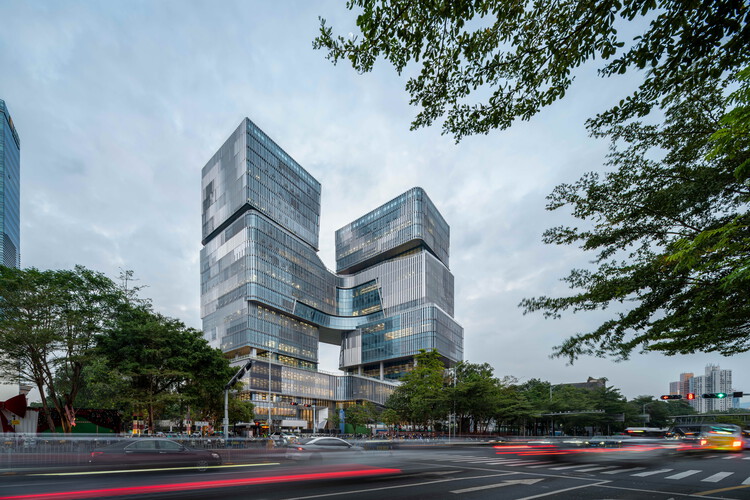
-
Architects: Shenzhen Huahui Design, iDEA
- Area: 77077 m²
- Year: 2025
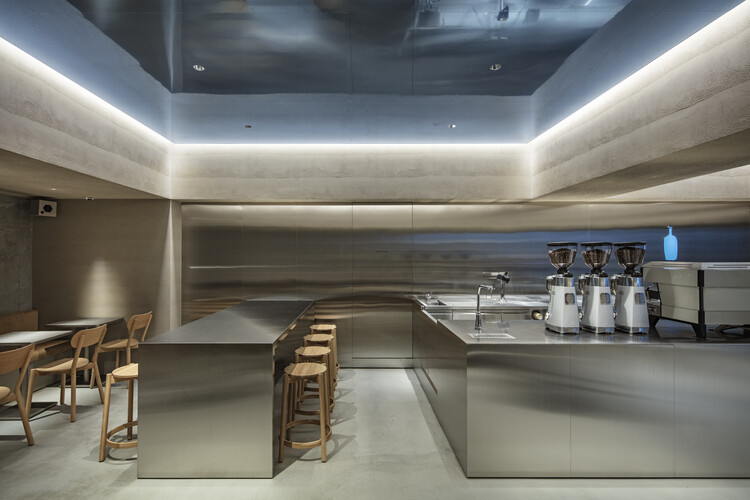
Blue Bottle Coffee Harajuku Cafe / TEKI Design

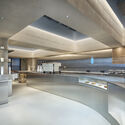
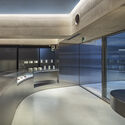
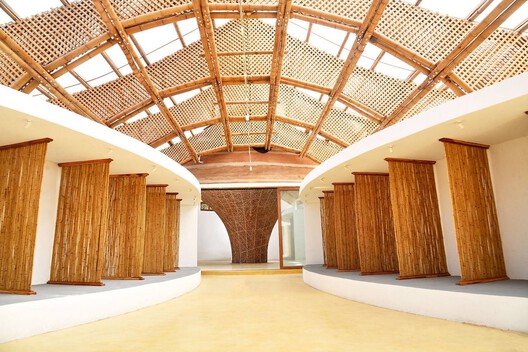
Mami Dan Temple of Toligbé Cultural Center / Maison Bignon Sossou
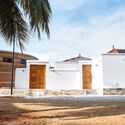
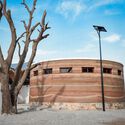
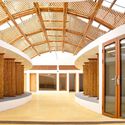
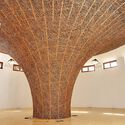
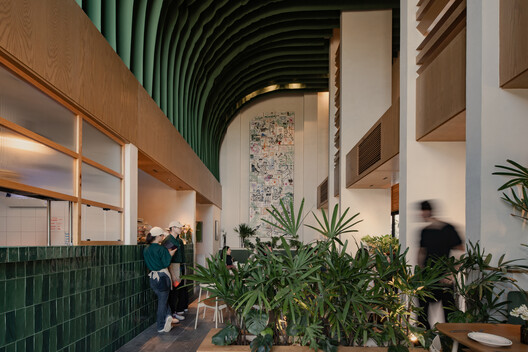
Mimado Restaurant / García de Alba + Ponce Arquitectos
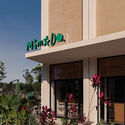
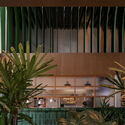
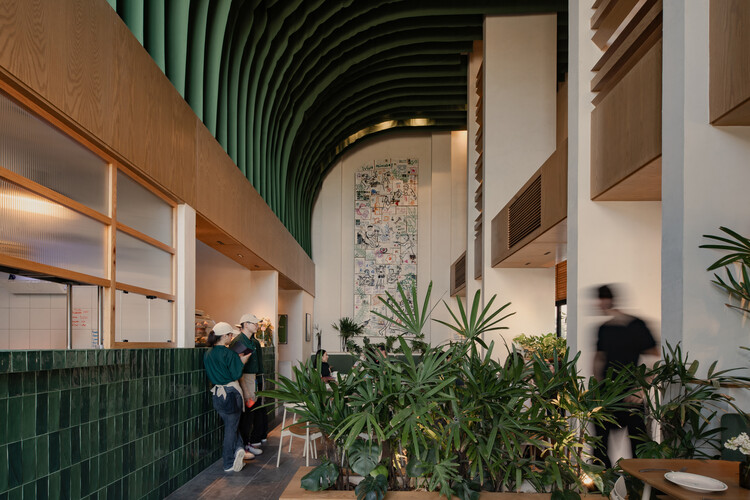
-
Architects: García de Alba + Ponce Arquitectos
- Area: 250 m²
- Year: 2024
-
Manufacturers: Cocinas Fuego — cocina / equipos, Kimiplaster / Kimikolor — chukum blanco sascab, Sole Stone — piedra natural / cantera
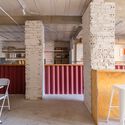
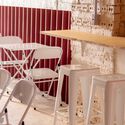
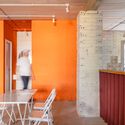
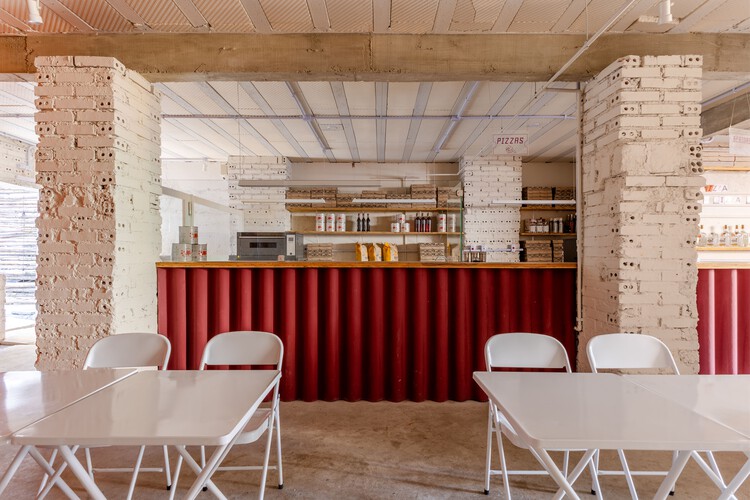
Cença Pizza Bar / IN arq+design

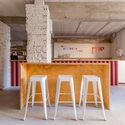
-
Architects: IN arq+design
- Area: 100 m²
- Year: 2024
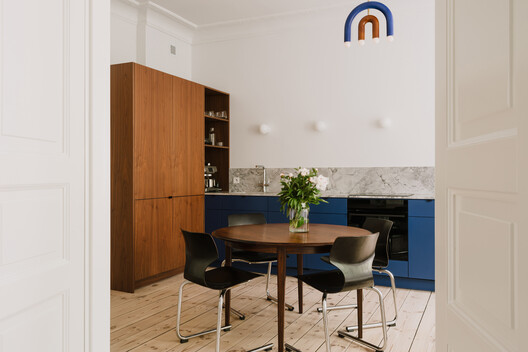
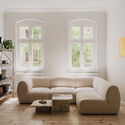
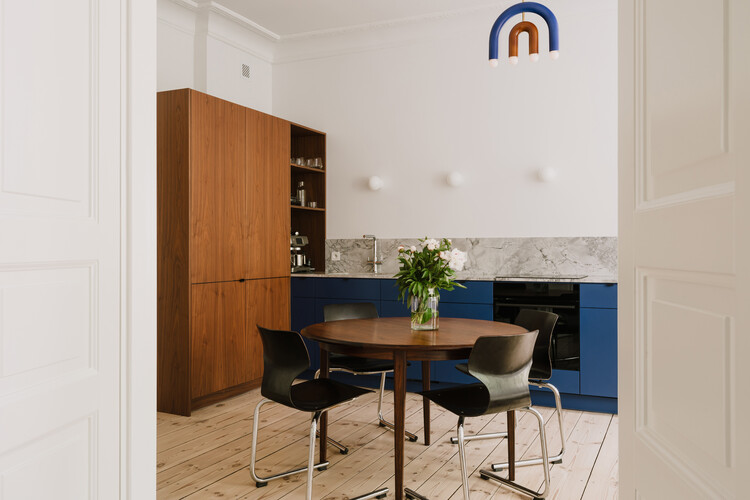
Apartment Interior within Poznań's Łazarz District / LBWA
A Wooden Bench and the Geography of Materials

Images of the benches at New York City's High Line Park spread around the world when the project opened in 2009. Emerging diagonally from the same material and modular pattern as the paving, they transition seamlessly from concrete to wood, evoking the railway tracks that once occupied the site. To withstand decades of exposure to the elements, the project required a wood species of exceptional durability, and ipe, harvested from the Brazilian Amazon, was selected. Its slow growth produces a dense, low-porosity hardwood that is naturally resistant to wear, moisture, and biological decay. The choice, however, sparked controversy at the time amid concerns over the certification of the timber's forest management. This broader view changes how we think about materials. Their origin still matters, but so does what happens after the building's life comes to an end.
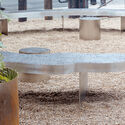
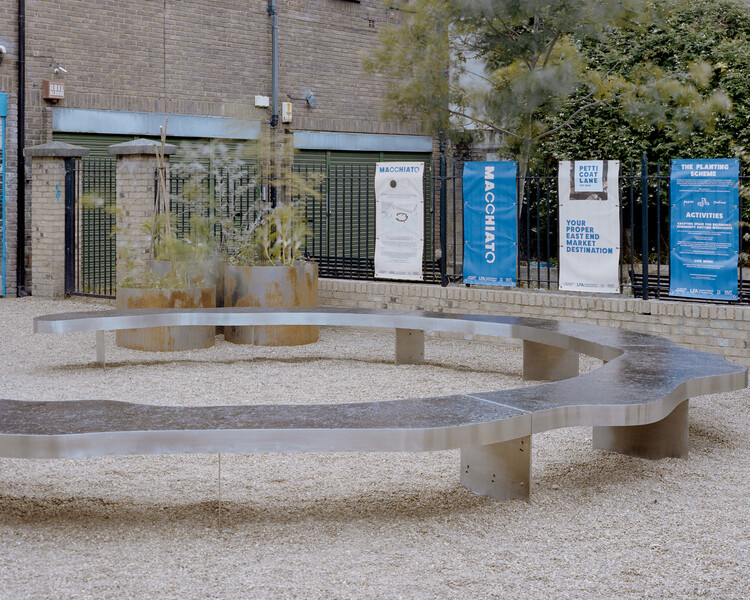
Macchiato Pocket Park / OUT Architecture

-
Architects: OUT Architecture
- Area: 120 m²
- Year: 2026
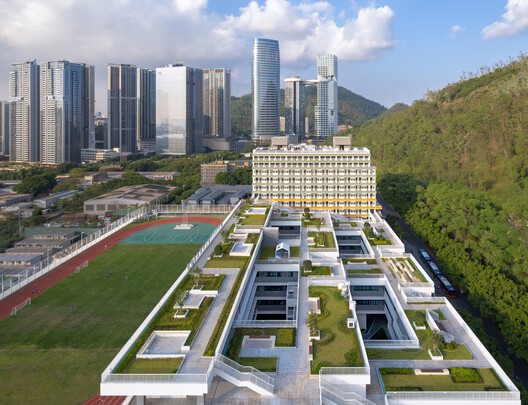
The Nanshan Affiliated School of Beijing Normal University / Z&Z STUDIO
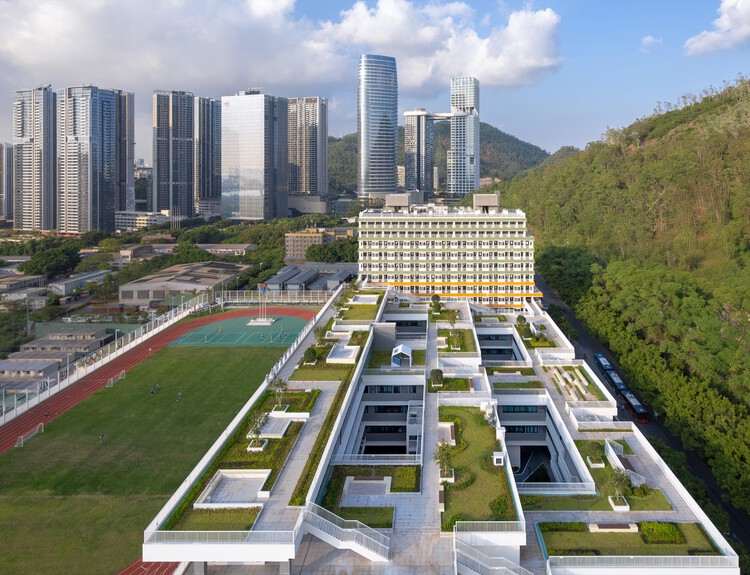
Ochre Residence / Thought Parallels

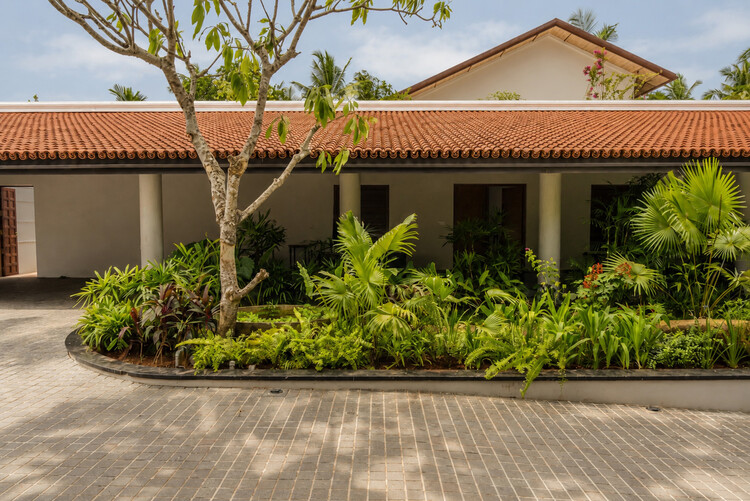
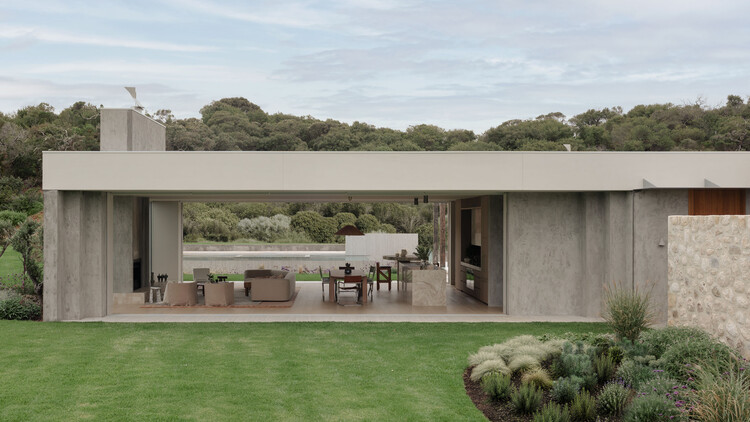
Wildcoast Residence / Studio Kennon


Casa Baruk Restaurant / Memola Estúdio

-
Architects: Memola Estúdio
- Area: 700 m²
- Year: 2025