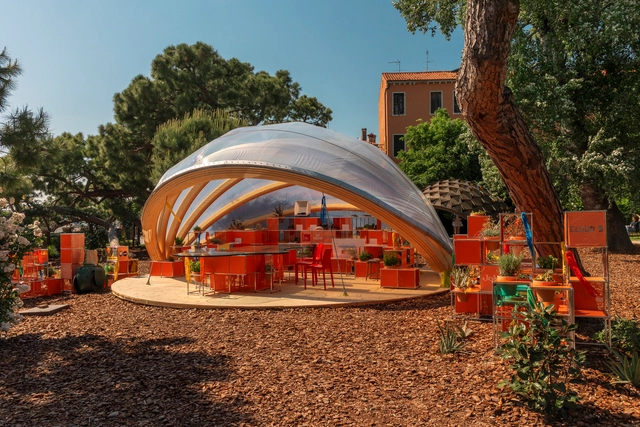
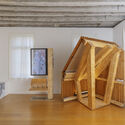
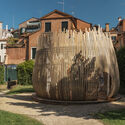
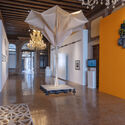
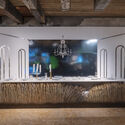
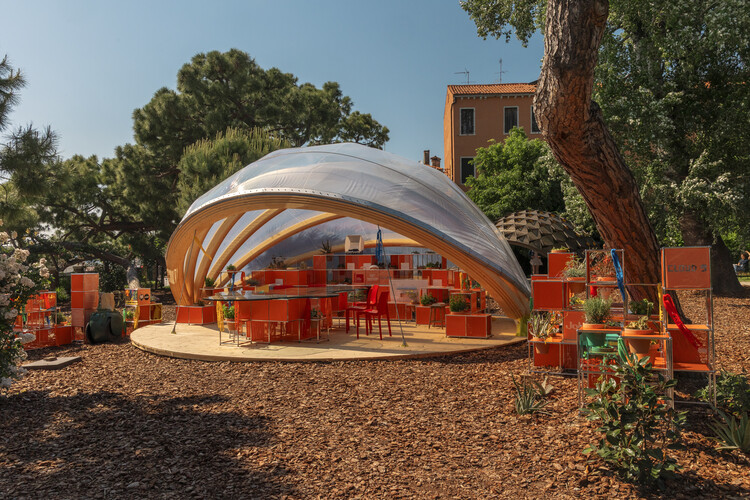
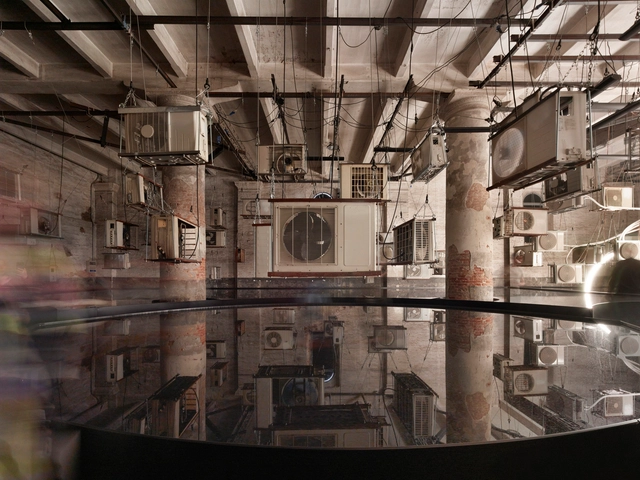
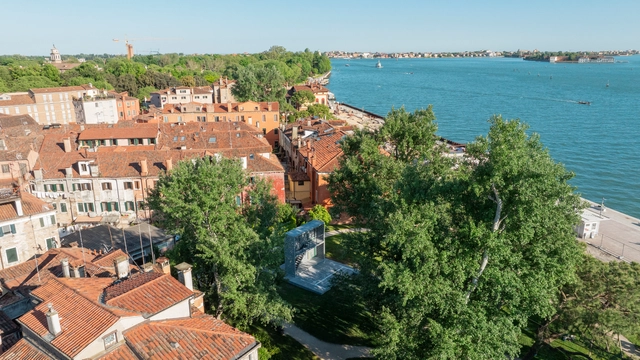
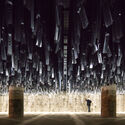
The European Cultural Centre Italy has organized the ECC Awards since 2010 to recognize artists, architects, designers, and academics in their respective fields. The Awards highlight projects featured in the Time Space Existence exhibition, which runs in parallel with the Venice Architecture Biennale and showcases tangible approaches to building more sustainably, aiming to position architecture as a force for environmental and social repair. The seventh edition of Time Space Existence is a group exhibition spanning three Venetian venues: Palazzo Bembo, Palazzo Mora, and the Marinaressa Gardens. This year, the exhibition focuses on the themes of Repair, Regenerate, and Reuse, emphasizing the essential role of architects and designers as agents of positive change in shaping sustainable, inclusive, and regenerative ways of living.
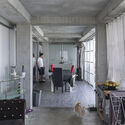
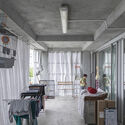
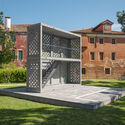
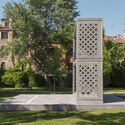
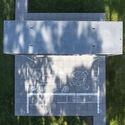
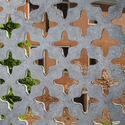
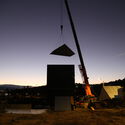
During the Time Space Existence exhibition, organized by the European Cultural Centre in Venice, Pritzker Prize-winning architect Alejandro Aravena and his firm ELEMENTAL unveiled a full-scale prototype for a new approach in incremental housing solutions. Titled the USB Core, standing for Basic Services Unit housing prototype, this proposal aims to demonstrate how efficient construction can provide all the essential housing components in a minimal space. The prototype is also the result of a collaboration between the architecture office and concrete manufacturer and researcher Holcim, and is built out of a newly developed type of net-zero concrete mix. It also incorporates fully recycled aggregates, in alignment with circular economy principles. The collaboration aims to demonstrate a more environmentally conscious yet cost-effective way of providing essential services to at-risk communities without harming the planet.
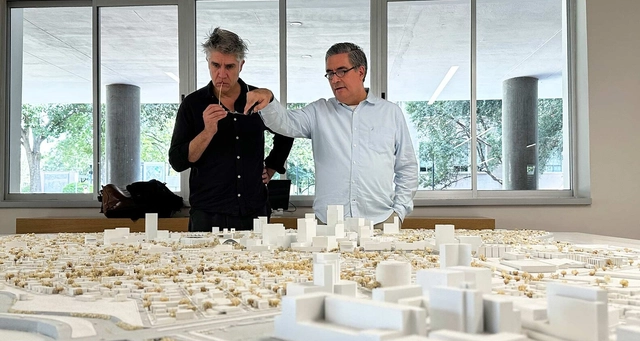
While on site in Venice, ArchDaily's managing editor Maria-Cristina Florian had the chance to sit down with Alejandro Aravena and discuss the implications of this collaboration, the urgent need for housing, and the role of the architect as the coordinator of a process involving many actors.
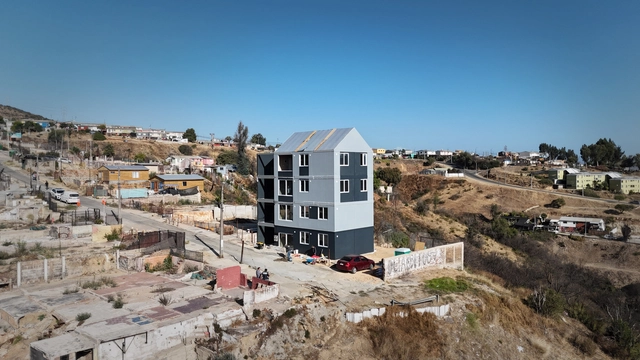
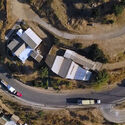
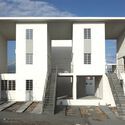
A year after the Viña del Mar mega-fire in Chile and with reconstruction efforts progressing at just 26%, the architecture firm ELEMENTAL and local authorities have begun construction on a prefabricated housing project in one of the residential neighborhoods most affected by the disaster. The project consists of a mid-density residential building with a modular steel structure, intended as a starting point for similar initiatives in response to what is now considered one of the most catastrophic events in Chile's recent history. As stated by Alejandro Aravena and the city's mayor, Macarena Ripamonti, the goal is for the technology and management model behind this project to set a precedent for delivering rapid and permanent housing solutions in emergency situations.
The design incorporates a specific type of low-carbon concrete, which aims to emit 30% less CO₂ than standard concrete. The prototype will be featured in the Time Space Existence exhibition, organized by the European Cultural Centre.The goal of the project is to test the sustainability of a housing prototype in response to the ongoing climate and humanitarian crises.
Architecture has long been understood as a powerful tool for shaping the physical environment and social dynamics within it. However, its potential to foster social equity is often overlooked. Empathy-driven design invites architects to approach their work not only as creators of space but as facilitators of human connection and community well-being. This approach centers on understanding people's lived experiences, struggles, and aspirations — particularly marginalized communities — and responding to their needs through thoughtful, inclusive architecture. It goes beyond aesthetics and functionality, instead focusing on creating spaces fostering dignity, accessibility, and social equity. By prioritizing empathy, architects can design environments that uplift communities, address disparities, and create inclusive spaces that promote positive societal change in a tangible, human-centered way.
Besides denoting a show of careful thought, in architectural terms, the word ‘considerate' also suggests an emotional and perhaps even empathetic approach. And why shouldn't it?
Good architecture can and should be considerate—in all the varied ways the word embodies. While it could start off with the motivation to do good and require an initial moral approach, this sensibility, combined with a meticulous knowledge of individual/communal needs and transparent communication, generates a well-adapted, and accessible built environment that can promote growth.
https://www.archdaily.com/989415/good-architecture-is-considerateArchDaily Team
Photo by Marlene González y Edgar Macías. Image via Tecnológico de Monterrey
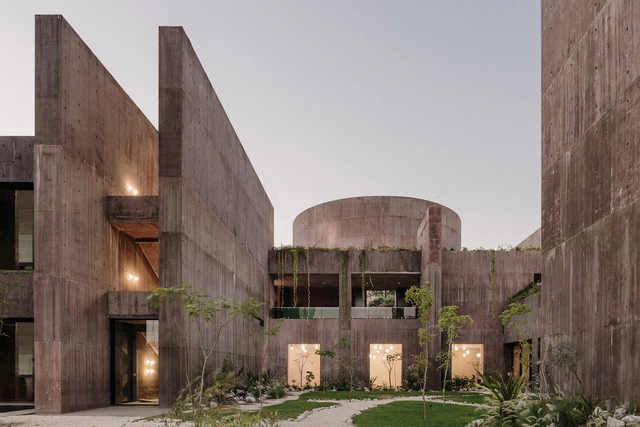
Through a statement from Tecnológico de Monterrey in Mexico, it has been announced that the Chilean architect Alejandro Aravena will construct a new facility on the Monterrey campus, named "Aulas 10." This facility will house the School of Architecture, Art, and Design (EAAD) with the goal of becoming a space that fosters creativity and knowledge.
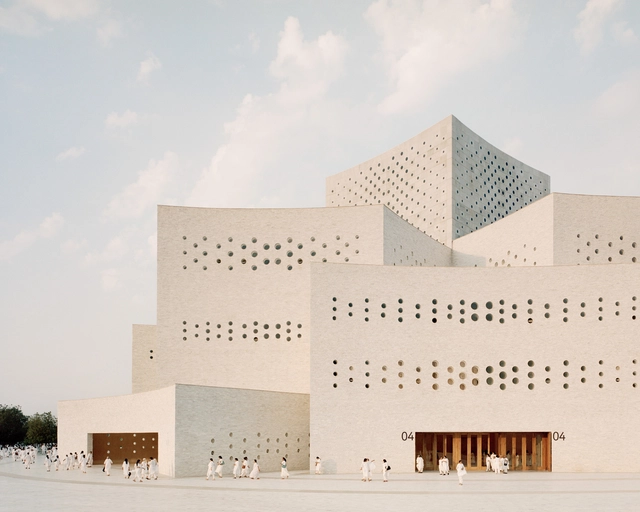
ELEMENTAL, Herzog & de Meuron, Office for Metropolitan Architecture (OMA), Philippe Starck, and UNStudio are just a few of the internationally renowned architectural firms working with Qatar Museums to establish five new cultural facilities in Qatar. The new constructions will be overseen by Qatar Museums, tasked with maintaining and expanding Qatar's cultural assets through managing the nation's expanding network of museums, heritage sites, festivals, and public art installations.
From Taiwan to the Netherlands to Uruguay, Jakub Sawosko has extensively been photographing concrete architecture all over the world and displaying them on Instagram as @sh_sh_welt.
After living surrounded and fascinated by post-war concrete architecture in Europe in his early years, Sawosko moved to Taiwan where he eventually realized that Modernism had heavily influenced Taiwan as well. "I felt that [Taiwan's distinctive style of architecture] deserved more recognition", explains Jakub in conversation with ArchDaily via Instagram.
Cortesía de ELEMENTAL y Nissen Wentzlaff Architekten
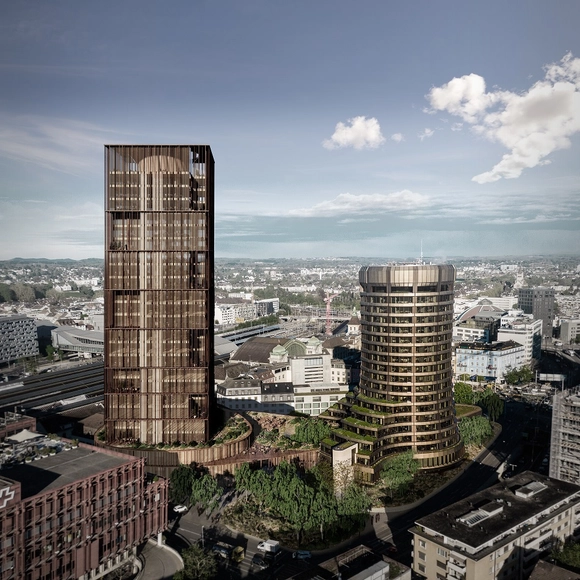
The Bank for International Settlements (BIS) has just announced that the collaborative project designed by ELEMENTAL (Santiago, Chile) and Nissen Wentzlaff Architekten (Basel, Switzerland) is the winning entry of its international competition to develop its headquarters in Basel, Switzerland.
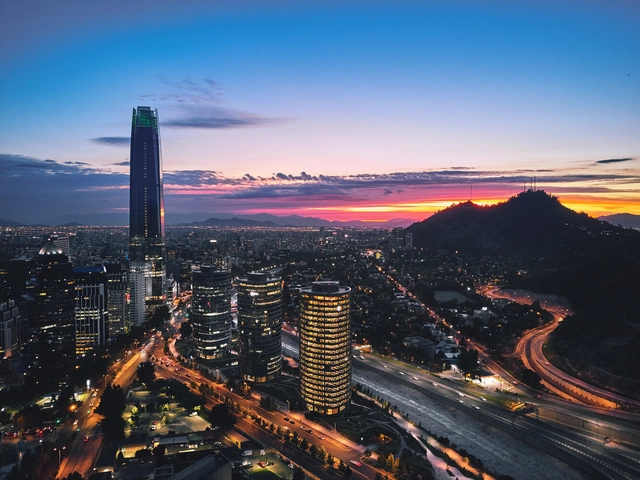
Founded in 1541 by the Spanish conquistador Pedro de Valdivia on indigenous settlements in the valley of the Mapocho River, Santiago is the capital and most populated city of Chile. This South American city is enframed by the Andes Mountains to the east and the Chilean Coast Range to the west, in addition to 26 island hills (cerros islas) scattered throughout the city. Some of these island hills have been converted into urban parks, such as Santa Lucía and San Cristóbal, while Chena, Calán, and Renca are in the process of expansion.
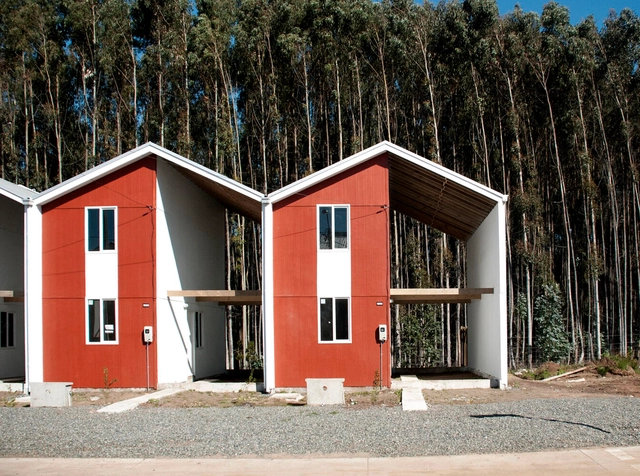
As part of a Tec de Monterrey initiative, this year the First Prize of the 213th Traditional Tec Draw is being held with a work by the Chilean architect who won the 2016 Pritzker Prize, Alejandro Aravena. Elemental House, is the second of the Houses of the 75th Anniversary of Sorteos Tec, which is celebrated this year.
In 2016, Pritzker Prize winner Alejandro Aravena announced that his firm, ELEMENTAL, had released the rights to four of their social housing projects, and all documents would be uploaded to their website for public use. Aravena’s goal was to start a movement in which architects would work together to tackle the world’s challenges around housing shortages and affordability, especially with increased migration. The shared drawing sets and a description of the project’s principles provide architects with the necessary documentation for building a low-cost home, encouraging designers to do the same with their work, contractors to assist in building these homes, and governments to shift their thinking of how they can approach mass urbanization. Six years later, how has the concept of open-source architecture progressed, and how has it impacted the architectural profession ever since?
In New Mexico, irrigation channels that have been in continuous operation for three centuries replenish and nourish the wetlands of the American Southwest. These channels are known as Acequias – communally managed water systems built on democratic tradition. Members of the community own water rights, who then elect a three-person team to oversee the channels. In Cairo and Barcelona, Tahrir Square and Plaza de Catalunya have acted as important sites for voicing political dissatisfaction. The Tahrir Square protests of 2011, for instance, resulted in the eventual toppling of an almost 30-year-old government.
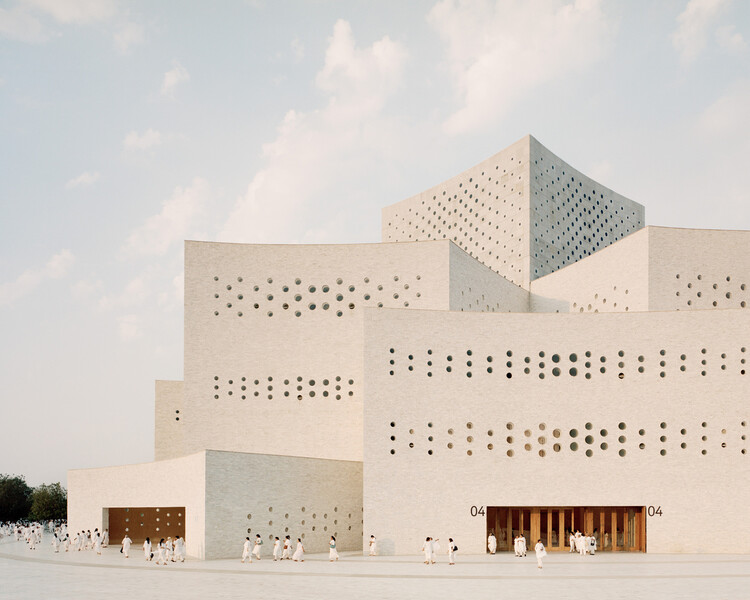
Following Qatar's ambitious museum-building project to further promote cultural institutes in the country, Her Excellency Sheikha Al Mayassa bint Hamad bin Khalifa Al Thani, Chairperson of Qatar Museums has announced that OMA, Herzog & de Meuron, and ELEMENTAL will be designing three new museums in Doha that explore the themes of Islamic art, contemporary art, and evolution of the automobile industry respectively.
Courtesy of Seoul Biennale of Architecture and Urbanism
Under the theme of "Crossroads: Building the Resilient City", the 2021 Seoul Biennale of Architecture and Urbanism explores cities through architecture, design, and urban planning by highlighting "the virtues and dialogue of crossroads of knowledge" through exhibitions, installations, and events, that tackle the city of tomorrow led by architect Dominique Perrault. With more than 100 participating cities across five continents and installations by world renowned architects and designers, the Seoul Biennale will take place at various locations across the city from September 16 until October 31st, 2021.