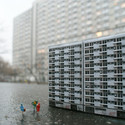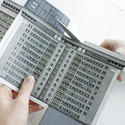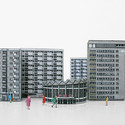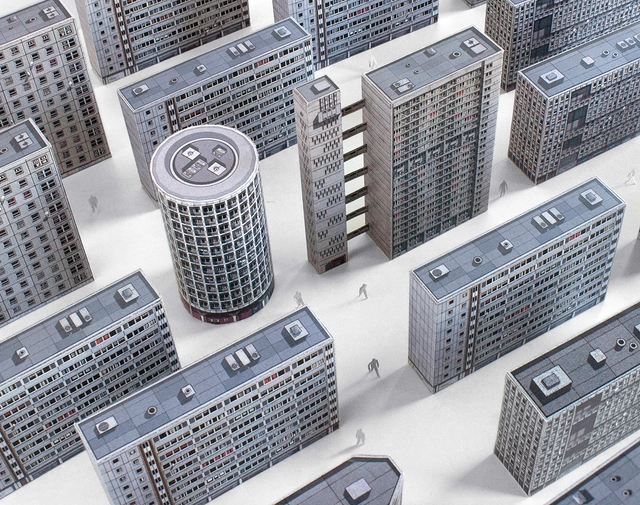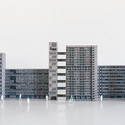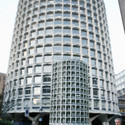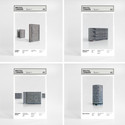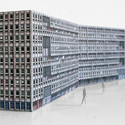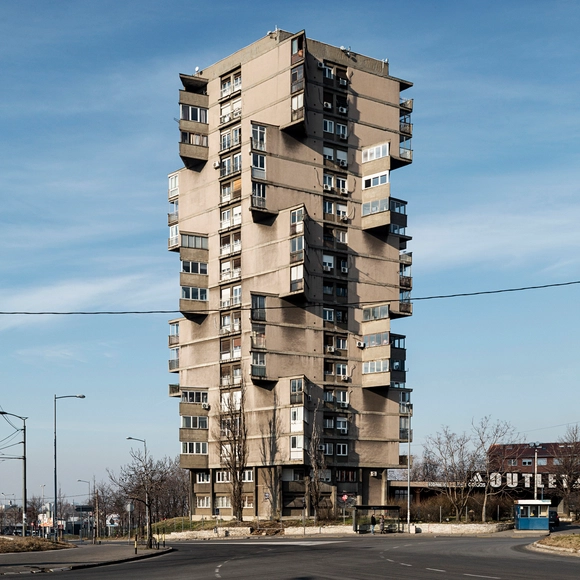
Sometimes sculptural and expressive, sometimes monolithic and monotonous, the Brutalist architectural style is equal parts diverse and divisive. From its origins as a by-product of the Modernism movement in the 1950s to today, Brutalist buildings, in architectural discourse, remain a popular point of discussion. A likely reason for this endurance is — with their raw concrete textures and dramatic shadows, brutalist buildings commonly photograph really well.
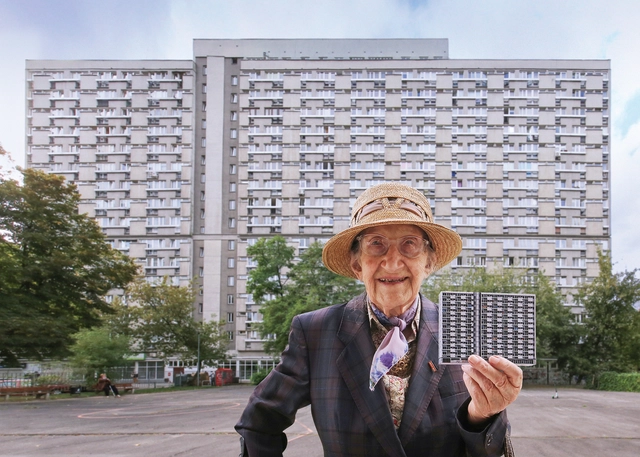
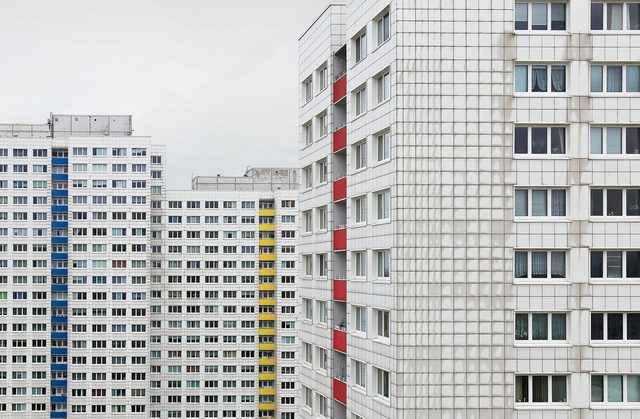
When cities grow, fuelled by an expanding population, housing becomes an essential component of the urban character of a metropolis. Across the world, housing experiments have been propagated by governments and states, with mixed results, and undoubtedly mixed opinions. The Soviet-era housing estates of Central and Eastern Europe are particularly interesting in that regard. These mass housing projects have been dismissed as eyesores and viewed as unimaginative monolithic structures. The legacy of these developments, however, is a lot more complicated than that.
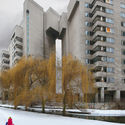
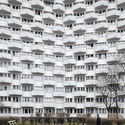
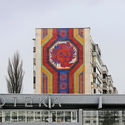
Recent years have prompted a rediscovery and a re-framing of some of the more controversial architectural phenomenons of the past century, with Brutalist architecture coagulating significant interest through its sheer scale, powerful expression and purist forms. Brutalist architecture across the former Eastern Bloc is inextricably associated with the totalitarian regimes that marked the history of this part of Europe during the last half of the 20th century. Following in line with the architecture of the Eastern Bloc, Poland’s urban landscape is dotted with large-scale prefab housing estates and stark brutalist public buildings constructed during the country’s Communist rule.
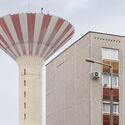
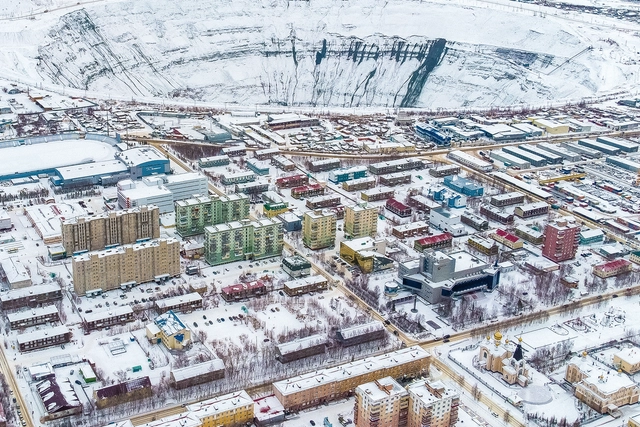
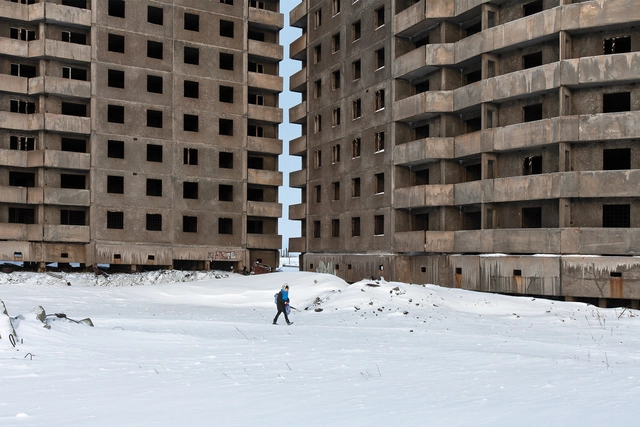
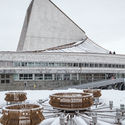
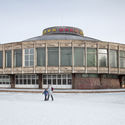
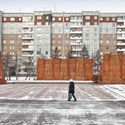
Over the past few years, a series of exhibitions and monographs have prompted a rediscovery of socialist modernism, its powerful expression and exoticism stirring significant interest. The recently published photo book Concrete Siberia. Soviet Landscapes of the Far North by Zupagrafika casts a new light on this relatively unexplored chapter of architecture history by showcasing the Soviet architecture of Siberia's major cities while providing an insight into a little-known landscape. The book presents the architecture and urban environment of six Siberian cities: Novosibirsk, Omsk, Krasnoyarsk, Norilsk, Irkutsk and Yakutsk, through the lens of Russian photographer Alexander Veryovkin, bringing about a new-found perspective on post-war architecture.
Post World War II, Brutalism found its way across Europe, redefining modernist architecture and establishing a new style for mass housing and communal buildings. Although most of the light was shed on concrete landmarks in major cities, European suburbs have also housed many exceptional brutalist buildings such as the 'Hammer-shaped Tower Blocks' or the 'Houses on Chicken Legs'.
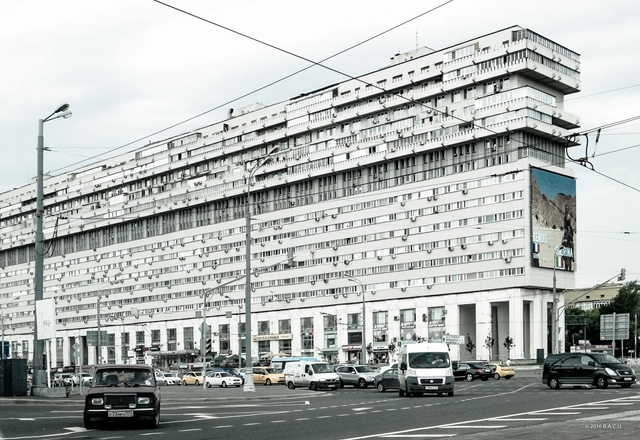
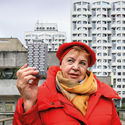
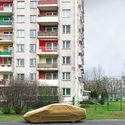
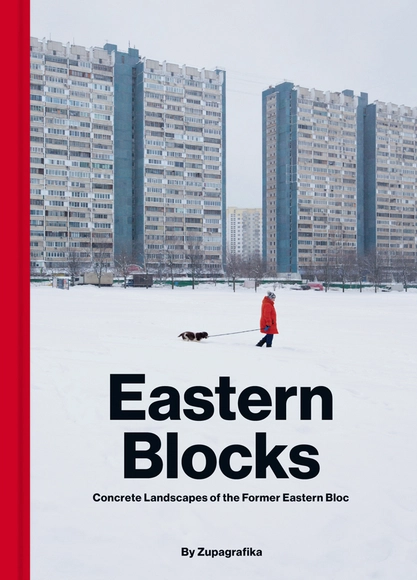
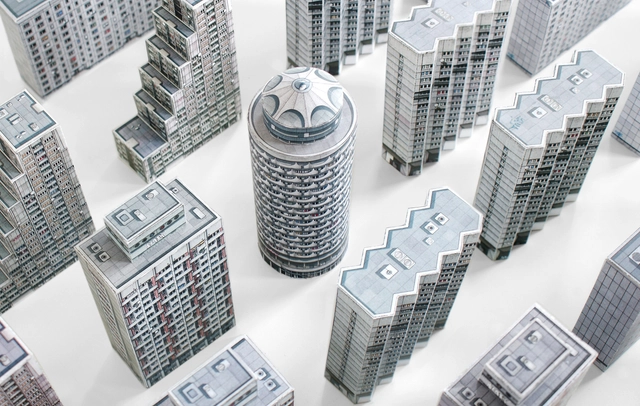
‘Sleeping districts’ of Moscow, Plattenbauten of East Berlin, modernist estates of Warsaw, Kyiv`s Brezhnevki: although these are home to the vast majority of city dwellers, post-war suburbs of central and eastern Europe have been invisible for decades.
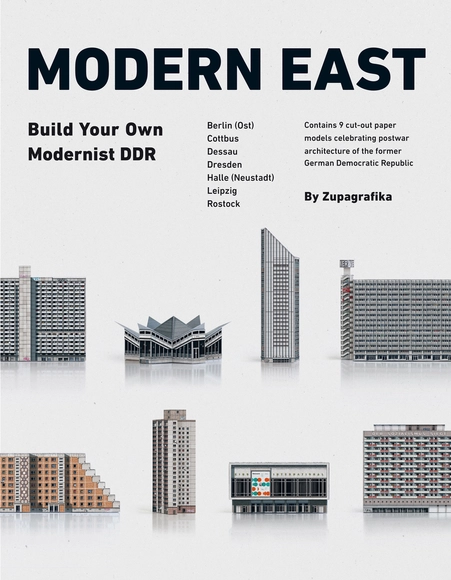
Omnipresent plattenbau housing estates, monumental hochhäuser, cosmic milk bars; the post-war East Germany was rebuilt on concrete foundations to stand for the new modernity and shape the unique and no less controversial urban landscape of German Democratic Republic.
MODERN EAST: Build Your Own Modernist DDR is the new book by Zupagrafika celebrating socialist modernist and brutalist architecture of the former East Germany and allows you to playfully reconstruct some of the most intriguing edifices erected between early 1950s and late 1980s - from the massive plattenbauten of Rostock, through the icons of DDR-Moderne, like Kino International or Haus des Berliner
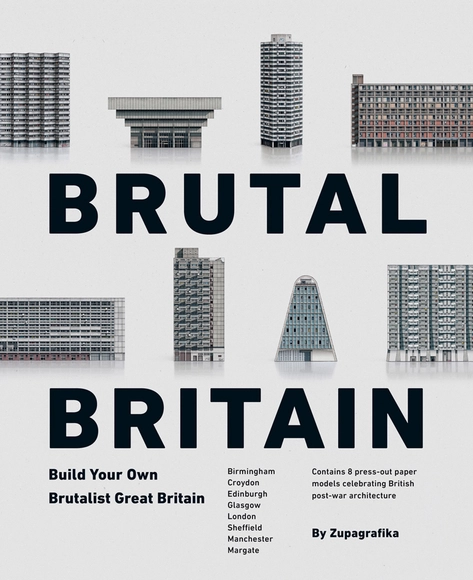
High-rise tower blocks, prefab panel housing estates, streets in the sky, new towns; some of the concrete constructions that once shaped the cityscapes of post-war Britain have stood the test of time, while others are long gone.
‘Brutal Britain’ by Zupagrafika (also author of ‘Brutal London’) celebrates the brutalist architecture of the British Isles, inviting readers to explore the Modern past of Great Britain and rebuild some of its most intriguing post-war edifices, from the iconic slabs of Sheffield`s Park Hill and experimental tower blocks at Cotton Gardens in London, to the demolished Birmingham Central Library.
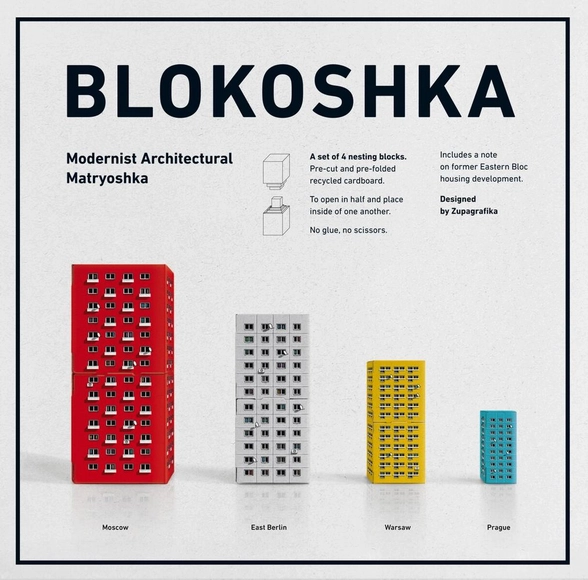
BLOKOSHKA. Modernist Architectural Matryoshka by Zupagrafika
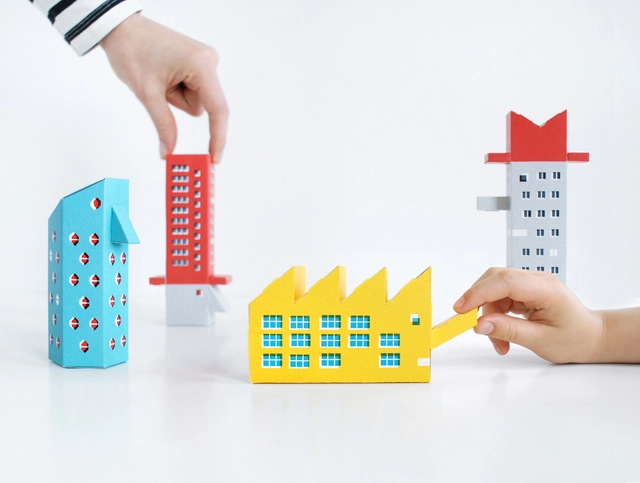
Inspired by the former Eastern Bloc concrete modernist estates, "BLOKOSHKA: Modernist Architectural Matryoshka", is a playful tour inside out the "sleeping districts" of Moscow, plattenbau constructions of East Berlin, Warsaw estates built over the ruins of old ghetto, and the panelak blocks in Prague. The Modernist Architectural Matryoshka is a set of 4 pre-cut and pre-folded nesting blocks to open in half and place inside of one another. Includes a note on Eastern European housing architecture. Includes a note on Eastern European housing architecture.
It was alongside the rise of the Soviet era when the Russian avant-garde movement started one of the most influential creative revolutions in the 20th Century. The Constructivists, forming part of this wave, rewrote the history of art, design and architecture, and their legacy still remains contemporary.
Zupagrafika, creators of make-your-own-paper-model sets of "brut-iful" architecture in London, Paris, Warsaw, and Katowice, have released their newest set, Brutal East.
The creators' selection captures the "certainly brutal" charm of the "functionalist panelák estates and otherworldly concrete grand designs" of the Eastern Bloc. With Brutal East you can build your own...
https://www.archdaily.com/805890/paper-models-of-the-most-controversial-buildings-erected-behind-the-iron-curtainAD Editorial Team
Following “Brutal London,” Zupagrafika has released another collection of illustrated paper cut-out models, “Paris Brut," which portrays the Brutalist architecture of Paris from the late-’50s through the 1970s. The set features buildings from the city’s arrondissements and banlieues, the latter of which became a central locality for Habitation à Loyer Modéré, a type of public-private, rent-controlled housing in France.
Paris Brut is made up of six illustrated models to assemble: Orgues de Flandre, Les Choux de Créteil, Cité Curial-Michelet, Cité des 4000, Centre National de la Danse and Plan Voisin interpretation. The whole set is eco-friendly (printed on recycled paper and cardboard), and includes a short technical note on each building’s architect, year of construction, and exact location.
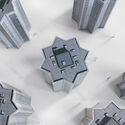
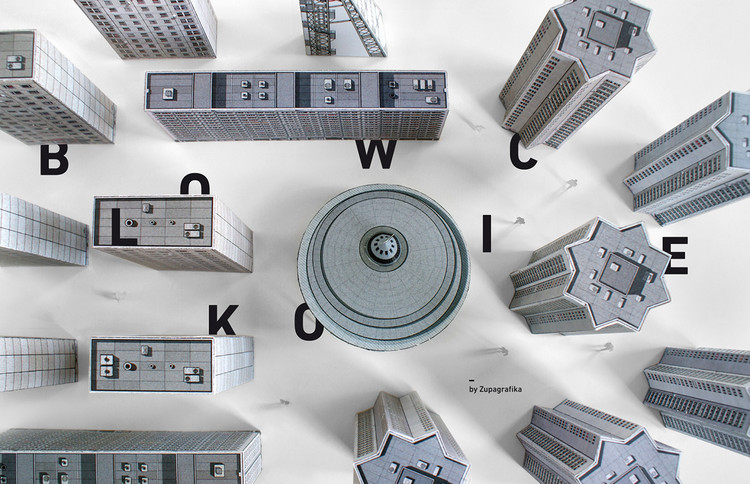
Inspired by the architecture of the Upper Silesian Industrial Region, Blokowice features modernist and brutalist buildings from the 1960-80s. The collection includes the Spodek and Superjednostka, two iconic buildings from the city center, Osiedle Gwiazdy, a characteristic star-shaped estate, Osiedle Odrodzenia, prefabricated panel blocks from the outskirts of the city, and the controversial Katowice railway station building that was demolished in 2011.
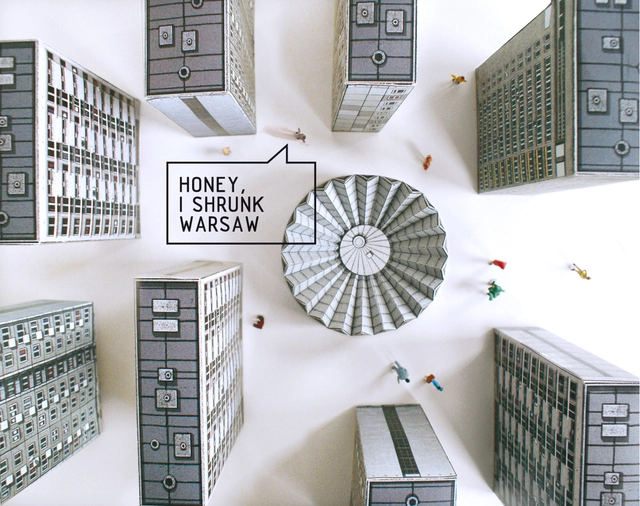
In the spirit of their popular London series, Polish studio Zupagrafika has designed another set of paper cut-out models, entitled "Eastern Block." The series highlights Warsaw'smodernist architecture, ranging from the quintessentially functional (Rotunda PKO) to regionally recognized works (Za Żelazną Bramą, Smolna 8, Mokotów) and a prefabricated block on the city's outskirts (Tarchomin).
Polish studio Zupagrafika has released a collection of five paper cut-out models representing London’s brutalist architecture from 1960s and 70s. Scattered around the districts of Camden, Southwark and Tower Hamlet, the “raw concrete (paper) tour begins with iconic tower blocks (Balfron Tower and Space House), leads through council estates doomed to premature demolition (Robin Hood Gardens and Aylesbury Estate) and concludes with a classic prefab panel block (Ledbury Estate).”
The series, "Brutal London" is Zupagrafika’s unique way of cataloging London’s modernist architecture at risk of demolition.