

Vienna: The Latest Architecture and News
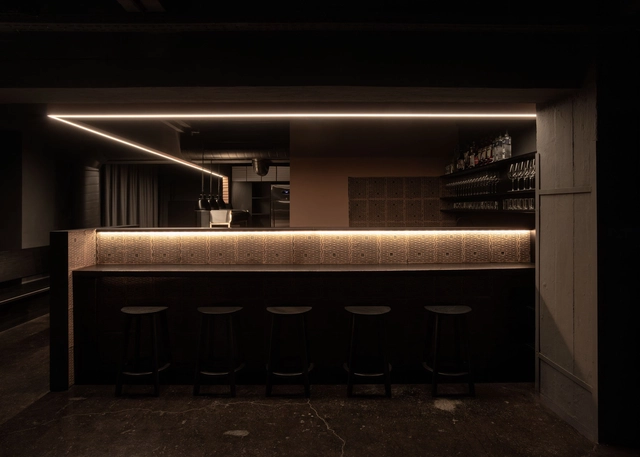
Pizzeria 22k / destilat


https://www.archdaily.com/1017229/pizzeria-22k-destilatPaula Pintos
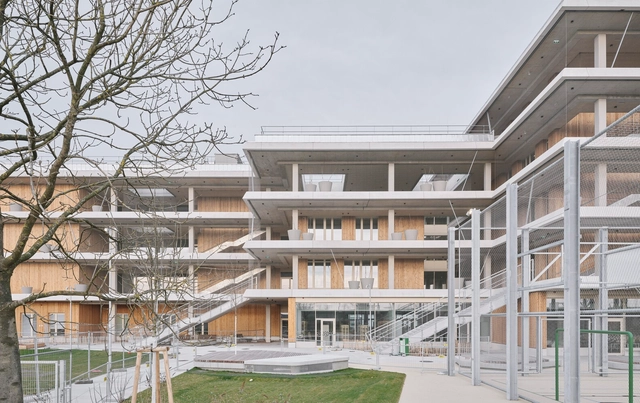
Primary and Secondary School Leopold Kohr-Straße / Franz&Sue


-
Architects: Franz&Sue
- Area: 11551 m²
- Year: 2023
-
Professionals: Petz ZT GmbH, IBO, Zencon, EGKK, Hoyer Brandschutz, +1
https://www.archdaily.com/1017026/primary-and-secondary-school-leopold-kohr-strasse-franz-and-sueAnna Dumitru
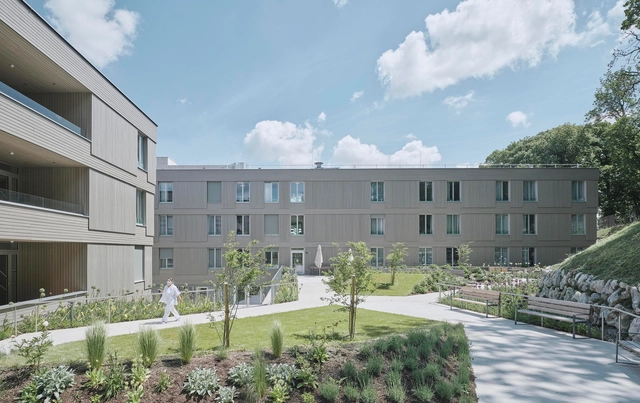
Retirement Home of the Franciscan Sisters in Vienna / Schenker Salvi Weber Architekten


-
Architects: Schenker Salvi Weber Architekten
- Area: 10800 m²
- Year: 2020
https://www.archdaily.com/1017023/retirement-home-of-the-franciscan-sisters-in-vienna-schenker-salvi-weber-architektenAnna Dumitru
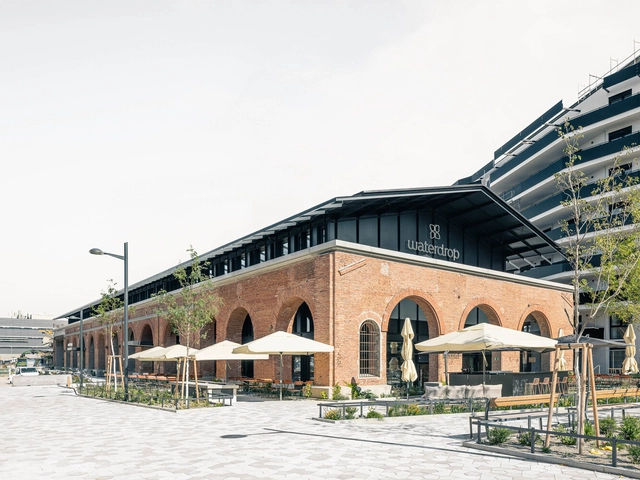
GOH Conversion Gösserhalle / AllesWirdGut Architektur




-
Architects: AllesWirdGut Architektur
- Area: 5 m²
- Year: 2023
https://www.archdaily.com/1016174/goh-conversion-gosserhalle-alleswirdgut-architekturAnna Dumitru
Social Housing in America: Architects Must Answer the Call
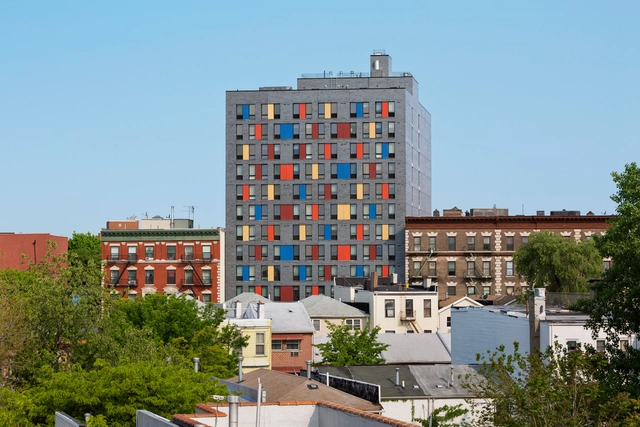
This article was originally published on Common Edge.
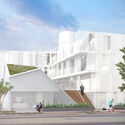
If you follow housing policy in America, you may have noticed a particular term cropping up a lot recently: social housing. Maybe you’ve read a longform academic article, live in a city that is codifying a social-housing policy like Seattle or Atlanta, or seen one of the recent mentions in The New York Times, highlighting U.S. and Viennese success stories. On the design front, Dezeen is running a social-housing revival series.



https://www.archdaily.com/1014538/social-housing-in-america-architects-must-answer-the-callBryan Alcorn
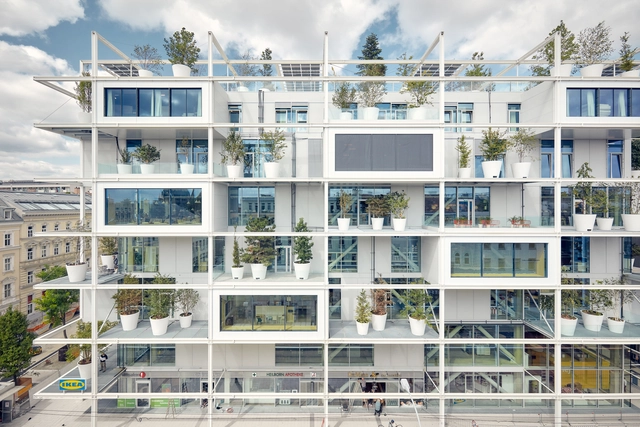
IKEA Store / Querkraft




-
Architects: Querkraft
- Area: 29480 m²
- Year: 2022
-
Manufacturers: Jansen
-
Professionals: Ingenieurbüro P. Jung, Kräftner Landschaftsarchitektur, Green4Cities, Thomas Lorenz ZT GmbH, RHM GmbH, +3
https://www.archdaily.com/994156/ikea-store-querkraftPaula Pintos
Vienna's Architectural Evolution: 21 Landmarks Spanning Baroque, Secession, and Contemporary Styles
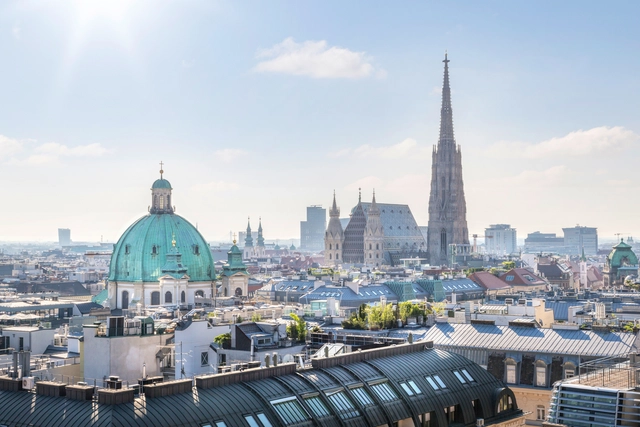
Often referred to as the “City of Music,” Vienna stands as a living testament to architectural evolution across centuries. Bring together an array of styles, ranging from the grandeur of Baroque palaces to the innovative Art Nouveau designs and the Vienna Secession movement, visitors are drawn to the city for its architectural marvels. Vienna's eventful past is reflected in its architectural landscape, which has withstood wars, imperial expansions, and the changes of numerous artistic trends while managing to maintain its unique identity as a symbol of resilience and reinvention.
From Adolf Loos, whose radical ideas challenged the trends of his time, to Otto Wagner, a pioneer of Viennese Modernism, Vienna's architectural legacy continued to evolve. Fast-forwarding to contemporary times, Vienna's skyline bears the mark of internationally renowned architects like Zaha Hadid, whose fluid and futuristic designs push the boundaries of architecture. Hadid's work, including the Library and Learning Center at the University of Economics and Business, offers a dynamic contrast to the city's historic landscape. Moreover, firms like CRAB Studio, founded by Sir Peter Cook and Gavin Robotham, bring experimentalism to Vienna's architecture, infusing contemporary concepts into the urban fabric. These architects and firms contribute to Vienna's architectural richness, adding new chapters to its storied history while honoring its innovation and artistic legacy.


https://www.archdaily.com/1010251/viennas-architectural-evolution-21-landmarks-spanning-baroque-secession-and-contemporary-stylesNour Fakharany
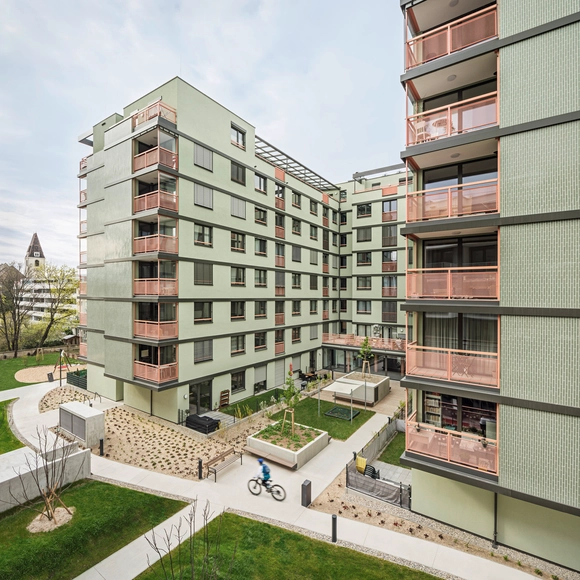
Housing for Single Parents / Clemens Kirsch Architektur

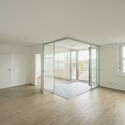

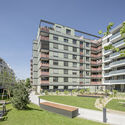

-
Architects: Clemens Kirsch Architektur
- Area: 7100 m²
- Year: 2022
-
Manufacturers: Sto
https://www.archdaily.com/1008354/housing-for-single-parents-clemens-kirsch-architekturPilar Caballero
Villa Minimale / Clemens Kirsch Architektur
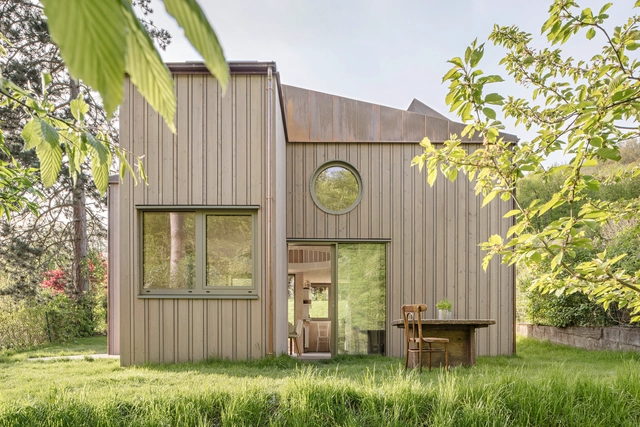

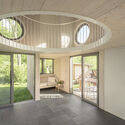
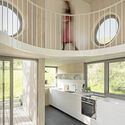
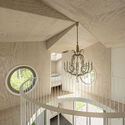

https://www.archdaily.com/1008352/villa-minimale-clemens-kirsch-architekturPilar Caballero
Protest Architecture: DAM's Latest Exhibition Explores the Role of Architecture in Activist Movements

In terms of activism, disruption is a necessary element of effective protest. When acts of disruption spill into the public domain, they carve out spaces through blockades, defenses, and territorial claims, giving rise to ‘protest architecture.’ This concept is the focus of the exhibition organized by DAM – Deutsches Architekturmuseum and the MAK – Museum für Angewandte Kunst in Vienna. Titled “Protest/Architecture. Barricades, Camps, Superglue,” the event showcases a collection of models, photographs, and films depicting the evolution of protest architecture around the world. The exhibition, curated by Oliver Elser with curatorial assistance and research by Anna-Maria Mayerhofer, is open from September 16, 2023, until January 14, 2024, at the DAM OSTEND in Frankfurt.





https://www.archdaily.com/1008102/protest-architecture-dams-latest-exhibition-explores-the-role-of-architecture-in-activist-movementsMaria-Cristina Florian
House Schmitten / Steiner Architecture
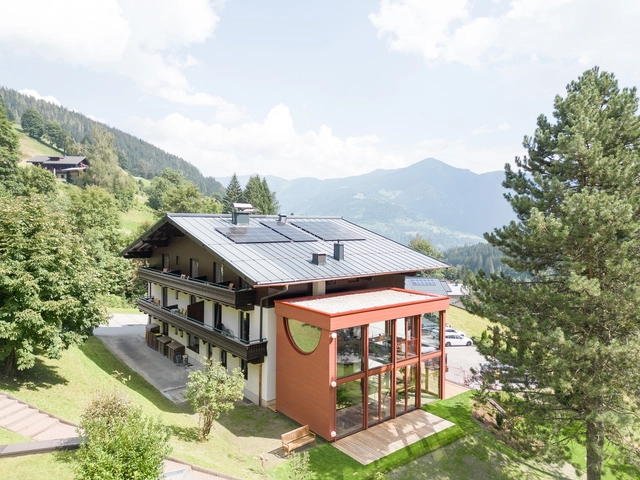





-
Architects: Steiner Architecture
- Area: 120 m²
- Year: 2023
-
Manufacturers: Artemide, Holzbau Lindner , Prehal Möbel, Sommerer
-
Professionals: Quercraft GmbH, Herzog Bau Gmbh, Lautner Bauconsulting GmbH
https://www.archdaily.com/1007996/house-schmitten-steiner-architecturePaula Pintos
A High-Tech Padel Tennis Court in Italy and Timber-Clad Multi-Sports Arena in Austria: 9 Unbuilt Sports Facilities Submitted by the ArchDaily Community
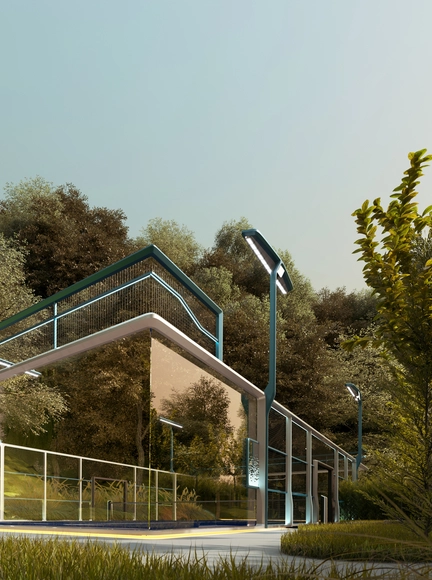
Sporting facilities can play a vital role in the lives of cities by providing multifunctional public spaces where the people can join in large-scale events providing entertainment and spectacle while also promoting well-being and enhancing community engagement. Additionally, well-designed sporting arenas can become icons for a city, creating a sense of pride and identity and attracting visitors and residents. One such example is the Grand Slam tennis tournaments, which take over cities like Paris, London or New York, attracting fans from all around the world. The Philippe Chatrier and greenhouse transformed into the Simonne-Mathieu Tennis Court in Paris have become architectural landmarks, serving as catalysts for urban development and cultural exchange.
Other small-scale venues also play a role in the lives of communities, acting as gathering places for people with shared interests, fostering a sense of belonging and contributing to the overall health of the neighborhoods. This week's curated selection of Best Unbuilt Architecture highlights projects submitted by the ArchDaily community that showcase both large and small scale sporting venues. From a ‘box in a box’ basketball pavilion in Greece, to a translucent multi-sports arena in El Salvador or a dune-line arena in Morocco, this selection features projects that encourage and celebrate movement, athleticism and fair play competition.


https://www.archdaily.com/1003768/a-high-tech-padel-tennis-court-in-italy-and-timber-clad-multi-sports-arena-in-austria-9-unbuilt-sports-facilities-submitted-by-the-archdaily-communityMaria-Cristina Florian
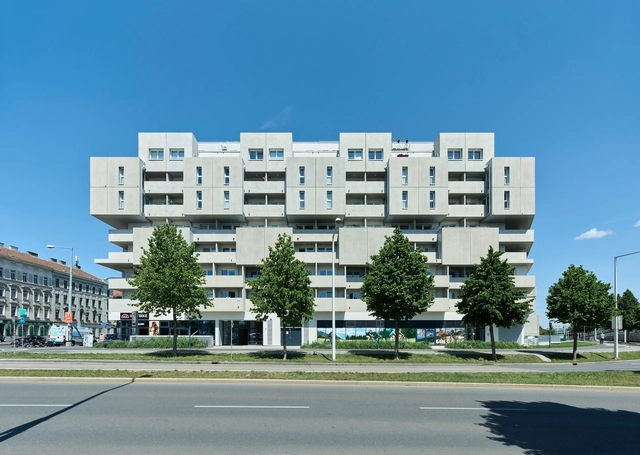
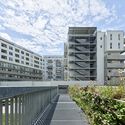
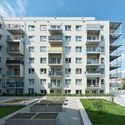
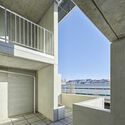
Florasdorfer Spitz Building / Freimüller Söllinger Architektur + Studio Vlay Streeruwitz


-
Architects: Freimüller Söllinger Architektur, Studio Vlay Streeruwitz
- Area: 25110 m²
- Year: 2022
-
Manufacturers: Swisspearl, Felbermayer Fenster GmbH, Rauter Concrete Solutions
-
Professionals: Carla Lo Landschaftsarchitektur, NASt, con.sens
https://www.archdaily.com/1003578/florasdorfer-spitz-building-freimuller-sollinger-architektur-plus-studio-vlay-streeruwitzHadir Al Koshta
How Can Kinetic Architecture Enhance Public Space?
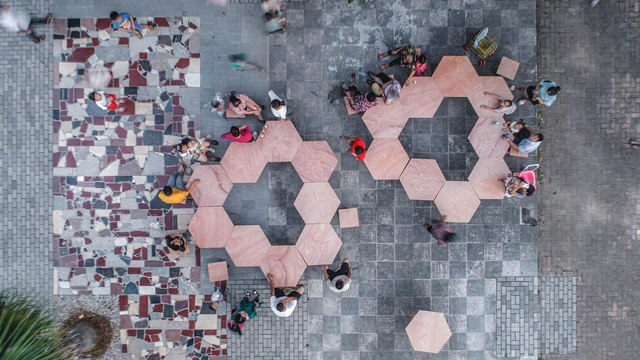
Advancements in technology have paved the way for a revolutionary approach to architecture, one that involves responsiveness and movement. This concept called "kinetic architecture" allows buildings to dynamically adapt to their ever-changing surroundings. As of today, kinetic principles are commonly applied to enhance the environmental sustainability of buildings, especially through facades. However, kinetic architecture has the potential to impact the built environment in other facets as well. In public spaces, kinetic architecture holds immense promise, presenting opportunities to make them more accessible, inclusive, and user-friendly. Introducing kinetic elements into public spaces challenge long-held assumptions about architecture as a passive arrangement, ushering in a new era of interactive and engaging urban environments.


https://www.archdaily.com/1003367/how-can-kinetic-architecture-enhance-public-spaceAnkitha Gattupalli
World's Most Liveable Cities in 2023: Discover the Cities Offering the Highest Quality of Life
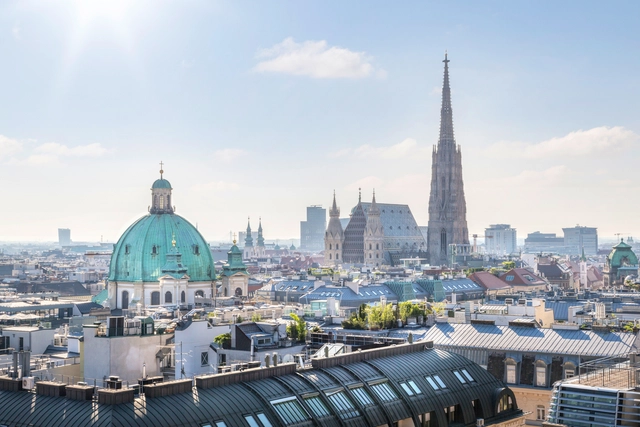
For the second consecutive year, Vienna is the world’s most liveable city according to The Economist Intelligence Unit (EIU) 2023 Global Liveability Index. Topping the ranking for the fourth time in five years, Vienna has excelled in stability, culture and entertainment, and reliable infrastructure. Copenhagen in Denmark maintained its second position while Melbourne and Sydney came in third and fourth position, rising to the top 5 where they previously had a consistent presence among the leading positions, before the pandemic.
Under the titles of Optimism and Instability, this year’s global index score has returned to pre-Covid-19 days, highlighting that the world has fully recovered from the pandemic. Ranking living conditions in 173 cities based on stability, health care, culture and environment, education, and infrastructure, the survey suggests that nowadays, “life in cities is a bit better than at any time in the past 15 years”, although Stability scores dropped on average in 2023, due to worldwide clashes, political disruptions, social protests, inflation, and wars.


https://www.archdaily.com/1003040/worlds-most-liveable-cities-in-2023-discover-the-cities-offering-the-highest-quality-of-lifeChristele Harrouk
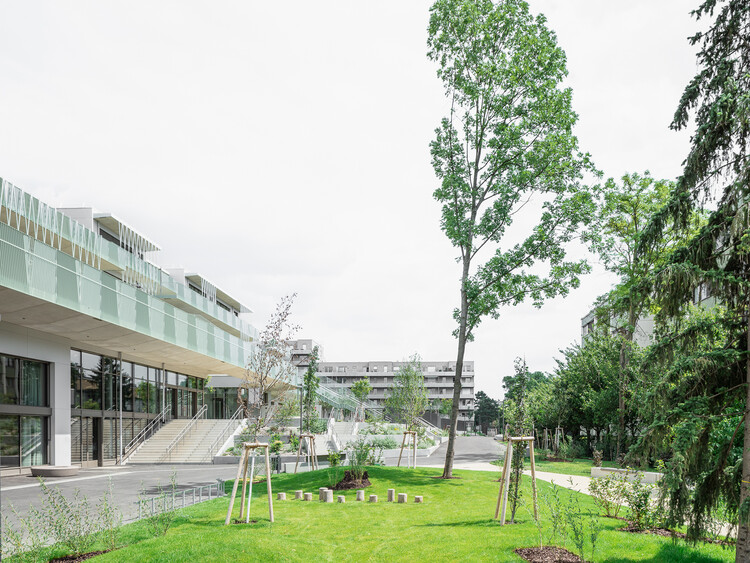
School Campus DOS / SHIBUKAWA EDER Architects



-
Architects: SHIBUKAWA EDER Architects
- Area: 17000 m²
- Year: 2022
https://www.archdaily.com/1002304/school-campus-dos-shibukawa-eder-architectsHadir Al Koshta
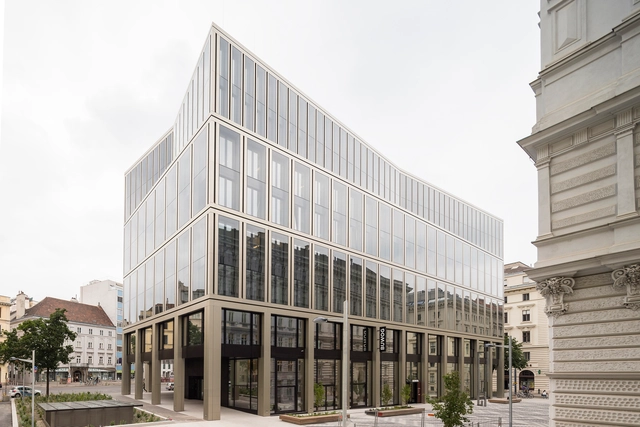
Office Building Rathausstraße 1 / Schuberth und Schuberth + Stadler Prenn + Ostertag


-
Architects: Ostertag, Schuberth und Schuberth, Stadler Prenn
- Area: 12000 m²
- Year: 2020
-
Manufacturers: Apavisa, Fritz Hansen, Hansgrohe, Laufen, Atlas Schindler, +14
https://www.archdaily.com/959487/office-building-rathausstrasse-1-schuberth-und-schuberth-plus-stadler-prenn-plus-ostertagPilar Caballero
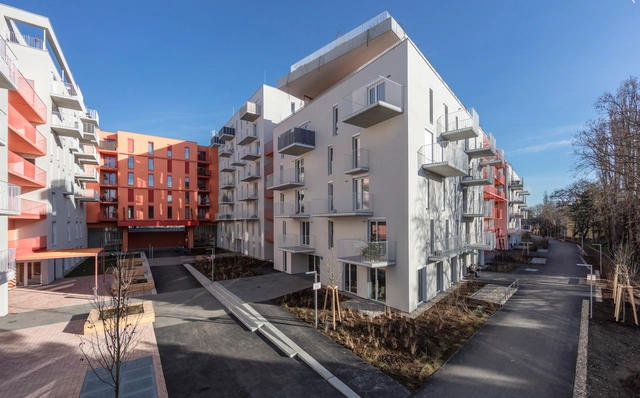
Wientalterrassen Residential Quarter / Berger Parkkinen + Architects + Christoph Lechner & Partner


-
Architects: Berger Parkkinen + Architects, Christoph Lechner & Partner
- Area: 30000 m²
- Year: 2022
https://www.archdaily.com/1001357/wientalterrassen-residential-quarter-berger-plus-parkkinen-architektenPaula Pintos