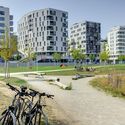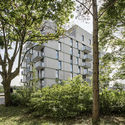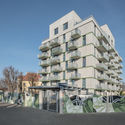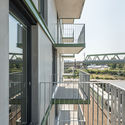


-
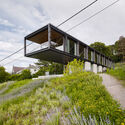
Architects: studio urbanek
- Area: 59 m²
- Year: 2021


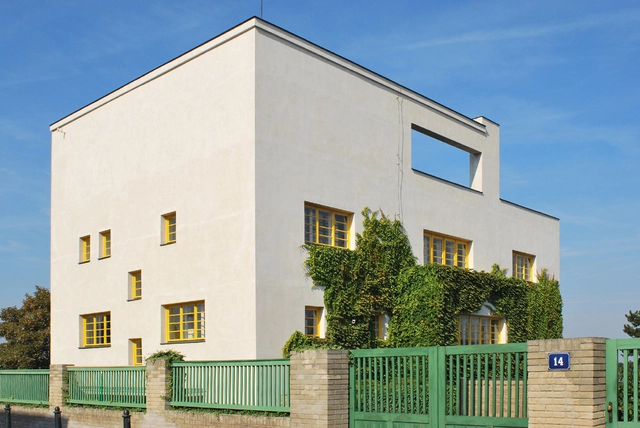
Throughout history, architectural styles, have experienced numerous movements throughout time, giving us various expressions of interior and exterior spaces. These movements are often created out of dissatisfaction with the status quo, shifts in religious ideologies, or the emergence of new building technology. Perhaps one of the most famous instances in history was the precedent set by Adolf Loos and his desire to break away from Viennese tradition with his strong dissent of ornament in architecture in favor of simplicity, and his literary discourse that lay the cornerstone for the modernist movement in architecture.

This article was originally published on Common Edge.
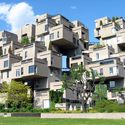
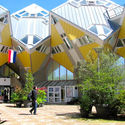
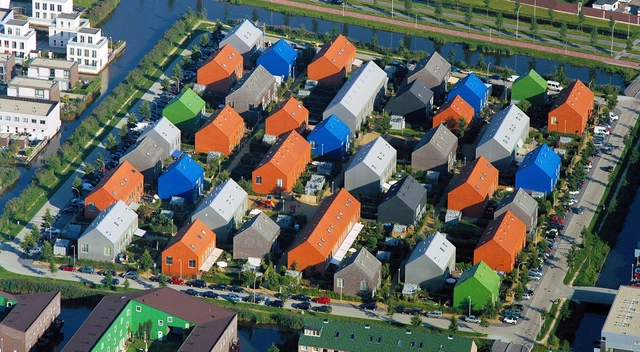
In this week's reprint, author Walter Jaegerhaus explores the U.S. housing challenge, drawing a timeline of the evolution of different architectural solutions, from around the world. Seeking to "inspire designers today to create new housing options", and hoping "that the U.S can again embrace its experimental origins and try out new ideas and methods", the article highlights examples from Europe and the Americas.


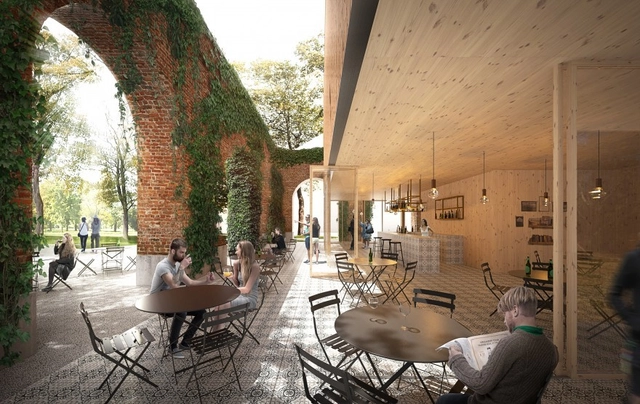
AllesWirdGut has won the competition to redesign the historic Gösserhallen in Vienna's 10th district. The new approach aims to handle the existing structure with care, a concept that revives the industrial property with contemporary elements. Preserving the outer walls while introducing interiors for different uses, the team designed an "in-between" space that creates a new environment within the project.
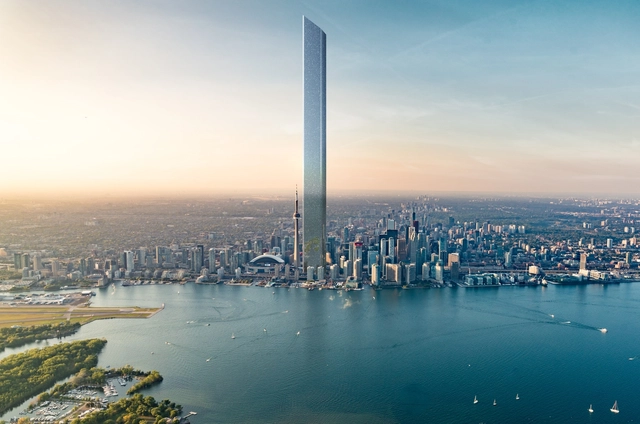
Scale dramatically shapes how we experience architecture and the built environment. Whether looking at buildings by volume, square area or height, the larger a project gets, the greater our perception changes. Monumental projects tell incredible stories of spatial experience, programming and design. Towering above us and around us, these large-scale works become landmarks in rural and urban contexts.
This week’s curated selection of the Best Unbuilt Architecture focuses on large-scale architecture located around the world. Drawn from an array of firms and local contexts, they represent proposals submitted by our readers. They showcase a wide array of approaches to designing at larger and larger scales, from an expansive arena in Vienna and a lush memorial in Singapore to the world's tallest tower designed to draw attention to poverty in Toronto.
Europe in the 1960s was an incubator for emerging provocative architecture radicals who defied traditional architecture dogma in favor of counterculture that transcended time and space. Coop Himmelb(l)au, a Vienna-based faction of this movement, questioned the clean lines, rigidity, and literal nature of modernist architects of the time. While the firm is known for their rebellious spirit and aggressive forms that are generated through state-of-the-art 3D software and technologies, it’s important to acknowledge the work that the firm did shortly after their inception in 1968, and how their early oeuvre still relentlessly breaks the status quo of modern-day practice and academic discourse.
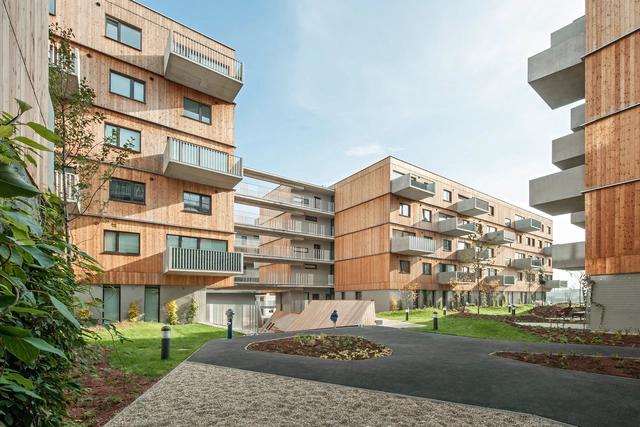

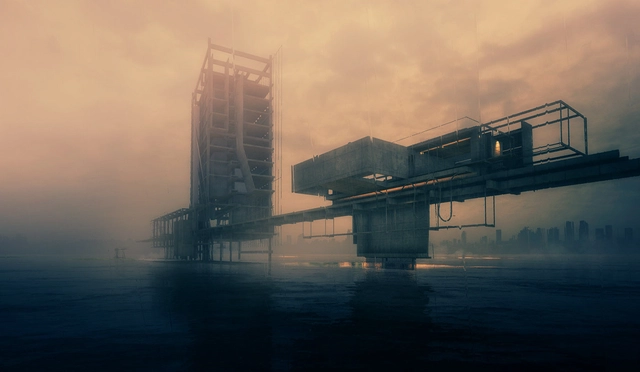
Architecture is defined by stories. Told through diverse mediums, these narratives shape how we understand our built environment. At the same time, drawings and visualizations can be architecture in their own right, a way of discovering what we see or what could be. For Vienna-based urbanist, architect and illustrator Alexander Daxböck, drawings are a way to imagine new futures together.


The COVID-19 pandemic has presented the world with unprecedented challenges and is impacting our daily lives by restricting our personal movements radically. It almost goes without saying that this month has continued to see extraordinary, rapid and previously unthinkable
changes to public and private spaces. As the virus continues to spread, countries around the globe have ordered citizens to retreat to their homes – and stay there. Social distancing measures drastically scaled down our personal range of movement to our ‘own four walls’.