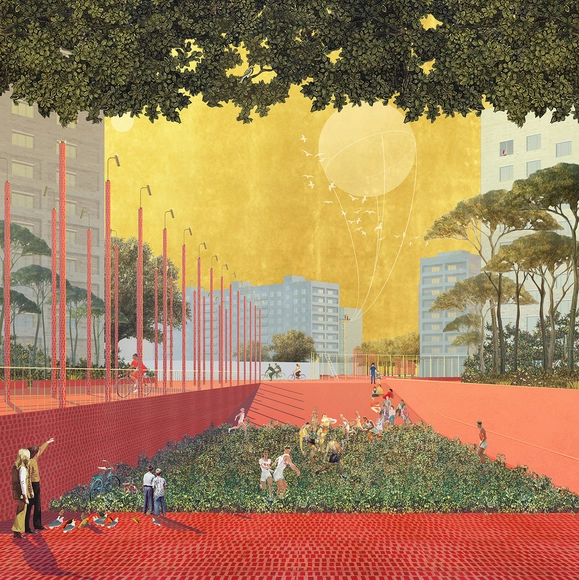
Amidst efforts to revitalize and improve urban centers, the peripheral areas of cities are often ignored or forgotten. The intense focus on the downtown core means, in terms of land use, that only a relatively small area receives the majority of designers’ attention. "Dvorulitsa" (literally "Yardstreet" in Russian) is an urban development strategy proposed by Russian architecture firm Meganom, aiming to shift that focus. Taking the idea of the “superpark” from the 2013 study, "Archaeology of the Periphery," the yardstreet project presents an alternative method of viewing the periphery of a post-soviet city.
How do designers think? How do they visually communicate complex ideas? What strategies do they employ to make a positive impact on the built environment? How does design change the way people see and experience the world?
https://www.archdaily.com/910758/design-your-summer-uc-berkeleys-college-of-environmental-design-is-now-accepting-applicationsSponsored Post
Transforming urban centers can be slow going when the process is rooted in community engagement. But within the next five to ten years, historically African-American neighborhoods in Charlotte and Greenville, North Carolina; Miami; Vancouver; and Los Angeles will experience major change, thanks to architect Zena Howard, who leads Perkins+Will’s cultural practice in North Carolina.
https://www.archdaily.com/912312/how-zena-howard-uses-design-to-help-cities-healJ. Michael Welton
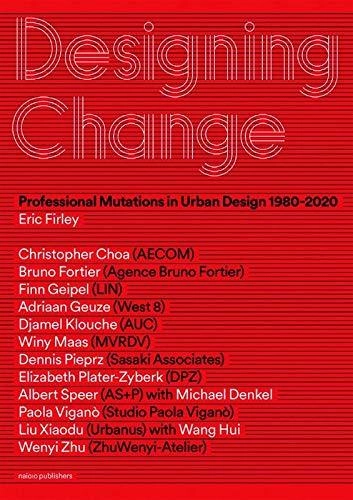
Over the timespan of just one generation the planet’s pace of urbanization has dramatically increased. Through these dynamics and its resulting environmental threats, new challenges have emerged that deeply question the validity of the post-war planning paradigms. Dominant ideologies have been replaced by a problem-solving attitude, increased economic pressure and an urgent quest for evidence. What impact does this have on the work of the urban designer and planner, and how can the profession prepare for the future?
Designing Change tries to answer these and many other questions through in-depth conversations with 12 leading practitioners in the field. Conceived as an
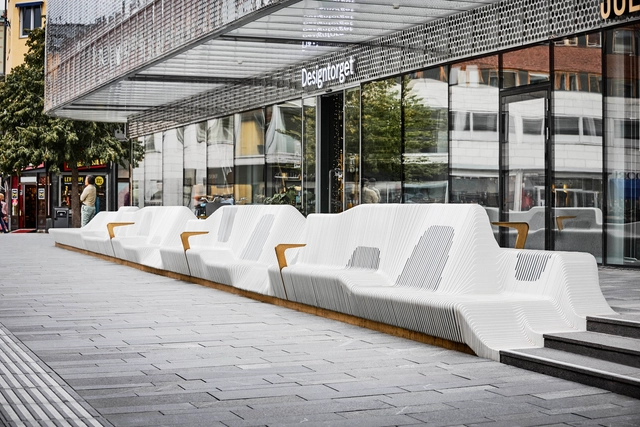
Design practice White Arkitekter has created a 65 meter-long ‘sofa’ for Forumtorget Square in Uppsala, Sweden. Designed to provide space for rest and social interaction, the linear outdoor seating is the centerpiece of wider improvements to the large square. The project aims to attract more visitors to Forumtorget and its surrounding shopping area by building on the area’s character as a gathering place.
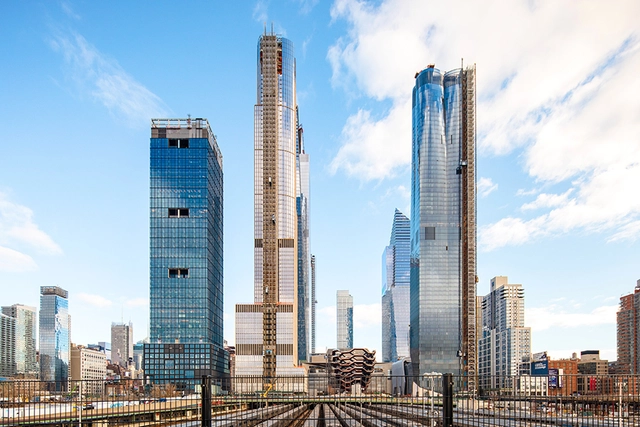
There’s something striking about the command center of America’s largest private real estate development, Hudson Yards, in that it’s actually pretty boring. The room—technically known as the Energy Control Center, or ECC for short—contains two long desks crammed with desktop computers, a few TV monitors plastered to the wall, and a corkboard lined with employee badges. The ceiling is paneled; the lighting, fluorescent. However, New York’s Hudson Yards was once billed as the country’s first “quantified community”: A network of sensors would collect data on air quality, noise levels, temperature, and pedestrian traffic. This would create a feedback loop for the developers, helping them monitor and improve quality of life. So where is the NASA-like mission control? Data collection and advanced infrastructure will still drive parts of Hudson Yards’ operations, but not (yet) as first advertised.
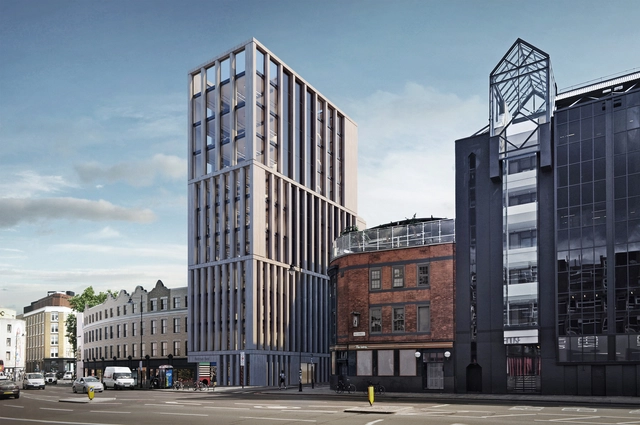
Douglas and King Architectsmaster plan to reinvigorate Shoreditch takes on a complex dual challenge. Broadly, there is the challenge at the core of any masterplanning project: creating a set of elements that flow together seamlessly with one another and their overall context. But more specifically, the project grapples with a tight triangular site and an already-lively urban context.
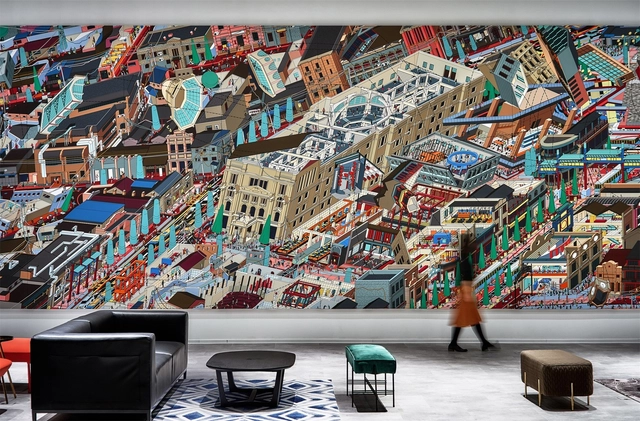
Artistic expression is often undisciplined. Sometimes, the riot of colors and explosion of lines and forms help unleash a 2D illustration out of its medium, which is precisely what Drawing Architecture Studio (DAS) managed to create in Ucommune’s new branch in Dajiang Hutong, Beijing.
In late 2018, Li Han, co-founder of Drawing Architecture Studio, won the 2018 Drawing Prize for her digital drawing of The Samsara of Building No.42 on Dirty Street, which also illustrates a visual narrative of the city of Beijing and its residential chronology throughout the 21st century. This year, DAS took Qianmen area, co-working brand Ucommune’s location as a subject, transforming its road network, architecture, and urban composition into a dynamic, meticulously detailed panorama titled Under the Zhengyangmen.
Architecture is powerful, and like nuclear energy, it all depends on how it is used. While it can create uninhabitable municipalities, it can also create safer cities that improve quality of life.
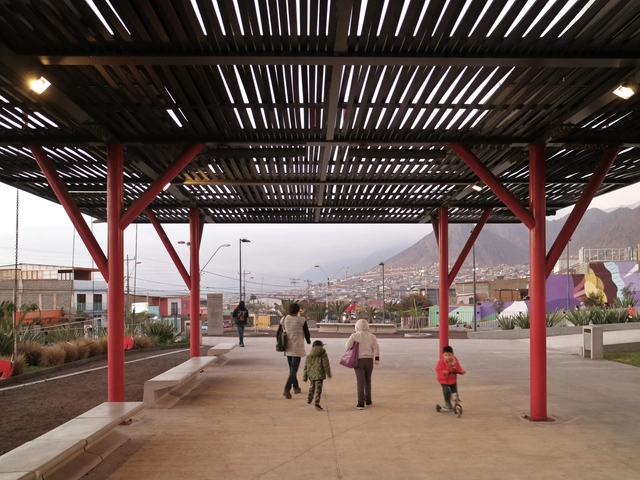
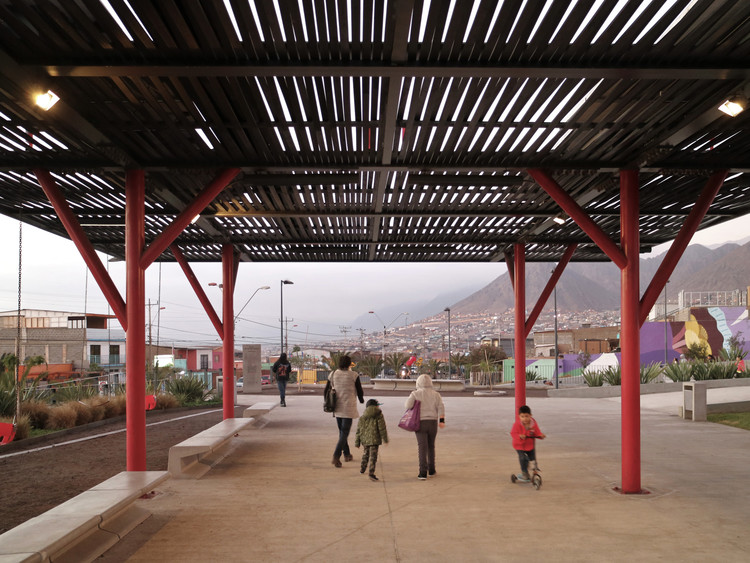
In various examples, urban design has provided a response to deteriorated or abandoned public spaces. It has shown that distribution and lighting are essential, but that it is also necessary to consider who will be using the space and how to make it an environment that generates community.
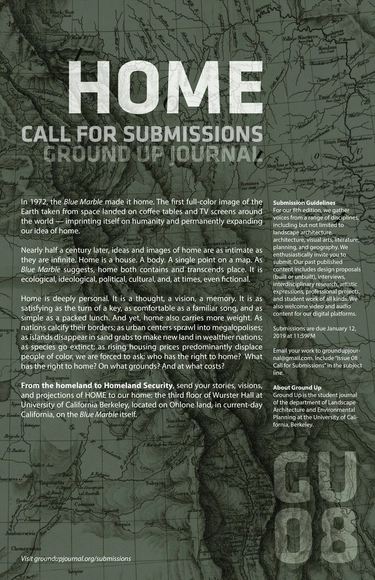
Ground Up, the journal of the Department of Landscape Architecture and Environmental Planning at UC Berkeley, Issue 08 seeks entries that address the idea of HOME.
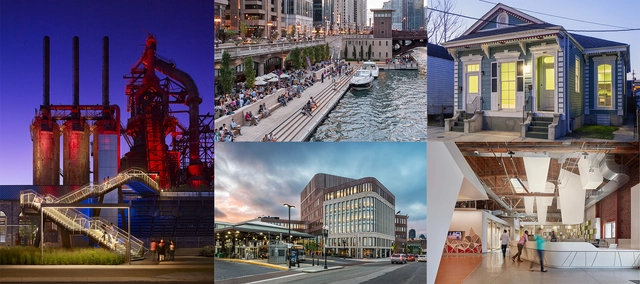
2017 Rudy Bruner Award Medalists (Photo Credits on RBA Website)
The Rudy Bruner Award for Urban Excellence (RBA) celebrates transformative urban places distinguished by their economic and social contributions to our nation’s cities. Winners offer creative placemaking solutions that transcend the boundaries between architecture, urban design and planning and showcase innovative thinking about American cities. One Gold Medal of $50,000 and four Silver Medals of $10,000 will be awarded.
Last week I wrote about the anti-urban legacy of architect and developer John Portman. I think it’s worth going into a bit more detail about these projects, since we seem to have learned so little from their failures.
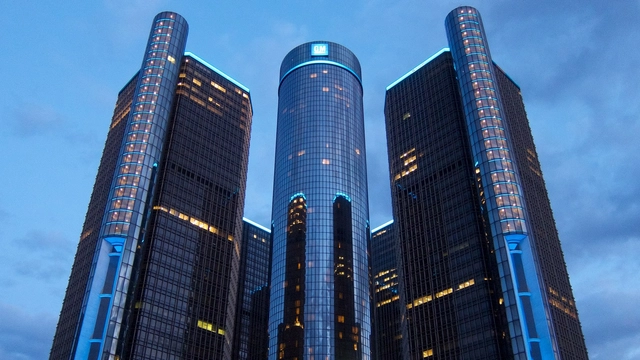
Let’s start with Detroit. The Renaissance Center was one of his largest and most celebrated projects. But this sprawling complex of seven-interconnected skyscrapers poses some difficult questions for urban planners today: can downtown Detroit ever fully recover from this mammoth and ill considered development? And, more importantly, why haven’t other cities learned from its clear and stark lessons?
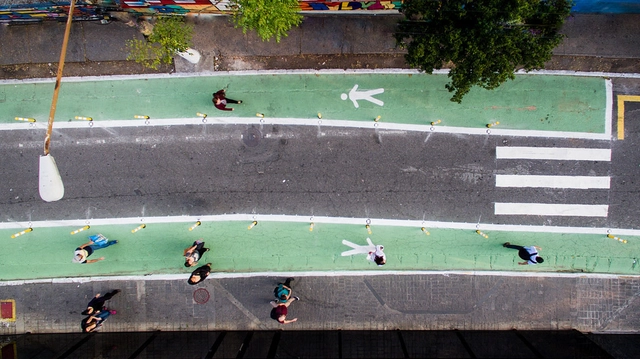
Joel Carlos Borges Street, in São Paulo, was transformed overnight to improve road safety, including enlarging the pedestrian area.
In 2015, the world community pledged to decrease half the number of deaths and grave injuries caused by traffic accidents by 2020. However, more than 3,200 deaths caused by collisions occur every day, and with the growing number of vehicles, that number can triple by 2030.
https://www.archdaily.com/901685/from-china-to-colombia-5-cities-that-made-their-streets-safer-with-urban-designNikita Luke e Ben Welle
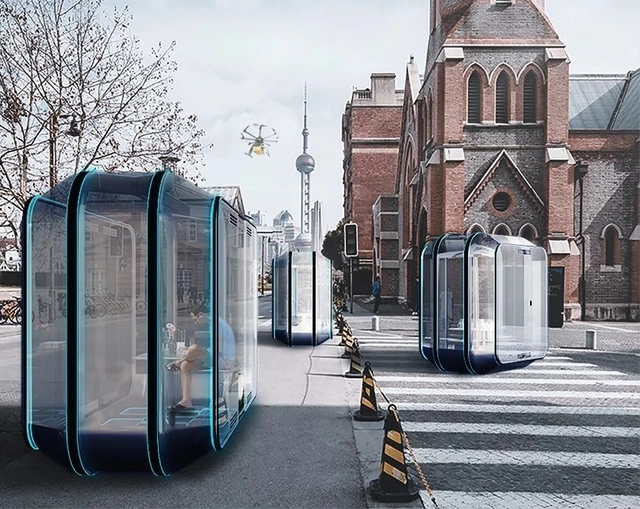
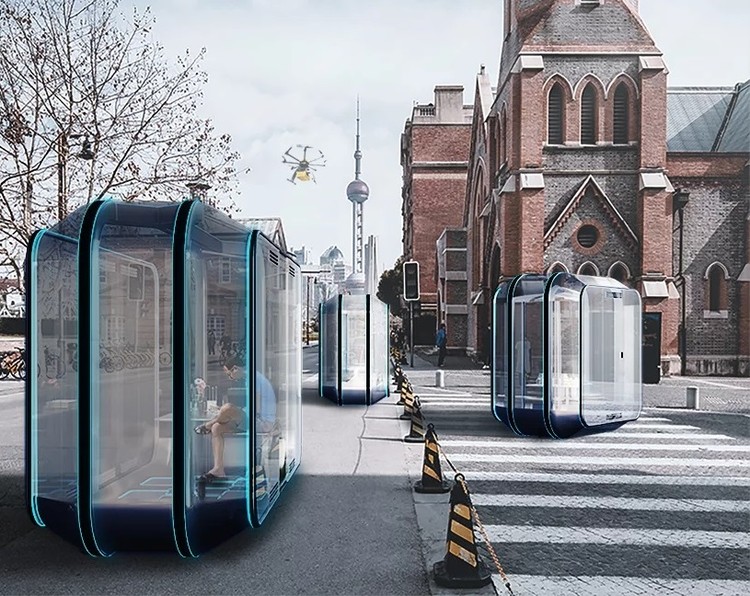
Florian Marquet, an architect based in Shanghai, recently released a proposal to rethink urban life through autonomous mobile living spaces. Dubbed 'the org’, his project aims to reconsider the housing market's status quo and provide a more balanced model for urban living across ages. The modular system would respond to user needs with a range of programs, from green farming and kitchen units to flexible work areas and sleeping quarters. Made for easy fabrication, the units could be ordered instantly via an app.
What does the Parisian park look like? For many, the answer to that question comes in the form of a painting: Georges Seurat’s ASunday Afternoon on the Island of La Grande Jatte, in which the well-dressed bourgeoisie leisurely enjoy a natural oasis on a verdant island within their industrializing city.
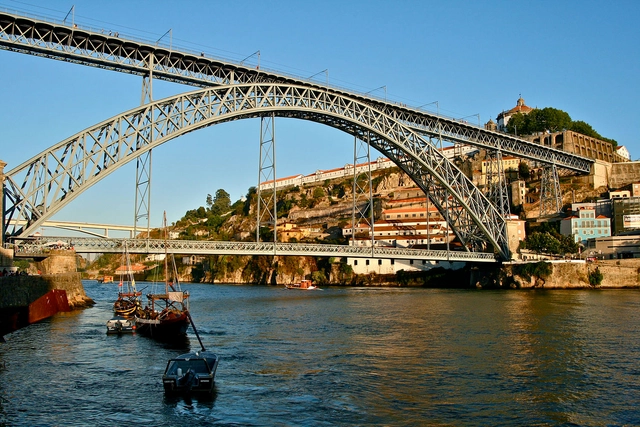
via Wikimedia. ImageDom Luis Bridge / Porto, Portugal
An unfortunate fact of the AEC (architecture, engineering, and construction) industry is that, between every stage of the process—from planning and design to construction and operations—critical data is lost.
The reality is, when you move data between phases of, say, the usable lifecycle of a bridge, you end up shuttling that data back and forth between software systems that recognize only their own data sets. The minute you translate that data, you reduce its richness and value. When a project stakeholder needs data from an earlier phase of the process, planners, designers, and engineers often have to manually re-create that information, resulting in unnecessary rework.









.jpg?1549309617&format=webp&width=640&height=580)














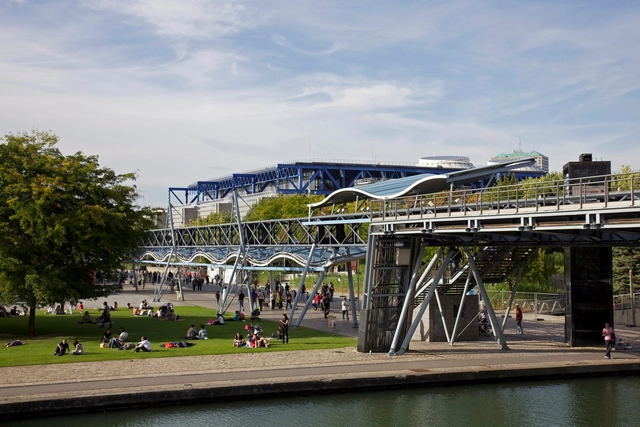

.jpg?1533397440 "© <a href='https://upload.wikimedia.org/wikipedia/commons/f/f6/Parc_de_La_Villette_%40_Paris_%2828926264776%29.jpg'> Creative Commons User Guilhem Vellut</a> licensed under <a href=’https://creativecommons.org/licenses/by/2.0/'>CC BY 2.0</a>")
.jpg?1533397475 "© <a href='https://upload.wikimedia.org/wikipedia/commons/d/d2/Folie_N8_%40_La_Villette_%40_Paris_%2833893431256%29.jpg'> Creative Commons User Guilhem Vellut</a> licensed under <a href=’https://creativecommons.org/licenses/by/2.0/'>CC BY 2.0</a>")
.jpg?1533397559 "© <a href='https://upload.wikimedia.org/wikipedia/commons/b/b4/Canal_%40_La_Villette_%40_Paris_%2833091237904%29.jpg'> Creative Commons User Guilhem Vellut</a> licensed under <a href=’https://creativecommons.org/licenses/by/2.0/'>CC BY 2.0</a>")