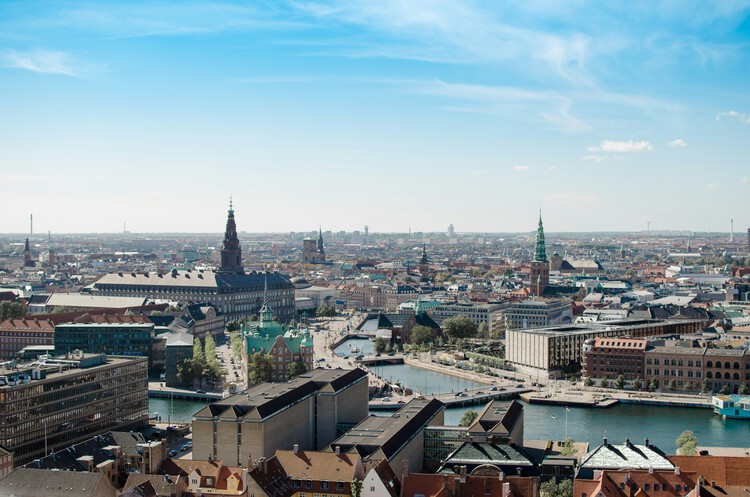
For most architecture enthusiasts, mentions of the city of Copenhagen will prompt images of pedestrian-friendly streets, suspended bike lanes, quaint water canals, and overall happy residents. The capital of Denmark has many accomplishments to boast: over 60 percent of its residents commute to work by bike, it was among the first cities to set up a strategic plan to achieve carbon neutrality, resulting in an 80% decrease since 2009, and it has become one of the most cited study cases for its urban planning and infrastructure. This reputation was officially cemented when UNESCO named Copenhagen the 2023 World Capital of Architecture, recognizing the city's enduring role as a laboratory for innovative contemporary design and people-centered urbanism. This September,the inaugural Copenhagen Architecture Biennial transforms the city into a global platform for dialogue under the theme "Slow Down," exploring how architecture can respond to global pressures by rethinking the pace of change. The occasion is also marked by the launch of ArchDaily's 5th edition of Next Practices Awards, solidifying the city's status as a nexus for contemporary architectural thought.
Exploring unbuilt architectural projects by established firms offers a glimpse into the forefront of design innovation and future-thinking concepts. In fact, studying up-and-coming projects provides an opportunity to get ahead of emerging trends and envision the future of the built environment, fostering dialogue around new ideas. With the looming climate crisis in a post-COVID world, this week’s selection of unbuilt projects submitted to the ArchDaily community showcases the scale of problem-solving through city-making and contextual spatial activations.
Whether it’s a vertical neighborhood in Kunming, a life science facility in Manhattan, or a cultural center in Veneria Reale, these unbuilt projects capture the diverse spectrum of architectural visionaries’ progression. Each of these proposals represents a unique narrative, whether seeking to redefine residential living or revitalize urban space. Through these projects, architects can offer the environment a glimpse into the transformative potential of design when used in a problem-solving capacity.
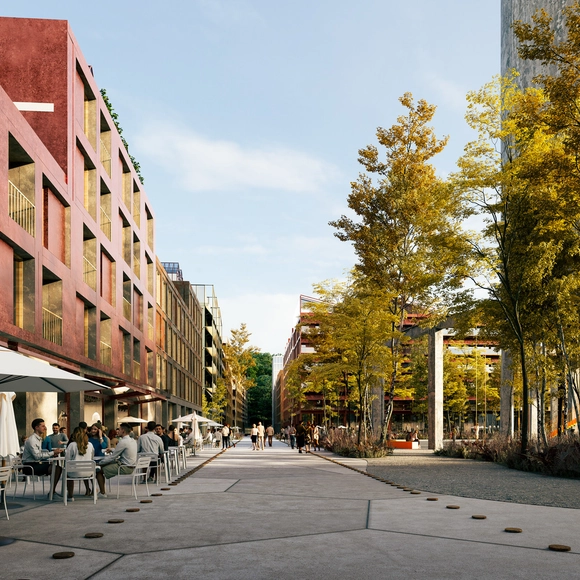
Courtesy of Urban Agency | COBE | LuxPlan |Urban Creators
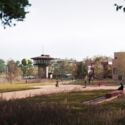
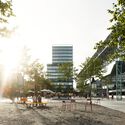
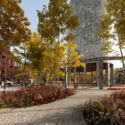
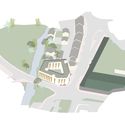
Urban Agency, in partnership with COBE, won in 2019 a competition to transform a former steel factory into an 850,000 square meters car-free mixed-use district. The industrial site is planned to become a mixed-use district, with housing for over 8,000 new residents, office spaces, schools, workshop spaces, and 268,000 square meters of landscape, including a reactivated river area. The master plan strategies focus on urban nature, renaturalization, preservation and reuse, car-free streets, and an adapted dense mix of buildings and functions.
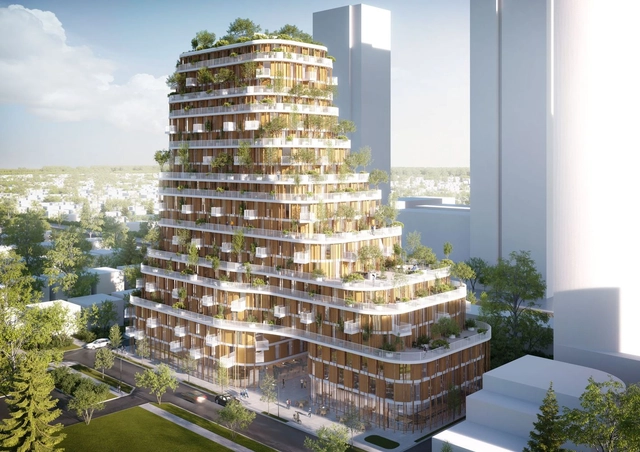
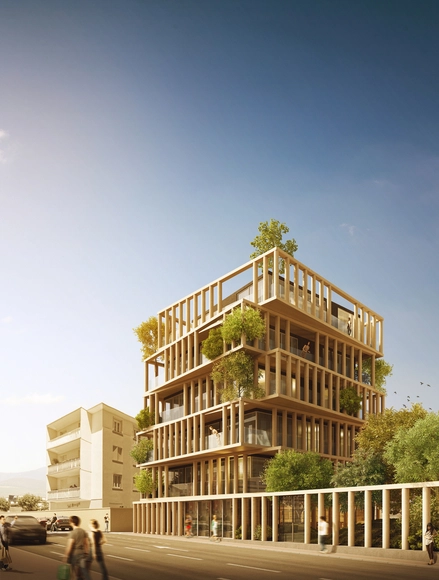
Architecture firm Urban Agency has shared new details of their Vancouver Forest development in Canada. Taking inspiration from the forest regions of the area, the project includes timber, bamboo and greenery to form a sustainable block for the city. As a series of stepped terraces, the project was designed as a 'living canopy' with trees and foliage growing along the building envelope.
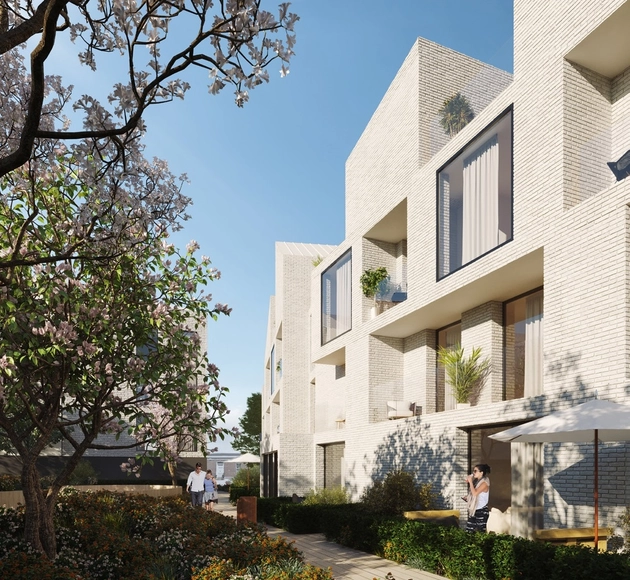
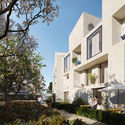
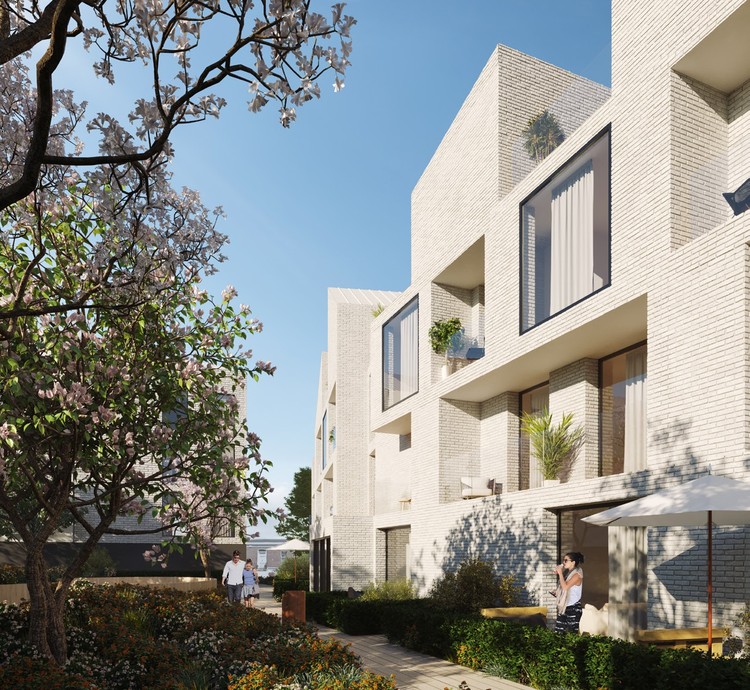
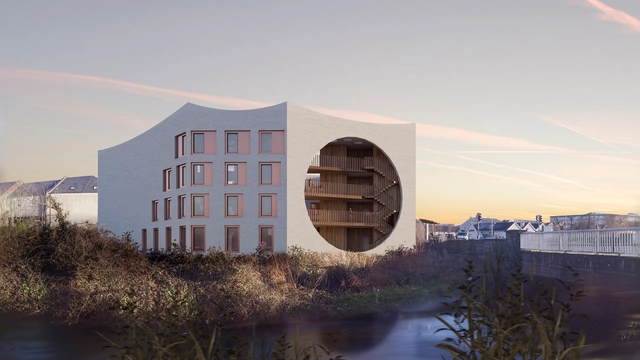
Architecture firm Urban Agency is currently working on the second project in the sister development Merronian Living in Dublin, Ireland. The new residential typology draws on the iconic Dublin terrace and reimagines the spatial potential of the roofscape. Like the first scheme, Merronian Living 2 is premised on architectural integration, drawing inspiration from the surrounding built heritage.
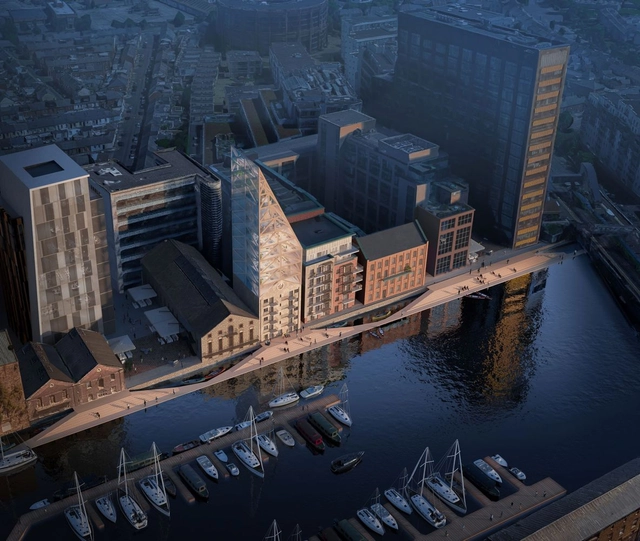
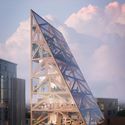
Architecture firm Urban Agency has designed a landmark tower called Dock Mill to rise along Dublin's waterfront in Ireland. At 14 floors, the project was designed to set a precedent for future projects on a national and global scale. At the same time, the team's vision was made to be reverent of the mill’s past and grow out of this history. Dock Mill draws inspiration from both nature and the surrounding docklands.
Architecture is defined by its context. This holds especially true when buildings are located in harsh climates and must respond to natural conditions. This week’s curated selection of the Best Unbuilt Architecture focuses on designs located at the intersection of nature and the built environment. Drawn from all over the world, they represent proposals submitted by our readers.
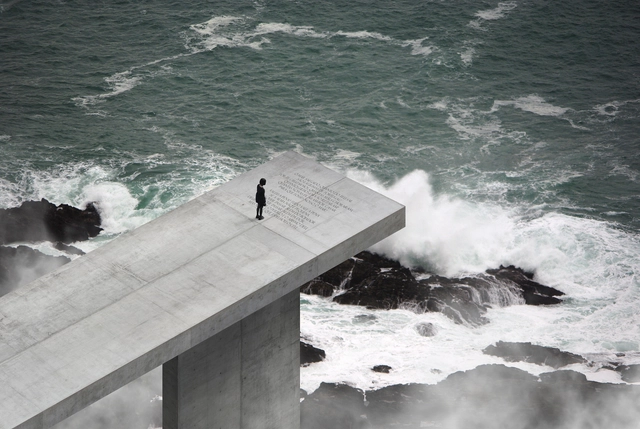
The article features a range of building types and locations, including many coastal proposals, from a regeneration plan on the South Coast of England and a proposal to link the famous Turku archipelago, to a dockside timber tower in Dublin. Also included are more extreme ideas, from an overlook on the Algarve coast to a vertical city with greenhouses located along a cliff on Mars.
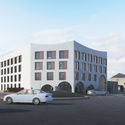
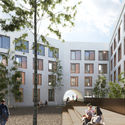
In their new student housing project, Walshe's Yard, Urban Agency has placed incredible importance on blending the building into its context while also providing a high quality of living for students. Located in Carlow, Ireland, the building is situated on the threshold between the looser urban periphery and the denser historic center of the town. The 3800 square meter project will include 125 bedspaces arranged into 32 “student houses” of either 3, 6, or 8 students, plus graduate studios on the top floor.
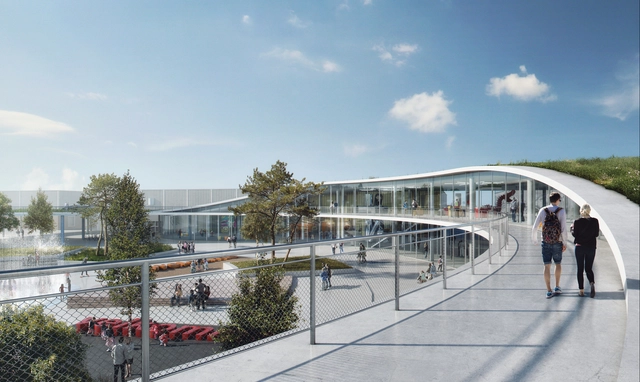
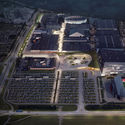
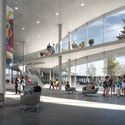
Urban Agency and Aarhus Arkitekterne have unveiled a proposal for the expansion of the MCH Messecenter in Herning, Denmark’s largest exhibition center. According to the architects, the intent was “to create a strategy that will make the complex a more attractive and coherent structure with a new focal point.”
To achieve this, the design converges two circulation routes at the building’s new point of entry, further complimented by usable art displays and foliage, including green walls. The circular form of the roof defines the event square, with ramps serving as outdoor seating and shelter from inclement weather.
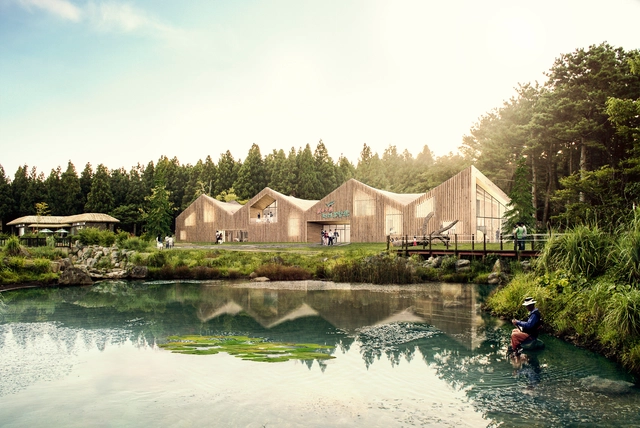
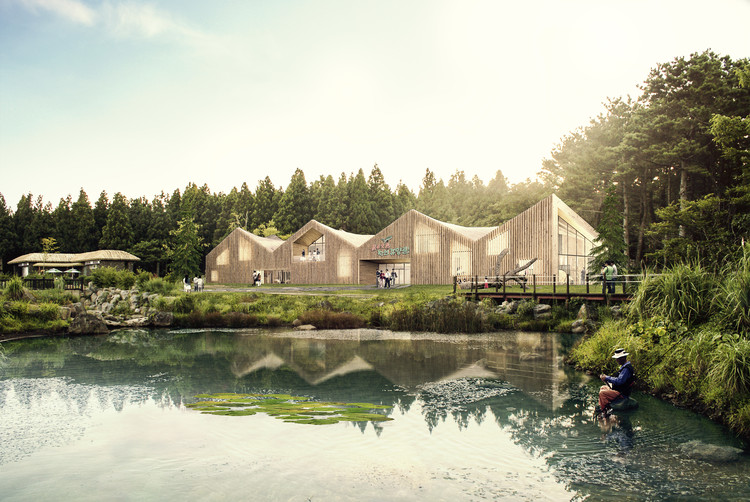
Urban Agency and Group-K have placed 3rd in a competition for a “Wood Experience Center” on the island of Jeju, South Korea. The project location is an area of the island called Redorum, a wild natural environment containing a dense cedar forest and a tranquil lake. The architects responded to this unique site by designing a building that both preserves the unspoiled beauty of the landscape and creates an iconic building containing an exhibition hall, workshop and library.
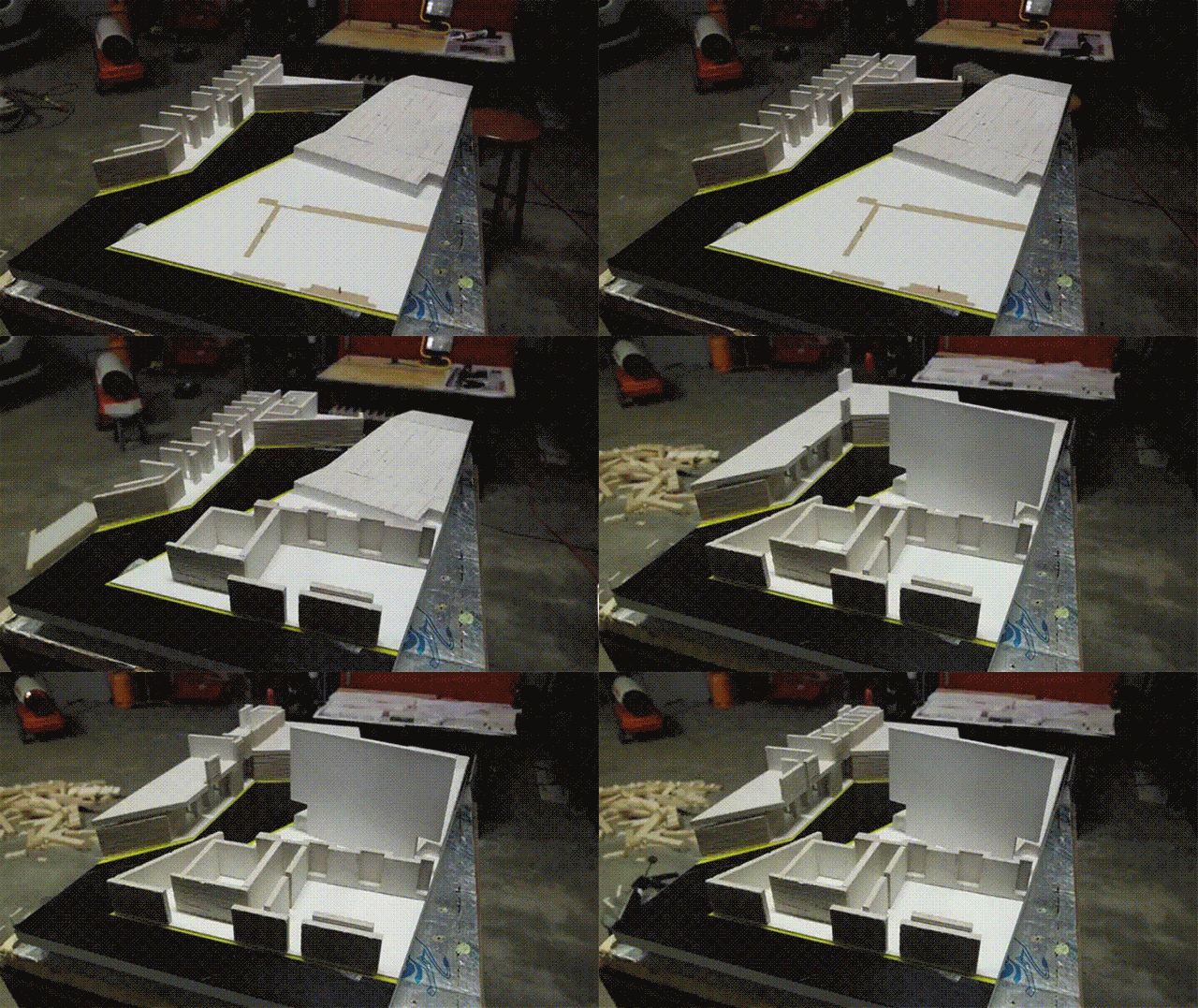
As part of the Danish contribution to the 2016 Venice BiennaleUrban Agency embarked on a challenging feat: the construction a 1:50 concrete model. The firm—based in Dublin, Copenhagen and Lyon—contributed three projects to the "Human Architectures" exhibition at this year's Danish Pavilion.
The video shows the careful, painstaking process of molding, setting and assembling the 150kg model. Urban Agency told ArchDaily,
https://www.archdaily.com/792982/this-is-how-urban-agency-made-a-150kg-concrete-modelAD Editorial Team
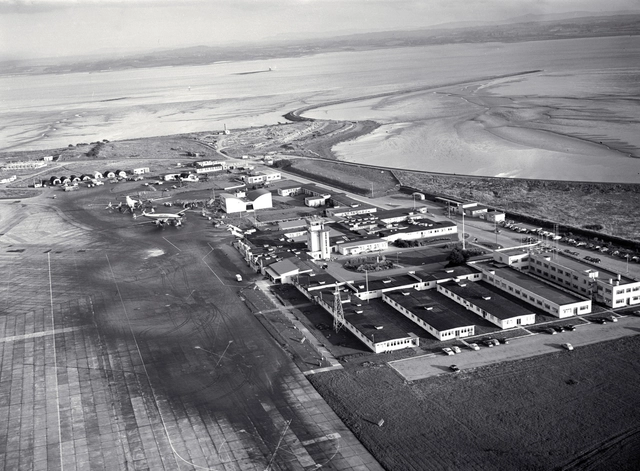
Aerial photograph of Shannon Airport (1959) set within its rural context. Image Courtesy of Shannon Group plc
At the dawn of the age of transatlantic commercial aviation, Shannon, a small town on the west coast of Ireland, was thrust into the spotlight. By 1959 it had been developed as the world’s first Free Trade Zone and New Town, providing a new—and persistent—business model for US multinationals seeking cheaper ways to operate in Europe. On the other side of the world, China was beginning to develop its urbanisation policy and was interested in how Shannon had successfully decentralised its administration from Dublin. After many visits in the early 1980s by Chinese leaders to study this model, under the direction of Deng Xiaoping, the Shannon planning system was used as a template in the formation of Shenzhen and has since been rolled across China.
New Horizon_architecture from Ireland is the flagship exhibition programme for Irish architecture and the built environment as part of Irish Design 2015. Shan-Zhen was first presented at the Bi-City Biennale of Urbanism\Architecture in 2015.
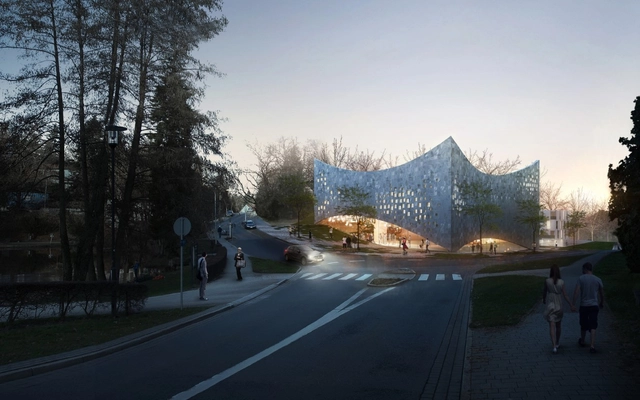
Exterior Rendered View. Image Courtesy of URBAN AGENCY
URBAN AGENCY, BEM Architects and bbz have unveiled their proposal for the Kronberg School of Music, in Kronberg, Germany, which includes a music chamber, music school and hotel. Developed as an invited competition entry, the project aims to enhance the area around the Kronberg train station and act as a new “gate” to the city, designed to blend into the forecourt of the station.
Exterior Rendered View. Image Courtesy of URBAN AGENCY
Designed by URBAN AGENCY and BET Satge, Le Twist is set to be a series of 10 luxury apartments with a ground floor restaurant that opens onto a semi-public garden. Commissioned in 2013, the architects were asked to re-evaluate an existing proposal for Montpellier, France. By sliding and twisting each storey, the firm was able to "comply with and 'twist' French planning law," gaining an extra 40% of floor space.