Videos
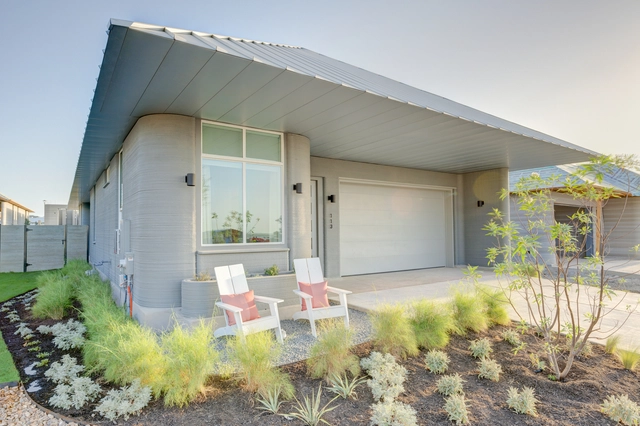
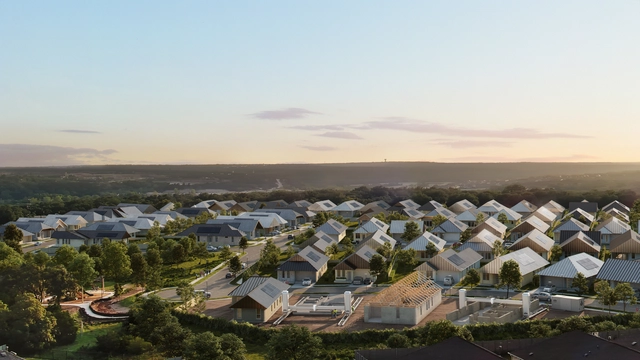
Lennar, ICON / 3D-printed, 100-home Community Wolf Ranch ,Rune Model Home. Image Courtesy of ICON, Lennar
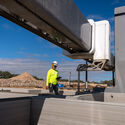
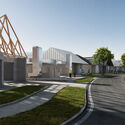
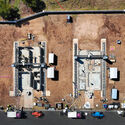
The first 3D-printed model home built by ICON and Lennar and co-designed by BIG-Bjarke Ingels Group is now open for visits at the 100-home community of Wolf Ranch in the city of Georgetown, near Austin, Texas. The house is part of the largest-scale development of 3D-printed homes in the world, currently under construction. Several of the homes have already been sold. With more than 80 of the home sites actively under construction and nearing completion, the first homeowners are scheduled to move in this September.
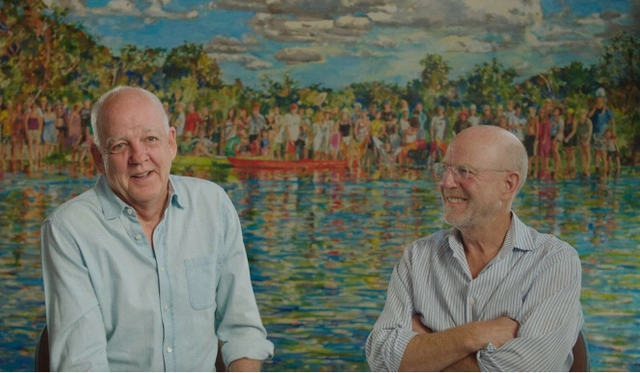
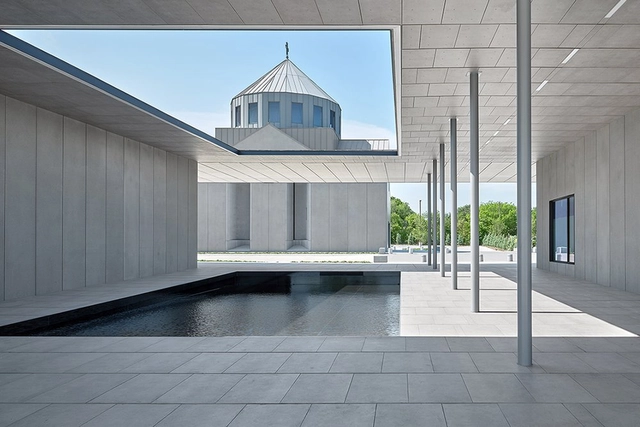
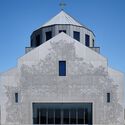
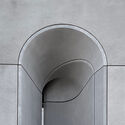
David Hotson (b. 1959) founded his New York City-based practice David Hotson Architect in 1991. His projects – houses, loft residences, penthouse apartments, and galleries – are known for their remarkable spatial and visual complexity. His Church of Saint Sarkis in Carrollton, Texas is especially distinguished for the luminous and sculptural qualities of its interior space as well as the exterior grade high-resolution digital printing on its west façade. Earlier this year this appealing work won the US Building of the Year award by World-Architects.com. Hotson obtained his Bachelor of Environmental Design from the University of Waterloo in Ontario, Canada, and earned his Master of Architecture in 1987 at Yale.
In the following interview with David Hotson, we discussed the architect’s design process, focusing on making concave spatial voids legible and primary, being inspired by Byzantine architecture and his favorite building ever built, what structure he considers the most important work of contemporary architecture, what makes his award-winning Church of Saint Sarkis special, and the use of space and light as the essential tools in creating architecture as a figural void and ultimately an art form.
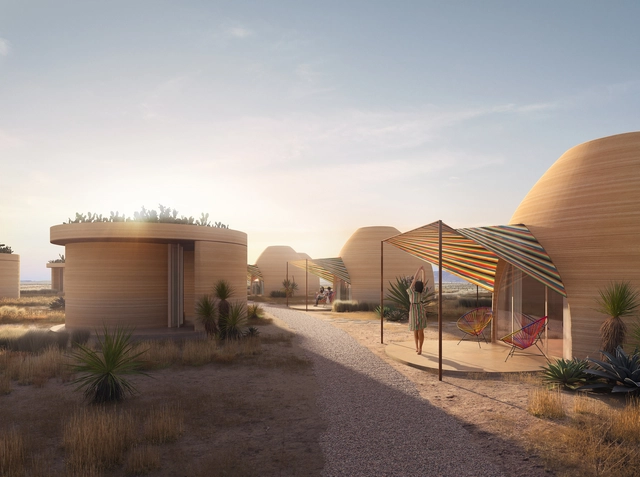
El Cosmico 3D-printed Hotel - exterior. Image Courtesy of ICON, BIG for El Cosmico
Hospitality expert Liz Lambert has announced a collaboration with ICON, the office that pioneered large-scale 3D printing, and BIG – Bjarke Ingels Group, to rebuild El Cosmico, a campground hotel in Marfa, Texas. The team plans to relocate the venue to a 62 acres plot, where new architectural approaches are made possible by including advanced technologies and 3D-printing elements such as domes, vaults, and parabolic forms. The innovative development will feature guest accommodation and new hospitality programming, including a pool, spa, and shared communal facilities. The project is expected to break ground in 2024.
The Austin Transit Partnership has selected UNStudio, HKS, and Gehl to lead the architecture and urban design of Project Connect, a major expansion of the public transportation system in Austin, Texas, in the United States. The project is set to become a transformative investment, including and integrating the light rail system, expanded bus routes, and connectivity with more services across the city. The initiative is also voter-approved. In November 2020, Austin citizens approved Project Connect, leading to the creation of the independent entity Austin Transit Partnership charged with implementing the project. The citizens of Austin are invited to continue to get involved and provide feedback.
Every “Year In Review” assessment of anything is both myopic and timely. That being said, 2022 was a "Boom" time for architects (and the building industry in general). This snapshot will change in 2023 when this year’s manufactured interest rate jumps will crib death this short and intense boom.
But some things have more meaning than can be found in the moment. 2022 proved that the “Mad Men” model in the profession as a white male clubhouse is over. Gender and race inequalities remain in architecture, but they are acknowledged flaws in urgent need of correction. Beyond these evolutions and revolutions, a new generation of architects is changing the profession.
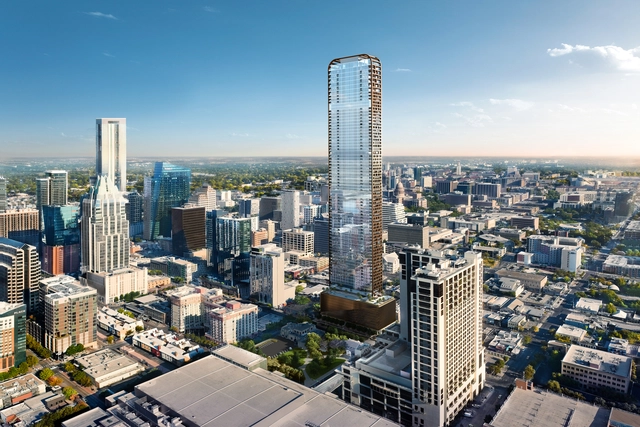
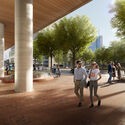
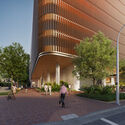
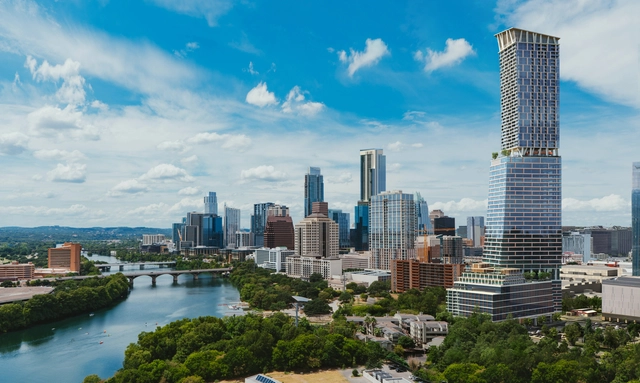
Austin-based office HKS announced the design of the Wilson Tower, a high-rise of 315 meters in Texas' capital featuring 80 floors, 450 units, outdoor terraces, and gardens. The tower will be delivered in collaboration with Britt Design Group and Wilson Capital, and is expected to break ground in the summer of 2023. After completion will become the tallest residential tower in the USA outside of New York.
Videos
Concept Renders. Image Courtesy of ICON Build
Pioneer in large-scale 3D printing, ICON announced the construction of a 3D-printed 100-Home Community co-designed by BIG – Bjarke Ingels Group and developed by Lennar. Located north of Austin, in the city of Georgetown, "The Genesis Collection at Wolf Ranch" will become the first and largest house estate in the world built by a fleet of robots integrating additive construction techniques.
Combining the digital possibilities of 3d printing with sustainable features at an affordable price, the project aims to support the housing crisis in Austin, one of the U.S.A's most dynamic and growing cities, home to the new Tesla Gigafactory and other giants such as Apple, Google, Microsoft, and Oracle.
The 311-meter-high Mixed-Use Tower in Downtown Austin designed by Kohn Pedersen Fox (KPF), will become Texas' tallest when it opens in late 2026. Called Waterline, this skyscraper is intended to define the skyline of one of the U.S.A.'s most dynamic and growing cities. Targeting LEED Gold certification, the 74-story project will include apartments, offices, hotel rooms, and a ground-floor paseo. The development will also add two new pedestrian bridges and three additional public pedestrian and bike access points.
The passage of the Biden Administration’s climate change package, the so-called “Inflation Reduction Act,” has predictably split along partisan lines, with Republicans characterizing the bill as an act of reckless government spending, certain to raise taxes and fuel further inflation. But does this act really represent reckless spending? The legislation authorizes $430 billion in spending, the bulk of which—more than $300 billion—is earmarked for tax credits; other spending, and initiatives aimed at stimulating the clean energy economy; and reducing carbon emissions. (The bill also allows Medicare to negotiate prices with drug companies for certain expensive drugs.) The bill is funded in part by a 15% minimum tax on large corporations and an excise tax on companies that repurchase shares of their own stock. Given the scope of the problem, and the escalating future costs of climate inaction, this legislation is an exceedingly modest, but very necessary, first step.
https://www.archdaily.com/988604/its-time-to-be-honest-about-the-impending-costs-of-climate-changeMartin C. Pedersen, Steven Bingler
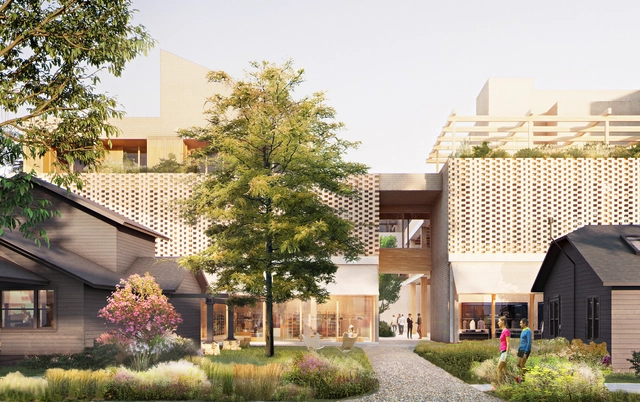
Herzog & de Meuron have unveiled their latest mixed-use development in one of Austin, Texas' most desirable districts. Dubbed ‘Sixth & Blanco’, the continuous horizontal wooden structure is nestled between vernacular store fronts, restaurants, stores, galleries, tree-lined streets, and walkable routes near the Clarksville neighborhood. The challenge of the project was to propose an architecture that takes key ingredients from its surroundings and distributes them throughout a dense yet permeable program.
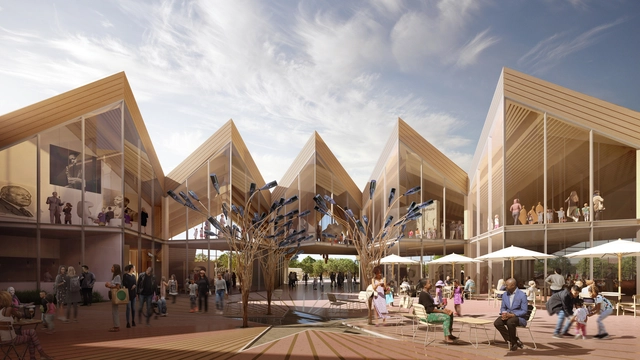
BIG-Bjarke Ingels Group alongside the architect-of-record, African American-owned design firm, KAI Enterprises, have unveiled their design of a new Texas-based museum dedicated to preserving the history of Juneteenth and the legacy of freedom. Located in the historic southside of Fort Worth, Texas, one of the area's most underserved communities, the National Juneteenth Museum will serve as a focal point for education, preservation, and celebration of Juneteenth nationally and globally, hosting exhibitions and events about the significance of African American freedom. The new 50,00 sq.ft. building will include immersive galleries, a business incubator, food hall for local vendors, Black Box flex space, and a theater, and is expected to break ground in 2023.
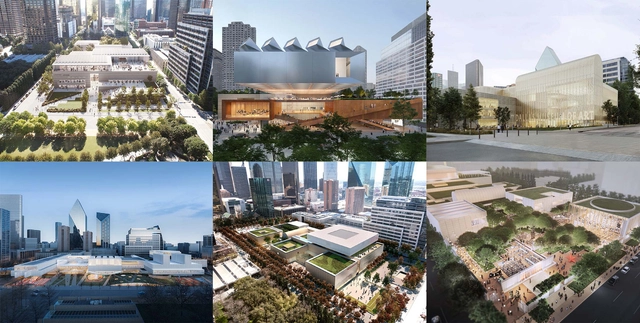
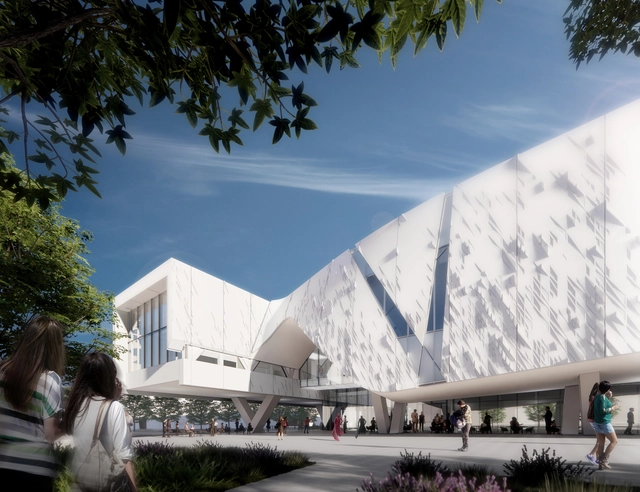
Rendering of Crow Museum of Asian Art at the O’Donnell Athenæum at UT Dallas, view of arrival and drop off from northwest. Image Courtesy of Morphosis Architects
The new arts campus, designed by global architecture and design firm Morphosis, has broken ground in Dallas, Texas. This marks the beginning of the first phase of construction for Edith and Peter O’Donnell Jr. Athenæum, a twelve-acre expansion of the University of Texas at Dallas (UT Dallas). The Athenæum complex will feature three main buildings: the Crow Museum of Asian Art (Phase I), a performance hall (Phase II), and a museum for the traditional arts of the Americas (Phase III). Phase I of the plan, the Crow Museum of Asian Art, is expected to be completed in 2024. The whole project is catalyzed by a $32 million donation from the O’Donnell Foundation.
This new cultural district, located at the southeastern edge of the UT Dallas campus, aims to become an arts destination for students, faculty, and the community. It also represents the latest milestone in a period of significant growth of the arts at UT Dallas, a school that had historically focused on science, engineering, technology, and business.
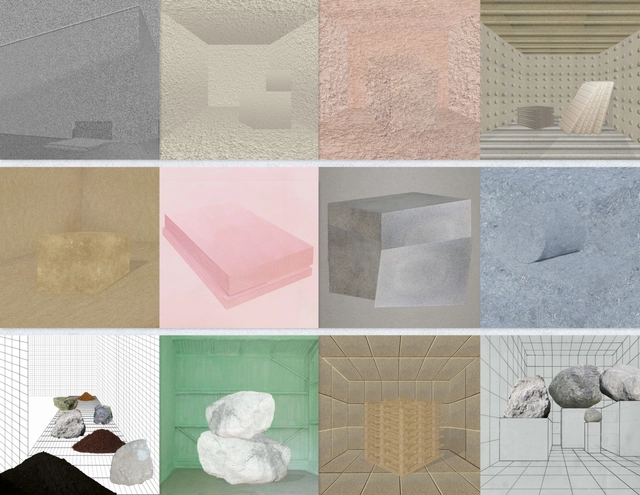
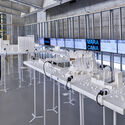
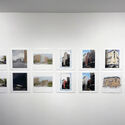
Stock catalog, 2015.Courtesy of stock-astudio. Image Courtesy of The Architectural League of New York
The Architectural League of New York has announced the winners of the 41st cycle of the annual Architectural League Prize for Young Architects + Designers. Open to young architects and designers ten years or less out of a bachelor’s or master’s degree program, the award seeks to recognize visionary work by young practitioners and encourage the development of talented young architects and designers.
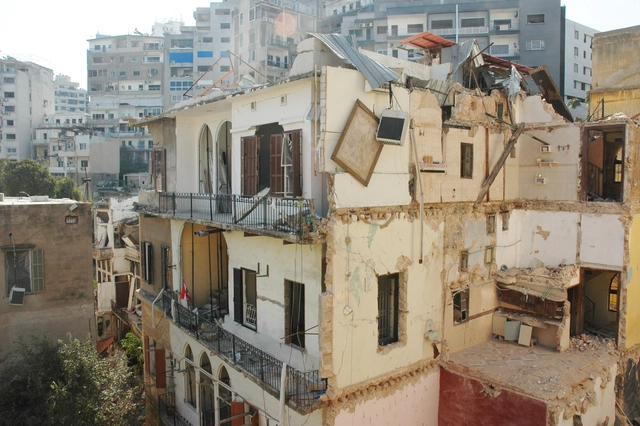
Heritage Buildings of Beirut, Lebanon. Image Courtesy of World Monuments Fund
The World Monuments Fund has released its 2022 World Monuments Watch list, a selection of 25 sites from across the globe that hold great cultural and heritage significance but are being faced with economic, political or natural threats. This year's selection highlights themes of global issues such as climate change, imbalanced tourism, underrepresentation, and recovery from crisis, urging for prompt preservation plans.

Founded in late 2017, named one of the "Most Innovative Companies in the World" in 2020, and selected as ArchDaily's Best New Practices of 2021, ICON is a construction company that pushed the boundaries of technology, developing tools to advance humanity including robotics, software, and building materials. Relatively young, the Texas-based start-up has been delivering 3D-printed homes across the US and Mexico, trying to address global housing challenges while also developing construction systems to support future exploration of the Moon, with partners BIG and NASA.
Featured on Times' Next 100, as one of the 100 emerging leaders who are shaping the future, Jason Ballard, CEO and Co-Founder of ICON spoke to ArchDaily about the inception of the company, worldwide housing challenges, his ever-evolving 3D printing technology, and process, his partnership with BIG, and the future of the construction field on earth and in space.
West Campus Neighborhood, Austin, Texas. The University of Texas campus is in the foreground. Image Courtesy of Jack Myer/The Daily Texan.
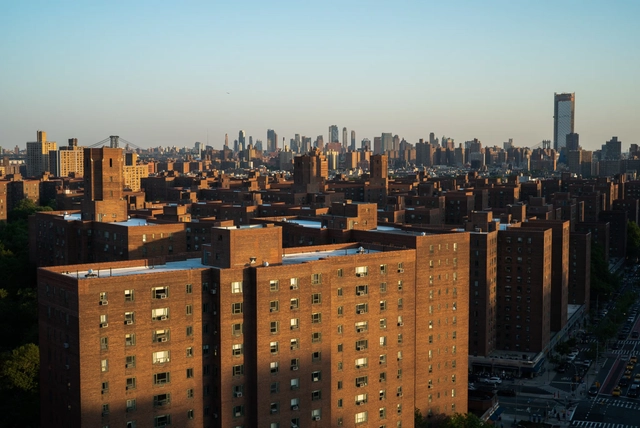
Juan Miró, co-founder of Miró Rivera Architects reflects in an opinion piece on the student housing situation in the United States. The architect explores different dormitory conditions across the country and questions whether these leading public universities "enthusiastically endorse the idea of putting thousands of its students in windowless rooms in the name of density and efficiency".
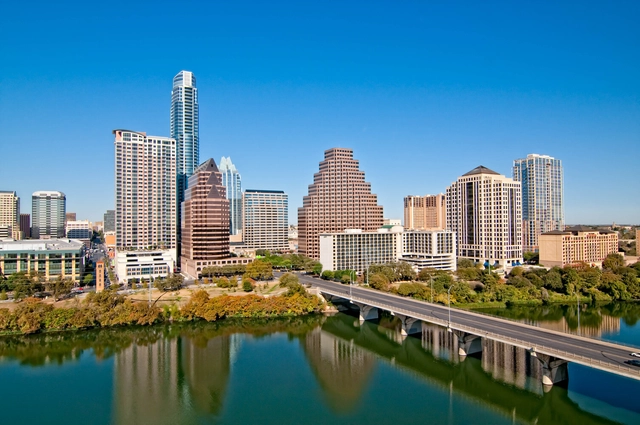
Few cities have a growing design culture like Austin, Texas. Ranked as one of the best places to live in the United States, the city is experiencing a building boom in recent years. With a wide variety of residential styles, architects are continuing a legacy of modernist design. With an emphasis on craft and detailing, these new homes use simple geometry and forms as they open up to hills, lakes and the urban fabric.