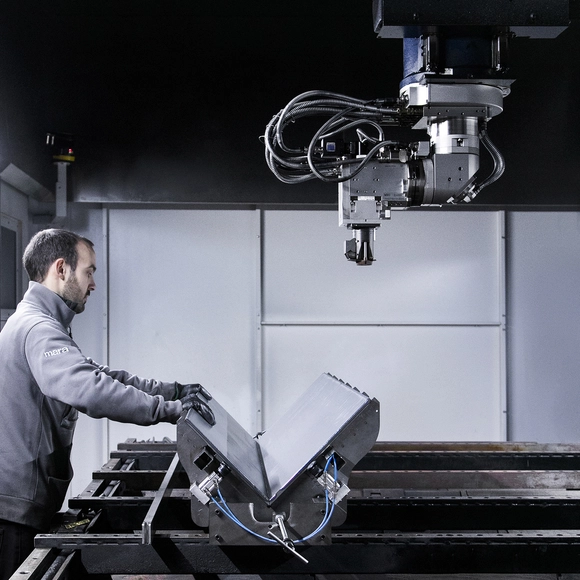
The weather gods haven't been kind as I arrive at the Mara factory on the outskirts of Brescia. If you think Italy, certainly in the design industry, it's usually all sun-bleached locations, where an Aperol Spritz is only ever seconds away.


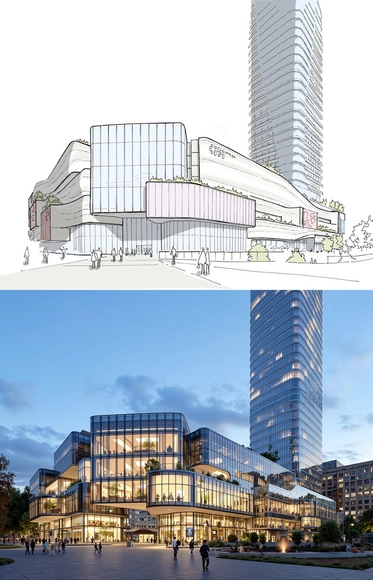
Architecture is a discipline that evolves through progressive stages, with each phase building upon the previous one. Schematic design, for example, begins with broad concepts and initial explorations, followed by site analysis, sketches, and 3D models, with adjustments made along the way. The true challenge lies not just in following this sequence but in balancing speed, quality, and efficiency to navigate the trade-off between time and quality. In this context, the integration of generative artificial intelligence in the built environment reshapes architectural dynamics by assisting architects and creating space for more experimentation and exploration. Its impact is especially significant in rendering, which was previously a constraint at different project stages—particularly during concept development. Today, however, AI-powered architectural rendering operates smoothly, allowing more focus on creative problem-solving through innovative tools and strategies.
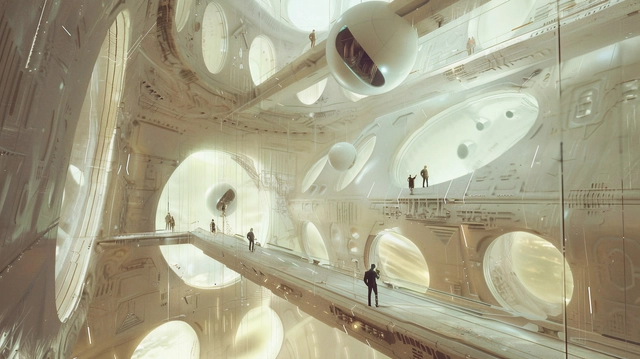
Humanity's fascination with the unknown is a timeless impulse, rooted in curiosity and the desire to push boundaries, uncover mysteries, and open doors to new frontiers. What were once represented by voyages and the discovery of new islands and continents are now pursued in the vastness of the Universe. As we seek answers, provoke new questions, and open doors to endless possibilities, this drive continues to inspire. It has shaped countless literary and cinematic works, transforming interstellar exploration from a science fiction concept into a vision increasingly grounded in reality.
One such visionary project is Project Hyperion, spearheaded by the Initiative for Interstellar Studies (i4is), which challenges humanity to develop practical solutions for interstellar travel through a design competition. By envisioning generation ships—vast, self-sustaining habitats capable of supporting multigenerational societies on journeys spanning centuries—the project not only pushes the boundaries of technology but also sparks social innovation, stretching the limits of our collective imagination. There is still time to submit your design by March 9th, with Phase 2 starting on May 4th.
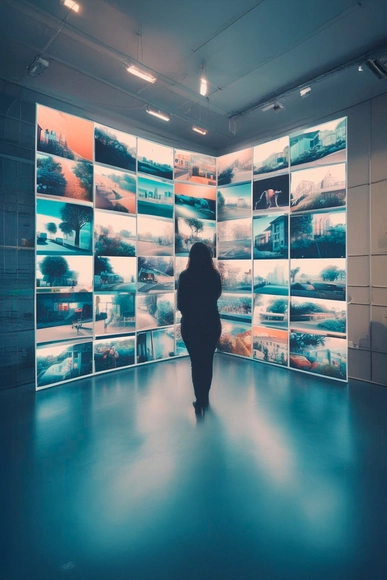
I saw it on Instagram! It's a phrase we often hear in various contexts, from the latest restaurant recommendations to the trendiest hotel in town. The window to observe and expose ourselves to the outside world now sits in our smartphones. This doesn't necessarily mean it's all doom and gloom. Still, it reflects that we're constantly flooded with data and information segmented by algorithms, all in a super easy-to-consume format. In today's world, it takes only a few seconds to form a lasting impression of a building and its atmosphere—and those first impressions matter more than we often realize.
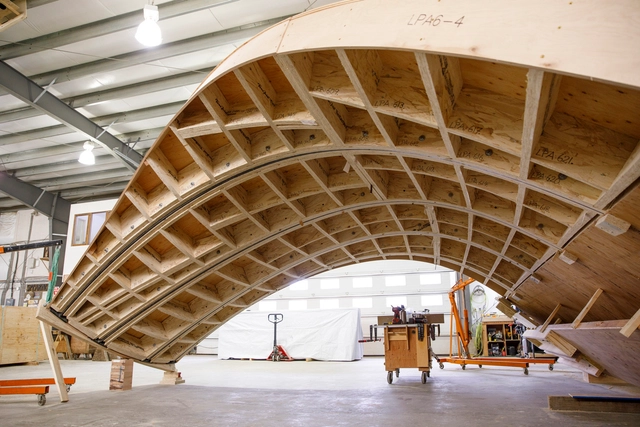
Innovation comes in many shapes and forms. 2025 is poised to witness continued advancements in the areas of artificial intelligence, sustainability, and biotechnology. These breakthroughs often arise from experimentation in industries like technology and healthcare, where companies have strong research and development teams and significant budgets. This enables them to produce new products and services that address society's evolving needs.
In a world confronting complex challenges, innovation in architecture plays a distinctive role. Unlike industries driven by rapid innovation cycles, architecture must balance creativity with practical solutions that are deeply rooted in human experience. What will it take for the architecture industry to fully harness its potential in shaping the future of our built environment?

The evolution of bathrooms into their modern configuration traces back to ancient civilizations like the Ottoman and Roman, where sanitation held significant cultural importance. During the Middle Ages, however, personal hygiene practices declined, setting back developments in sanitation until the Renaissance revived interest in cleanliness. This shift paved the way for key innovations in the 18th century, including modern plumbing systems that enabled the widespread adoption of modern sanitation spaces. Today, it's unimaginable to design an architectural project without incorporating these facilities, highlighting the essential role of hygiene and well-being, now closely tied to technological advancements.
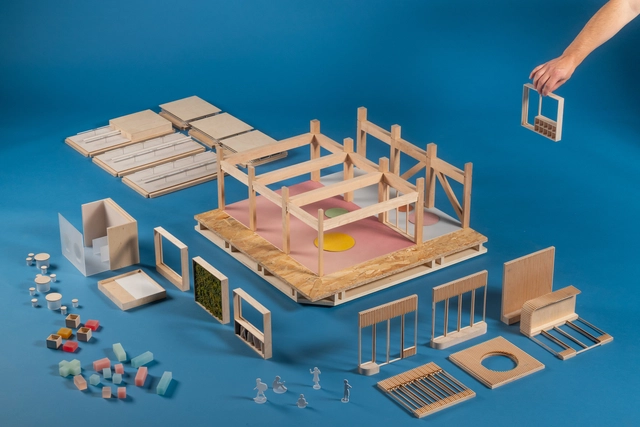
For decades, the life cycle of buildings was a simple formula: planning, design, construction, demolition, and, of course, the great villain in this history: the landfill. Over time, architectural practice began embracing concepts like reuse, disassembly, and circular demolition, but often as secondary elements, part of the gradual shift toward a circular economy in construction. But what if these principles were no longer exceptions? What if we crafted or chose every building component to maintain value and purpose beyond its original use? The truth is, there is life after demolition. This transition—from demolition to practices focusing on reuse, repurposing, and sustainable dismantling—is edging closer to reality. By the time 2030 arrives, we could fundamentally reshape how we approach processes, buildings, and the market itself. As these changes unfold, we must assess how our strategies align with the evolving goals and challenges related to sustainability—and, of course, the new opportunities they bring.
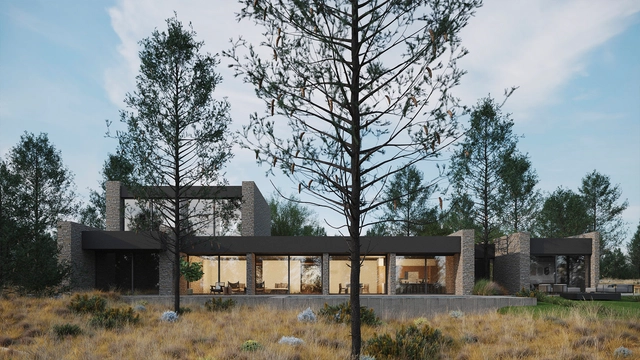
Architects from all over the world are invited to participate in the "Best House in the World" competition, a new international contest designed to discover and reward innovative residential architectural designs that have not yet been built and are still in development. The inHAUS brand, with the sponsorship of Geberit, Porcelanosa, Schüco, Joquer and S&P, presents the challenge of industrialized construction for the most daring and creative projects. These are real projects, with actual clients and real plots, designed by architects striving to achieve new standards of excellence and quality in their residential constructions. Dare to challenge the innovative off-site construction system by inHAUS!
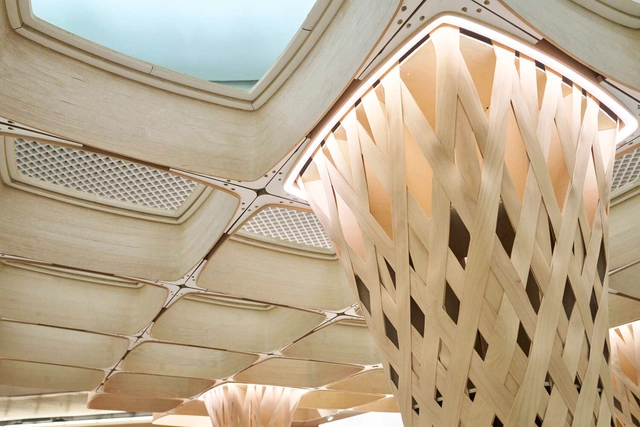
The use of innovative tools, techniques, materials, and technologies to shape the future of construction is a subject that captivates professionals across architecture, engineering, construction, and planning, as well as investors and industry leaders. Advances in technology and breakthroughs in material science provide a rich landscape for exploration and discussion, sparking lively debates on the ongoing transformations in both urban and rural environments. Key areas of focus include resource management, the challenges posed by the climate crisis, and the broader implications for the built environment.
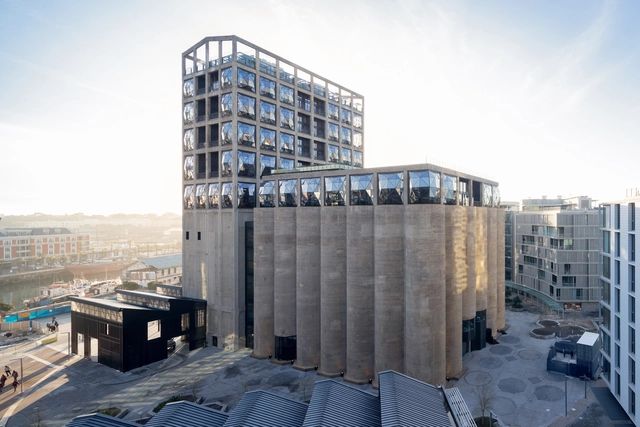
Silos hold a significant place among the remnants of the industrial era, distinguished by both their technological innovations and their iconic presence in urban landscapes. Typically cylindrical and made of reinforced concrete, these structures effectively addressed the demands and challenges of industrialization, providing a robust and economical solution for storage. However, throughout the 20th century, with the advent of new logistics and the relocation of activities from some urban centers to expanding areas, many of these silos were decommissioned.
However, despite their enclosed design appearing to be an obstacle for new uses, recent decades have seen initiatives that embrace and repurpose these structures. These projects integrate silos into the urban environment, emphasizing their significance as part of the local collective memory.

The fine line between art and craft, creativity and functionality, personal expression and societal or industrial demands is one that architecture navigates with great care. This duality is increasingly shaped by the urgent need to address environmental challenges. At the forefront of this evolution are materials and construction systems, the essential building blocks of design and execution. Historically, architecture relied on natural raw materials like wood, stone, and metals, which defined built spaces but often strained ecosystems. Today, the discipline seems to be undergoing a profound transformation, shifting beyond mitigating negative impacts to actively fostering the planet's regeneration.
From regenerative materials that integrate biology and engineering to circular economy principles redefining resource use, and hybrid approaches that blend traditional methods with cutting-edge technology, these innovations are reshaping the blueprint for the built environment. In this article, we recap the year's key advancements in materials and construction systems, showcasing how they are driving architecture toward a sustainable future. Whether through carbon-sequestering materials, systems designed for disassembly and reuse, or technologies that merge nature with engineering, these developments underscore the essential role materials and construction systems play in creating a regenerative, resilient, and resource-conscious world.
From the Colosseum's vast arches to the Pantheon's perfect dome, Roman architecture fused engineering precision with expressive form. These buildings reshaped the urban life of antiquity but also left traces that continue to guide contemporary design. Yet much of the knowledge behind their construction has been lost or obscured over time, like the geometry, the proportions, and methods. Today, new technologies are helping to recover that hidden layer of architectural intelligence, offering fresh perspectives on how Romans built with such ingenuity.
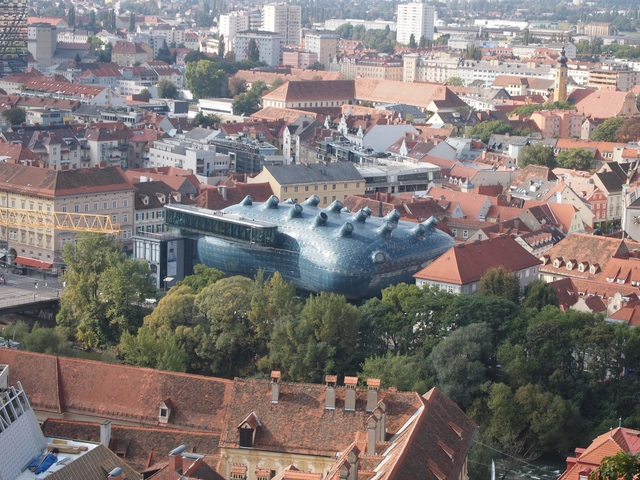
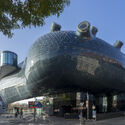
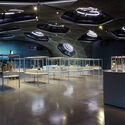
The Kunsthaus Graz, designed by Peter Cook and Colin Fournier, boldly redefines contemporary architecture in a historic city. Completed in 2003 as a centerpiece of Graz's European Capital of Culture celebrations, its biomorphic form, nicknamed the "Friendly Alien", captured global attention. Amidst Baroque and Medieval surroundings, it bridges past and future, standing as a testament to the city's cultural ambitions.
Situated along the River Mur in the Lend district, the Kunsthaus challenges traditional architectural norms with its organic, free-flowing design. Rejecting orthogonal geometry, the museum seamlessly merges art, architecture, and public interaction, redefining the concept of a cultural institution. Its impact extends beyond aesthetics, sparking urban revitalization in a once-overlooked neighborhood, and bringing cultural vibrancy and economic activity.
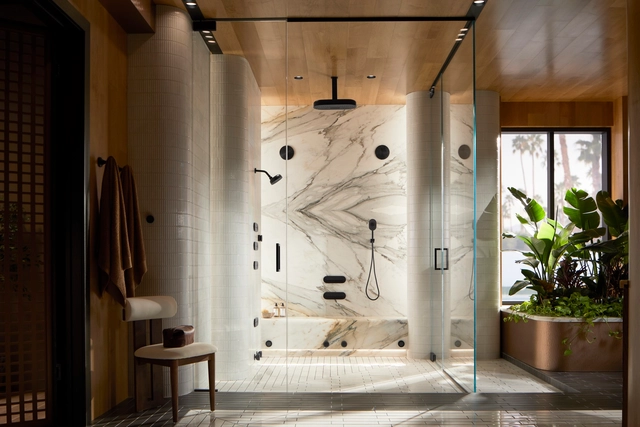
Incorporating technology into architecture has transformed the way we design and experience environments across various scales, spanning from urban development to interior settings. Today, the concept of "smart spaces" embodies the fusion of innovation and design to enhance well-being and quality of life in our daily activities. This is achieved through seamless technological integration, encompassing a range of functions and systems via software, digital tools, and everyday devices like smartphones. As a result, activities like showering are experiencing significant advancements, evolving into a digital multi-sensory experience that offer personalized control over environmental factors, enhancing relaxation and well-being. These innovations enhance the interaction between technology, design, and users, fostering new ways to engage with spaces and subtly enriching our routine activities.
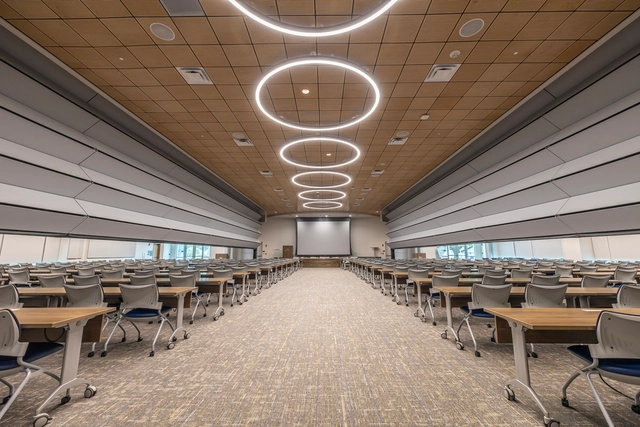
Today, our use of space—and by extension, our built environment—embraces a variety of functions, dimensions, and configurations. However, one key trait stands out: flexibility and multi-purpose design. This marks a shift from the traditional model, where spaces were rigidly defined by function, with distinct areas for working, resting, or socializing, each separated by fixed, solid walls. A key example of this shift is Skyfold's vertically folding retractable walls. With over 10,000 installations, Skyfold's operable walls redefine spatial boundaries and enhances versatility, enabling dynamic adjustments that quickly respond to evolving needs. Their widespread adoption underscores their effectiveness in addressing the challenges of modern interiors and architectural design.
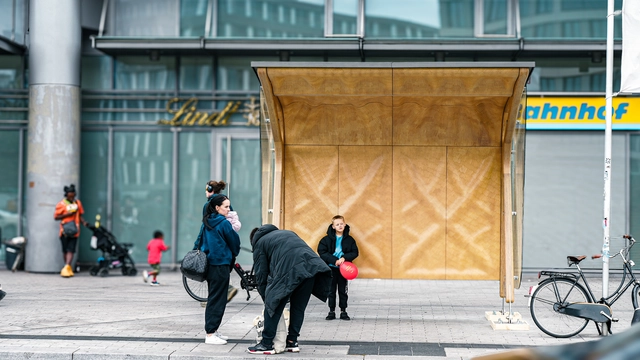
For some, the perfection of nature reveals the signature of a divine force, something that defies rational explanations. The result of millions of years of adaptation and evolution, natural structures and organisms operate with an efficiency that is hard not to admire. Every form seems to have a precise purpose, showcasing ingenuity where functionality and beauty harmoniously coexist. From leaves to the smallest organisms, nature follows an impeccable logic of economy and precision, eliminating waste. It demonstrates that simplicity is often the purest expression of sophistication. Trees, for instance, grow to maximize strength and stability while minimizing resource use. This structural efficiency is achieved by aligning fibers along paths of maximum tension and shaping trunks and branches to optimally distribute loads. It's a testament to the fact that nature, above all, is a masterful engineer.

We are thrilled to announce our upcoming December workshops in collaboration with our ArchDaily Plus partner, Parametric Architecture. These workshops have been thoughtfully curated to empower architects, designers, and enthusiasts by providing them with the latest insights and skills in the dynamic realm of parametric design. Guided by industry experts and visionaries, these immersive sessions will explore cutting-edge techniques, innovative tools, and practical applications, creating an inspiring and dynamic learning environment where participants can take their design expertise to unprecedented levels.
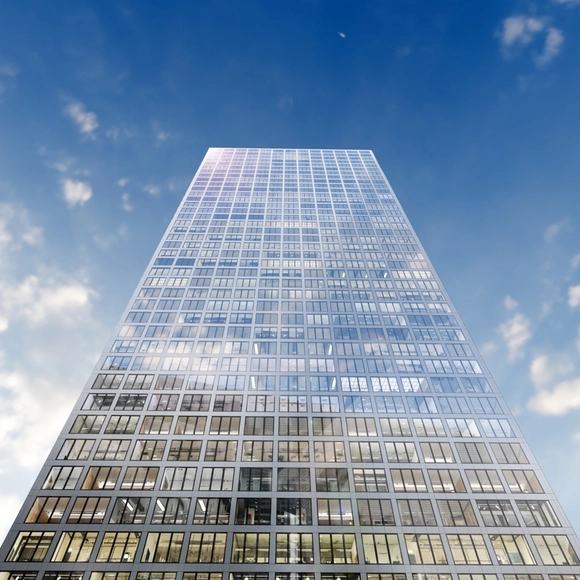
People frequently claim that finding smart solutions to problems requires a creative approach that involves thinking outside the box. This premise has become a widely accepted idea in the field of technology, where numerous historical breakthroughs have emerged from innovative methods. Prominent examples in power generation include the discovery of the photovoltaic effect by Edmund Becquerel in 1839 and the development of the first commercial solar panel by Charles Fritts later that century. These milestones have enabled the integration of solar panels as essential components of clean energy generation within architecture, driving a significant shift toward renewable energy.
This shift is currently manifesting as a tipping point between power generation and the built environment, driven by a transition that promotes creative thinking and encourages new perspectives. Today, sustainable energy production extends beyond merely installing solar panels on roofs; it aims to integrate various building elements into the energy system. ClearVue's Building-Integrated Photovoltaics (BIPV) exemplifies this innovation by harnessing nearly all facade components as sources of power production. This vision opens new possibilities for the design of urban structures, promoting a more sustainable approach that aligns with contemporary needs.