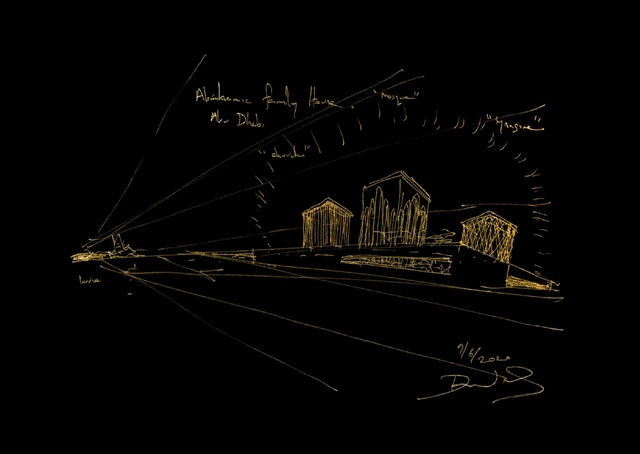
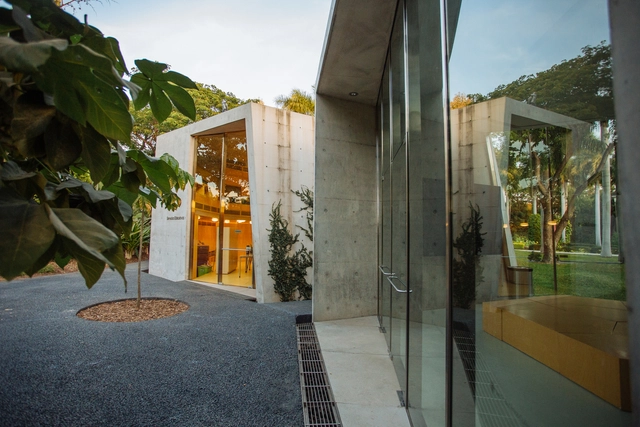
Sir David Adjaye Studio. Image Courtesy of Design Miami/Architects for Beirut
Design Miami’s latest initiative in partnership with Architects for Beirut, has gathered a collection of 100+ original architectural drawings and artworks donated by 90+ renowned architects from around the world. With proceeds going to aid on-the-ground restoration efforts in Beirut, works offered include exclusive pieces from Zaha Hadid, David Chipperfield, Toyo Ito, Steven Holl, Tatiana Bilbao, Adjaye Associates, and Renzo Piano, to name a few.
Mexico City's Secretary of Public Works and Services announced a collaboration with some of the country's most distinguished architectural minds in a move to add on to the capital's educational and cultural infrastructure. The project centers on the planning and building of 25 new Points of Innovation, Freedom, Art, Education, and Knowledge (PILARES), an initiative implemented by Mexico City Mayor Claudia Sheinbaum.
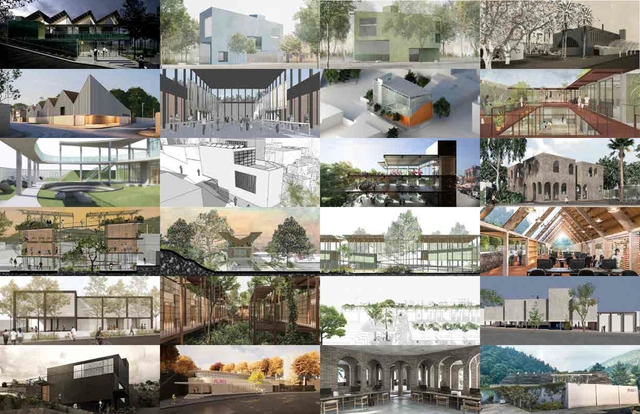
As architects rely heavily on imagery to convey abstract information to a broad audience, there is a recurrent conversation on the role of visualizations in architecture and how they impact the general perception of the built environment.
Architects, not Architecture decided to open their archive to help us cope with the current situation of not being able to go out as usual and create a source of inspiration and entertainment through sharing one of the unique talks from their previous 35 events, which have never been published before – including those of architects like Daniel Libeskind, Peter Cook, Richard Rogers, Massimiliano Fuksas, Kim Herforth Nielsen, Ben van Berkel, Benedetta Tagliabue, Mario Botta, Anupama Kundoo, and Sadie Morgan.
Every week, Archdaily will be sharing one of the Architects, not Architecture. talks which they are currently publishing online in the form of daily full-length video uploads as part of their “new event”: Home Edition 2020
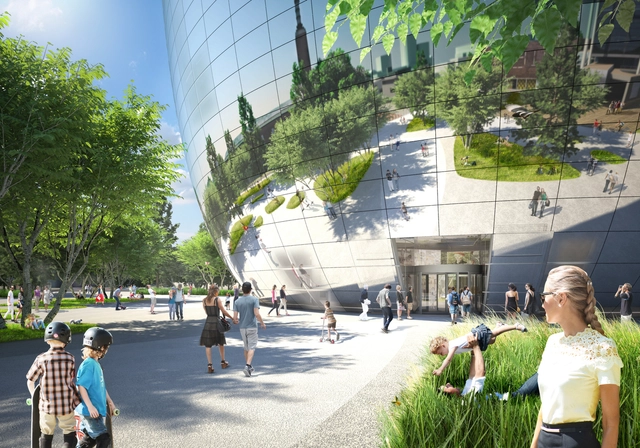
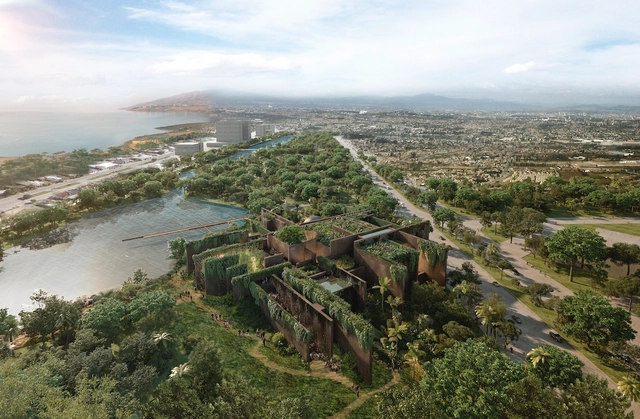
The aquarium project was a part of a large-scale plan to revitalize the Parque Central in Mazatlán, Mexico. The project, designed and overseen by Tatiana Bilbao Estudio, seeks to build onto the already existing natural, cultural, and public space in a way that highlights its global quality and uniqueness. For visitors, the aquarium is an opportunity to explore and experience the marine ecosystems of the Gulf of California. For locals, it’s a look into the marvels of their own backyard. In this interview, we sit down with Mexican architect Tatiana Bilbao and get the details about the project, its design, and the challenges that come with building one of the largest aquariums in Latin America.
Videos
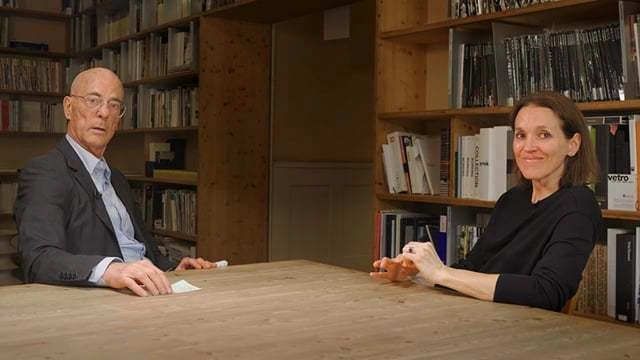
Jacques Herzog Meets Tatiana Bilbao: Everybody Deserves a Decent Home
Jacques Herzog met with Tatiana Bilbao at the Herzog & de Meuron’s studio in Basel, Switzerland on May 2019, and got to discuss the Mexican architect’s projects and architectural approach. The two long-time friends and prizewinning architects talked about the defining moments in their friendship and the advice of Herzog that improved Bilbao’s method.
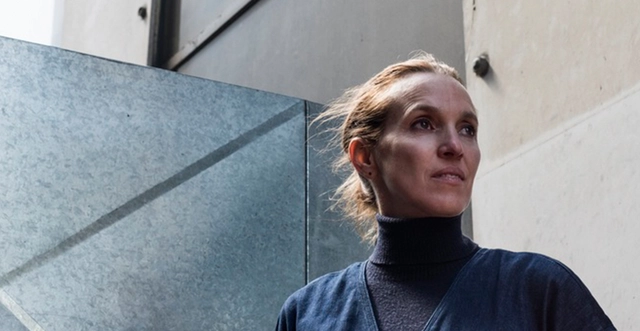
Award-winning architect Tatiana Bilbao spoke in an interview released by Louisiana Channel about her frustrations with today’s concept of sustainability in architecture. Living in Mexico, which Bilbao describes as a “country with no resources,” she states that people are accustomed to not wasting resources and that “sustainability” is a natural part of daily life. “I hate the word ‘sustainability’ because I think it has become a word that can qualify a type of architecture, and for me it should be embedded.”
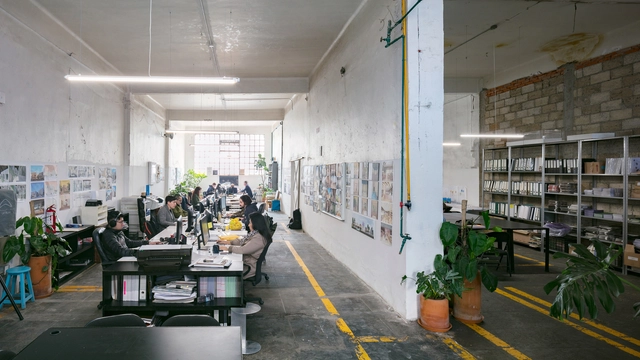
After having previously photographed the architecture offices in the Netherlands, Dubai, London, Paris, Beijing, Shanghai, Seoul, the Nordic countries, Barcelona and Los Angeles, the architectural photographer Marc Goodwin continues the series with an exploration of some of the most recognized architecture offices in Mexico. With a set of emerging and world-renowned offices alike, the series offers insight into the lives of designers in Mexico City.
For those in the northern hemisphere, the last full week in January last week kicks off with Blue Monday - the day claimed to be the most depressing of the year. Weather is bleak, sunsets are early, resolutions are broken, and there’s only the vaguest glimpse of a holiday on the horizon. It’s perhaps this miserable context that is making the field seem extra productive, with a spate of new projects, toppings out and, completions announced this week.
The week of 21 January 2019 in review, after the break:
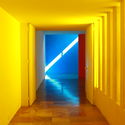
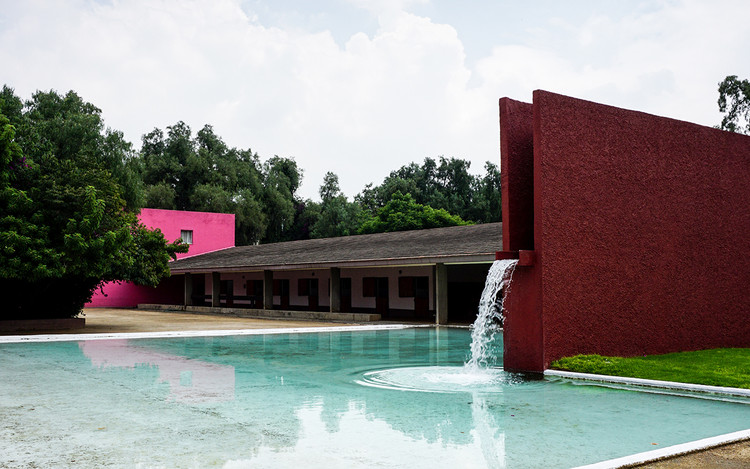
On November 22, 1988, one of the most important and revered figures in the history of Mexican and international architecture died in Mexico City. Luis Barragán Morfín, born in Guadalajara and trained as a civil engineer left behind an extensive legacy of published works, conferences, buildings, houses, and gardens that remain relevant to this day. While Barragán was known for his far-reaching research in customs and traditions, above all, the architect spent his life in contemplation. His sensitivity to the world and continued effort to rewrite the mundane has made him a lasting figure in Mexico, and the world.
Undoubtedly, Luis Barragán's legacy represents something so complex and timeless that it continues to inspire and surprise architects across generations. It is because of this that, 30 years after his death, we've compiled this series of testimonies from some of Mexico's most prominent contemporary architects, allowing them to reflect on their favorites of Barragan's works and share just how his work has impacted and inspired theirs.
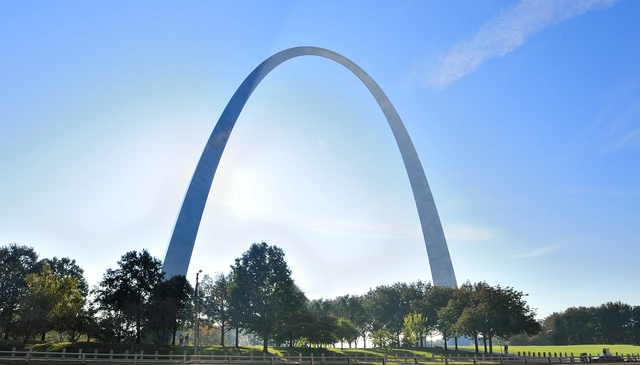
Emily Rauh Pulitzer, curator of the St. Louis Museum of Art and Steve Trampe of Owen Development, are spearheading a plan to transform a block near St. Louis's theater and museum district in the area of Grand Center. This project, (according to a story published on a local news site in St. Louis) is "a blank palette” and "an opportunity to take an entire block and make it different.”
The project is currently led by local architects Axi: Ome. Tatiana Bilbao has also confirmed her participation, in what should be an interesting addition to St. Louis's local architectural heritage. In an interview with Vladimir Belogolovsky, she explained that she considers that the legacy of Mexican architecture should expand to other sites:
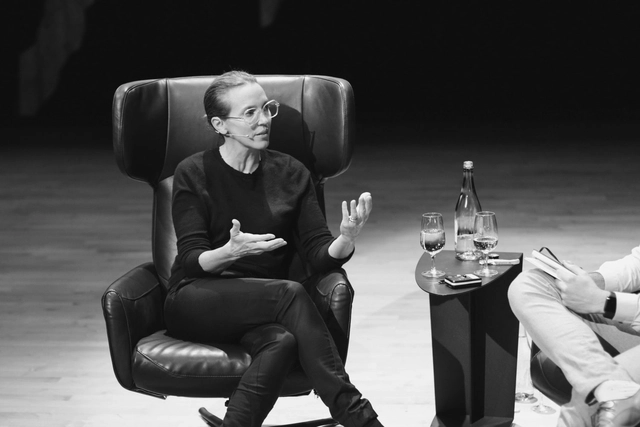
As part of a generation of designers that have, in recent years, put Mexico on the map, Tatiana Bilbao is an architect that is increasingly part of the profession’s global consciousness. But, while some Mexican architects have made their mark with spectacular architecture following the international trend of “iconic” architecture, Bilbao opted instead for a more people-focused approach. In this interview, the latest in Vladimir Belogolovsky’s “City of Ideas” series, Bilbao explains how she got into this type of community-building architecture, her thoughts on architectural form, and her ambitions for the future.
Vladimir Belogolovsky:The more I talk to architects of your generation or my generation, the more it becomes apparent that architecture has absolutely no boundaries. In other words, architecture is not just about buildings. More and more, architecture is about building communities.
Tatiana Bilbao: Absolutely. For me, that is the most important part of architecture. Architecture is not about building a building; architecture is about building a community.
In the second film from this year's series of PLANE—SITE's Time-Space-Existence videos, Mexican architect Tatiana Bilbao shares her philosophy of how architecture should be designed with the user’s experience in mind, rather than for standalone aesthetic qualities. In the video she discusses how architects should to some extent let go of their artistic intentions for a more practical approach to serve the needs of people, discussing how architecture has become detached from its key purpose over the last fifty years due to the influence of capitalism.
"We are at a moment of great cultural transition," Jorge Otero-Pailos argues. "The kinds of objects that we look to to provide some sort of continuity in that transformation is often times architecture, [...] one of the most stable objects in culture." This short film, in which an number of participants of the 2017 Chicago Architecture Biennial reflect on their work and those of others, tackles the theme conceived by artistic directors Sharon Johnston and Mark Lee: Make New History.
https://www.archdaily.com/880402/how-architects-in-chicago-architecture-biennial-2017-are-making-new-historyAD Editorial Team
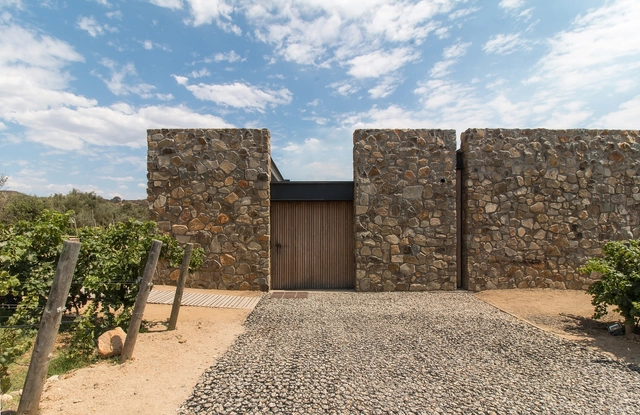
In Baja California, Mexico, the 860 hectares that make up 'Cuatro Cuatros'—a tourism development that for the past ten years has been overseen and designed by Mauricio Rocha and Gabriela Carrillo of Taller de Arquitectura—present an arid and mostly monochromatic landscape interrupted only by stones and bushland.
Vast as the site may seem, only 360 of its hectares will be destined for housing development, of which only 10% can be impacted by construction. The challenge will lay in mitigating the protagonistic stance architecture usually assumes when conquering previously untouched lands, by taking on a presence that disappears into the landscape.
What becomes of public space once violence is normalized in a city? Though it is naive to believe that architecture by itself can present absolute solutions to complex social and political issues, it is also important to explore and understand its possibilities as an agent of social change, however small.
.jpg?1609838112&format=webp&width=640&height=580)