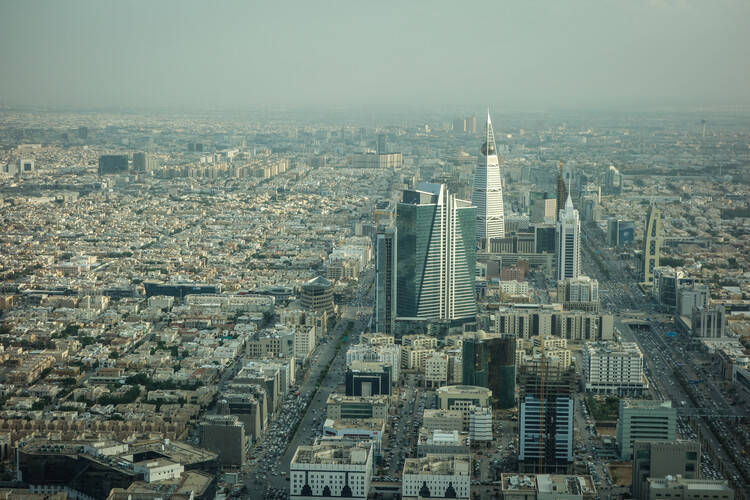
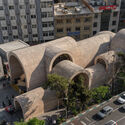
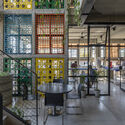
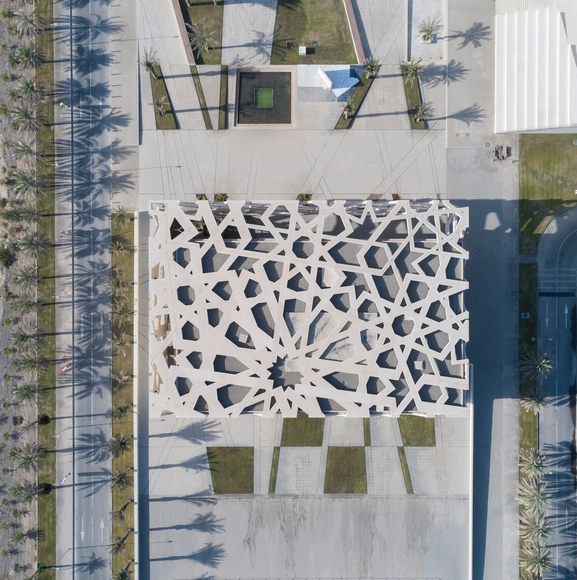
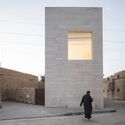
A previous exploration of cultural landmarks in the Middle East designed by international architects highlighted recurring themes such as architecture as an extension of the landscape, climate-responsive design, and abstraction of traditional forms. These projects often introduced high-tech environmental solutions, used monumental forms to reinterpret local identity, or positioned themselves as landmarks within the broader urban or desert landscape. While these approaches have defined many of the region's most recognizable cultural institutions, they represent just one side of the architectural discourse. An equally significant yet distinct trajectory emerges from local architects, who work within existing structures, historical contexts, and lived environments to create institutions that feel deeply embedded in their surroundings. This approach prioritizes continuity, transformation, and accessibility, ensuring that architecture remains an evolving part of the cultural fabric rather than a self-contained object.
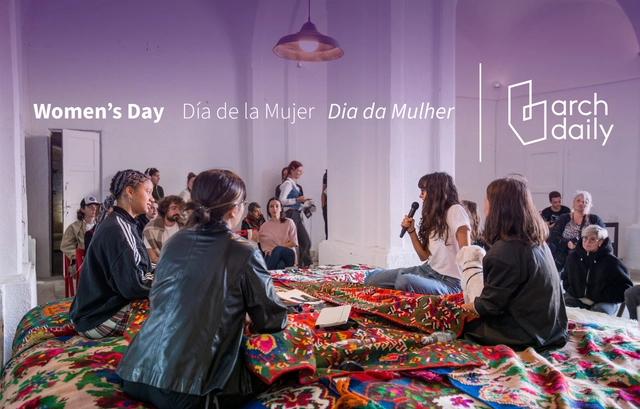
This International Women's Day, we celebrate the contributions of women in architecture, a field traditionally dominated by men. While dominant narratives may overlook their significant impact, as the history of architecture is replete with examples of women subtly but powerfully shaping the profession. When limited to a draftsman position, Ester McCoy took a step back not to disengage but to better observe. She became the first architectural critic and historian to notice the unique flavor of Modernism developing along the West Coast during the 1950s, bringing names such as Richard Neutra, or Luis Barragan to the forefront of architectural discussions. Similarly, the name Aline Louchheim may not be a widely recognized one among architects, but, because of her, the name Eero Saarinen surely is. The profession of architectural publicist also emerged through this collaboration. These stories remind us that recognizing women's achievements in architecture is not about celebrating gender, but about acknowledging a historical bias that has hindered the entire field's progress.
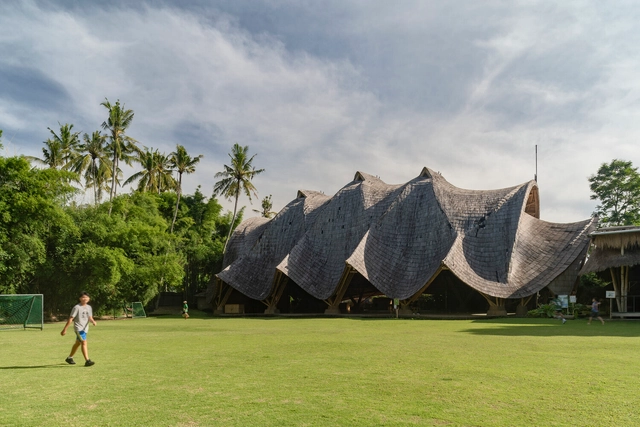
Saudi Arabia has just announced its participation in the 19th International Architecture Exhibition-La Biennale di Venezia with the National Pavilion presenting The Um Slaim School: An Architecture of Connection. Designed by Syn Architects, the Riyadh-based practice, and curated by Beatrice Leanza, the pavilion offers an exploration of contemporary urban conditions in Saudi Arabia through spatial practice and alternative architectural pedagogy. Syn Architects was selected as one of ArchDaily's Best New Practices of 2024, recognized for its engagement with local architectural heritage and contemporary spatial practices.
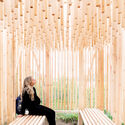
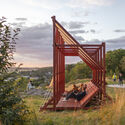
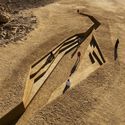
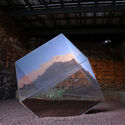
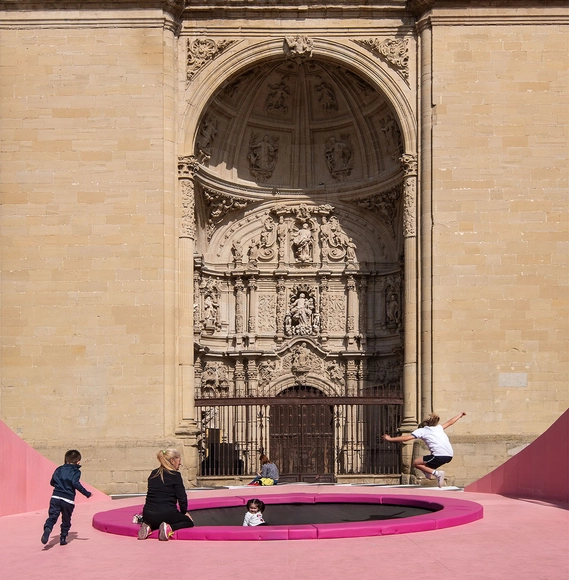
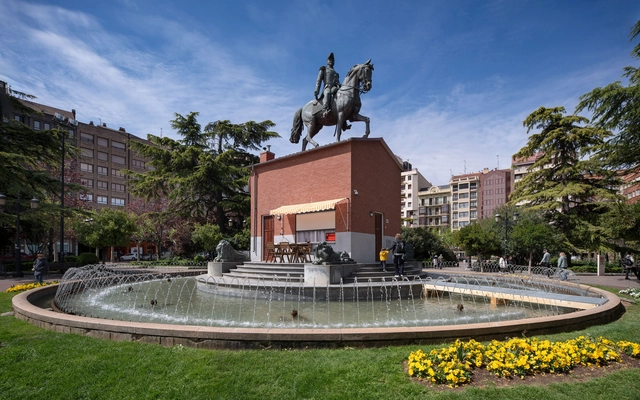
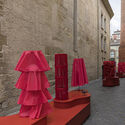
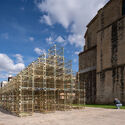
Architecture and Design Festival Concéntrico celebrates its 10th anniversary from 25 April to 1 May 2024 with an edition that aims to reflect on the impact of the annual festival upon the city of Logroño, Spain, as well as to consider how the city continues to evolve. Through installations, exhibitions, lectures, performances, workshops, and activities, Concéntrico proposes a reflection of the urban environment, welcoming architects and designers to intervene and challenge it while opening conversations about pressing matters.
While the official theme of the festival focused on the future of cities, the invited architects and designers took this suggestion further. Several overarching themes and subjects emerged during this year’s event, from the incorporation of concepts of time, an unusual element to be tacked through temporary installations, to the desire to engage more honestly with a wider public, to listen to their needs and create platforms where diverse perspectives can take center stage.
From April 25 to May 1, 2024, Logroño hosts the tenth edition of Concéntrico, a celebration of urban innovation and transformation. This year, the festival explores the future of cities, incorporating new formats, engaging diverse audiences, and tackling urban challenges through the lens of time as a catalyst for change in design. Featuring 20 interventions and activities involving over 100 professionals from 17 countries, the program encompasses processes such as renaturalizing public spaces, reimagining urban structures, and integrating recycled materials from previous editions.
Additionally, collaborations with educational centers ensure a lasting impact beyond the festival, fostering new collective practices in public spaces. Special projects such as "The street in 10 years" or initiatives involving students and pupils from local schools and educational centers further enrich the festival's engagement with communities across Spain.
Architecture is about giving form to the places where people live. It is no easier, and no more complicated, than that. There are three key words here: "form," "place," and "life." As soon as one reflects on these terms, one immediately comprehends that these things are not all that easy. - Alejandro Aravena
With this phrase in the foreword to ArchDaily's Guide to Architecture, Alejandro Aravena reflects on the underlying complexity of architecture. Something that is essential to our life, but that with the ever growing complexities of our world, becomes a challenging task.
That is why for the 4th consecutive year we embark on a global survey, evaluating the work, ethos and mission behind innovative practices from all over the world. They represent the diversity that is reshaping our field, working across the spectrum between the essence of architecture and its blurry boundaries, ranging from studios to activists, startups and other forms of production, research, and thinking.
These 20 practices, half led by women or as a mix, coming from Europe, South America, North America, Asia and the Middle East, represent the diversity among those who are setting an example of the direction architecture should be heading. At the center of their mission there is a clear forward looking agenda that shapes their work, that reveal a practical consciousness towards the challenges of our world.
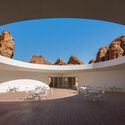
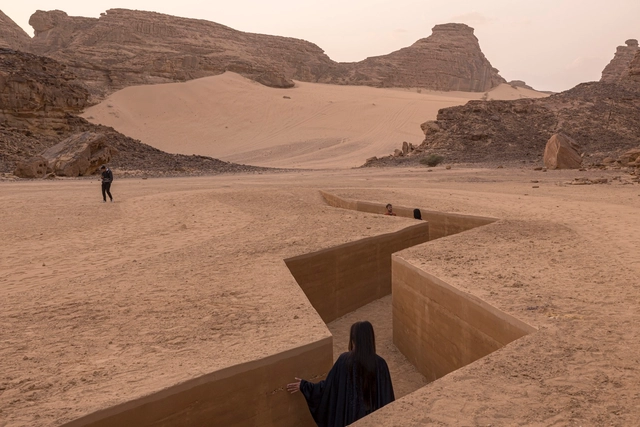
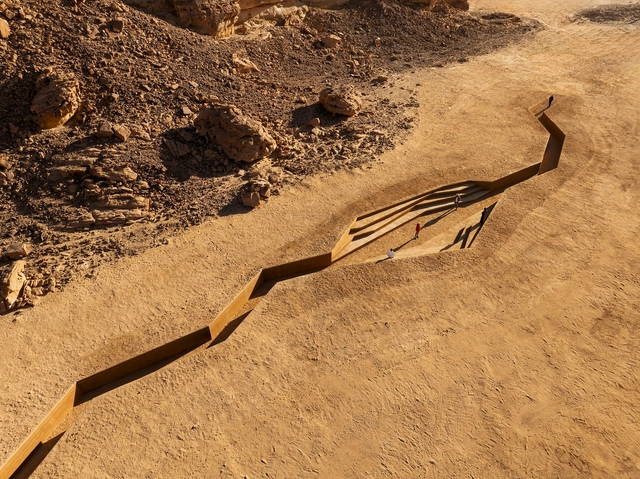
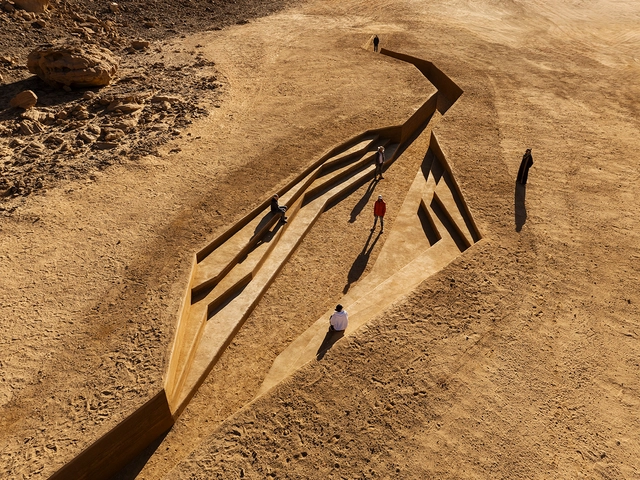
Returning for its third edition, Desert X AlUla 2024 invites artists to engage with the landscape, nature, and heritage of AlUla. The exhibition aims to position AlUla as the hub for monumental art experiences in the region. This year’s theme, “In the Presence of Absence,” challenges the concept of deserts as “empty spaces.” Artists worldwide are encouraged to investigate conceptual ideas of the invisible, engaging in a dialogue with AlUla’s environment.
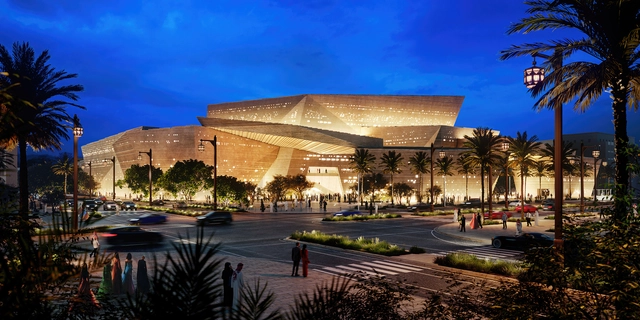
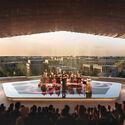
Snøhetta has revealed the design of a new opera house to be added to the historic area of Diriyah in Saudi Arabia. The proposal strives to blend the local cultural heritage and Najdi building traditions with the contemporary requirements of an international music and performing arts venue. Scheduled to open in 2028, the Royal Diriyah Opera House anchors a wider master plan to redevelop the Diriyah area on the outskirts of Riyadh, aiming to transform it into a cultural destination.
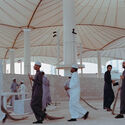
The First Islamic Arts Biennale, artistically directed by Sumayya Vally, opened on January 2023 and is still ongoing until May 23, 2023, in Jeddah, Saudi Arabia. The inaugural event was commissioned and produced by the Diriyah Biennale Foundation and was curated by Vally alongside Dr. Julian Raby, Dr. Omniya Abdel Barr, and Dr. Saad Al-Rashid. The biennale re-imagines the Western Hajj Terminal at King Abdulaziz Airport, designed by Skidmore, Owings & Merrill and winner of the 1983 Aga Khan Award, as a cultural space to redefine Islamic Arts from "within, in a way, that connects some of these art forms and forms of artistic expression to the experience and rituals" of those that live it.
Sumayya Vally is a South African architect, founder, and director of the Johannesburg-based collaborative architectural studio Counterspace. Designer of the Serpentine Pavilion in 2020/2021, she was the youngest architect to get this commission. Part of Time’s 100 emerging leaders who are shaping the future, in 2021, the only architect to make the list at that time, Sumayya started her career as a curator and teacher, and recently she was appointed as artistic director of the first Islamic Arts Biennale in Jeddah. ArchDaily had the chance to talk with Vally about her contribution to this biennale, her vision of the exhibition, the venue, the scenography, and the participating architects. Sumayya also shared some exclusive info about her entry for the 2023 Venice Architecture Biennale, starting on May 20th, in Venice, Italy.