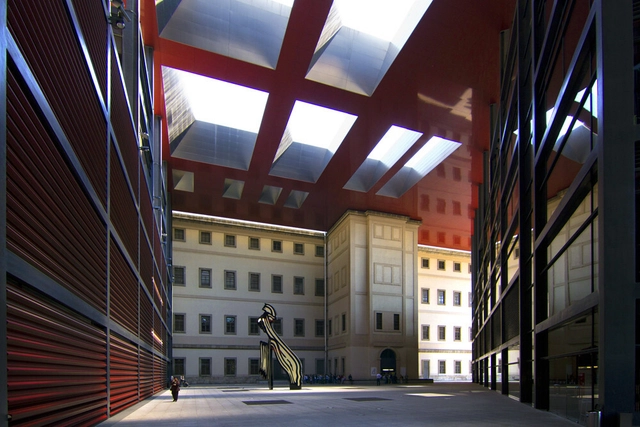
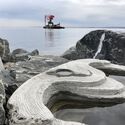
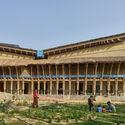
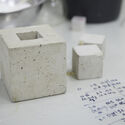
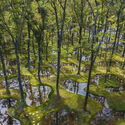
Architectural grafting, a concept recently popularized by Jeanne Gang inThe Art of Architectural Grafting, presents a transformative approach to urban regeneration and sustainability. Drawing inspiration from botanical and horticultural practices — where new growth is added to existing plants for enhanced resilience — this architectural method integrates new structures with existing ones, allowing them to coexist and adapt. Rather than pursuing demolition, grafting prioritizes adaptation, extending the life of buildings while safeguarding their cultural and historical significance.
While Studio Gang has played a pivotal role in advancing this method, architectural grafting embodies a broader principle that architects have long used to enhance sustainability, conserve resources, and honor heritage. Across scales — from individual buildings to urban landscapes —grafting reshapes the relationship between past and present, adapting existing structures for contemporary needs while addressing environmental demands. By reimagining historic buildings for modern use, this approach fosters a sustainable evolution of cityscapes.
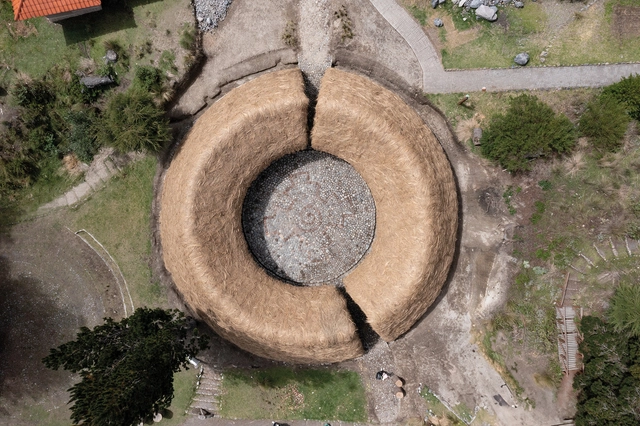
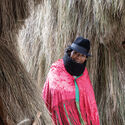
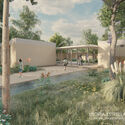
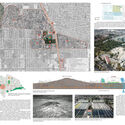
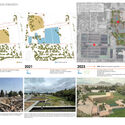
Marie Combette and Daniel Moreno Flores founded La Cabina de la Curiosidad in 2019, a studio focused on architecture and territory based in Quito, Ecuador. Their architectural approach is based on extensive fieldwork, with an urban and territorial perspective that prioritizes the use of available resources, water management, and recycling. They use drawing and mapping as essential tools to materialize their ideas and transform them into spaces. The name of the studio evokes a "trunk" turned into a cabin full of curiosities that invite exploration of various possibilities. This trunk is nourished by everyday experiences, derived from simple interactions with the city or the environment, which triggers a creative process continually fed by experimentation and daily discovery, unafraid of the unknown.
The world's leading competition for sustainable design, Holcim Foundation Awards 2025, is calling for entries. The Swiss-based Holcim Foundation invites innovative projects at any scale, supported by clients and in the late-stage design phase, to compete for global recognition. The competition is free of charge with a prize pool of USD 1M and will be awarded across 20 winning entries.
Projects already under construction are eligible, provided construction is not completed before February 11, 2025. The entry window is now open from October 1, 2024 until February 11, 2025, with the Awards Ceremony taking place at the Foundation's Venice Forum event on November 20, 2025.
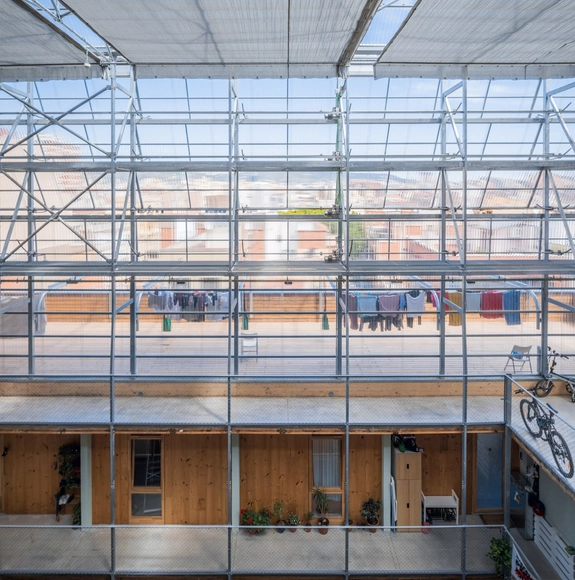
One of the biggest current challenges in large cities is the housing crisis and the lack of efficient solutions to mitigate its effects on citizens. This problem is exacerbated in cities where tourism and vacation or temporary housing dominate the market, distancing residents from the possibility of accessing affordable urban housing. Furthermore, gentrification, driven by rising rents and real estate speculation, contributes to the displacement of local communities, transforming traditional neighborhoods into areas exclusively oriented toward tourist consumption.
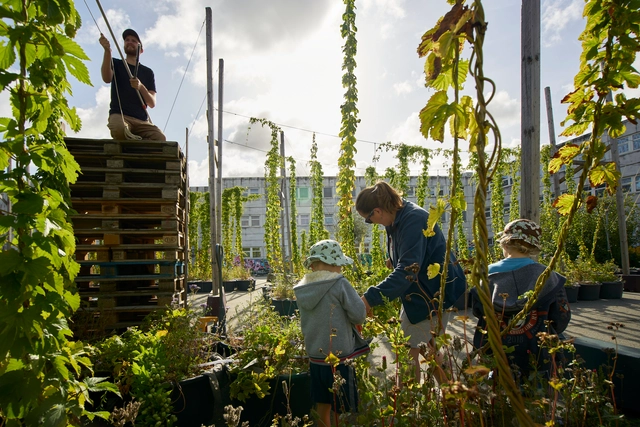
The Obel Award is an international prize seeking to highlight unconventional and original initiatives within the architectural profession. Supported by the Henrik Frode Obel Foundation, each annual award is centered around a specific theme. By exploring a different challenge of the built environment each year, the award remains open to a wide range of solutions and architectural innovations, honoring those contributions that have a positive impact on both people and the planet.
"Architectures WITH," the recently announced theme of the 2024 edition, explores participatory design, co-creation, and interdisciplinary collaboration, challenging traditional roles in architecture to foster inclusive, adaptable environments. It aims to empower all stakeholders and enhance collective intelligence in architecture.
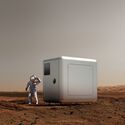
Space exploration isn’t merely a testament to human ambition or a quest for new territories and resources. Our ventures beyond Earth’s atmosphere are driven by a deeper purpose: to understand better our place in the cosmos and to pioneer innovations that can transform life on our home planet.
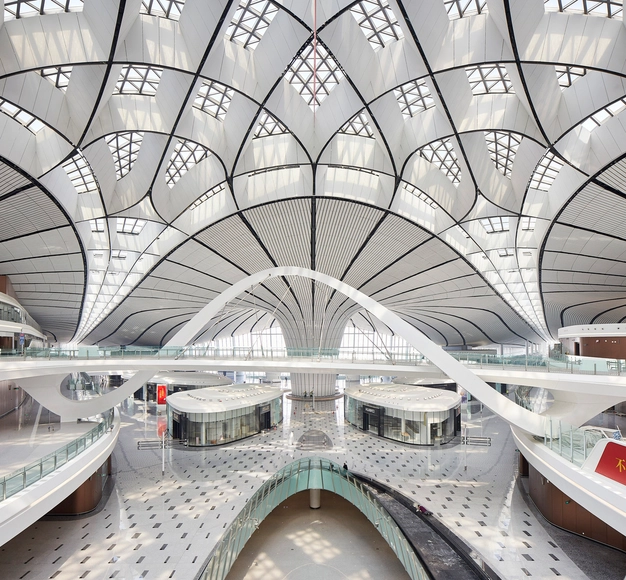
Modern airports have increasingly become symbols of architectural innovation, moving beyond their primary function as transportation hubs to become significant landmarks. A prominent trend in contemporary airport design is the use of curved forms to create fluid, dynamic spaces that enhance both functionality and visual impact. These curves, made possible by advancements in construction technology, allow for more flexible and expansive interiors, as well as designs that can better integrate with natural landscapes and improve passenger circulation and experience.
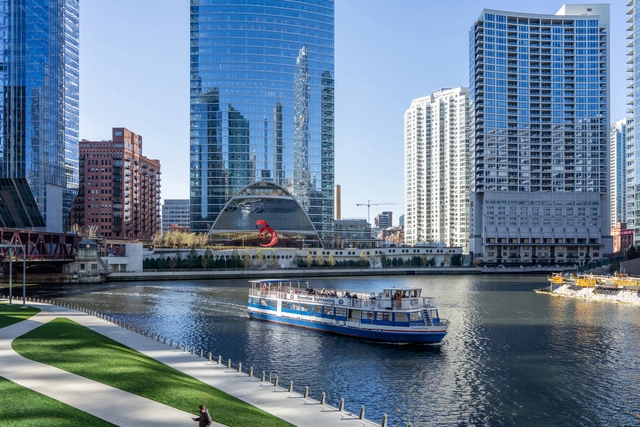
The continuation of remote work practices has altered cities' bustling downtown areas along with the traditional office landscape, leaving behind many vacant spaces whose future purpose is a matter of speculation. Four years after the onset of hybrid working policies, office occupancy rates in urban centers remain lower than pre-pandemic levels, signaling a long-term shift in the work environment. Some developers have aimed to reposition these buildings while other are seeking alternative uses of vacant buildings in central location. While both approaches prove beneficial in their own ways, the potential for repurposing office buildings is vast and exciting. From residential living to cutting-edge research facilities, architects and developers explore diverse possibilities and challenges of transforming these underutilized structures into thriving new spaces.
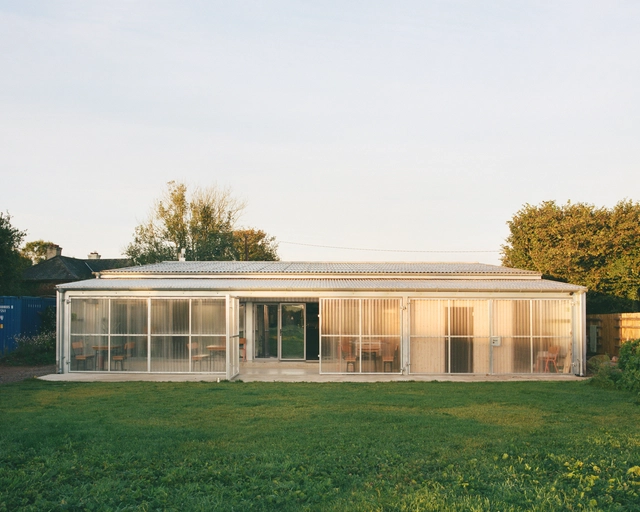
Selected by ArchDaily as one of the Best New Practices of 2024, IDK is injecting a fresh and dynamic approach to building communities with quality architecture. Mike Lim, James Pockson and Roddy Bow met while studying for their master's degree in Architecture at the Royal College of Art (RCA and founded their architecture practice, IDK in London in 2019. The three, driven by a strong mission, to help communities and progressive institutions, organizations and cultures thrive – have been researching and delivering community-oriented projects that embody experimental building with a holistic approach. Their work focuses on nurturing social development, with an emphasis on ecological awareness, local material use, smart resource and budget management, respectful refurbishments, and designing only what is necessary without "over-building."
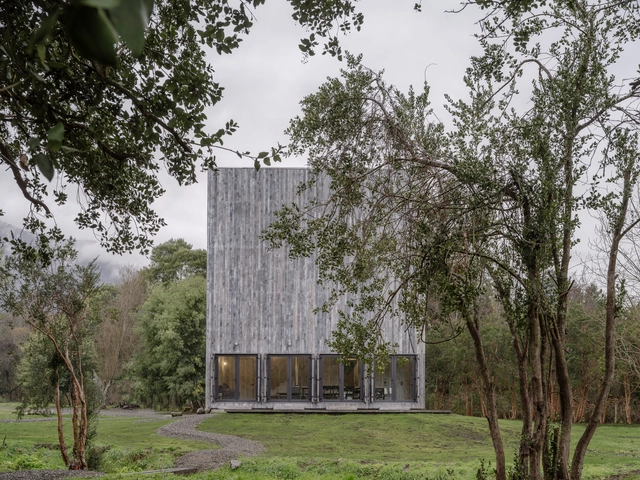
The use of wood in Chilean house construction reflects the utilization of a renewable resource available in the country. Moreover, it can be an extremely sustainable material when produced and processed under certain conditions, as it can have a very low carbon footprint. It is characterized by its warmth, resistance, and durability as a construction system.
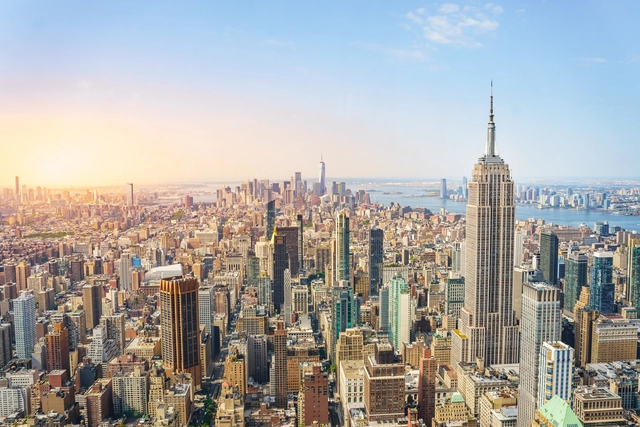
In 1853, at the New YorkWorld Expo, a man climbed onto a suspended platform and ordered the rope supporting it to be cut. He dropped a few inches, but the safety system activated, and the platform remained stable, to the delight of the watching crowd. At that moment, perhaps not even Elisha Graves Otis realized how his invention would permanently change the course of architecture.
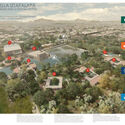
Located in Mexico City, the municipality of Iztapalapa has some of the most densely populated areas within the metropole. Serving a population of 1,800,000 people, many of them with lower incomes, the municipality struggles to provide sufficient public spaces and amenities. In an effort to correct this, the administration set out to take underutilized and abandoned plots of land and transform them for public use. Utopia Estrella is one of these initiatives. Located near Mexico City’s largest water treatment plant, the project combines a socially engaging architectural program with a pedagogical approach to the role of water infrastructures in the larger ecosystem. Designed by Cano Vera Arquitectura, the project has been recognized as the Gold Prize Winner of the Holcim Awards 2023 for Latin America. In a video interview for ArchDaily, Juan Carlos Cano of Cano Vera Arquitectura discusses the impact of this project, its goals, and the unique conditions that led to its development.
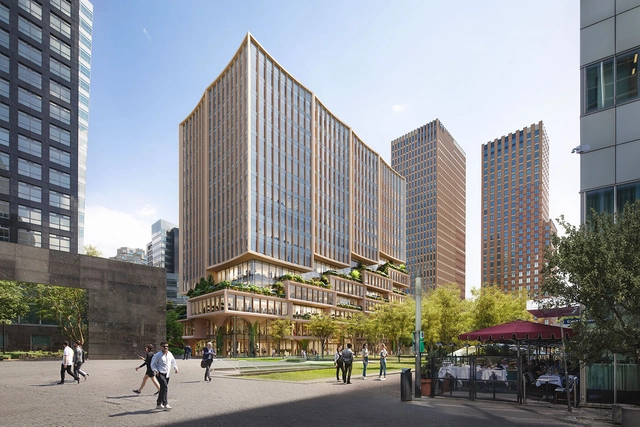
3XN GXN has revealed its design for Mahler 1, a 15-storey mixed-use office building. The structure, developed in collaboration with Victory Group, Icon Real Estate, and Erik Dhont Landscape Architects, features a hybrid-timber construction system that creates a stepped volume, breaking down the building’s mass. At the street level, the development offers a wide variety of public amenities, striving to become an active hub for both residents and office workers. The project is expected to begin construction in the first half of 2025 and conclude in late 2027.
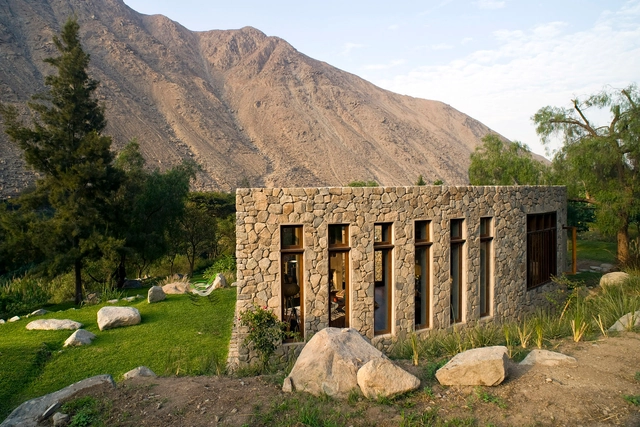
Organizing, shaping, stacking. Transforming raw materials from the soil into architecture. This is a challenge that many Latin American architects embrace, demonstrating that scarcity can be daunting but also a rich opportunity to unleash creativity.
The use of materials extracted from the local soil serves a dual purpose. In regions with limited industrialization, using locally sourced materials makes economic sense because industrial materials such as concrete and steel are expensive and often require long-distance transportation, adding to their cost. Environmentally, choosing locally sourced materials from the start of a project reduces transportation needs and carbon emissions, supporting sustainability efforts.
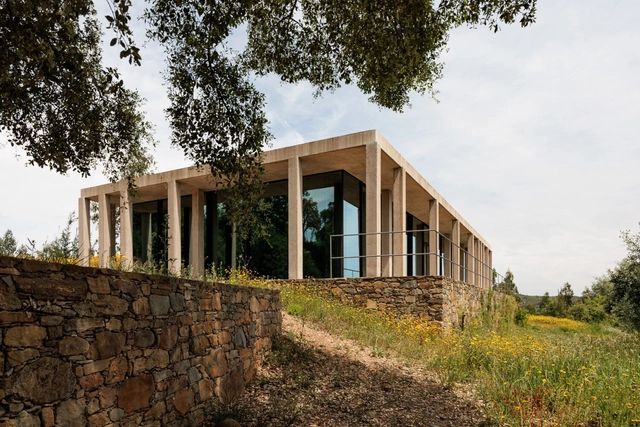
Many ancient Egyptian, Greek and Islamic religious buildings share a common feature known as hypostyle. Defined as rows of columns that support a roof, this solution has developed in different cultures in different periods of time, which can explain the variety of materials, shapes, sizes and distances between the columns that can be found around the world. Famous examples of the use of this concept are Great Hypostyle Hall (c. 1290–1224 BC), part of the Karnak Temple Complex and one of the most visited monuments of Ancient Egypt, and the Wooden Hypostyle Mosques of Medieval Anatolia (c. 13th and mid-14th centuries), World Heritage Site located in present-day Turkey.
In contemporary architecture, it is possible to see different kinds of examples of how this concept is revived. While some projects use the concept to refer to vernacular architectures that correspond to the same program and use as the proposed building, as is the case with some mosques, others rely on the abstraction of the term through an interpretation that highlights the pillars and their organization in the proposition of the space. In all of them, however, it is clear that the relationship between the hypostyle inspiration and modular architecture is very close, practically intrinsic.
Surface preparation is crucial in ensuring the longevity and effectiveness of coatings in construction. In fact, studies show that up to 80% of premature coating failures can be attributed to inadequate surface preparation. These failures typically manifest in the form of peeling, blistering, and cracking, which diminish a building's appearance and compromise structural integrity.
Building façades are highly visible and exposed and bear the brunt of environmental factors. Poor surface preparation has a direct impact on the long-term performance and appearance of façade finishes, which can in turn suffer from accelerated degradation, necessitating frequent maintenance and repairs.
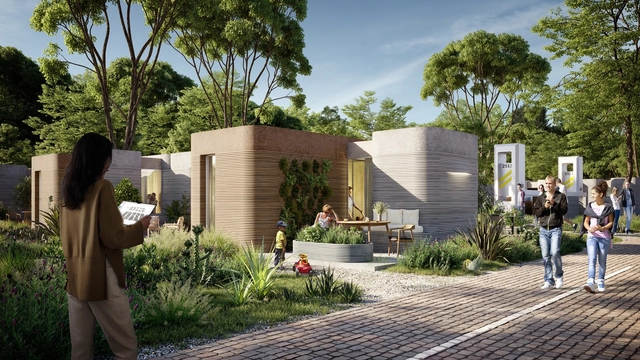
German-based architecture and design studio Beta Realities has developed the “Collective Parts” initiative, a design and technology platform for enabling the construction of affordable 3D printed housing. The project has been recognized as one of the winners of Inititative99by ICON, a global architecture competition aimed at reimagining affordable housing that can be built for under $99,000. The other winners of the open category are MTspace Studio from New Zealand and For Everyday Life from the United Kingdom. The competition also highlights contributions from students as a separate category, featuring Casa Fami by IAAC from Spain, Juan Felipe Molano from Colombia, and Victoria Roznowski from Germany.
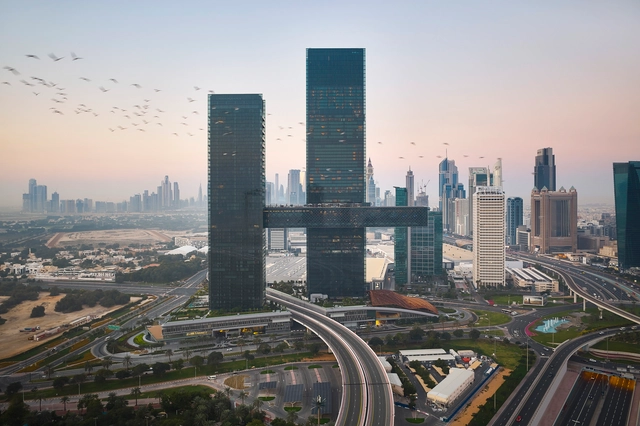
Japanese design firm Nikken Sekkei has just completed a new building in Dubai’s central financial district, encompassing the “World’s Longest Cantilever,” which floats 100m above ground. Compromising two towers connected by an enclosed horizontal bridge, “One Za’abeel” acts as a new point of entry into the city. Designed to be a symbol of Dubai’s growth and expansion, the project offers easy access to the downtown region. The scheme features restaurants, retail spaces, workspaces, and urban hotel accommodations.