Meet the architects and designers of the future as their newest work comes together, and take a peek behind the doors of the world's #1 university for art and design.

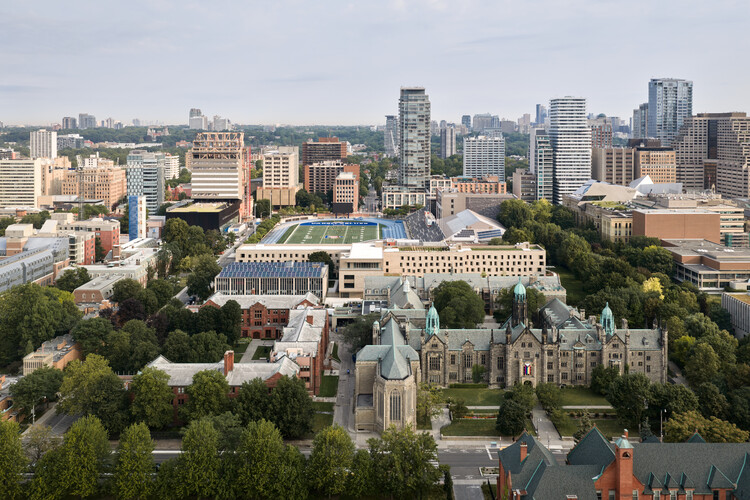
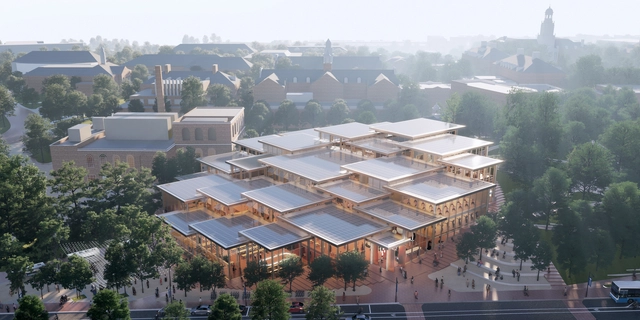
Johns Hopkins University has selected BIG to design its new Student Center, regenerating the heart of its campus and reviving the social experience, from a shortlisted list of 4 offices, after a months-long international competition. Entitled “The Village”, the proposal is an “open, modern, and welcoming facility envisioned as a social engagement hub for all members of the Hopkins community”.


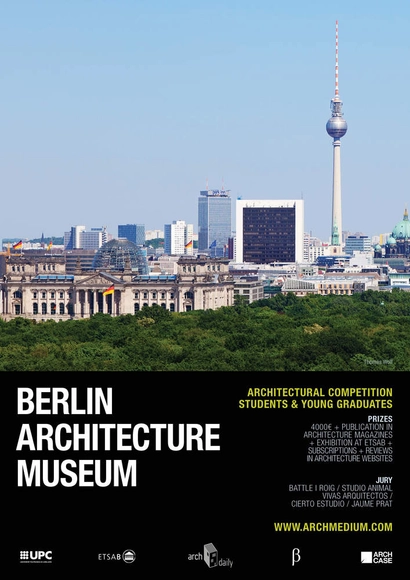
Berlin has been a main witness of the greatest cultural, religious, political and artistic transformations of Europe throughout the centuries and its architectural and urban heritage allow us to revisit through its streets, monuments and buildings the convulsive history of this continent. From its origins in the middle Ages it has witnessed the raise of the Prussian Empire and its collapse after the First World War, its resurgence as the Weimar Republic and later the formation of the III Reich. It has seen the horrors of World War II, occupied and divided by a shameful wall for almost 30 years and later, after its fall, it has experienced the reunification of a country to finally establish itself as the most important capital of Europe.

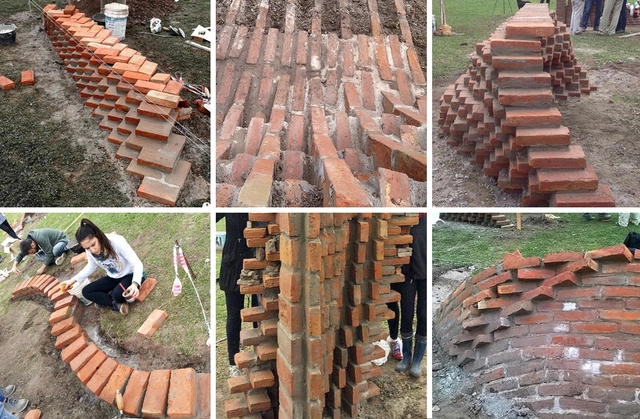
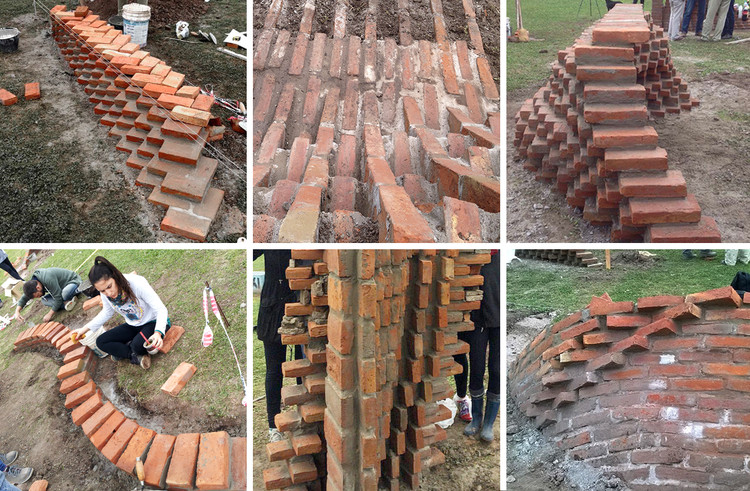
Argentine firm Estudio Arzubialde and Chilean architect Verónica Arcos led a Material Experimentation Workshop in Rosario, Argentina, during which six different groups of students designed and built projects using a variety of brick laying techniques.
Each project used different brick patterns based on simple rules, resulting in a structure with a certain degree of geometric complexity.

The Architects' Journal’s 2018 student survey has revealed troublesome, though perhaps not surprising, trends within the profession. The results of the survey, drawn from nearly 500 students in the UK, suggest that the economically fortunate are more likely to succeed within a culture that promotes unsociable and unhealthy working hours.
The numbers paint a bleak picture of the architecture student lifestyle in the UK, where, including tuition fees, students are now forking out an average of £24,000 per year. 44% of respondents identified this as the largest problem for them and their peers.
So as the traditional route into the profession becomes “increasingly out of reach for many,” is it time for schools and offices to reevaluate their methods in order to maintain a diverse, accessible architecture?

The four winners of the Young Talent Architecture Award (YTAA) 2018—a competition run by the European Commission, the Fundació Mies van der Rohe, the Architects’ Council of Europe, and the European Association for Architectural Education—have been announced. With “implicit social and cultural relevance,” each of the winning projects deals with the theme of heritage in a personal yet visionary manner, leading to a set of projects that “show good architectural citizenry.” In the second edition of the competition, 451 students from 118 schools participated, representing 32 countries from across Europe (with China and South Korea participating as Guest Countries).
Read on to see the four winners with descriptions of their projects provided by the Young Talent Architecture Award.