How did a material conceived for bridges, factories, and large-scale structures make its way to the living room bench, the apartment bookshelf, the café table? For centuries, metal was associated with labor, machinery, and monumentality—from the exposed structures of 19th-century World’s Fairs to the productive logic of modern industry. Its presence in domestic interiors is not self-evident but rather a cultural achievement: the transformation of an industrial material into an element of everyday, intimate use, in close proximity to the body.
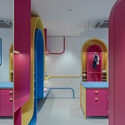
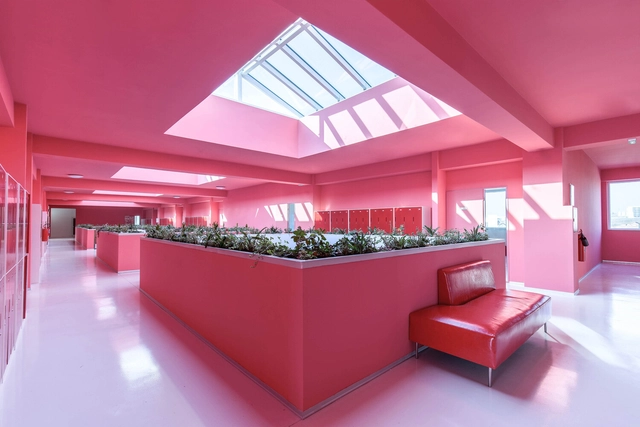
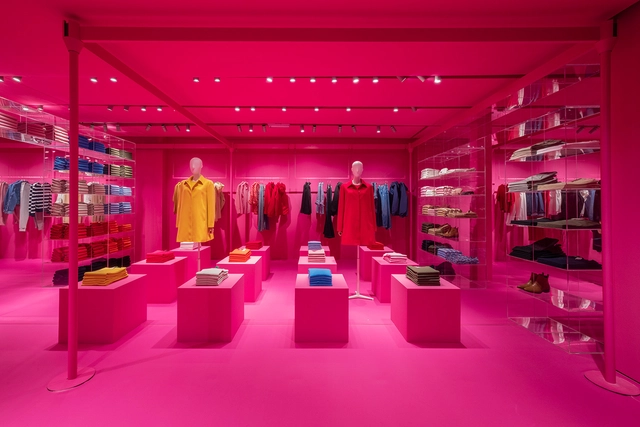
In recent years, pink has evolved beyond its traditional associations to become a sophisticated and versatile element in architecture and interior design. Defined by a broad spectrum of shades, pink encompasses both warm and cool tones, ranging from pure red tints (R) to blends with yellow (Y80R, Y90R) or blue (R10B, R20B, R30B), as classified by the Natural Color System (NCS). While difficult to define by a single shade, this color balances vibrancy and softness, making it adaptable across different materials and contexts. As pink continues to gain prominence in contemporary interiors, its role extends beyond being a mere color choice—it is a design strategy. The recent transition from the bold, playful pinks of the "Barbiecore" trend to softer, powdery hues seen in fashion and design in 2025 fashion collections, highlights the color's adaptability. Its presence in Pantone's 2025 color palettes, also reinforces its appeal across disciplines. When applied thoughtfully, pink can transform spaces, making them feel inviting, expansive, or timeless.
Benetton's physical store to mimic its virtual environment. Image Courtesy of Benetton
The evolution of retail design warrants a study of architectural practice in the digital realm. While physical commercial spaces have been the conventional center of shopping experiences, the emergent frontier of the metaverse—an interconnected network of virtual 3D environments—indicates an important shift in brand-consumer interactions. For architects, this liminal space presents a unique canvas, free from the material constraints that have traditionally molded design ideations. The metaverse is a new terrain where the architecture of imagination may be fully realized, inviting a reconceptualization of retail design possibilities.
As we wrap up 2022, we take a look back at how this year introduced new adaptations to the way we live, work, and interact with our built environment, especially after emerging from years of unprecedented changes. One way to describe this year's design identity is that there isn't one. Going through this transitional period, inspiration came from foreign travels, immersive virtual worlds, being one with the planet and the serenity that came with it, platforms that promote expressionism and individuality, and a trend-setting generation known for its bold perspectives.
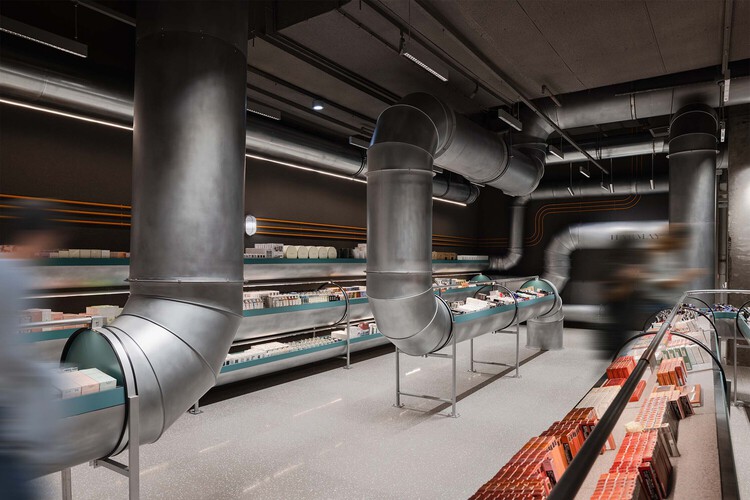
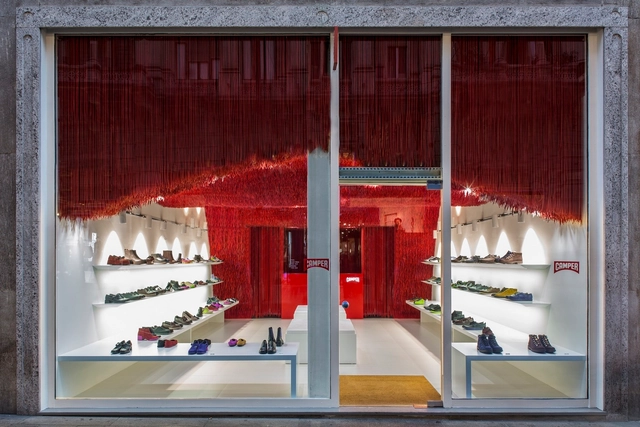
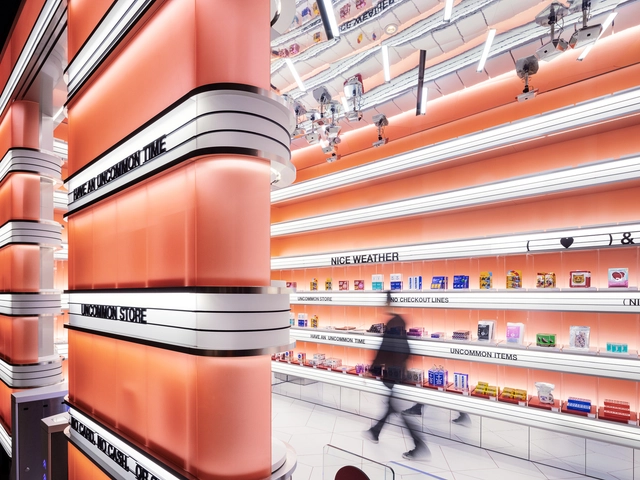
Creating a showcase is more than just displaying products, just as designing a store goes beyond a showcase. Both charges reinforce the concept of a collection, attract customers and improve a brand’s image. It is no coincidence that many architects work in the Visual Merchandising area along with graphic and interior designers, retailers, and stylists, to design a spatial experience that generates a unique narrative and brings greater customer engagement to the store.
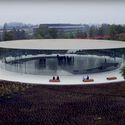
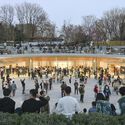
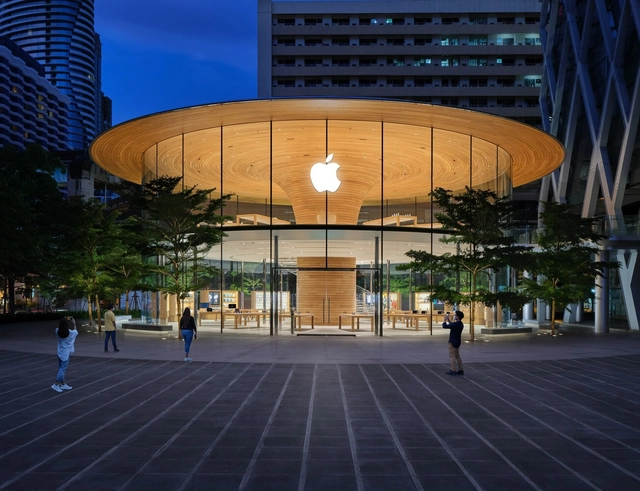
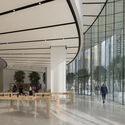
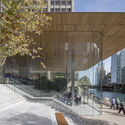
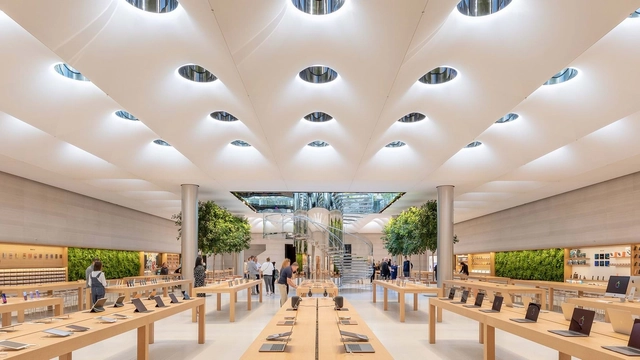
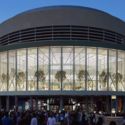
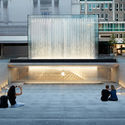
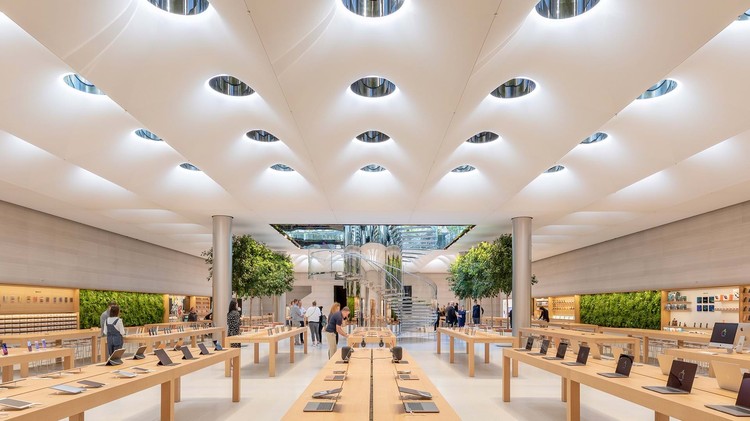
At first glance, it seems that Apple's strong retail design has derived from consistent design. But since Steve Jobs opened the first AppleStore in 2001, the brand has changed its store and lighting design concept five times. Thereby change appears as a central factor when a brand grows and expands internationally. For each period Apple developed sophisticated details and has strived for the perfect sky in their store - a smart strategy to enhance naturalness and sustainability.
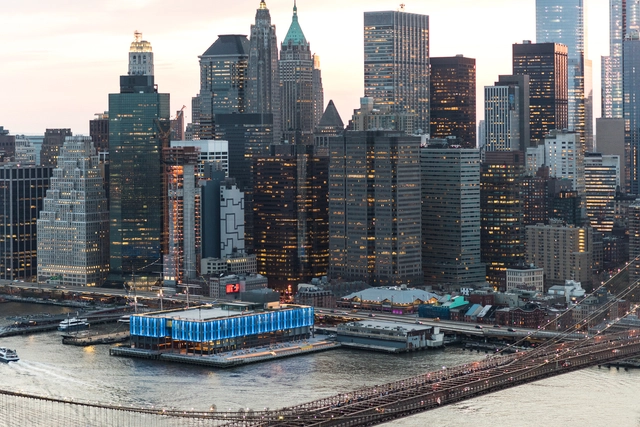
Pier 17 South Street Seaport. Image Courtesy of Bendheim
Nowadays, new technologies for the treatment of glass provide new ways to use this material in architecture. Applied indoors, specifically in retail stores, glass in its different textures, colors, finishes and levels of transparency can allow the unobstructed view of certain products, hide more private areas without blocking the passage of light, and attract the attention of customers as focal points, among many other uses.
Review below a selection of applications in commercial projects.