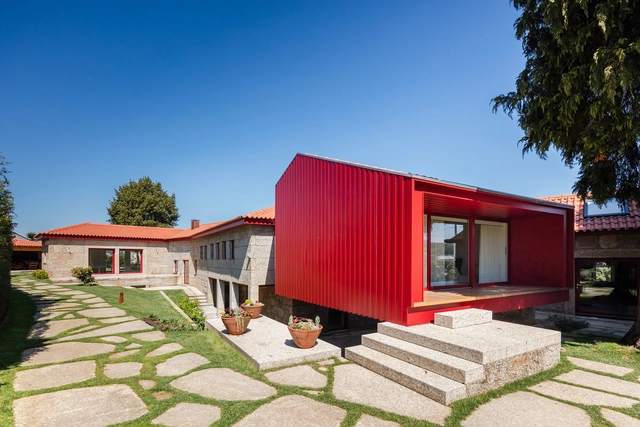
German design has become synonymous with accuracy, efficiency and precision. While the stereotype has roots in geography and local culture, the country's built environment reflects an affinity for structure, privacy and order. Combined with influences across Europe, Germany's contemporary architecture showcases refined forms and an emphasis on craft.
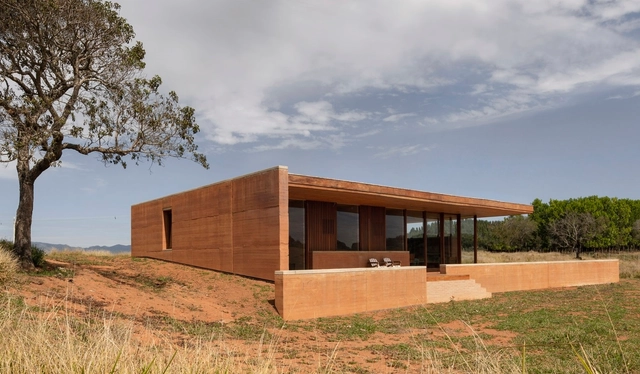
The architecture of Cyprus has been defined by larger geopolitical forces throughout history. Located in the Eastern Mediterranean, the island country is shaped physically and socially by the Cyprus dispute. Dating back to the bronze and iron ages, its architecture has been influenced by the Greeks, Assyrians, Egyptians, Persians, and Romans. Today, new homes are built across the island that reinterpret past building methods and construction techniques.
“Home” is a new documentary series created by Apple TV+ that takes viewers on a tour of some of the world’s most intriguing dwellings. The first season, spanning nine episodes, showcases how domestic architecture is being re-evaluated across different contexts and geographical areas, taking radical, innovative, and highly creative forms.
Humanity is facing a collective new challenge unprecedented in our lifetime. One of isolation, driven by self-quarantine, for a period unknown. It is a social experiment with no predictable outcome. But one constant in the equation is architecture.
With over half the world’s population inhabiting cities or densely populated areas, billions of people are currently residing in small spaces, disconnected from one another by brick, concrete and steel. The social housing experiment of the 1950s and 60s created a new architectural typology, which was compounded by an underlying social construct, driven by capitalism, that told us to mind our own business. Somehow, during the age of high rises that followed, turned this idea of isolation into a status symbol, as private penthouses, accessed by private elevators, today float high above the city streets.
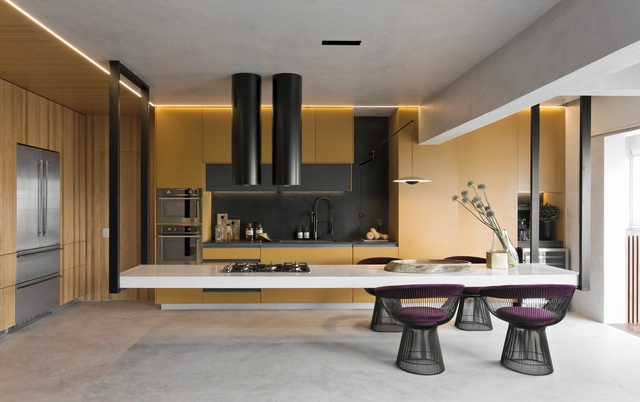
When designing residential spaces, be it a new construction or a renovation, the kitchen is a space that tends to be one of the most complex. Not only does it need to serve a very specific function, but it also needs several pieces of furniture, household appliances, and the ability to adapt to electrical and plumbing considerations. Kitchens often also serve as an hub for social interactions and family gatherings, so it is critical that the space can provide a degree of flexibility.
Design and the City is a podcast by reSITE, raising questions and proposing solutions for the city of the future. In the seventh episode, Christopher Cabaldon, the longest-serving mayor in West Sacramento’s history, an LGBTQ+advocate, talks about the urban regeneration of his city, from a former industrial town to an urbanized, livable community.
Focusing on competition entries, this week’s curated selection of the best-unbuilt architecture from our readers' submissions, highlights projects from across the globe, presented part of international contests. Some are winners, some are not but all of the featured schemes have an intriguing conceptual approach, and a different story to tell.
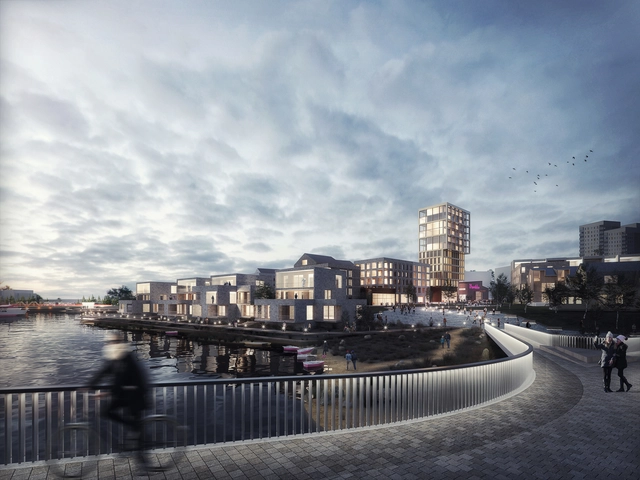
Tackling diverse programming, the entries include an urban public housing proposal in South Korea, the Dianju Village Library in China and a new Future-Oriented Neighborhood in Finland combining urban and sustainable living. Moreover, the article showcases rare and unconventional functions like a hospital for psychiatry & neurological diseases in Turkey and an intervention on a famed Oscar Niemeyer site.
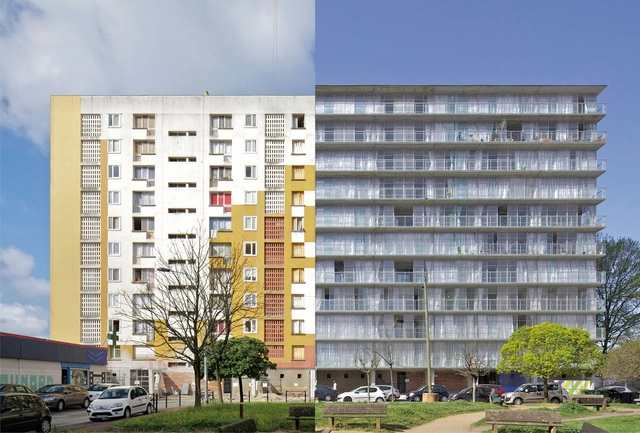
Last year’s granting of the Mies van der Rohe Award to a social housing refurbishment project brought into the spotlight a topic of interest for many European cities: the moral and physical rehabilitation of post-war housing blocks.
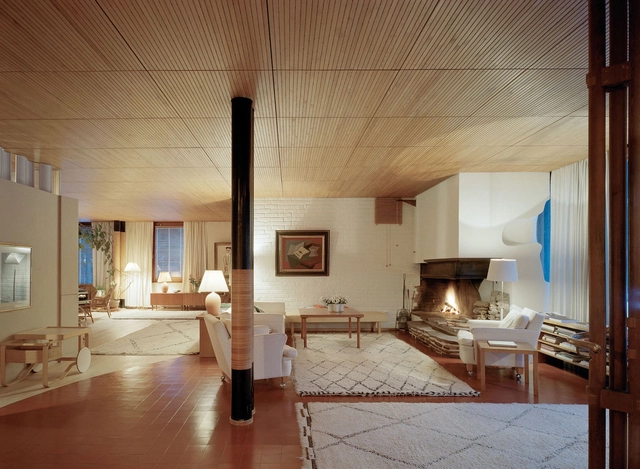
The 20th century in the design world was a period of new ideology on building form, material explorations, and ultimately, the emergence of the modern architecture movement as we define it in the present day. The expression and experimentation of architects in this era resulted in interior spaces that are now considered to be “classics”, due to their relevance and their long lasting effects that they have on the architectural discourse.


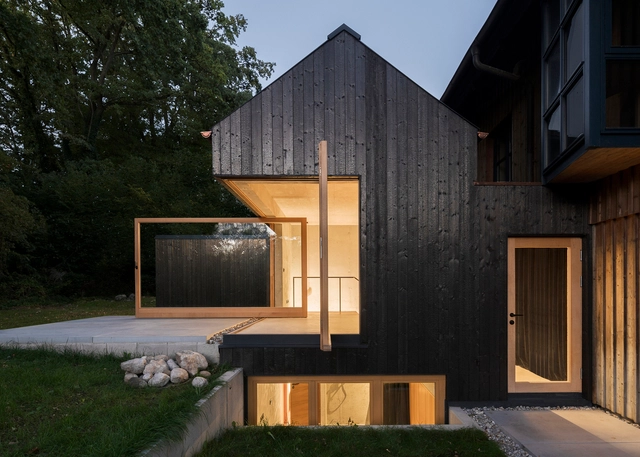





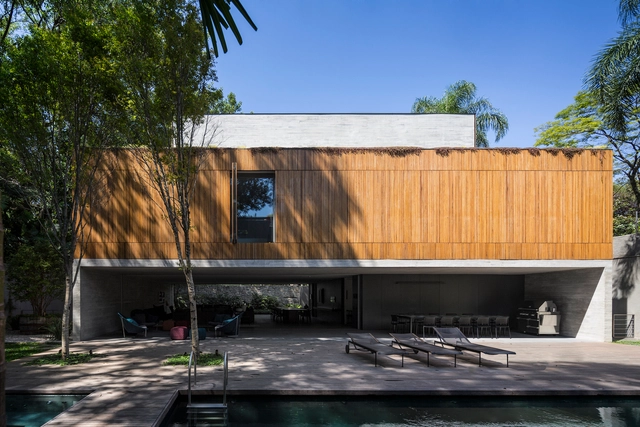


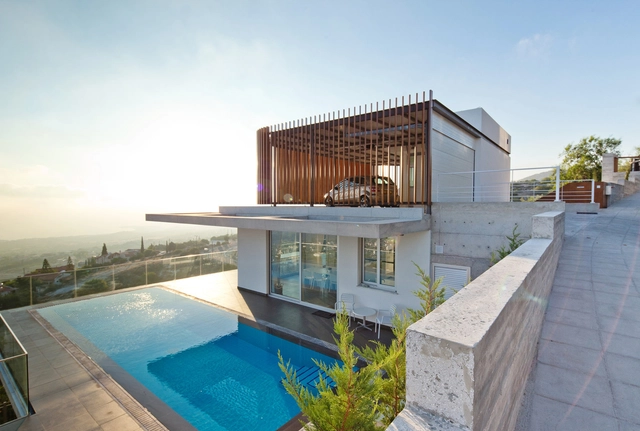


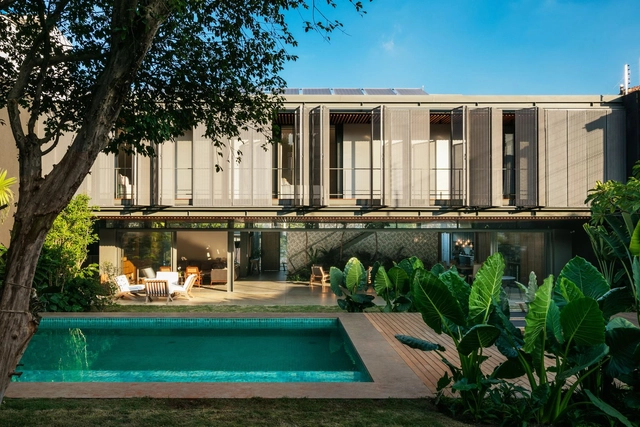









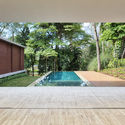
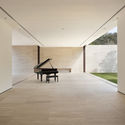
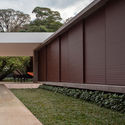
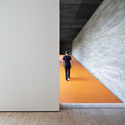

.jpg?1586908171 "© Federico Cairoli")
.jpg?1586907956 "© Federico Cairoli")
.jpg?1586908151 "© Federico Cairoli")
.jpg?1586904288 "© Federico Cairoli")


JakubCervenka_1_(481_of_589).jpg?1585311385&format=webp&width=640&height=580)




JakubCervenka_1_(481_of_589).jpg?1585311385)


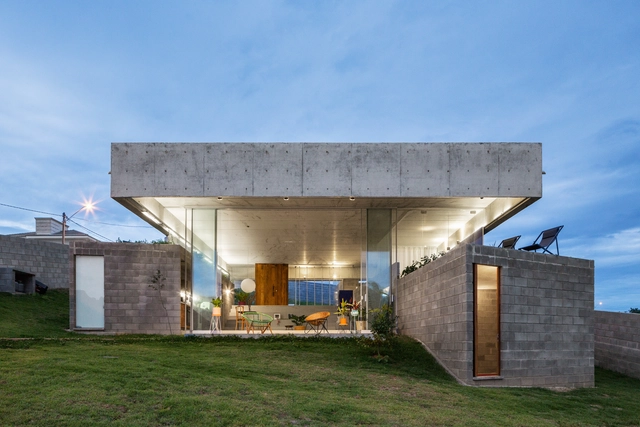
![ARN 01 House / [i]da arquitectos - Interior Photography, Houses, Kitchen, Facade](https://snoopy.archdaily.com/images/archdaily/media/images/5f85/d83e/63c0/1777/3a00/02ec/slideshow/04-DSC08286-1.jpg?1602607138&format=webp&width=640&height=580)
![ARN 01 House / [i]da arquitectos - Interior Photography, Houses, Kitchen, Countertop](https://images.adsttc.com/media/images/5f85/e263/63c0/173b/c600/03c4/thumb_jpg/40-DSC07817-1.jpg?1602609734 "Cortesia de [i]da arquitectos")
![ARN 01 House / [i]da arquitectos - Interior Photography, Houses, Facade, Stairs, Handrail, Lighting](https://images.adsttc.com/media/images/5f85/e1a9/63c0/1777/3a00/0326/thumb_jpg/37-DSC08765-1.jpg?1602609559 "Cortesia de [i]da arquitectos")
![ARN 01 House / [i]da arquitectos - Interior Photography, Houses, Kitchen](https://images.adsttc.com/media/images/5f85/dd1a/63c0/1777/3a00/0306/thumb_jpg/19-DSC07987-1.jpg?1602608377 "Cortesia de [i]da arquitectos")
![ARN 01 House / [i]da arquitectos - Interior Photography, Houses, Facade, Chair](https://images.adsttc.com/media/images/5f85/da4f/63c0/1777/3a00/02fc/thumb_jpg/14-DSC08665-1.jpg?1602607667 "Cortesia de [i]da arquitectos")
![ARN 01 House / [i]da arquitectos - More Images](https://images.adsttc.com/media/images/5f85/d83e/63c0/1777/3a00/02ec/newsletter/04-DSC08286-1.jpg?1602607138)