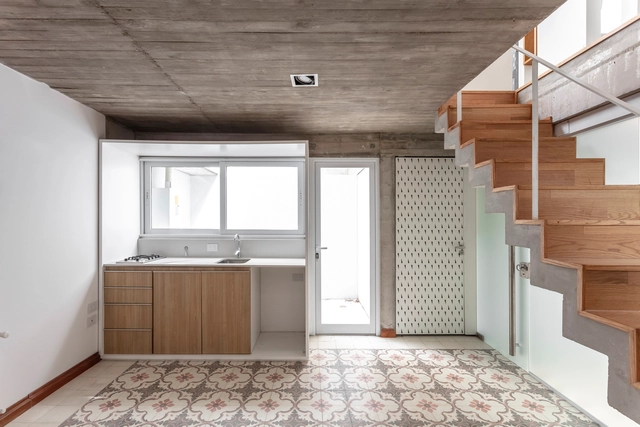
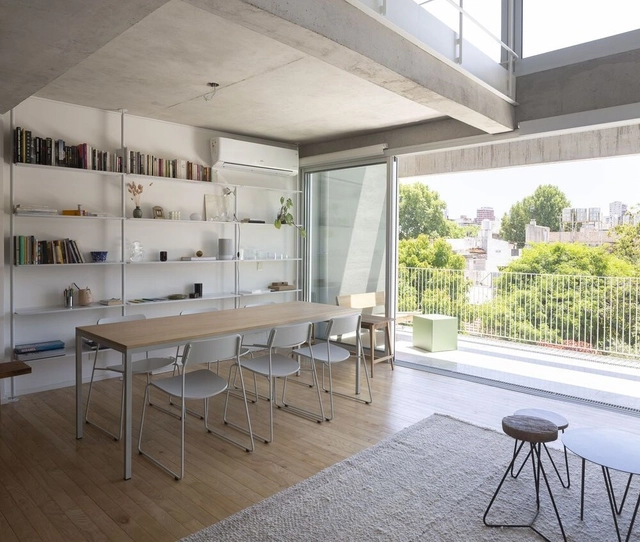
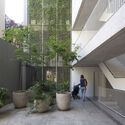
In large cities, it is becoming increasingly common to find buildings that are capable of admitting different configurations and layouts in their internal spaces. Towards the end of the 1960s, duplex typologies began to appear in buildings in the city of Buenos Aires, when the Building Code allowed them to be located in the obligatory setbacks of the upper floors.
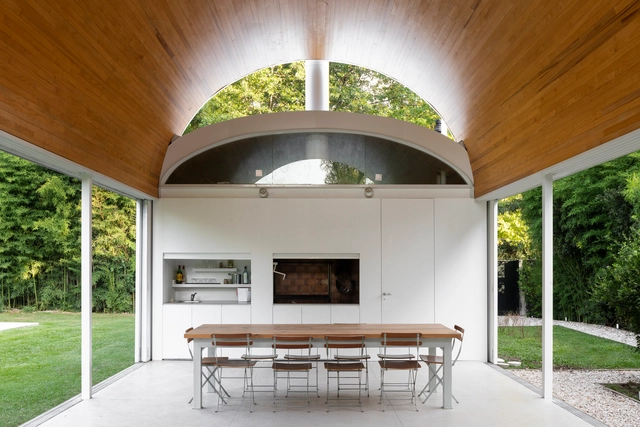
As a protagonist of the Argentinean culinary scene, the barbecue plays a prominent role. In architecture, beyond the dimensions of the spaces where they are installed, grills are consolidated as a meeting point for visitors and residents of the houses, coming into direct contact with the customs and culture of the country.
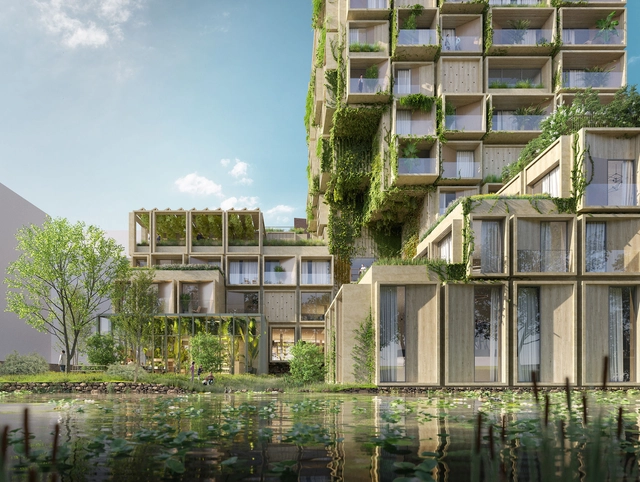
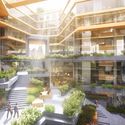
The new apartment complex designed by Venhoeven CS and DS Landschapsarchitecten is characterized by the intention to stimulate biodiversity. Located on a four-acre plot in the Sluisbuurt on the Zeeburgereiland in Amsterdam, the complex will include 82 homes, a parking garage, and spaces for shops and businesses. The nature-inclusive project pays special attention to the design of green roofs, terraces, and facades to create micro-environments for local flora and fauna and to optimize energy consumption.
Adam Neumann, the co-founder of co-working company WeWork, is launching Flow, a new venture that hopes to transform the residential rental real estate market. While the details are still unclear, the company seems to be focused on creating a branded product with a focus on community features, as reported by The New York Times. The company received financial support, approximately $350 million, from Andreessen Horowitz, a prominent Silicon Valley venture capital firm and one of the early investors in Facebook and Airbnb. Flow is expected to launch in 2023.
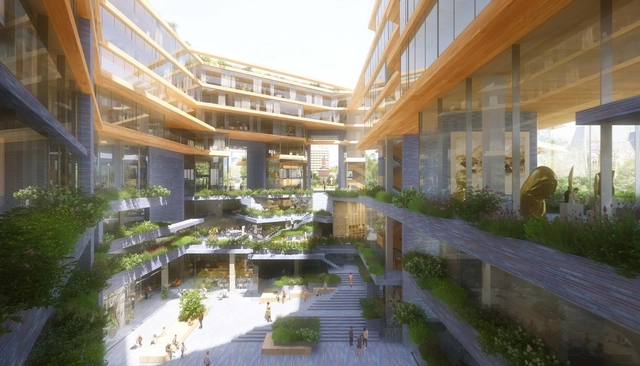
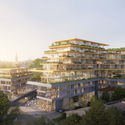
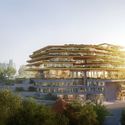
MVRDV has won a competition to design a mixed-use residential and commercial complex on the edge of Jiangbei New Area’s Financial District in Nanjing, China. Dubbed "Oasis Towers", the two 150-metre-tall towers are surrounded by lush landscapes, and will provide residents a green haven within a dense and rapidly developing part of the city.
In addition to their primary function, roofs are one of the most fundamental elements in the aesthetics of a building, taking different shapes, being composed of different structures and sealed by different materials. But, in addition to aesthetics, roofs need to meet the climatic conditions of where they are located, considering the periodic changes related to rain, sun and winds.
Modernist architecture came about in the early 20th century as a response to large-scale changes in technology, construction, and society; particularly through the use of glass, steel, and reinforced concrete. The style was typically associated with the function of buildings from an analytical viewpoint, rational use of materials, the elimination of ornamentation, and openness to structural innovation.
Paul Tunge is a Norwegian writer, director, and cinematographer of Arthouse Films who has been involved in film production since the early 2000s. Having written, directed, shot, and produced four independent films, alongside 3 documentaries, each of his projects has been featured during major film festivals across all continents, in galleries, and various national cinemas and cinematheques.
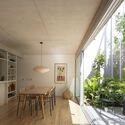
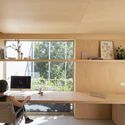
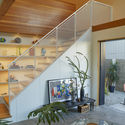
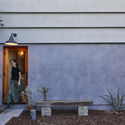
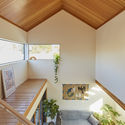
LA-based practice Bunch Design was founded by Bo Sundius & Hisako Ichiki with a focus on light, materials and structure. At the core of their work is a desire to build in more mindful ways, making spaces that enrich everyday life. Recently, the duo have launched BunchADU to create custom and pre-designed Accessory Dwelling Units (ADUs) that can address pressing issues of housing.
In architecture, one of the challenges faced by professionals is the design with sloping terrain. The steep slopes make it possible to think of an architecture that faces this context, being an opportunity to work in contact with the place, the spatiality, the visuals and the different heights.
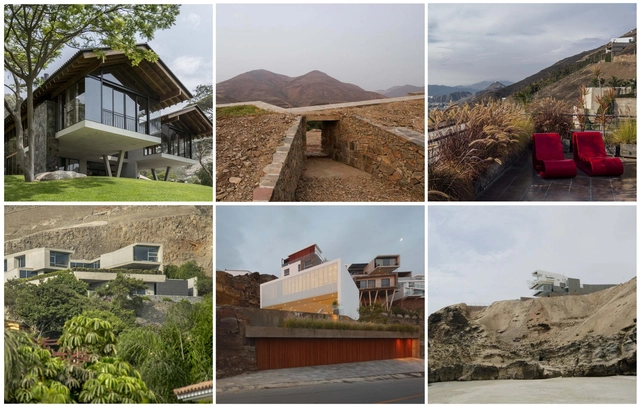
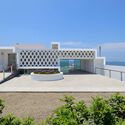
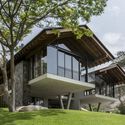
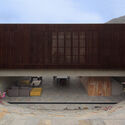
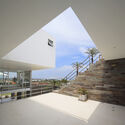
Peru in the western and central part of South America, with its multiple geographical conditions in its three large regions -coast, andean and jungle-, has an architecture that is particularly committed to its landscape. The range of varied solutions has a unique and contextual architecture. The following list shows 10 residential projects in Peru, which reveal diverse architectural approaches.
Rugs are not items that usually go unnoticed in residential environments. In addition to warming the environment and making them more cozy, when used correctly, rugs connect the furniture and give unity to the decor. Here are some tips on how to properly size and choose this item in your home.
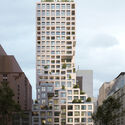
Construction has begun at 126 East 57th street, a project designed by architecture office ODA, with interiors designed by Gambellini Sheppard. On 57th street, a copper mirrored gateway leads residents through the 6-story atrium and toward the 28-story residential tower. The site spans the width of a city block from 56th to 57th street and the proposed tower measures 175,000 square feet, complete with private outdoor terraces for every unit, as the pixelated cast-in-place concrete façade recesses at irregular intervals.
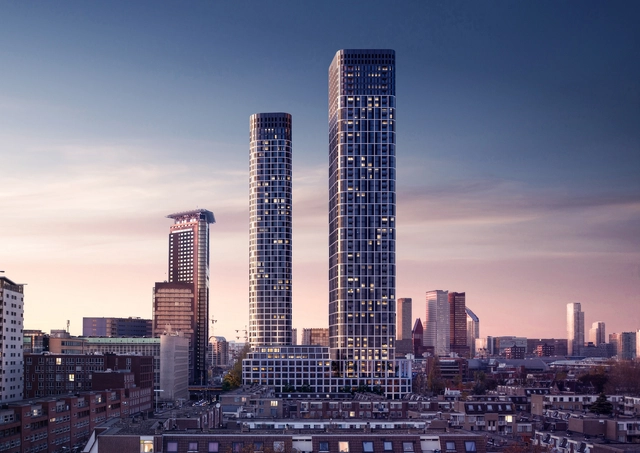
Dutch architecture firm Mecanoo has unveiled the design of what will soon become the tallest high-rise ensemble in the city of The Hague, in the Netherlands. Dubbed "The Grace", the project consists of two towers, one at 150 meters high and the other at 180 meters, becoming the tallest high-rise ensemble in the city. The residential project comes as a response to the growing demand for affordable housing, as well as fostering an enhanced sense of community.
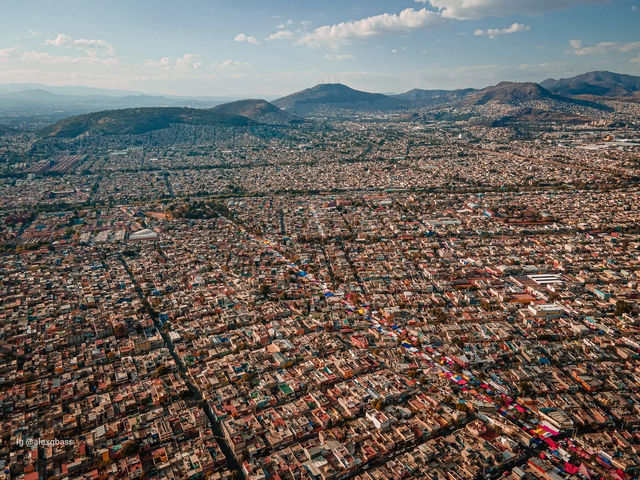
The region we know today as the Metropolitan Zone of the Valley of Mexico (ZMVM) has had a continuous and dynamic occupation for more than 4,000 years. Archaeological and anthropological evidence reveals the presence of complex human societies on the banks of the lake basin, starting with Tlatilco and Cuicuilco in the Preclassic period, passing through Teotihuacan in the Classic period, and culminating with the different urban centres of Nahua affiliation in the Postclassic period, with the cities of Mexico Tenochtitlan-Tlatelolco, as well as Texcoco, Azacapotzalco, Iztapalapa and Chalco, among many others, undoubtedly standing out.
https://www.archdaily.com/984712/the-aestheticisation-of-inequality-contrasting-landscapes-on-the-periphery-of-mexico-cityMónica Arellano y León Villegas
New York City is defined by its architecture, and in turn, diverse ways of living. As the nation's "metropolis," it has also faced some of the most challenging housing problems of any American city. From single-family homes to high-rise residential towers, housing has evolved at different paces and scales throughout the boroughs. In turn, each district and county is home to a wide range of residential styles and housing solutions.
UNStudio has been announced as the winner of the international competition "Un Iași pentru Viitor" to design a new residential district in the historical center of Iași, Romania. For this competition, organized by Iulius company, four offices have been invited to participate, Foster + Partners, MVRDV, UNStudio, and Zaha Hadid Architects. The main challenge of the competition brief was designing a building well integrated into a complex urban environment marked by historic monuments of different ages, new archeological discoveries, and open public spaces and gardens. The winning proposal, titled „Bridging Time, Bridging Communities,” aims to offer a coherent response to the particularities of the site.
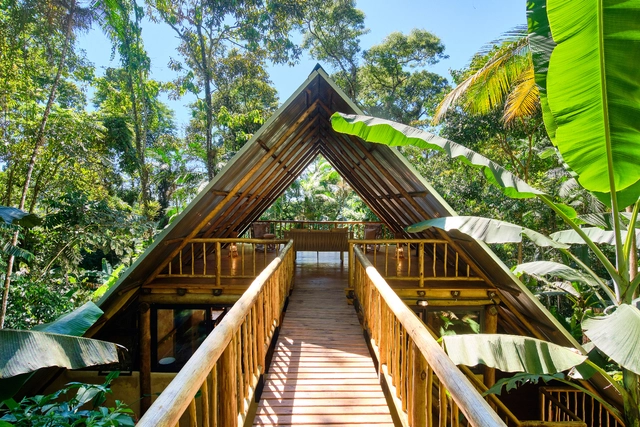
There are extraordinary connections between the natural world and the capacity for creativity in human beings. In his book Last Child in the Woods, journalist and author Richard Louv observes: “Nature inspires creativity in a child by demanding visualization and the full use of the senses. Given a chance, a child will bring the confusion of the world to the woods, wash it in a creek, turn it over to see what lives on the unseen side of that confusion.” He concludes that in nature, “a child finds freedom, fantasy, and privacy: a place distant from the adult world, a separate peace.” The architect Frank Harmon likewise wrote touchingly about the outdoors, woods, and water as perfect settings for cultivating a thirst for learning and discovery: “Children raised by creeks are never bored. Creek children don’t know about learning by rote, neither are they conditioned to working nine to five. Berries are their first discoveries, and birds’ nests, and watching the stars come out. Later they discover books. To creek children, learning is discovery, not instruction.”
https://www.archdaily.com/984628/an-architectural-journey-through-the-woodsMichael J. Crosbie & Suzanne Bott
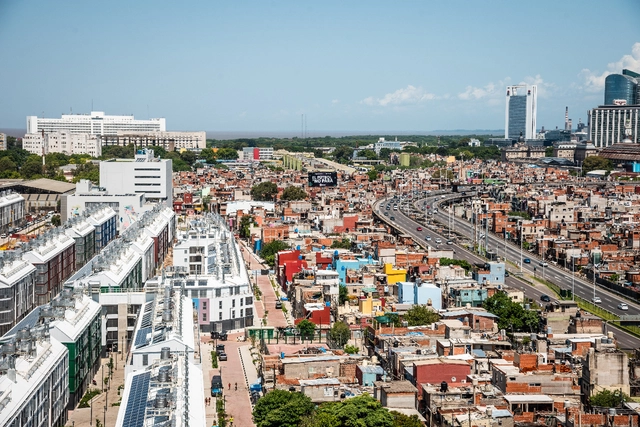
Housing Upcycle Program, Barrio Mugica of Buenos Aires. Image Courtesy of Special Project Unit Barrio Padre Carlos Mugica, Buenos Aires City Government
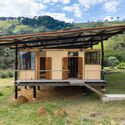
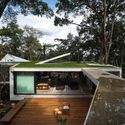
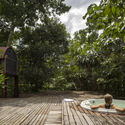
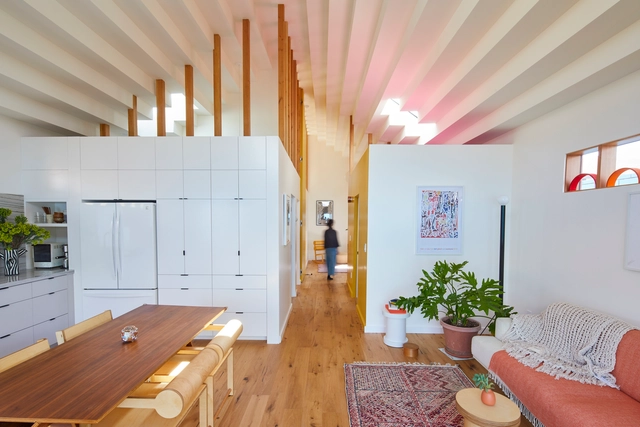
Organized under six categories: Open Category, Improving Energy Efficiency, Adequate, Safe & Affordable Housing, Participatory, Land-Use Efficient & Inclusive Planning, Access to Green & Public Space, and Utilizing Local Materials, the jurors picked a winner per section, yet were unable to identify an overall winner in the open category and chose instead to recognize six projects as Highly Commended, honoring in total 5 laureates and 15 commendations.
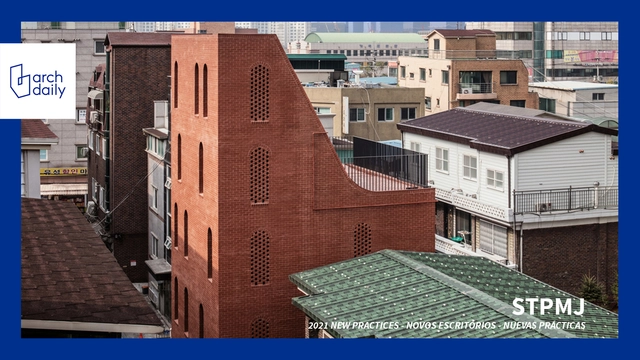
Seoul, similar to numerous large cities across the globe, are characterized by land scarcity, overpopulation, staggering real estate prices, and urban segregation. These living conditions forced architects and urban planners to pursue alternatives, (re)introducing new models of co-living, low-cost housing in suburban areas, and mixed-use developments. However, proximity to work, educational, commercial, health facilities, and public transportation, as well as optimized infrastructure and better governance have sustained living within compact city boundaries desirable. Tucked within the busy streets of Gangseo-gu, Five Story House by stpmj is a project that explores the relationship between single-family housing and dense urban contexts beyond investment value and contextual constraints.























.jpg?1656364895 "Co-creation of Urban Spaces by the Nobogonga River. Image Courtesy of Co.Creation.Architects, Jhenaidah Citywide People's Network, Platform of Community Action and Architecture (POCAA), Community Architects Network (CAN)")


.jpg?1656064406 "© Bae Jihun")


