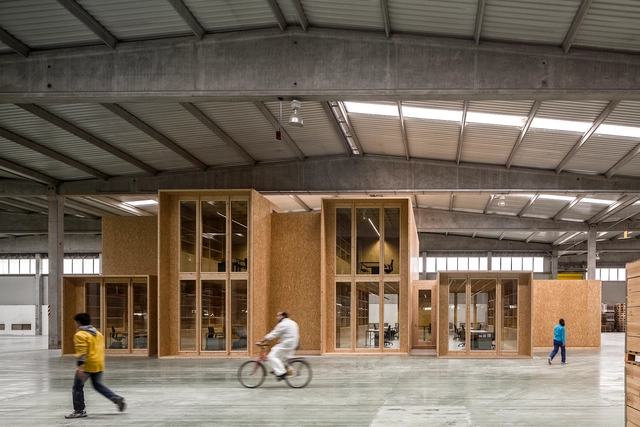
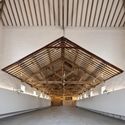
Warehouses, whether industrial or rural, are a type of building that can easily be found all around the world. Some of these shelters are century-old and have probably been built to store products or to accommodate factories. However, due to urban phenomena and new technologies, many of them stopped operating as they were originally used to and started to spark interest in several businesses whose aim was to re-adapt these structures to meet new purposes.
Repurposing a building is not a simple task. Not only does it require keen sensitivity to identify and acknowledge the historical value of pre-existing elements – thereby deciding what will endure over time and what will be replaced by new features, consistent with the current program – but it is also a strategy that pushes the boundaries of design and embraces issues such as sustainability and resource efficiency. After all, we are speaking of recycling a structure, or parts of it, and this impacts both design and the environment.
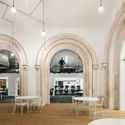
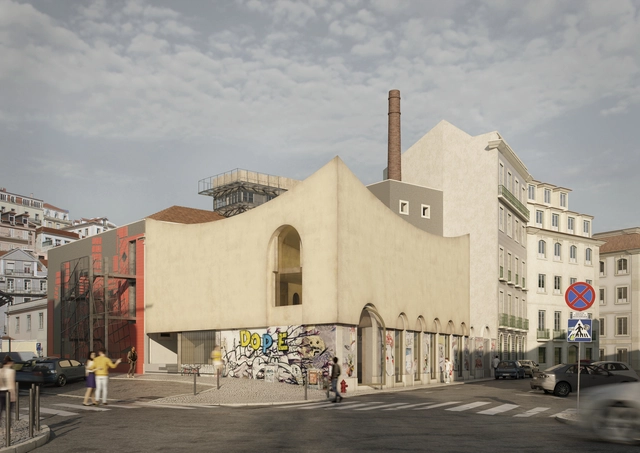
Luís Pedro Pinto has won the tender to expand The Order of Architects Headquarters in Lisbon, Portugal. Selected out of 66 works presented, part of a public design competition, the project, according to the jury, was praised for “its cohesion, coherence and unitary image”.
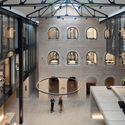
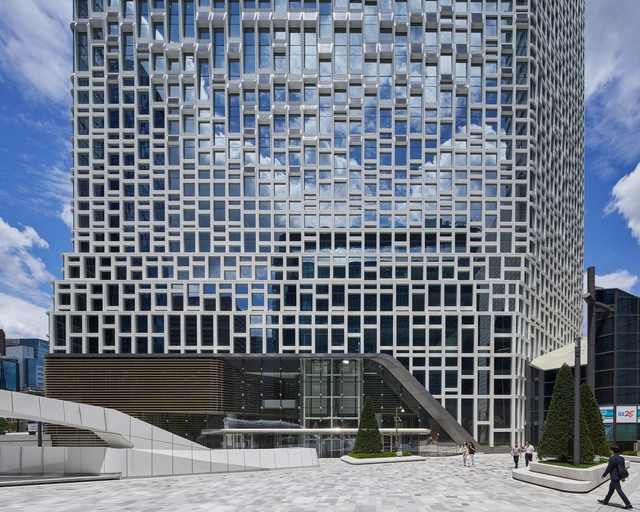
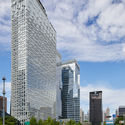
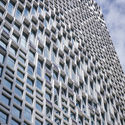
UNStudio has just completed the remodeling works of the Hanwha headquarters building in Seoul, while the building remained fully occupied. The refurbishment operations have created a modern establishment that meets the current sustainability requirements.
This week’s curated selection from our readers’ submissions focuses on some of the essential components of our present-day cities.
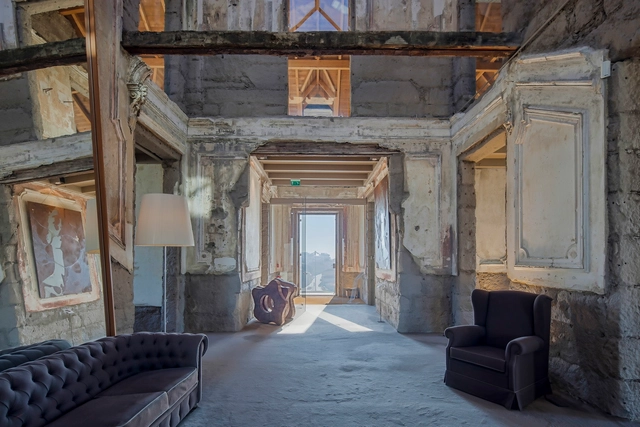
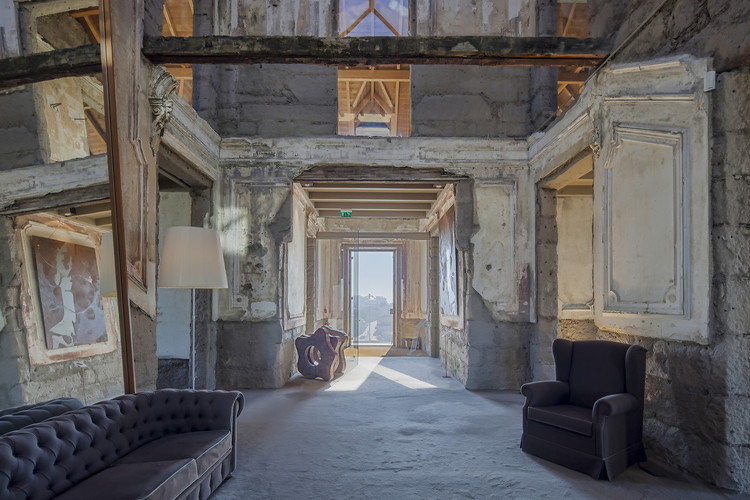
Featuring the best-unbuilt architecture, the article highlights adaptive reuse projects that transformed abandoned warehouses and factories, a street design in Luxembourg, a regenerative master plan in Seoul, and an emergency family accommodation to temporarily house those in need. Moreover, the roundup distinguishes a library in South Korea and an extension of a museum in Helsinki, because the cultural aspect is an integral part of our urban environment.
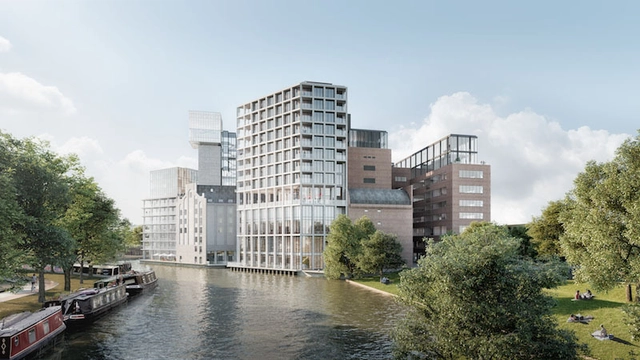
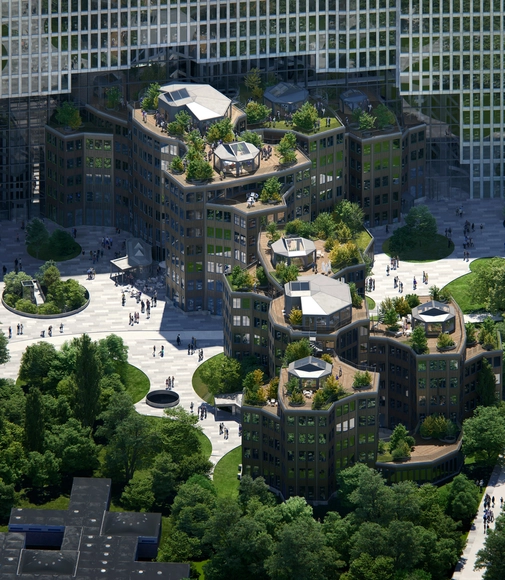
MVRDV has revealed a renovation scheme for the Tripolis office complex in Amsterdam, originally designed by Dutch architect Aldo van Eyck. Entitled Tripolis Park, the proposal that will accommodate the offices of Uber, will also enlarge part of the existing space, add an office block and a new park.
Part of a bigger vision and a master plan by Peter Zumthor, Studio Akkerhuis’ new 55.000 square meter project in Leiden’s 19th-century flour mill complex is under construction. With a landscape by Piet Oudolf and Lola, the development that recently won the "Future Project - Commercial Mixed Use” at WAF, will include shops, galleries, apartments, workspaces, a hotel, and a spa.


























.jpg?1587722437 "Courtesy of UNStudio")






.jpg?1444378787&format=webp&width=640&height=580)
.jpg?1444378202 "© Shengliang Su")
.jpg?1444382969 "© Zhang Yanping")
.jpg?1444379359 "© Zhang Mingming")
.jpg?1444381335 "© Shengliang Su")
.jpg?1444378787)







-yard_24.jpg?1578239322&format=webp&width=640&height=580)
-yard_13.jpg?1578237955 "gif. Image © Zhi Xia")
-yard_14.jpg?1578237988 "interior bamboo garden. Image © Zhi Xia")
-yard_16.jpg?1578238753 "layering and transparencies. Image © Zhi Xia")
-yard_17.jpg?1578238848 "the bamboo garden. Image © Zhi Xia")
-yard_24.jpg?1578239322)