- Area: 9339 m²


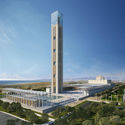
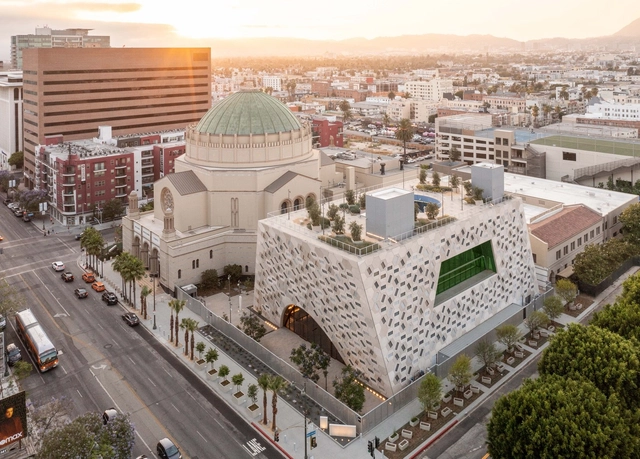
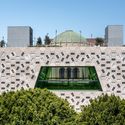
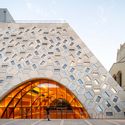
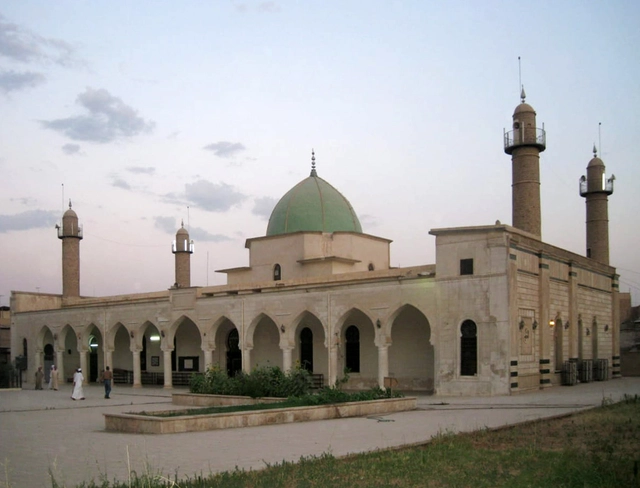
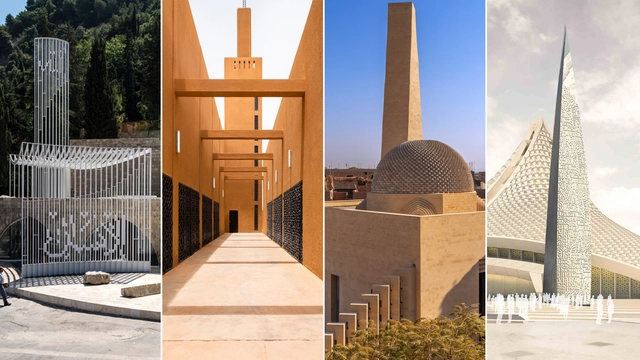
Islamic architecture has been perhaps one of the most culturally significant typologies throughout history. Not only do the buildings themselves serve as centers for community and social services, but their designs reflect Muslim beliefs and morals, and reveal the rich history of nations in the Middle East.
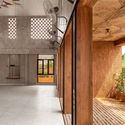


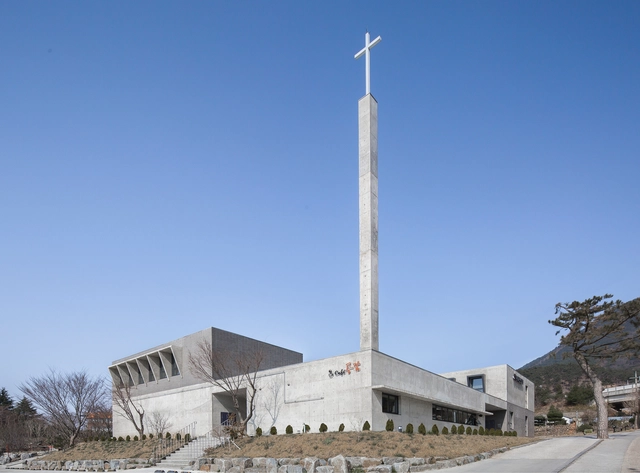
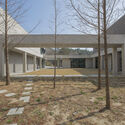
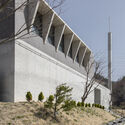
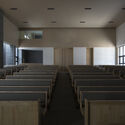
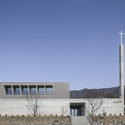
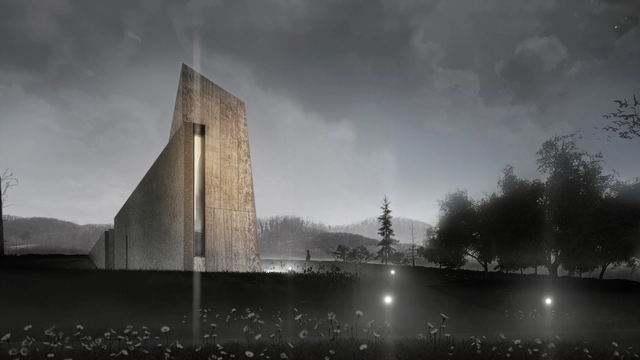
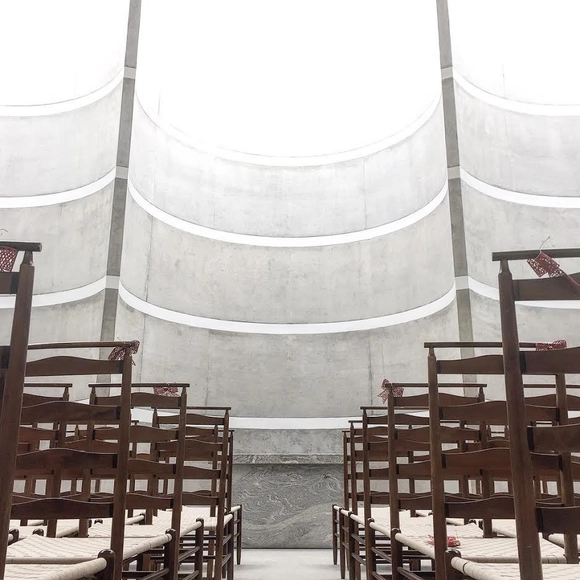
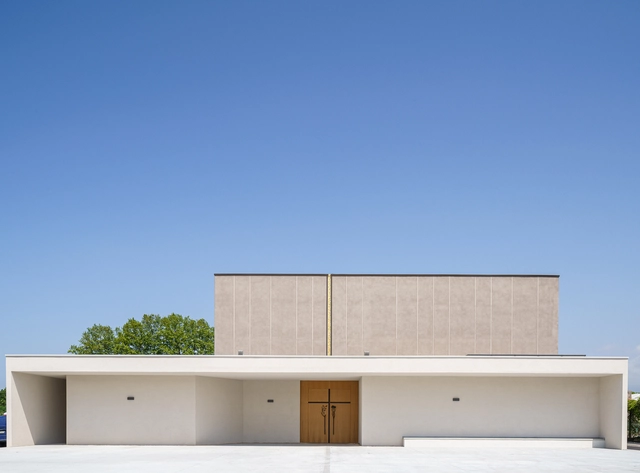
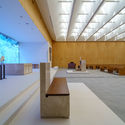
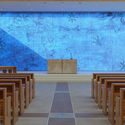
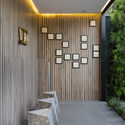
Changtteul Church, is an old place of worship in Gyeonggi-do, South Korea, that gets its name from the term "changtteul", meaning "a frame containing a window", in Korean. As its name suggests, the building's character lies in its series of windows, giving the visitors both outside and inside a unique experience of light and scenery.
Designers Hanyoung Jang and Hanjin Jang of studio minorormajor utilized the windows of Changtteul as a metaphorical motif for their design concept: the first being the 'window between man and God', and the second being ‘the window between man and nature’, immersing the abandoned religious facility with dramatic experiences.


Persian architecture studio Fundamental Approach Architects have won first prize in the Golshahr Mosque and Plaza National Design Competition in Iran, proposing an atypical mosque design for the city of Karaj.
The winning proposal bypasses traditional mosque designs, blurring the lines between the contemporary structure, the city, and the surrounding landscape.

While French firefighters were putting out the destructive blaze at the Notre Dame Cathedral, another holistic site was also up in flames. Jerusalem's Al-Aqsa Mosque, which is among the holiest sites in Islam and was built almost 1,300 years ago, was struck by blaze while the monumental Catholic Church was also devastated with fire.
The fire is said to have started in the Al-Marwani Prayer Hall - also known as Solomon's Stables - part of the same compound as Al-Aqsa mosque and the Dome of the Rock. Fortunately, firemen of the Islamic Waqf department of the city were able to control the fire before any harm was done to the individuals or the other prayer halls. While the cause remains unknown, sources claim that the fire could have been ignited accidentally by children who were near the prayer hall at the time.

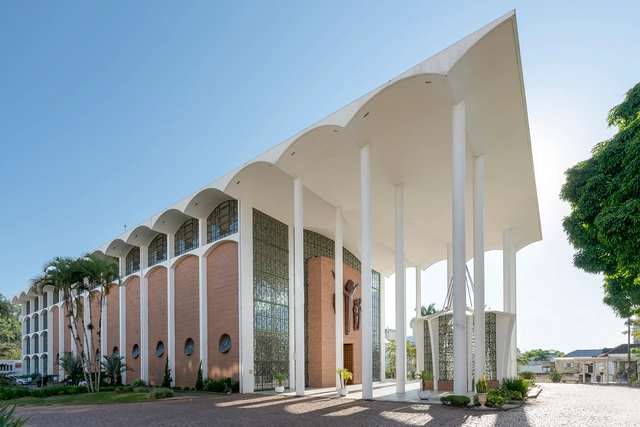
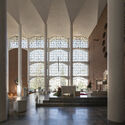
Religious architecture has long been one of the most exciting typologies, one has long paved the way for various design and structural innovations. Faith & Form magazine and Interfaith Forum on Religion, Art and Architecture (IFRAA) annually recognize the continued creativity defining the field.
This year's winners include 35 projects that span a variety of religious denominations, sizes, and location. Additionally, the award has recognized two trends defining contemporary religious architecture: "the preference for natural materials in worship environments, and inventive design solutions to address tight budgets."

Located in south-east Turkey, the 11,000-year-old Göbekli Tepe is considered to be the world’s oldest temple, greatly surpassing England’s Stonehenge, and the Egyptian pyramids. The ancient site, awarded Unesco World Heritage status in July 2018, predates pottery, writing, and the wheel, leading archaeologists such as its discoverer Klaus Schmidt to ask if Göbekli Tepe may, in fact, be not only the world’s first piece of architecture but a crucial catalyst for the onset of settled societies.
Spread across eight hectares near the city of Sanliurfa, the Göbekli Tepe is an artificial mound hosting a series of sunken circular structures adorned with limestone carvings, believed to have been occupied for thousands of years before their abandonment.

In his latest photographic collection, Federico Scarchilli captures Cistercian order in the form of Abbazia di Fossanova, Casamari, and Valvisciolo. Simple and utilitarian, Cistercian architecture reflects the transition between the Romanesque and Gothic periods. During this time, many religious authorities felt excessive ornamentation was a distraction to spiritual studies.