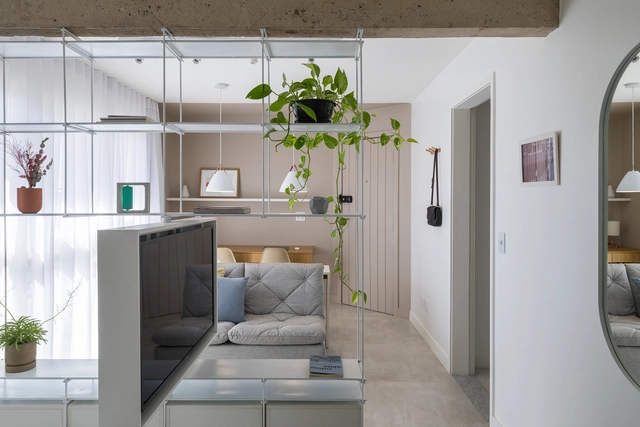
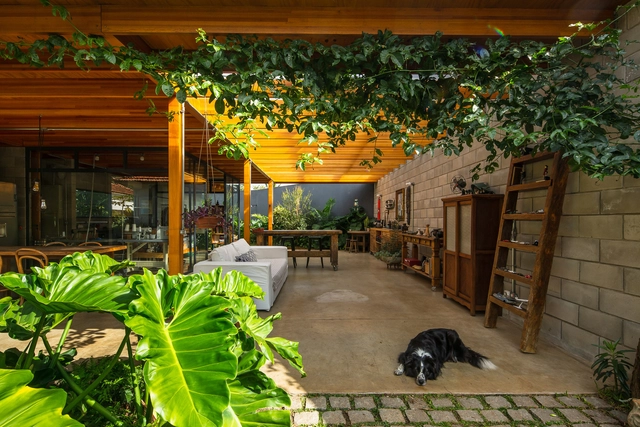
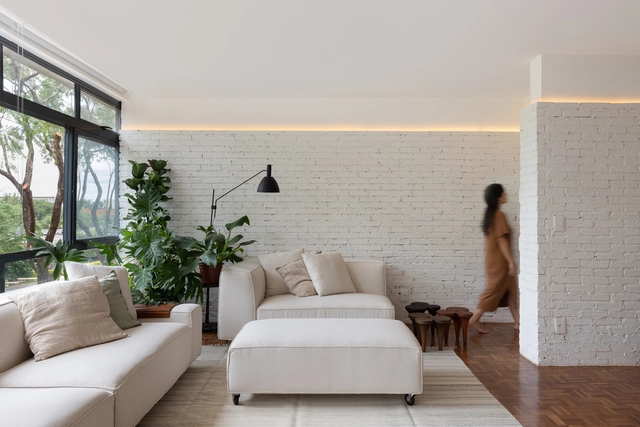
Designing a living room is not just about deciding on the sofa and rug set. Often, because it is the main environment of the house, it is connected with other programs of more public use, such as kitchens and offices - or even private, such as dormitories, in the case of apartments with a reduced area -, therefore, in order to conceive greater spatial flow, it is necessary to think of different strategies that help design a more comfortable and pleasant space.
If we previously brought in before and after plans of apartment refurbishments, we now focus on residential projects that have received needed improvements. In addition to the plans, the information contained in the memorial of each project helps to better understand the attitude taken in each architectural design. After all, each work brings with it different demands: deadlines, budgets, legislation and pre-existing conditions.
The construction industry's future will undoubtedly include "carbon reduction" as a mandatory task. Aside from locally sourced, virgin materials, an increasing number of new materials are becoming available. New materials can be developed in several ways, including low-carbon substitution, recycling, performance enhancement, and 3D printing. New materials will not only be more environmentally friendly and enable new construction methods, but they will also influence the starting point and direction of design concepts, resulting in new buildings with new perceptions and spaces.
Usually, refurbishments are to completely change a space or, in a more surgical way, to bring about improvements in mobility and privacy issues. No matter the number of walls to be demolished, coatings to be replaced and joinery to be designed, the result is always looking for a more functional and beautiful space. In the case of apartments that usually have standard floor plans, intervening in them is also a way of bringing a unique and more personal character to each home.
https://www.archdaily.com/987607/before-and-after-10-refurbishments-in-brazilian-apartmentsArchDaily Team
The rise of co-living has begun to radically shape interior design. In residential projects and commercial developments, co-living is tied to the emergence of the Kitchenless Home idea. Began by Spanish architect Anna Puigjaner, this idea is tied to a range of innovations in interior design and co-living that have been built over the last five years. In turn, these new interiors began to tell a story of housing and spatial experience rooted in modern life.
Over the years, interior design has evolved according to the needs that arise, but above all according to the experiences it seeks to evoke in the user. In the last two years we have witnessed a radical change and a special interest in this subject because the pandemic forced us to pay specific attention to the configuration of the places we inhabit. This brought about much more holistic designs that seek to address the wellbeing of the user, combining colours, sensory experiences, technology and natural elements that promote health.
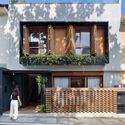
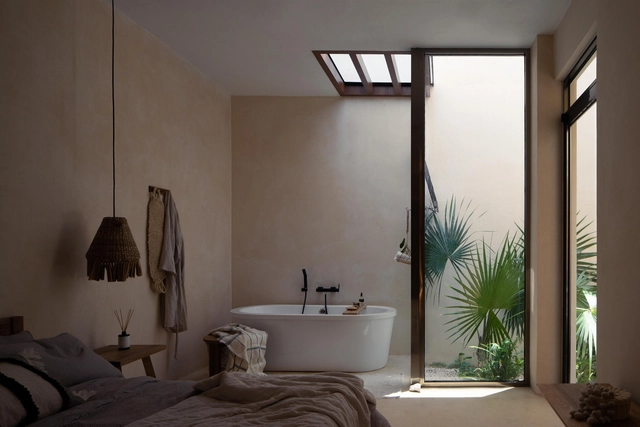
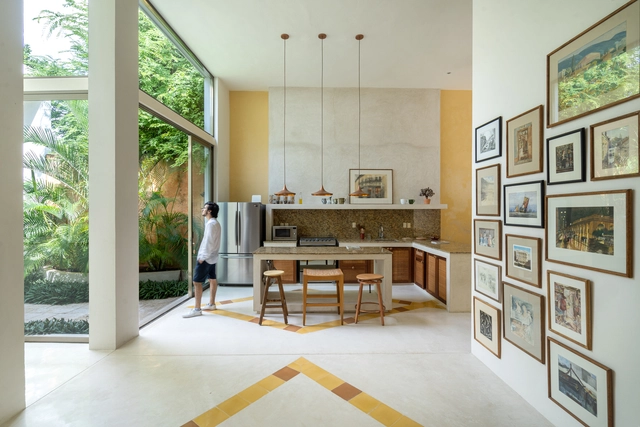
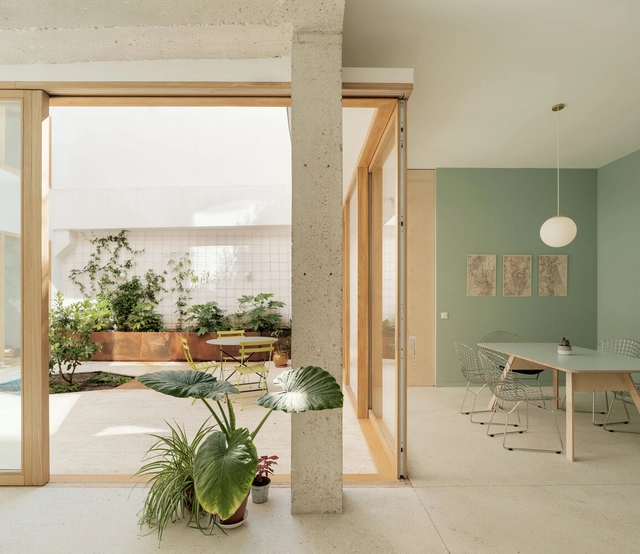
Casa Maca / Workshop, Diseño y Construcción. Image
Over the years, interior design has evolved according to the needs that arise, but above all according to the experiences it seeks to evoke in the user. In the last two years we have witnessed a radical change and a special interest in this subject because the pandemic forced us to pay specific attention to the configuration of the places we inhabit. This has brought about much more holistic designs that seek to address the wellbeing of the user, combining colours, sensory experiences, technology and natural elements that promote health.
Over the years, interior design has evolved according to the needs that arise, but above all, according to the experiences it seeks to evoke in the user. Over the last two years, we have witnessed a radical change and a special interest in this subject because the pandemic forced us to pay specific attention to the configuration of the places we inhabit. This brought about much more holistic designs that seek to address the wellbeing of the user, combining colours, sensory experiences, technology and natural elements that promote health.
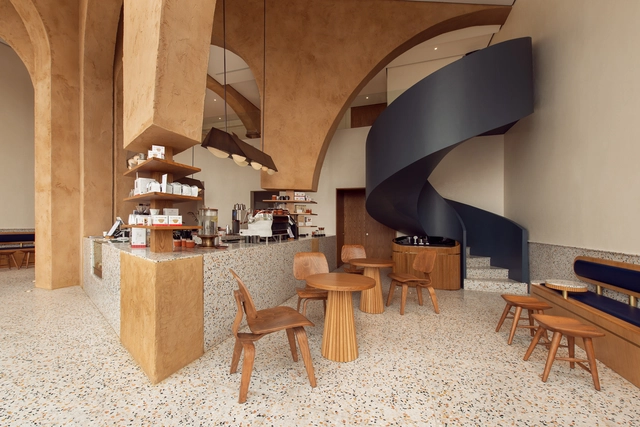
Throughout the years, coffee shops and cafés alike have become so much more than just a place to acquire a delicious brew. Since the first coffee shops were established, they have been used as social places to congregate and meeting points for the public. Alongside the development of coffee shops came the ‘coffee culture’, a set of traditions and rules regarding the way cafes are used, and the way these delicious brews are enjoyed.
Coffee shops are everywhere, not just on our city’s high streets, but globally beloved. They offer an atmosphere that is warm and inviting, with a focus on the ambiance and aesthetic of the space as well as the services they offer, with some cafes housing multiple functions beyond the brew. Therefore, the question stands: how are coffee shops today tapping into creating new spaces that are interesting and bring new life to the beloved culture?
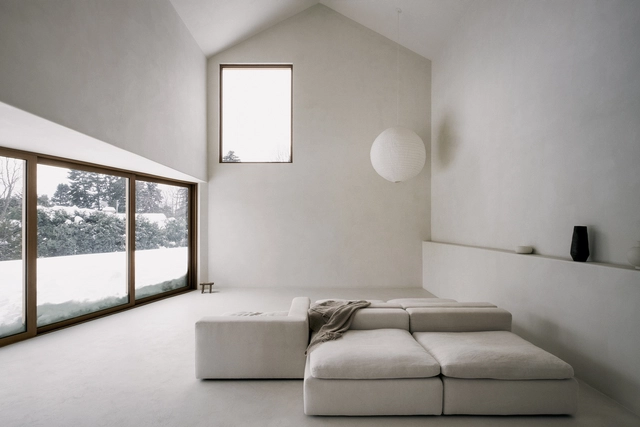
The visual aesthetic of the past few decades could be defined as designing with the principles of ‘nothingness’. Whether it’s through art, lifestyle, fashion, industrial, or interior design, there has been an alleged need to keep things at a bare minimum, promoting the globally-loved-yet-highly-criticized trend of minimalism. Minimalism is this notion of reducing something to its necessary elements, but who is deciding what is necessary, and who is deciding what is too much? With those questions in mind, combined with radical changes in consumerism and the way people live seen during recent years, current trends have shown that minimalism might be here to stay, but with a twist.
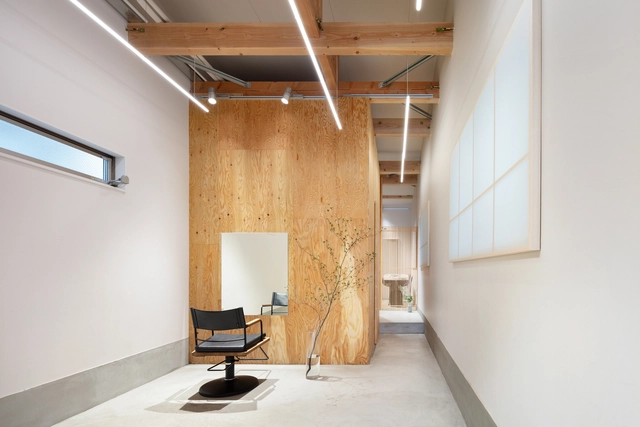
More than ever; today a trip to a hair or beauty salon has become a much-needed escape time. It promises an ultimately uplifting and relaxing experience with an aesthetically pleasing result. However, this affair, like many others, depends on a catered physical setting; a space that’s efficient design can make or break one’s leisurely time. Many spatial considerations have to be taken while setting up a successful and functional beauty shop, and there are no better examples to consider than the quaint Japanese beauty salons.
Even before we got used to remote work, some offices were already concerned about the well-being of their teams and how to attract new talent to work in their physical spaces. In this context, the decompression rooms had already become fundamental parts of the architectural program to demonstrate that the company is concerned with encouraging people to live together, relieving everyday pressure and bringing moments of pleasure during the workday. Currently, when many have already returned to the offices, environments like this have become increasingly essential to ensure the well-being of the employee, as well as improve their performance.
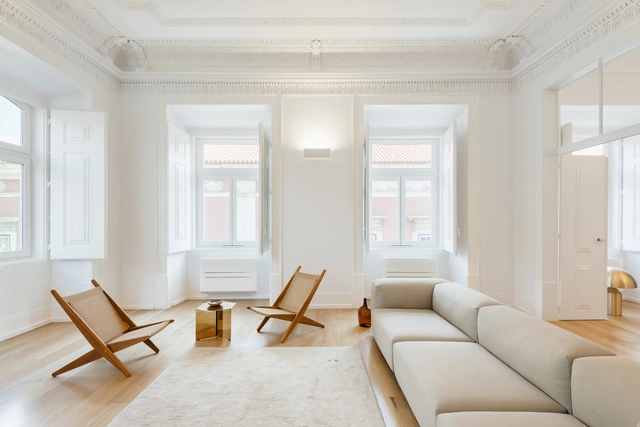
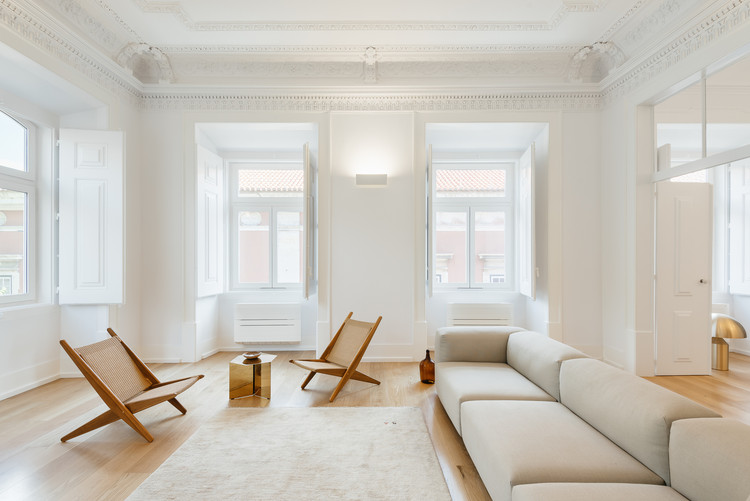
Furniture has a direct impact on the quality of interior design projects. Among other features, its presence blends with the function of the spaces, setting a boundary between them.
An internal space with neutral colors, for example, might highlight certain furniture that, beyond fulfilling their function, also assumes a contemplative profile. These pieces of furniture have become iconic by their design, which, in some cases, were created by great names of architecture that explored this field and drew pieces that represented their style.
Coffee shops have always been popular gathering spaces among coffee lovers, but with the rise of remote working, especially post-pandemic, they have become a hotspot for remote workers and students as well. One of the many reasons why they are such a popular hangout spot, other than the fact that they serve one of the most globally-adored drinks, is because of their well-designed interior spaces that promote comfort, relaxation, and productivity simultaneously. After all, it's always been said that architects and coffee go hand in hand. In this interior focus, we explore how different design elements shape the user experience of a coffee shop, and look at how architects have employed them through 17 examples.
What would a project be like if user emotions were part of the program? Planning environments that can accommodate different sensations is, according to Pinterest Predicts 2022, one of the decoration trends for the coming years. More and more people have been looking for ways to set up rooms that provide the apotheosis of their feelings, no matter if the goal is to be more calm, express their anger, listen to music or a leisure activity, the focus of the so-called "emotional decor" is on make emotions flow freely and safely.
Since the beginning of the 20th century, automobiles have been shaping cities and architecture, demanding specific spaces to move and be stored.Cars and motorcycles dictated the organization of spaces and the consequent urban and rural landscape of entire countries. However, with the climate crisis and the recognition of the problems that this development model brings to cities and to the planet, every day more initiatives are perceived that seek to eliminate individual and motorized cars powered by fossil fuels, while at the same time we also perceive the need to give new meanings to spaces that were previously dedicated to cars. In addition to the streets and public spaces, this transformation is also felt in the houses and residential buildings that are beginning to see garages as a more dynamic space.
For many people, the bed and bedroom are no longer just a place to rest. Beatriz Colomina has already presented different studies on how work and leisure came to occupy this environment, and, today, this becomes increasingly present in our daily lives. If the way we occupy space is constantly changing, how can we better use their area to cover all the necessary functions?