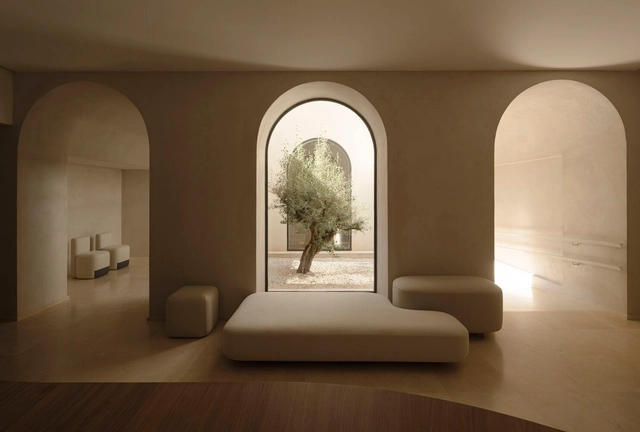
Light is part of various disciplines, shaping the world as we know it. In physics, it serves as a measure of speed and makes vision, and the recording of images by the eye and camera lens possible. Throughout art history, the representation of light - or its absence - has guided secular movements in various manifestations with equally different techniques and supports. This means that light - and its derivative shadow - can create environments, atmospheres and sensations, which can be perceived in objects and spaces. Light is also a part of architecture.
The traditional architecture of the past can sometimes seem a long way from the modern, open-plan environments we enjoy today. But while some seemingly bygone upper-class room typologies like parlors, drawing rooms, and smoking rooms still exist by other names – dens, snugs, and man caves, to name a few – other architectural intricacies are more rarely replicated.
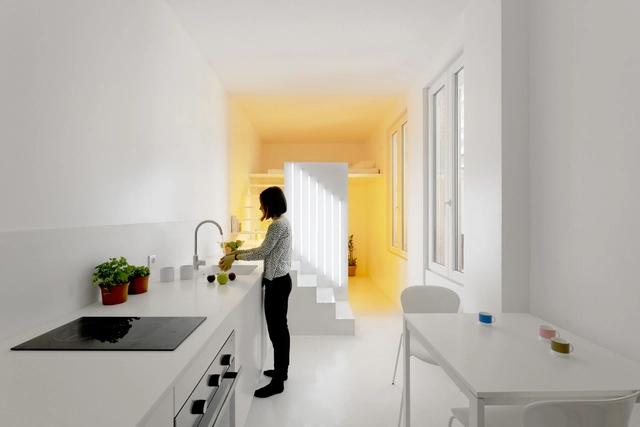
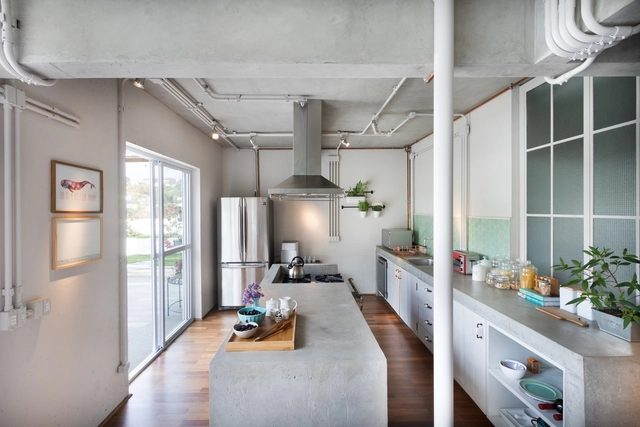
Back staircases, sculleries, and drying rooms, for example, were at one stage imperative for properties of a certain size and status to function. But just like a woolen jumper accidentally washed on the wrong setting, technology has reduced the size of laundry workspaces over the past century. Small homes like Under the Barao’s Sky Apartment in Sao Paolo, Brazil, for example, are now able to replace separate laundry rooms and pantries with all-in-one kitchen-diners that integrated small washing/drying appliances into an open kitchen layout, leaving more room for living.
Within various - if not all - architectural programs, there is a function that is an essential and common requirement: the bathroom. A residence, office, commercial space, theater, museum, religious space, park, or school can only be designed with it. In some countries, public toilets are part of urban infrastructure like public transport or waste collection. A fundamental human right, although denied to a considerable portion of the global population, the toilet follows a historical evolution. Modernity brought with it the separation between public and private, and the room became increasingly reserved in Western society.
Exposed pipes highlighted in architecture are not a novelty. Classics like Centre Pompidou and Sesc Pompeia already adopted infrastructure elements as objects that helped compose the building's aesthetics. Solutions inspired by the industrial architecture of the 50s, urging to remodel industrial sheds for other uses, made their facilities apparent to make the work more cost-effective and less complex. After a few decades, we find this idea at different scales.
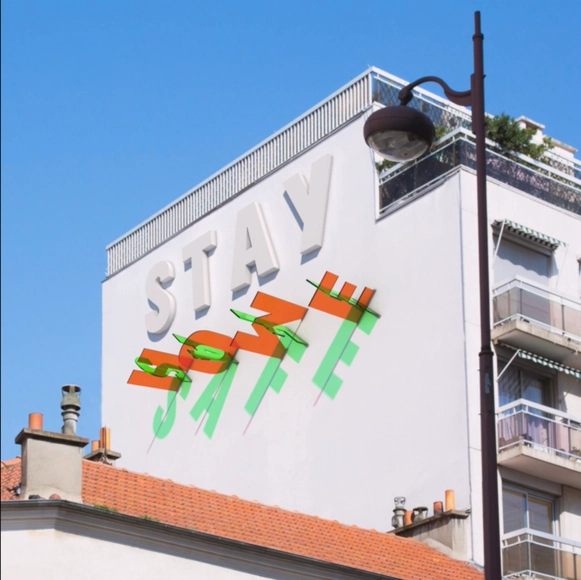
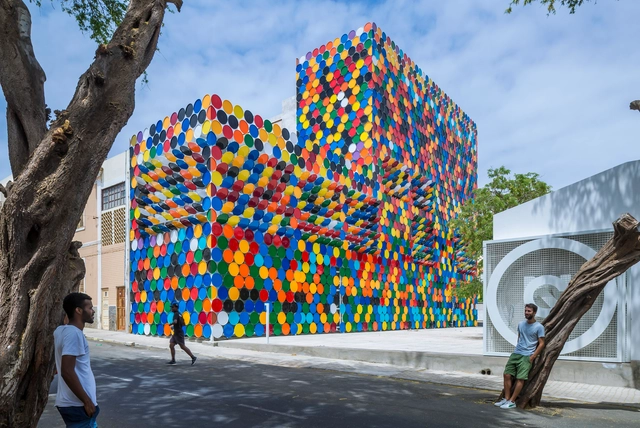
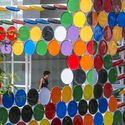
When transparent facade elements deliberately evolve from the course of the sun, we can explore a fascinating slow movement in stark contrast to the hectic urban street life on the ground. Especially the French designer Pierre Brault has responded to the accelerated rhythm of our society with facade installations that combine the principle of the sundial with colorful pop design. His three-dimensional works made of recycled colored plexiglass mesmerize through simple but dramatic movements of colored shadows. In the interview, Brault explains his inspiration, the experimental approach and his interest in working responsibly with material.
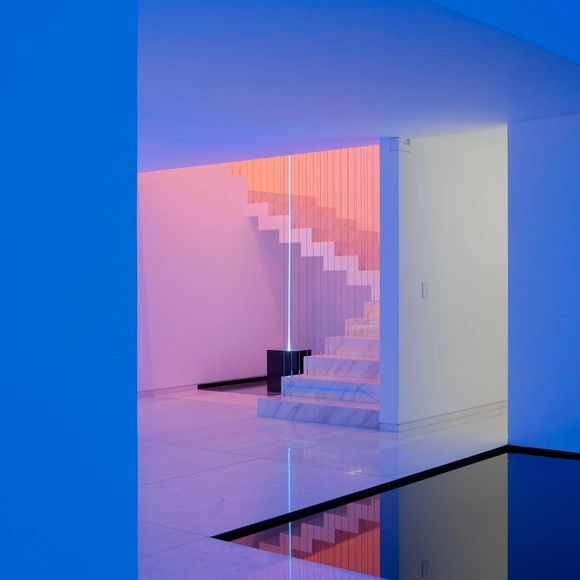
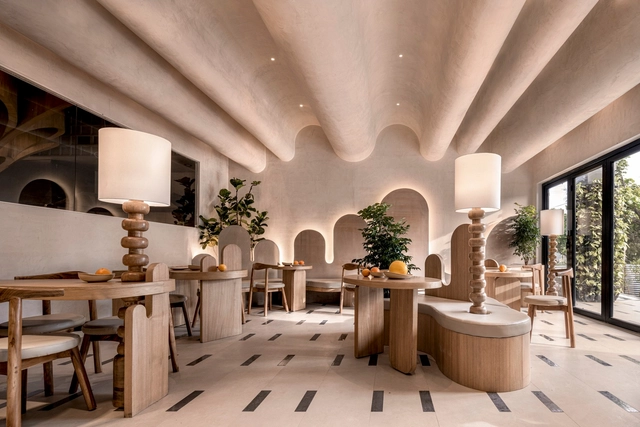
Artificial lighting offers a range of strategies for interior design. Widely used in commercial projects and restaurants as an aesthetic device to attract customers and to create environments that stimulate the senses, it can transform rooms and create cozy and well-lit places in residential projects.
“Our planet is choking in plastic,” states the United Nations. While the man-made material has many valuable uses, our addiction to single-use plastic products has led to severe economic, health and environmental issues. Roughly one million plastic bottles are purchased every minute, and five trillion plastic bags are used every year worldwide –used just once, then thrown away. Plastics and microplastics have found their way into every corner of our natural environment, from the peaks of the highest mountains to the depths of the deepest oceans. So much so, that they have become part of the Earth’s fossil record and created an entirely new marine microbial habitat known as the “plastisphere.”
After two weeks of voting in our 14th edition of the Building of the Year Awards, our readers have narrowed down over 4,500 projects to just 75 finalists across 15 categories, casting over 100,000 votes. This year's awards celebrate the very best in design, innovation, and sustainability from around the globe, with the shortlist featuring an exceptional range of projects, from a house in a favela to cutting-edge cultural centers and innovative public spaces that are sure to impress. As a crowdsourced award, we are proud to say that your selections are a true reflection of the state of architecture, and this year's finalists are no exception.
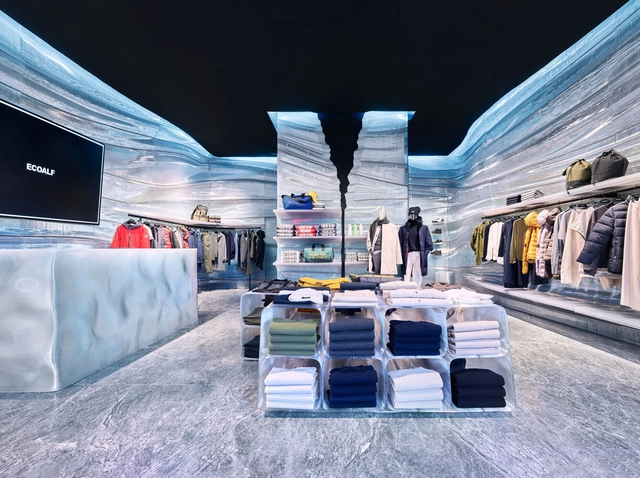
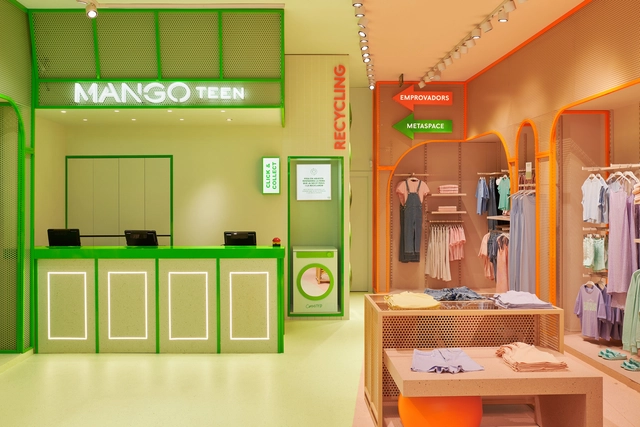
When one steps into a Starbucks, they almost instantly know they are in the famed coffeehouse, and not at a McDonald's. Apart from the uniformed staff and a giant sign at the door, there are countless other factors that make a Starbucks look like a Starbucks. Textures, materials, shapes, colors, layouts, furniture, and lighting all contribute to the experience of being in a branded environment. These elements are replicated globally to create an identifiable image. As economic patterns change, brands are looking at extending their identities into spatial experiences in order to better engage with their customers in their daily lives.
The rationality of orthogonal shapes dominates architecture, despite grand gestures that have sought to oppose themselves throughout history. In large-scale production, the right angles, repetition and modularity of the block or grid of pillars help in the efficiency of construction, despite reproducing the same spatial solutions. Unlike buildings, interior architecture can propose alternatives to break this rationality, whether from partitions or decorative objects.
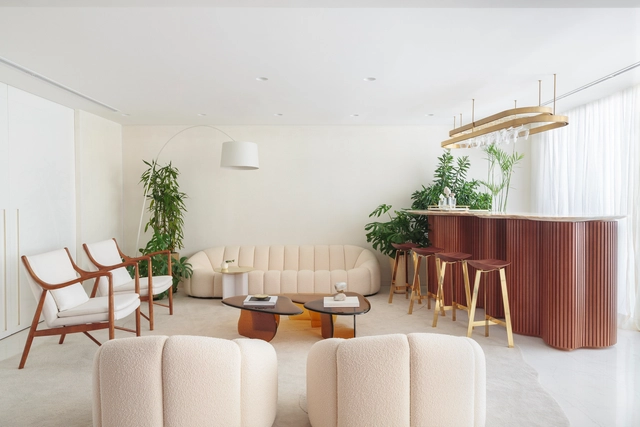
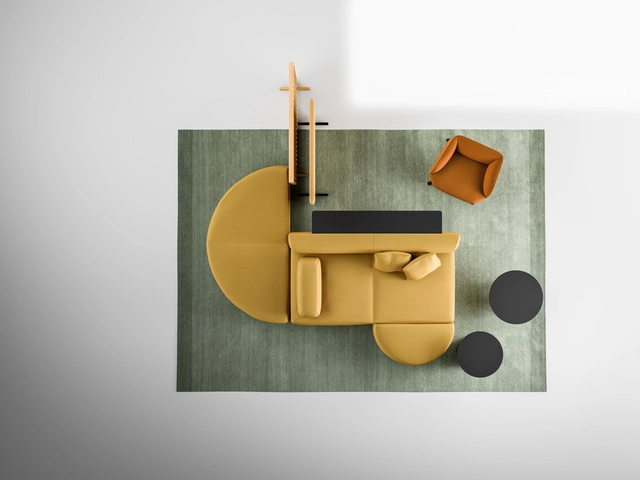
Interior design has progressively become a subject of interest among architects and designers. Having spent more time indoors recently, practitioners have been experimenting with their spaces and exploring different approaches to scale, comfort, and aesthetics. Much like everything else, design is highly influenced by external factors; any change to people's lifestyle influences how they respond to it, whether consciously or subconsciously. And while this dynamic is often seen in fashion or graphic design, it has been noticeable in interior design as well. Following years of linear, clean-cut, and refined spaces, curved silhouettes were revived, becoming one of the dominating interior design trends across the world.
Salone del Mobile 2022. Image Courtesy of UNStudio
The 61st edition of The Salone del Mobile transformed its general layout and program, including Euroluce, the iconic International Lighting Exhibition in Milan. Curated by architect Beppe Finessi, in collaboration with Formafantasma and the studio Lombardini22, the new vision for The Salone del Mobile will improve accessibility and the trade fair and user experience. Running from 18th to 23rd April 2023 at Rho Fiera Milano, the 2023 Salone will focus on schools and universities under the theme "Design School."
Islands have proved to be great favorites of contemporary kitchens, appearing in environments of different sizes, styles, and with different materials. Before installing a kitchen island, however, it is necessary to think about a few factors to make a better design decision.
As we wrap up 2022, we take a look back at how this year introduced new adaptations to the way we live, work, and interact with our built environment, especially after emerging from years of unprecedented changes. One way to describe this year's design identity is that there isn't one. Going through this transitional period, inspiration came from foreign travels, immersive virtual worlds, being one with the planet and the serenity that came with it, platforms that promote expressionism and individuality, and a trend-setting generation known for its bold perspectives.
According to a survey by the Brazilian Association for Recycling of Construction and Demolition Waste (ABRECON), there has been an increase in the recycling of construction and demolition waste (C&D) in Brazil in recent years. According to the 2015 report, 21% of the total C&D was recycled in the country that year, while in 2013 the rate was 19%.
The outlook is promising but not yet ideal, and the growth of recycled C&D materials is still considered small. In Brazil, construction waste can represent between 50% and 70% of the total municipal solid waste. This means, we still need to advocate for a more common practice of material recycling and reuse in architecture, especially in Brazil.
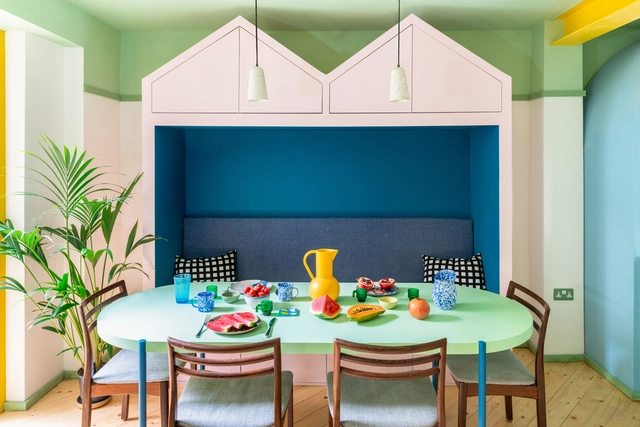
Playfulness is a concept often attributed to children and hardly connected with adult life. In architecture, projects dedicated to childhood propose a combination of objects, colors and solutions to encourage imagination and break the rigidity of spaces. In contrast, most conventional projects are limited to regularity and stamp the sobriety of adult life.
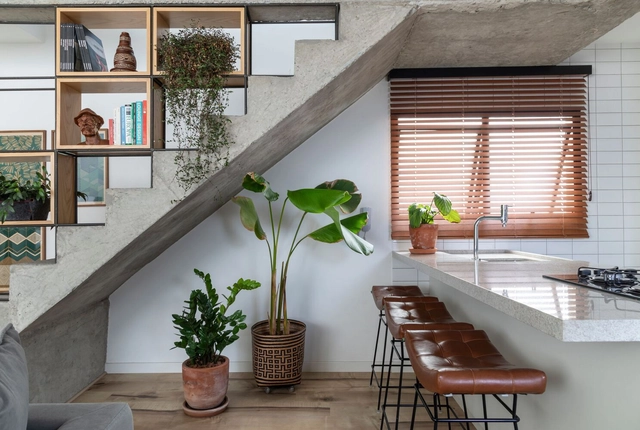
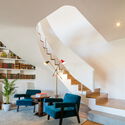
Vertical circulation may be just one of the functions of a ladder. Always occupying a reasonable area, this element can serve to bring some other uses when it is thought of in a more integrated way with the entire room, providing living spaces, storage and also a greater aesthetic appeal. That is why we have gathered some ideas on how to occupy the areas around a staircase in different projects: from home to industrial scale.
































.jpg?1600352094 "Flamboyant Residence / Perkins+Will. Image: © Nelson Kon")