

-
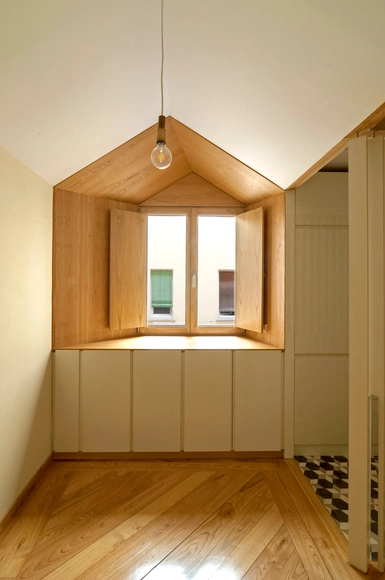
Architects: Carrascal•Blas
- Year: 2016
-
Professionals: MAGAREST, MELO OTERO
Since 2009, Mario Carvajal has captured amazing panoramic photographs from his hometown in Colombia as well as top destination spots around the globe. He has climbed the Empire State Building in New York and Colpatria Tower in Bogota, Colombia. Carvajal has captured the geographical beauty of Iceland as well as the intensity of Paris at night.
As Carvajal mentioned in an interview with ArchDaily, images in 360 degrees "allow the viewer to dive into an attractive and interesting 'virtual world' to experience immersive sensations". Of course, with the new surge in popularity these types of pictures have experienced with the hardware becoming more readily available and these images being shared more and more every day through Facebook, Carvajal's work reaches new levels, allowing thousands of people to see the world from above.
Below, we invite you to see his best shots of iconic buildings and landscapes around the world. For a complete experience, we recommend using Google Cardboard.
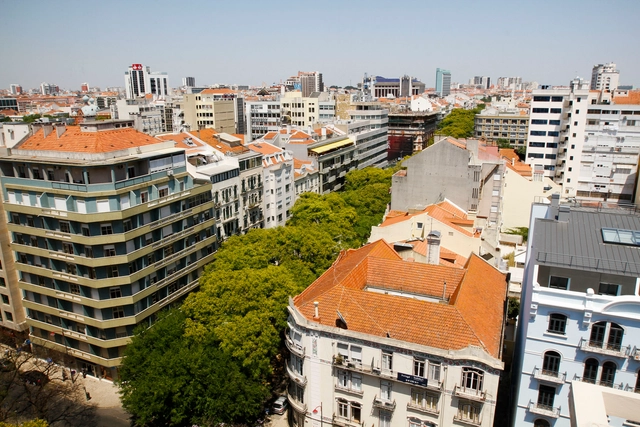
From Yaba in Lagos to the suburb of Bandra in Mumbai, Metropolis Magazine provides a scenic tour around the world’s “most creative” neighborhoods. Spread across ten rapidly growing cities like Cape Town and Turin, the article provides a comprehensive glimpse into these lesser discussed hubs of creativity.



_12.jpg?1467207351&format=webp&width=640&height=580)
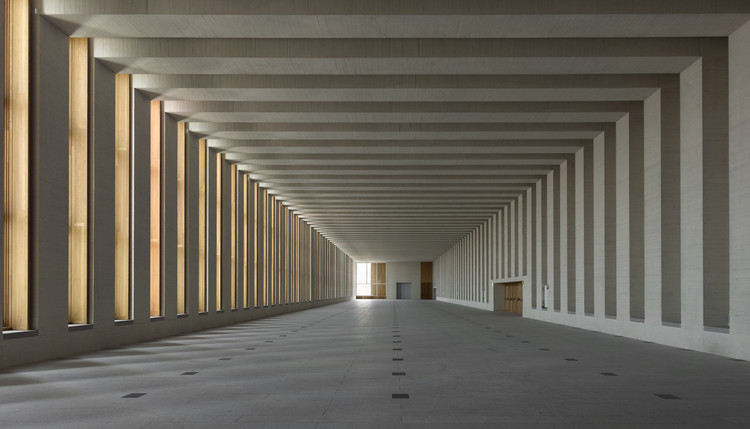
Madrid's Museo del Prado has announced the finalists for the competition to redesign and transform the museum’s Hall of Realms. Among the list are acclaimed firms OMA; Souto Moura Arquitectos; a team of Foster + Partners - Rubio Arquitectos; B720 Arquitectos - David Chipperfield Architects; Cruz y Ortiz Arquitectos; Nieto Sobejano Architects; Stedebouw B.V.; Juan Miguel Hernández León - Carlos de Riaño Lozano; Garces de Seta Bonet Arquitectes - Pedro Feducci Canosa; and Gluckman Tang Architects - Estudio Alvarez Sala - Enguita and Lasso de la Vega.





.jpg?1464091234&format=webp&width=640&height=580)
Growing out of the success of coworking, the latest big phenomenon in the world of property is coliving. Like its predecessor, coliving is predicated upon the idea that sharing space can bring benefits to users in terms of cost and community. And, like its predecessor, there are already many variations on the idea with numerous different ventures appearing in the past year, each tweaking the basic concept to find a niche.
There are a lot of existing accommodation types that are “a bit like” coliving—depending on who you ask, coliving might be described as either a halfway point between apartments and hotels, “dorms for adults” or “glorified hostels.” And yet, despite these similarities to recognizable paradigms, countless recent articles have proclaimed that coliving could “change our thinking on property and ownership,” “change the way we work and travel,” or perhaps even “solve the housing crisis.” How can coliving be so familiar and yet so groundbreaking at the same time? To find out, I spent a week at a soon-to-open property in Miami run by Roam, a company which has taken a uniquely international approach to the coliving formula.

























































.jpg?1464091234)