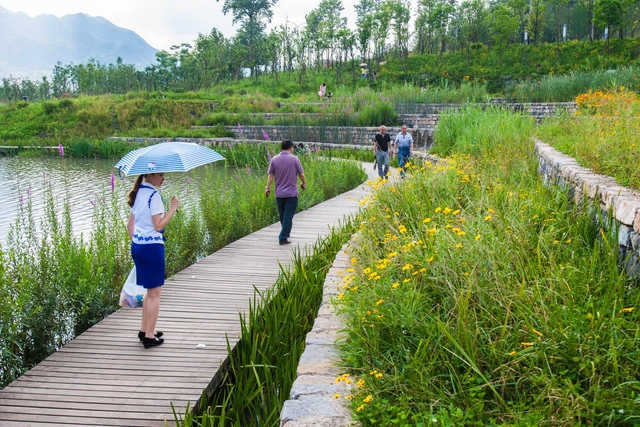
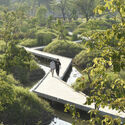
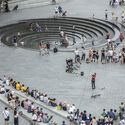
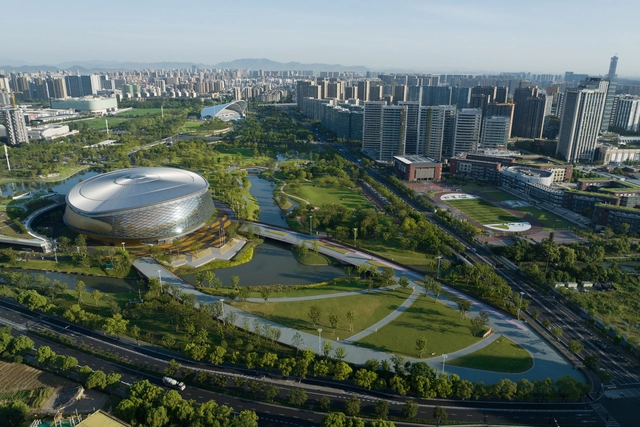
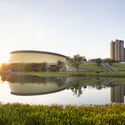
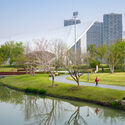
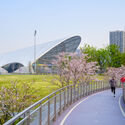
Minghu Park / Turenscape. Photo Courtesy of Turenscape
A type of wetland that provides an incredible carbon-storing capacity. This could be an excellent way to describe a peatland. Found in practically every climate zone in the world, this type of ecosystem is much more than this short description, as it plays an important role in mitigating the climate crisis. But what is it, and how can we use it responsibly?
As has become customary in recent years, on the first Monday of October, we celebrate both World Architecture Day and World Habitat Day, serving as a reminder to the global community of its collective responsibility for the well-being of the built environment. This edition, like its predecessors, sheds light on the realm of architecture and the challenges faced by our cities, introducing new themes, contemplating the state of our urban areas, and proposing constructive strategies.
Since urban economies have encountered significant difficulties this year, the UN's World Habitat Day focuses on "Resilient Urban Economies: cities as drivers of growth and recovery." Launching Urban October, this event seeks to bring together diverse urban stakeholders to deliberate on policies to help cities recover after the dual economic impacts caused by the COVID-19 pandemic and conflicts worldwide. Aligned with this concept, World Architecture Day, created by the UIA in 1985, has chosen to concentrate on "Architecture for Resilient Communities," emphasizing the role and duty of architecture in fostering thriving community existence while initiating a global dialogue regarding the interconnectedness of urban and rural regions within every nation.
In 2018, Archi-Tectonics NYC and !Melk were announced as the winners of a competition to develop a masterplan transformation for the Hangzhou Asian Games Park 2022. Spanning 116 Acres, the now-completed project includes an expansive Eco Park and seven buildings. Although its initial purpose was to serve as a venue for the Hangzhou Asian Games 2022, the team extended its vision far beyond this event, charting a new path for the city’s environmental future.
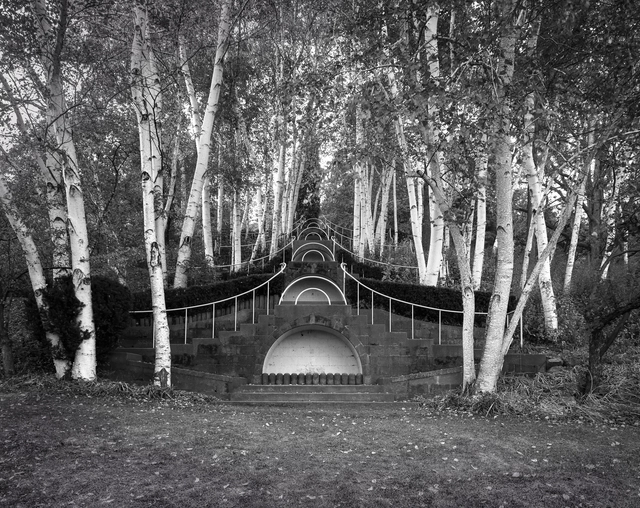
The photographic archive of landscape photographer and architect Alan Ward has been recently gifted to the Cultural Landscape Foundation (TCLF). The collection features 110 Portfolios composed of approximately 2,500 images of parks, estates, memorials, gardens, university campuses, cemeteries, museums, and botanical gardens, taken in 12 different countries, and captured by Alan Ward, a principal at the Boston-based firm Sasaki and a Fellow of the American Society of Landscape Architects.
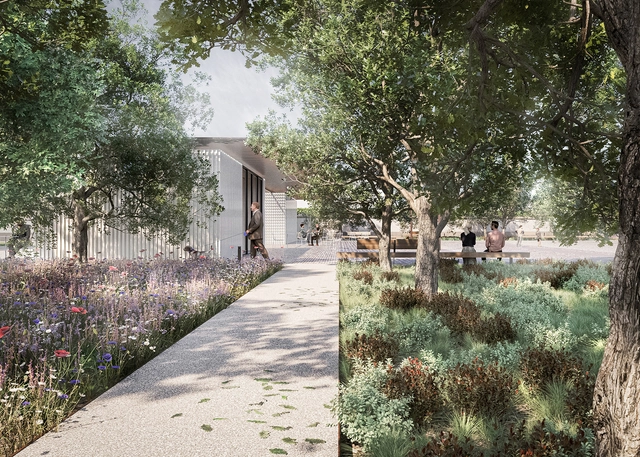
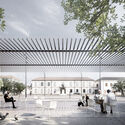
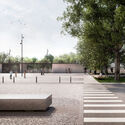
Ghisellini Architects, in collaboration with Lucrezia Alemanno and Paolo Beniamino De Vizzi has unveiled the redevelopment and complete redesign project for the new Piazza Francesca Cabrini in Livraga, Italy. Located about 45 kilometers southeast of Milan, the municipality of Livraga set out to transform the currently degraded public space and transform it into an attractive gathering place with site-specific environmental and landscaping features. Construction is expected to begin in August 2023 and is scheduled for competition in 2024.
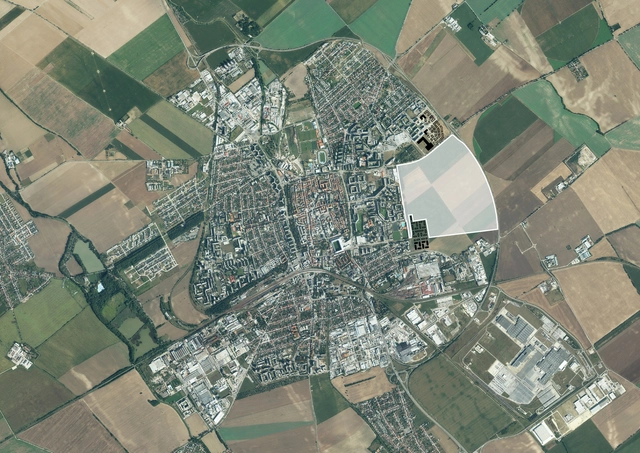
Trnava, the regional vision-having city of 62,000 inhabitants, launches an international two-stage urban design competition of an unprecedented scale across Slovakia. From the point of the history of the city ̓s development, this is a game-changer to be setting a new standard with respect to the preparation of The Land-use plan.
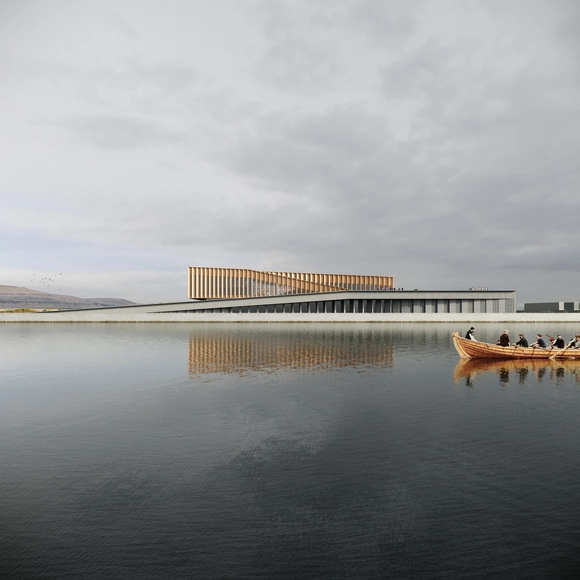
Henning Larsen has just revealed the design for Smyril Line's new headquarters and ferry terminal in Torshavn, the capital of the Faroe Islands. The building pays homage to traditional Faroese fishing boats and the historic Eastern harbor while embracing the picturesque backdrop of abundant landscapes and open seas. The new headquarters serves three functions: a ferry terminal, an office building, and a logistics center.
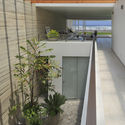
The origin of interior courtyards dates back several years, serving as a means of shelter, security, and protection, while also aiming to achieve comfort and well-being through exterior elements. In contemporary housing, a wide range of possibilities is deployed, capable of accommodating various uses and activities that foster the relationship between the interior and exterior environment. Furthermore, notions of energy efficiency, thermal regulation, ventilation, and natural lighting are incorporated, among others.
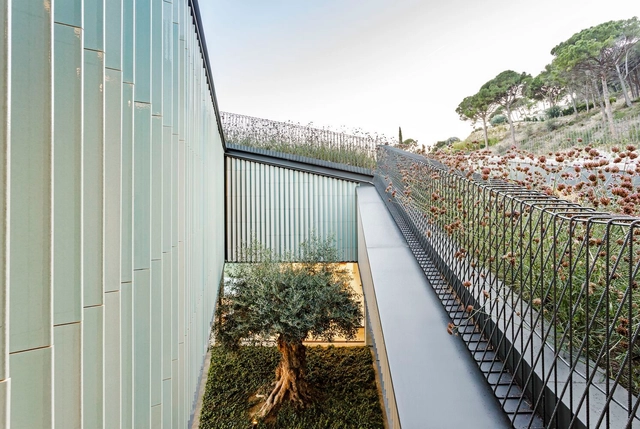
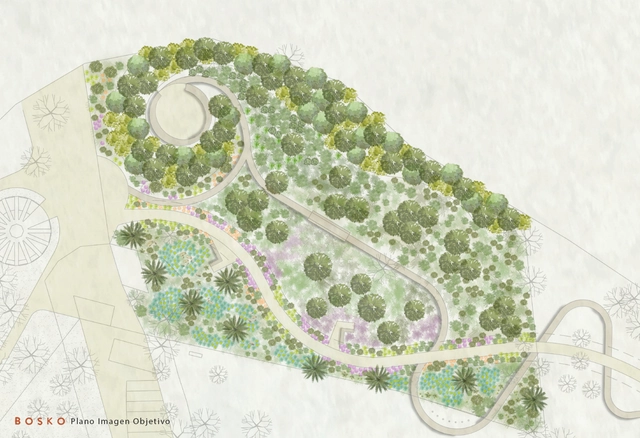
Jardín Nativo Adriana Hoffmann, Museo Interactivo Mirador (MIM) en Santiago de Chile. Image Cortesía de Bosko
During the 19th century, efforts to improve the quality of urban life focused on creating gardens and parks, marking the beginning of the evolution of landscaping as a modern discipline. However, despite remarkable examples worldwide, excessive structure and artificiality in urban parks have gone against the motivations that gave rise to them. In many cases, their design has resulted in decontextualized and inefficient public spaces that are highly demanding on resources and far from being truly sustainable.
The strict use of geometry and the imposition of species that are difficult to adapt and care for are gradually giving way to a more organic approach to landscaping, tailored to local ecosystems and more efficient in its development and conservation. Native forests embody all these positive aspects. They not only ecologically restore degraded areas but also improve air quality and retain rainwater, creating biodiverse green spaces that deeply connect people with nature. We spoke with Magdalena Valdés, founder and director of Bosko, who explains why native forests are the right path towards conscious and truly ecological landscaping.
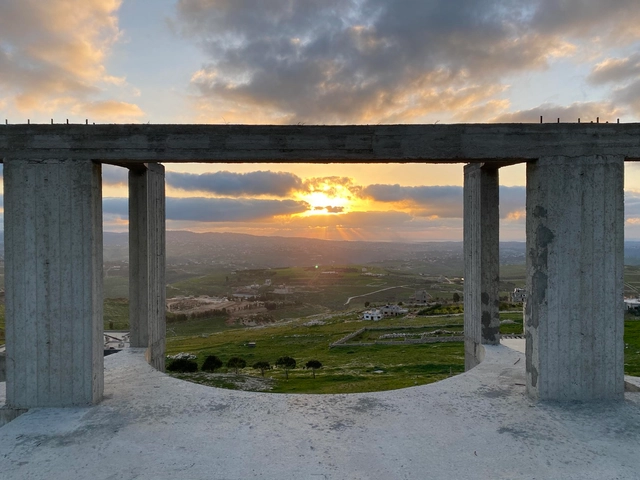
As farmers water crops by moonlight, undocumented children head to school and villagers scan the sky for surveillance airplanes—these are glimpses of a complex culture that emerges in south Lebanon after dark. In collecting some of these nightly practices, Mohamad Nahleh—lecturer in architecture and urbanism at MIT—journeyed across the landscapes of Jabal ‘Amil hoping to build a new alliance between architecture and the night. His "Path of Nightrise" research has turned into a construction to revive a forgotten river path and was published by Places Journal. The interview with Nahleh argues for a new nocturnal imagination in design and reveals, not only how the night has changed in Lebanon over time, but also how he has changed alongside it.
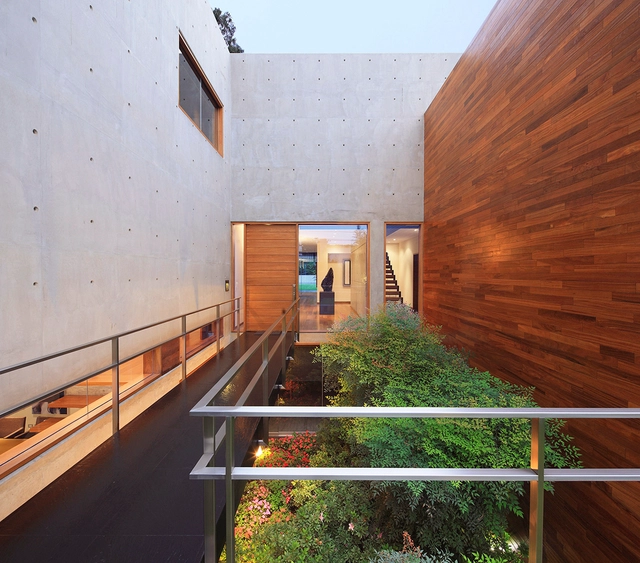
With the exception of some areas, within the three principal regions of Peru--coastal, mountain, and rainforest--the climate is characterized as tropical or subtropical and the differences in summer and winter temperatures is minimal, rarely reaching beyond 15 °C and 27 °C. This mild climate has thinned the line between exterior and interior spaces, a fact evident in the region's architecture.
The Shape of the Land: Topography & Landscape Architecture—the first book to center on this subject—presents the contributions of thirteen well-known practitioners and academics who discuss the forms and ramifications of reconfiguring terrain.
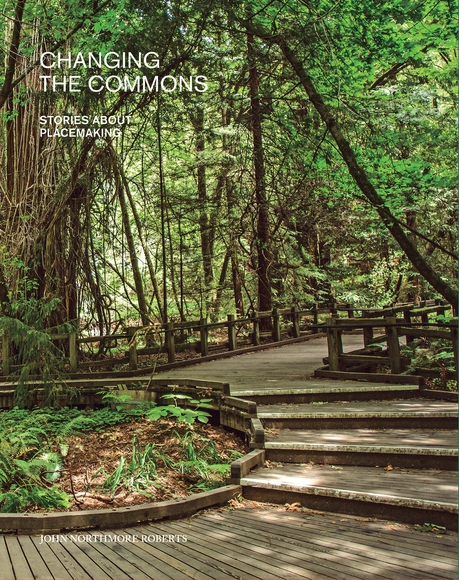
The intense social and environmental fervor that arose in the 1960s and 1970s in response to assaults on the planet’s life support systems, degradation of communities, and socio-economic inequality unleashed revolutionary change at all levels of society. Out of the turmoil of that era, community-based ecological design emerged as a powerful creative force for reshaping the commons, bringing people together, and forming ecologically sustainable relationships with the environment.
Way Beyond Bigness is a design-research project that studies the Mekong, Mississippi and Rhine river basins, with particular focus on multi-scaled, water-based infrastructural transformation. The book proposes a simple, adaptive framework that utilizes a three-part, integrative design-research methodology, structured as: Appreciate + Analyze, Speculate + Synthesize, and Collaborate + Catalyze. To do such, Way Beyond Bigness realigns watersheds and architecture across multiple: scales (site to river basin), disciplines (ecologists to economists), narratives (hyperbolic to pragmatic), and venues (academic to professional).
At a time when the world is being forced to rapidly adapt to climate change, the landscape comes into focus as a subject and medium of more importance than ever. Nowhere is this better known than at the Weitzman School of Design at The University of Pennsylvania, where the landscape architecture department has been leading the field for almost a century.
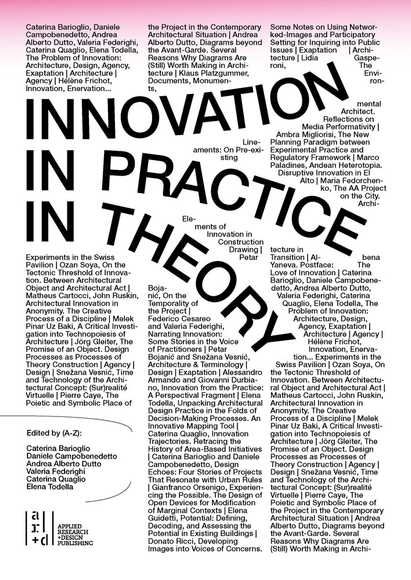
In a time of supra-national economic, political and social crises, the architectural profession is acknowledged as necessitating a fundamental restructuring in order to gain both renewed relevance as a discipline and sustainability as day-to-day practice.
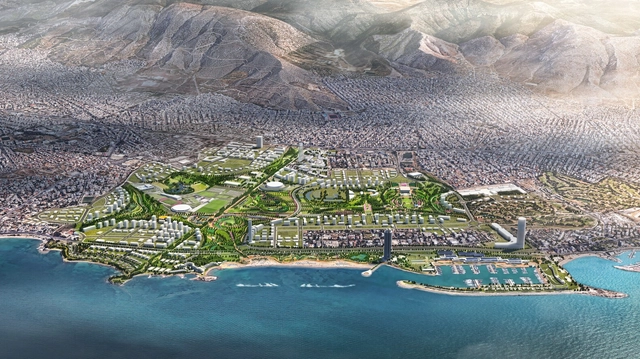
The Athens International Airport was decommissioned in 2001, leading to two decades of work for the local government to establish funding and a governance mechanism to transform the 600 acres of unused space into Europe's largest coastal park. The site has a layered history, from prehistoric settlements to the construction of the airport in the 20th century and the site being used for as an Olympic venue in 2004. Architecture office Sasaki is leading the design to transform the site again and create the Ellinikon Metropolitan Park, a restorative landscape and climate-positive design that will serve as a park, playground, and cultural center for the city of Athens. Developers are planning to break ground early next year.
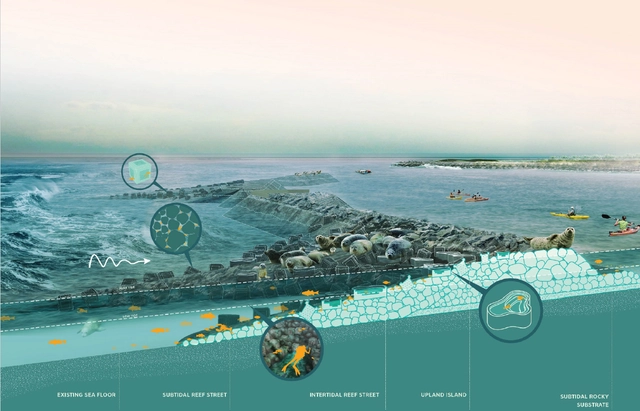
Living Breakwaters, Staten Island, NYC. Image Courtesy of SCRAPE
“Superstorm Sandy in 2012 was a wake-up call for NYC and made the city realize it needed to better prepare for climate change,” said Adrian Smith, FASLA, vice president at ASLA and team leader of Staten Island capital projects with NYC Parks. Due to storm surges from Sandy, “several people in Staten Island perished, and millions in property damage were sustained.”
On the 10th anniversary of Sandy, Smith, along with Pippa Brashear, ASLA, principal at SCAPE, and Donna Walcavage, FASLA, principal at Stantec, explained how designing with nature can lead to more resilient shoreline communities. During Climate Week NYC, they walked an online crowd of hundreds through two interconnected projects on the southwestern end of the island: Living Breakwaters and its companion on land — the Tottenville Shoreline Protection Project.