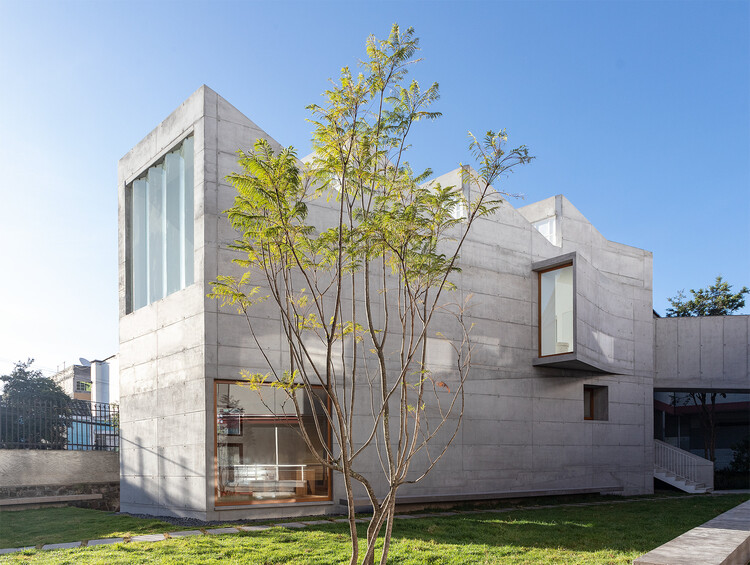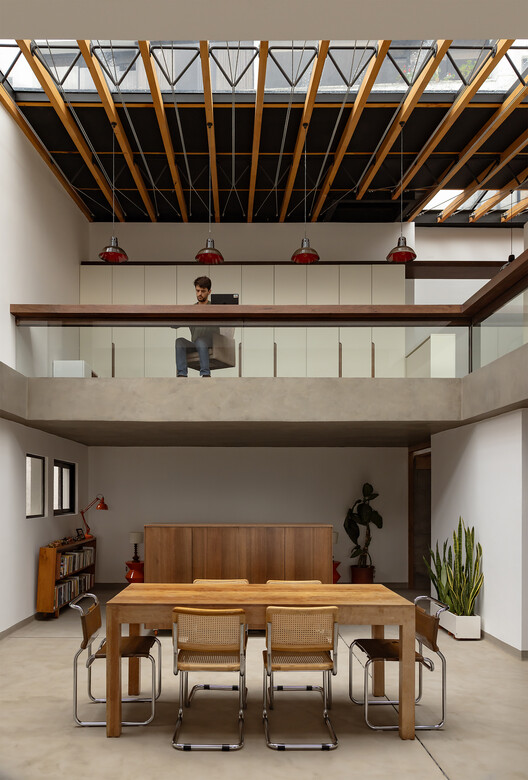
-
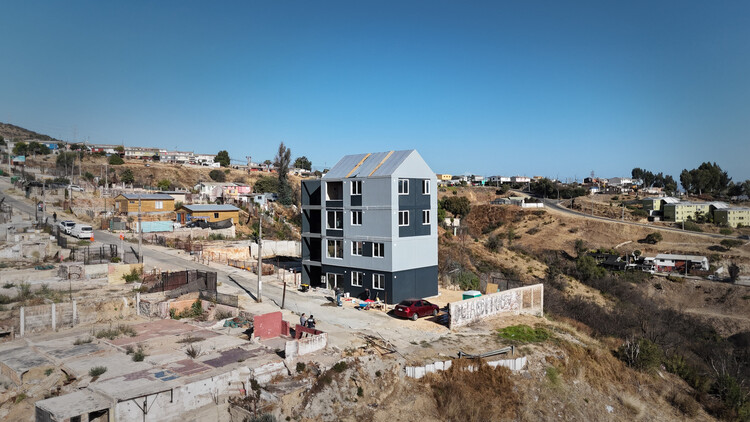
Architects: Feliu Vega Kennedy Arquitectura
- Area: 216 m²
- Year: 2026

Sustainability in architecture is often discussed as though it were a universal standard—and, in principle, it should be. Buildings are increasingly evaluated through energy performance, embodied carbon, certification systems, material efficiency, biodiversity, and whole-life impact. Yet the rules determining what must actually be done remain highly local. A project designed in London, New York, or Copenhagen may be shaped by stringent energy codes, environmental review, disclosure requirements, planning controls, and increasingly ambitious carbon targets. The same practice working elsewhere may encounter a very different regulatory landscape.
This creates a difficult question for international architecture: when sustainability is not enforced to the same degree by law, what standards should architects carry with them?

ArchDaily is proud to announce the winners of the 2026 Next Practices Awards, recognizing 20 emerging and forward-thinking practices expanding the possibilities of architecture today.
Now in its sixth edition, Next Practices continues to look beyond conventional definitions of the profession to identify the people, ideas, and methodologies driving the discipline. The 2026 edition is our strongest and most globally representative to date, bringing together different approaches, scales, and contexts that broaden our understanding of how and by whom architecture is being practiced.
From extreme climates to rural communities, informal cities, and territories affected by displacement and environmental vulnerability, this year's selection engages with a wide range of realities. Drawing from engineering, ecology, digital fabrication, material research, vernacular and Indigenous knowledge, advocacy, and critical research, these practices reflect what is "next": the capacity to respond to specific conditions and actively shape the world around them.


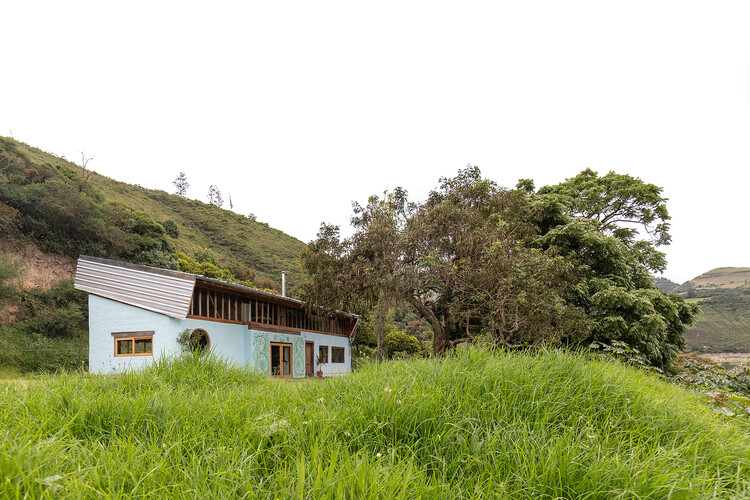
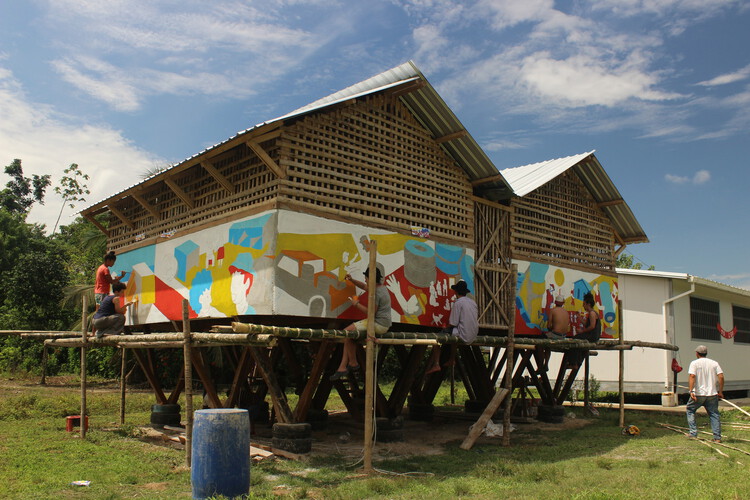
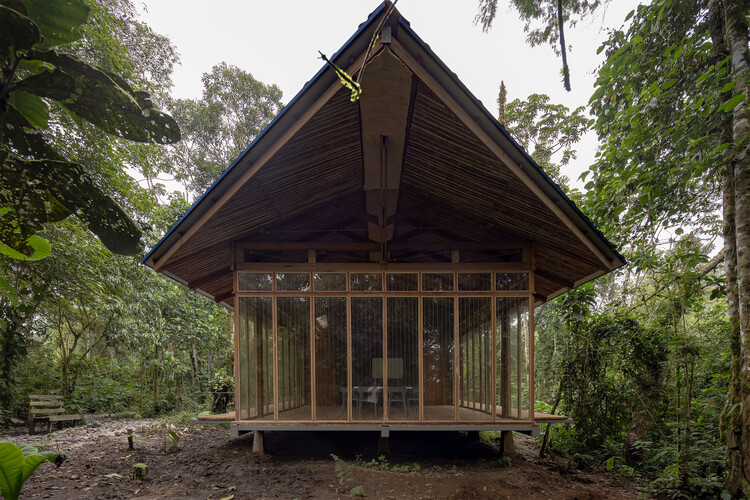
Founded in Quito in 2017 by Martín Real and Florencia Sobrero, Taller General works across housing, rehabilitation, exhibitions, and community projects. What ties them together is less a type of building than a way of building: architects, builders, craftspeople, students, organizations, and communities move in and out of the process, and each project takes shape from whatever is already there.
This approach grew from direct experience with construction. Before Taller General was formally established, Real and Sobrero became involved with Actuemos Ecuador, one of the civil society initiatives formed in response to the earthquake that affected Ecuador's coast in 2016. Working within the realities of building connected architectural decisions to materials, budgets, available labor, and local knowledge, this established a relationship with construction that has remained central to the practice.

Displacement is usually understood through movement: the moment people are forced to move from one place to another. Yet from an architectural perspective, that movement is only the beginning of what comes next. A house may need to be rebuilt, an entire community relocated, or everyday life reestablished somewhere completely new. What is lost through displacement is not always something architecture can simply replace.
This question is particularly relevant in Latin America, where displacement has shaped communities under different circumstances and at different scales. What happens afterward depends on why people were forced to move, whether they can return, and what remains of the places they inhabited. Some communities rebuild within familiar surroundings. Others must establish everyday life somewhere new. These differences shape what architecture is being asked to do.

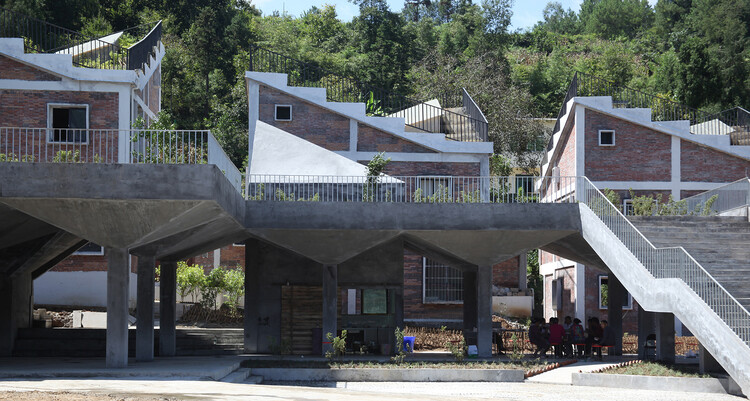
On June 24, 2026, a severe seismic event consisting of two major earthquakes with magnitudes of 7.2 and 7.5 struck north-central Venezuela just 39 seconds apart. The widespread destruction was concentrated along the country's northern coast, heavily impacting the capital city of Caracas and the neighboring state of La Guaira, where fragile urban infrastructure and vulnerable housing stock led to the collapse or severe damage of thousands of residential structures. This disaster mirrors previous devastating events observed during other major seismic events, including the 2008 Wenchuan earthquake and 2011 landslides in Sichuan, the 2014 Ludian earthquake in Yunnan, and the 2017 earthquake across central Mexico. When high-magnitude natural disasters damage entire communities, architects have the opportunity to help by proposing post-disaster architecture with strategic recovery models. Rather than relying on generic, standardized emergency shelters, conscious architectural design can deliver low-cost, rapidly deployable residential infrastructure that preserves human dignity through culturally contextual and dignified spaces.

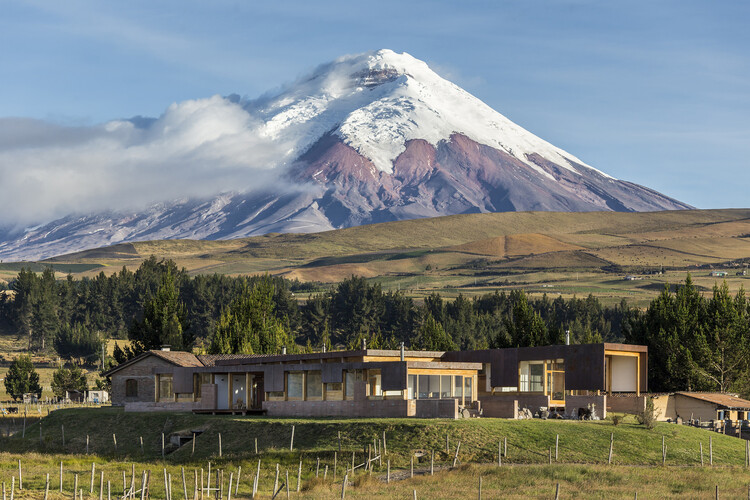
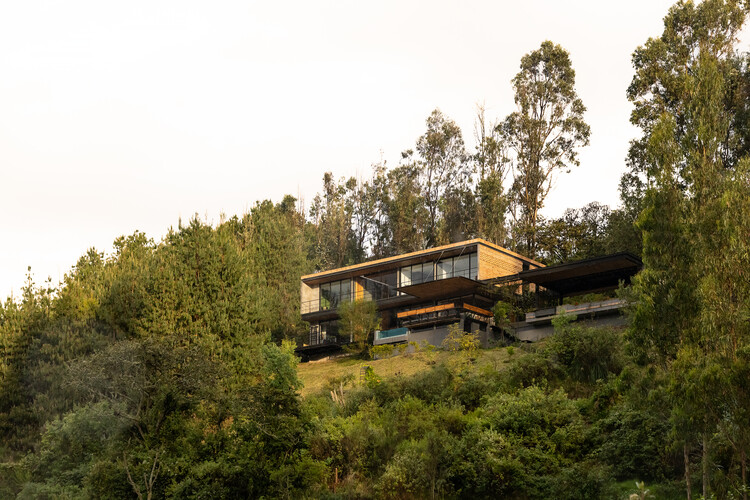
The Andes are often understood as a continuous mountain range, yet they encompass a wide range of climates and ecosystems. In Ecuador, Peru, Bolivia, Colombia, and Chile, páramos, dry highlands, temperate valleys, and snow-covered landscapes can exist within relatively short distances of one another. As elevation changes, so do temperature, solar radiation, humidity, wind, vegetation, and topography, producing environments that require different ways of building.
Unlike many mountain regions where cold is the defining environmental condition, high-altitude environments in the Andes combine several climatic conditions at once. As elevation increases, solar radiation becomes more intense. Some regions remain humid throughout the year, while others experience prolonged dry seasons. In many places, steep terrain, snow, and changing weather patterns become additional factors that influence how buildings are designed.

This second year of the pandemic offered a tremendous opportunity to continue reflecting on and debating the most urgent issues in architecture. To this end, we wanted our readers to actively participate by contributing their experiences and knowledge. Throughout the year, we invited them each month to share their comments and insights on a wide range of topics—from the future of cities, automation, and multidisciplinary design, to green infrastructure, adaptive reuse, migration, equity, and well-being.
After reading and compiling all the submissions received—from construction professionals and students to architecture enthusiasts—it is now time to present the key perspectives. Thank you very much for sharing your opinions!

The social initiatives of Ecuadorian architect David Regalado Ojeda in the city of Loja demonstrate a departure from the autonomous architectural project, addressing collective formal identity through a park built from recycled materials, where history is transformed into play and learning.
Artists, volunteers, and the local community collaborated on the project with zero financial investment: everything was recycled and built through community support.
Below, a few words from architect David Regalado Ojeda: